Why was Ancient Nubia less controlling than Ancient Egypt?

Why was Ancient Nubia less controlling than Ancient Egypt?

Author: Dr Alice Evans July 10, 2023 Duration: 8:08
Ancient Nubia presents a puzzle, suggests David Wengrow. “How [did] its population manage to prevent the emergence of domination in their own midst, despite the existence of Egyptian models of governance on their doorstep and the effects of recurring Egyptian predation on their people and resources[?]”. This podcast discusses geography, states and culture.

Conversations on ROCKING OUR PRIORS begin with a simple, powerful idea: that our deepest assumptions about how societies progress deserve a second look. Host Dr Alice Evans, drawing from her roles at King’s College London and the Harvard Kennedy School, doesn’t just interview leading experts-she engages them in a genuine dialogue. Each episode digs into the interconnected engines of change: economic growth, the nuances of governance, and the persistent structures of gender inequality. You’ll hear discussions that are both academic and accessible, where complex theories are tested against real-world evidence and historical patterns. The aim is to unsettle comfortable narratives and examine how transformation actually happens across different cultures. This isn't a lecture series; it's an ongoing exploration designed to challenge and refine your perspective. Tune into the podcast for thoughtful, evidence-based conversations that might just change how you see the world's most pressing social and economic questions.

Author: Language: English Episodes: 100

ROCKING OUR PRIORS
Podcast Episodes
Why do Poor Indian Women Reject Office Jobs? [not-audio_url] [/not-audio_url]

Duration: 10:27
Why is Indian female labour force participation ultra low? To investigate, Suhani Jalota and Lisa Ho ran a Randomised Control Trial in Mumbai. They find that most women reject high-paying office jobs. This is not due to…
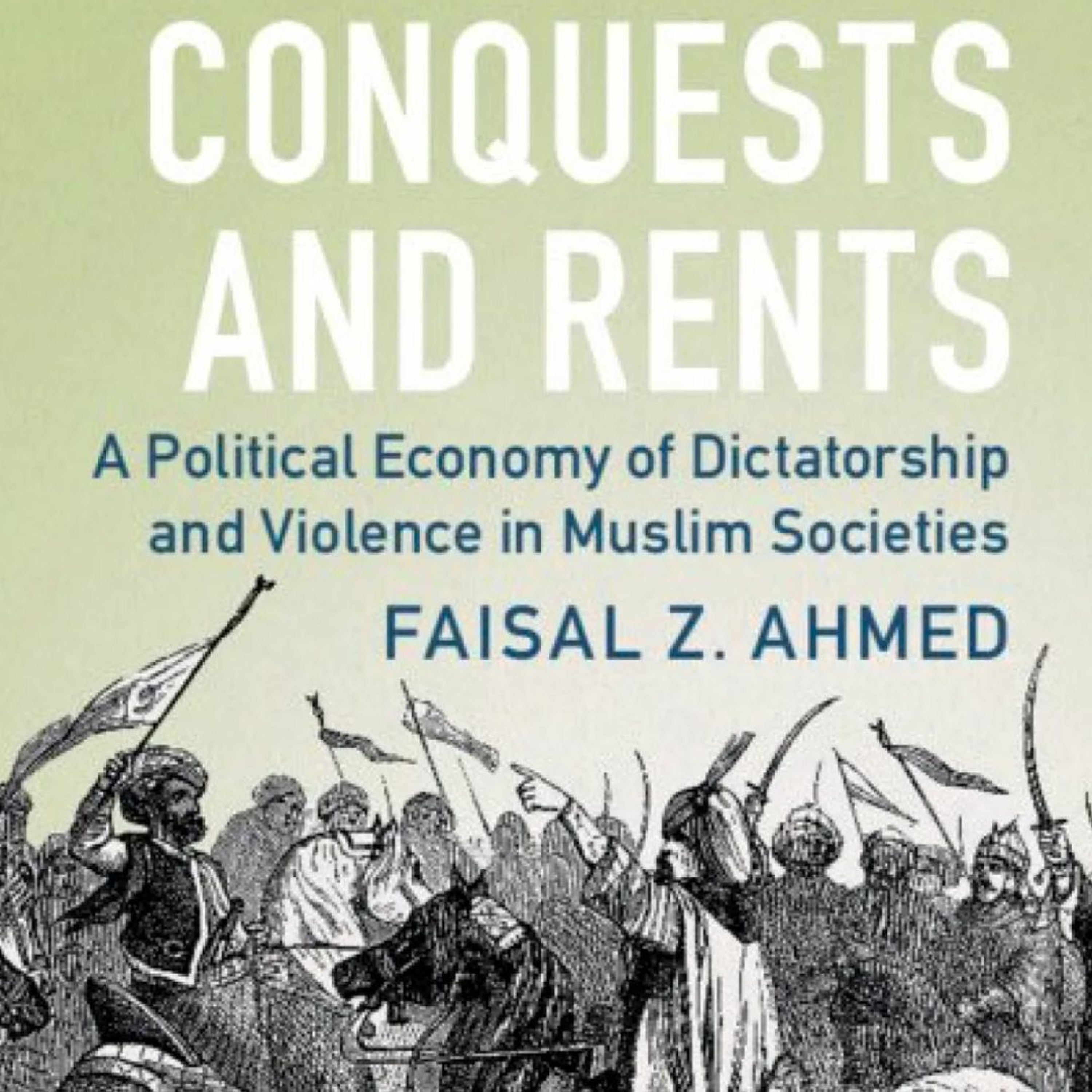
"Conquest & Rents": Professor Faisal Ahmed [not-audio_url] [/not-audio_url]

Duration: 42:05
Muslim societies are more likely to be authoritarian and marred in civil war. The big question is why? Faisal Ahmed presents a new theory: “Conquest and Rents”. He suggests that where Islam spread via military conquest,…
Can We End Alcohol Abuse? [not-audio_url] [/not-audio_url]

Duration: 8:43
One feasible way to massively reduce violence is to tackle alcohol abuse. It is one of the single largest predictors of gender based violence worldwide, and it is not inevitable. Religious prohibitions, government bans a…
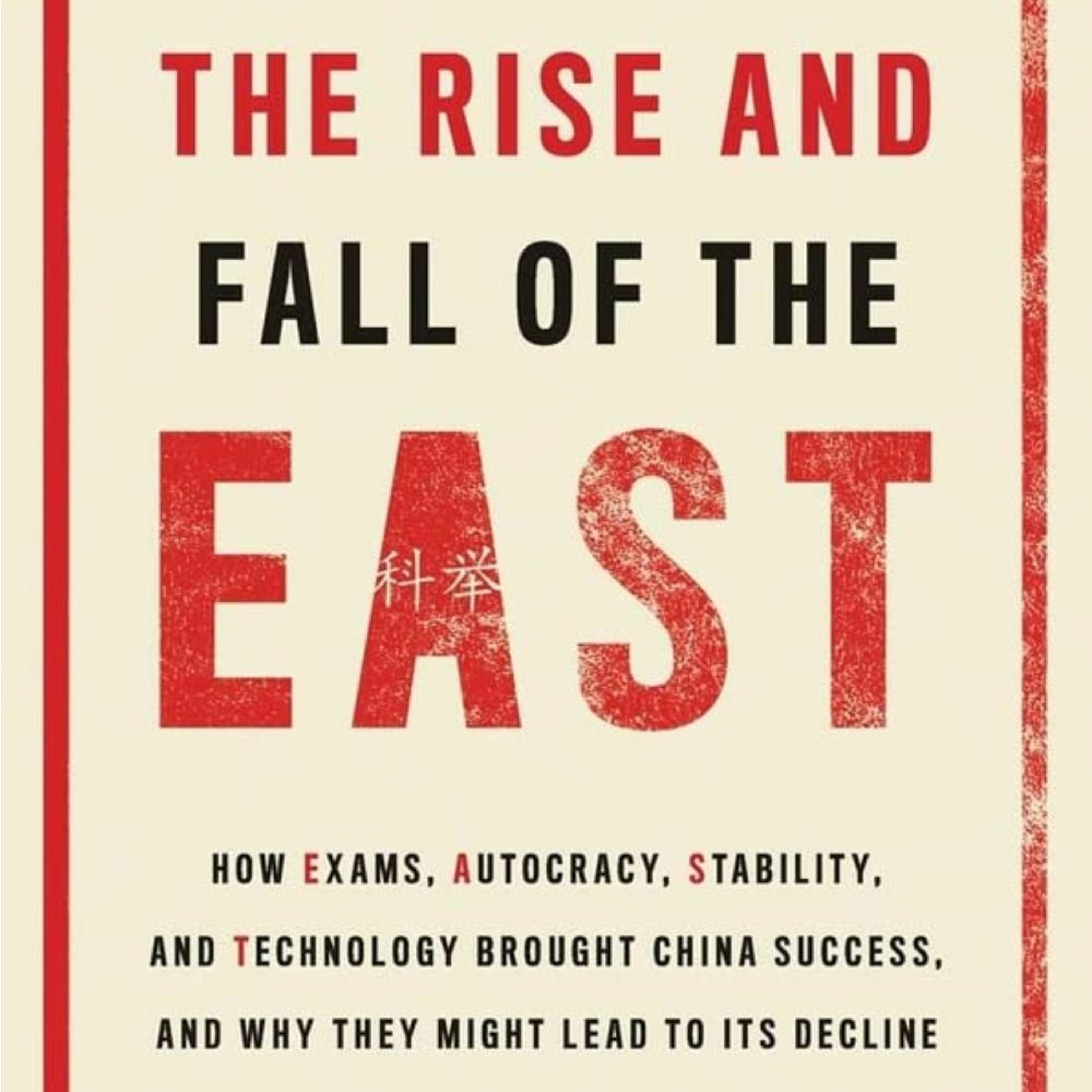
The Rise and Fall of the East, Professor Yasheng Huang [not-audio_url] [/not-audio_url]

Duration: 1:00:05
A conversation with MIT Professor Yasheng Huang Why is the CCP so resilient? How did the keju imperial examinations shape Chinese autocracy and culture? What does South Korea tell us about growth, democratisation and cul…
How to Study the Rise of the Far Right? [not-audio_url] [/not-audio_url]

Duration: 10:42
Why do a quarter of European young men say they’ll vote for the far right? It’s not just men. In France, The Netherlands and Belgium, the far right is equally popular with women. Existing scholarship has emphasised regio…
Confidence, Competitiveness and Institutions [not-audio_url] [/not-audio_url]

Duration: 13:44
Men comprise 90% of heads of state, 90% of Fortune 500 CEOs, and 90% of applications for patents. Prestigious positions are dominated by men. Why is this? Motherhood, discrimination, social networks and patriarchal insti…
How does Rural Prosperity affect Marriages in Bangladesh? [not-audio_url] [/not-audio_url]

Duration: 5:59
Poverty entrenches cousin marriage and patriarchal controls. What happens when crop yields improve and families become wealthier? Mobabark, Kuhn & Peters's paper is here: https://spinup-000d1a-wp-offload-media.s3.amazona…