Enter One of the World’s Quietest Rooms

Enter One of the World’s Quietest Rooms

Author: Scientific American October 3, 2025 Duration: 20:05
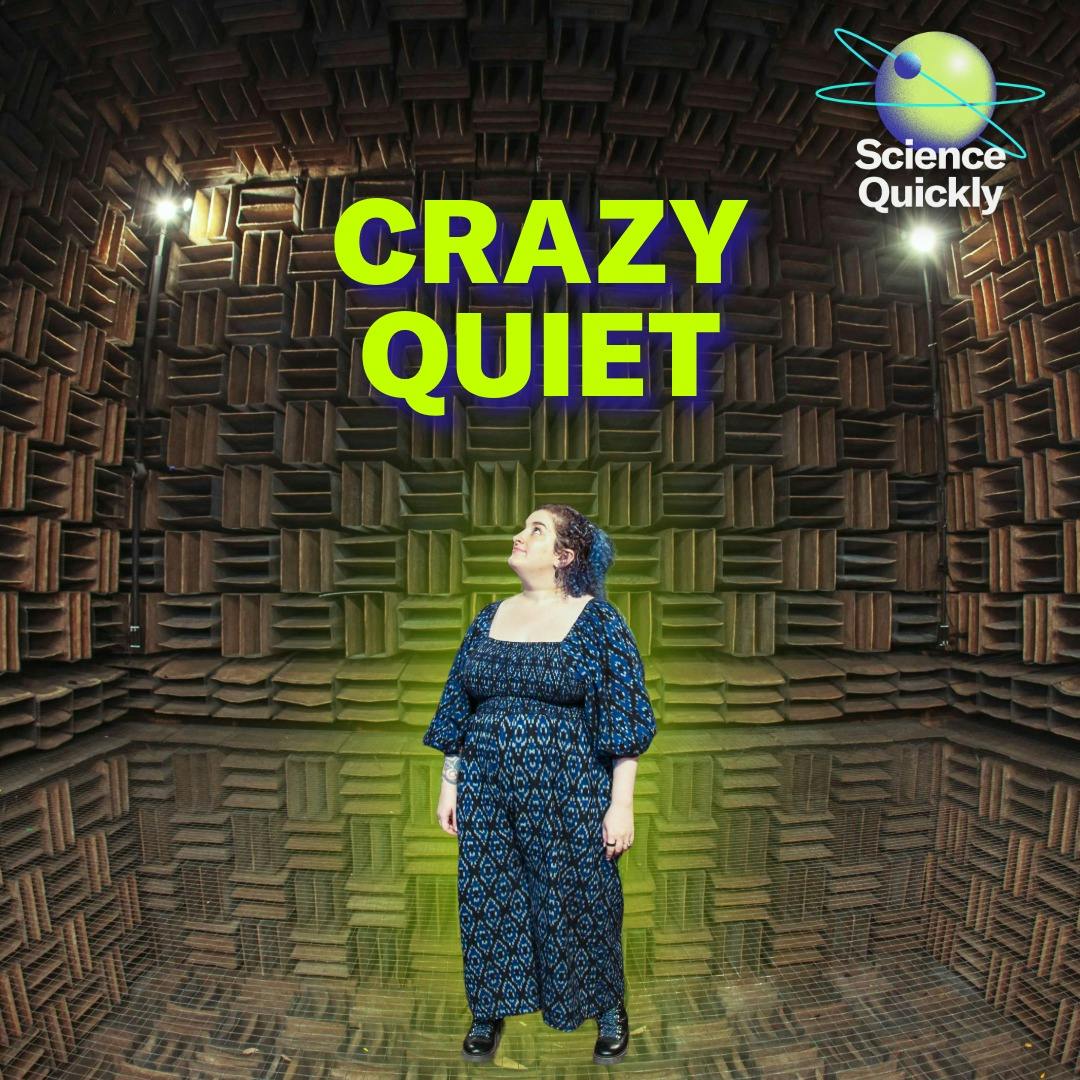
Inside one of the quietest rooms in the world, host Rachel Feltman meets artist-in-residence Seth Cluett at the historic anechoic chamber at Bell Labs to explore the science of silence and sound perception. From popping balloons in total silence to hearing your own nervous system, we dive into psychoacoustics, audio innovation and the emotional impact of sound design. Along the way, we uncover how Bell Labs shaped everything from stereo audio to the voice of HAL in 2001: A Space Odyssey. Science Quickly is a Signal Awards finalist! Support us by casting your vote before October 9 at the following link: https://vote.signalaward.com/PublicVoting?utm_campaign=signal4_finalists_finalistnotification_092325&utm_medium=email&utm_source=cio#/2025/shows/genre/science E-mail us at sciencequickly@sciam.com if you have any questions, comments or ideas for stories we should cover! Discover something new every day: subscribe to Scientific American and sign up for Today in Science, our daily newsletter. Science Quickly is produced by Rachel Feltman, Fonda Mwangi and Jeff DelViscio. This episode was edited by Jeffery DelViscio. Shayna Posses and Aaron Shattuck fact-check the show. The theme music was composed by Dominic Smith. Learn more about your ad choices. Visit megaphone.fm/adchoices

Ever feel like you want to stay on top of the latest science news but don't have hours to dig through journals? That's the space where Science Quickly lives. Each episode is a compact, engaging conversation designed to fit into your daily routine, whether you're commuting or just taking a break. Host Rachel Feltman brings her sharp curiosity and a journalist's eye to every topic, joined by other seasoned reporters from Scientific American who are out there talking to the researchers on the front lines. You'll hear more than just headlines; this podcast delves into the how and why behind fascinating discoveries, from quirky animal behaviors to groundbreaking climate tech and the inner workings of the human brain. The tone is conversational and often witty, making complex ideas accessible without oversimplifying them. It’s a variety show in the best sense, meaning you might explore a deep dive on neutrino detection one day and the science of a perfect cookie the next. Tuning in regularly feels like having a direct line to the most interesting developments, explained by people who are genuinely excited to share them. For anyone with a budding interest in how the world works or a long-time science enthusiast looking for a efficient update, this series from Scientific American consistently delivers substance and surprise in a manageable format.
Author: Language: en-us Episodes: 100

Science Quickly
Podcast Episodes
The Dead Composer Whose ‘Brain’ Still Makes Music [not-audio_url] [/not-audio_url]

Duration: 25:25
In a hauntingly innovative exhibit, brain cells grown from the late composer Alvin Lucier’s blood generate sound. Set in a museum in Perth, Australia, the installation blurs the line between art and neuroscience. Host Ra…
Mary Roach on the Science of Swapping Human Parts [not-audio_url] [/not-audio_url]

Duration: 11:05
In this episode of Science Quickly, host Rachel Feltman explores the age-old quest to replace failing human body parts with science writer Mary Roach. From ancient surgery to modern medical marvels, Roach shares insights…
Vaccine Shakeups, Brain Injury Warnings and Boozy Chimps [not-audio_url] [/not-audio_url]

Duration: 10:49
The Centers for Disease Control and Prevention’s vaccine advisory committee has been reshaped, with new recommendations on the horizon. Meanwhile studies reveal subtle brain changes in contact sports players and highligh…
Algorithmic Social Media Is Driving New Slang [not-audio_url] [/not-audio_url]

Duration: 26:55
From viral slang such as “skibidi” to the rise of so-called brain rot, linguist and content creator Adam Aleksic, aka the “Etymology Nerd,” and associate editor Allison Parshall, who covers the mind and brain, unpack how…
The Role Our Microbiome Plays In Our ‘Gut Feelings’ [not-audio_url] [/not-audio_url]

Duration: 13:26
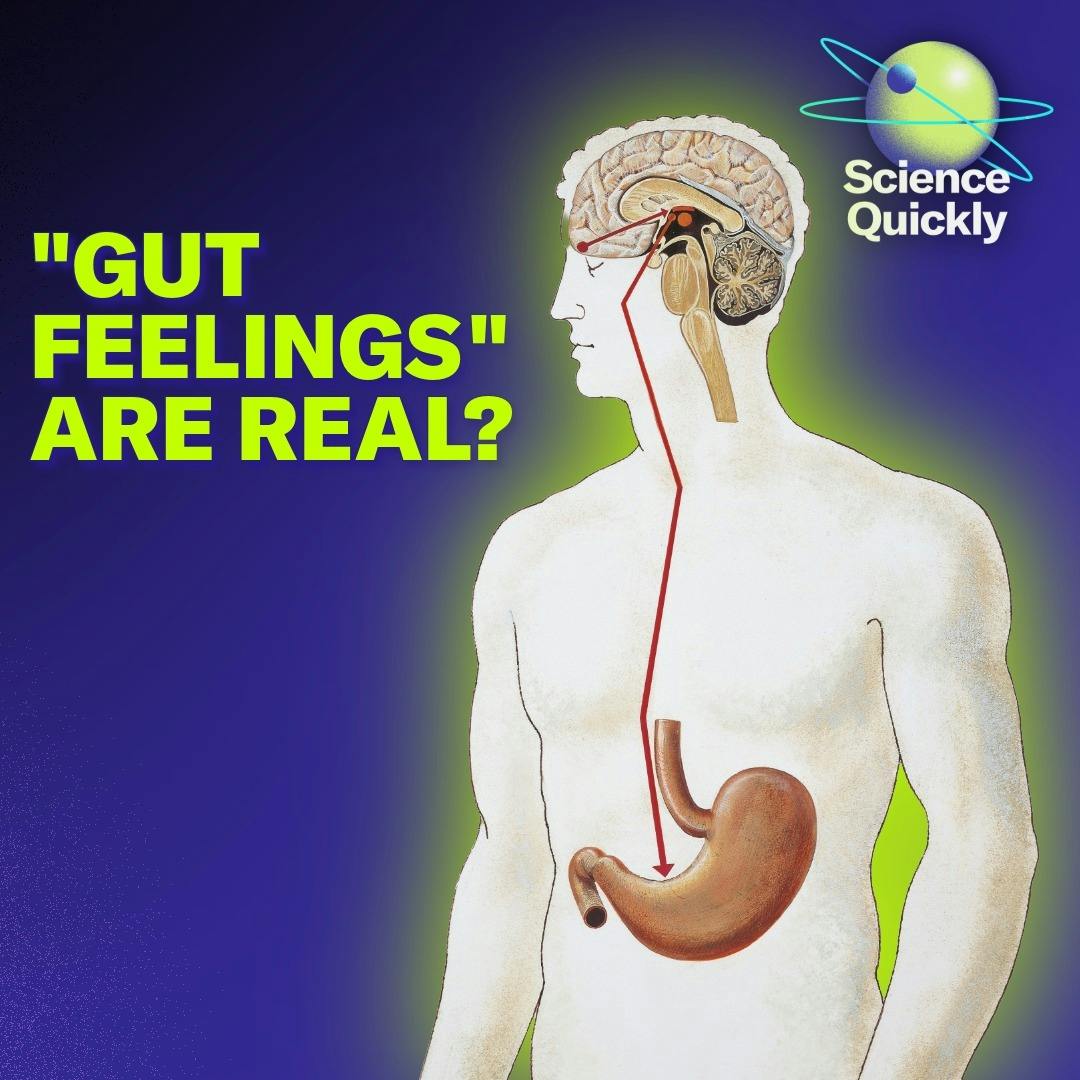
Scientists are tuning in to a surprising conversation happening inside us—between our gut and our brain. Host Rachel Feltman chats with Maya Kaelberer, an assistant professor at the University of Arizona’s department of…
Kissing Bugs, Koalas and Clues to Life on Mars [not-audio_url] [/not-audio_url]

Duration: 9:37
A paper published by the Centers for Disease Control and Prevention argues that Chagas disease is now endemic in the U.S. Koalas may finally be spared from a deadly epidemic. Meanwhile NASA’s Perseverance Mars rover has…
Unpacking the Brain’s Role in Inventing Your Perception [not-audio_url] [/not-audio_url]

Duration: 15:37
Human brains don’t just perceive reality—they invent it. In this episode of Science Quickly, cognitive neuroscientist Daniel Yon speaks with host Rachel Feltman about how perception is an active process of prediction in…
How a Tick Bite Can Make You Allergic to Meat [not-audio_url] [/not-audio_url]

Duration: 14:09
A tick bite can trigger a rare allergy to red meat and animal products, forcing major lifestyle changes. Scientist Lee Haines joins host Rachel Feltman to break down what causes alpha-gal syndrome, why it’s spreading and…
Marsquakes, Vaccine Politics and Mammoth Microbiomes [not-audio_url] [/not-audio_url]

Duration: 9:45
This week’s roundup dives into Mars’s lumpy mantle, a nasal spray that may help prevent COVID and the growing confusion around vaccine access in the U.S. Plus, researchers link phone use while on the toilet to hemorrhoid…

«1...678910