My Experience of Isolation: Amble Skuse

My Experience of Isolation: Amble Skuse

Author: Scottish Mental Health Arts Festival October 30, 2020 Duration: 10:58
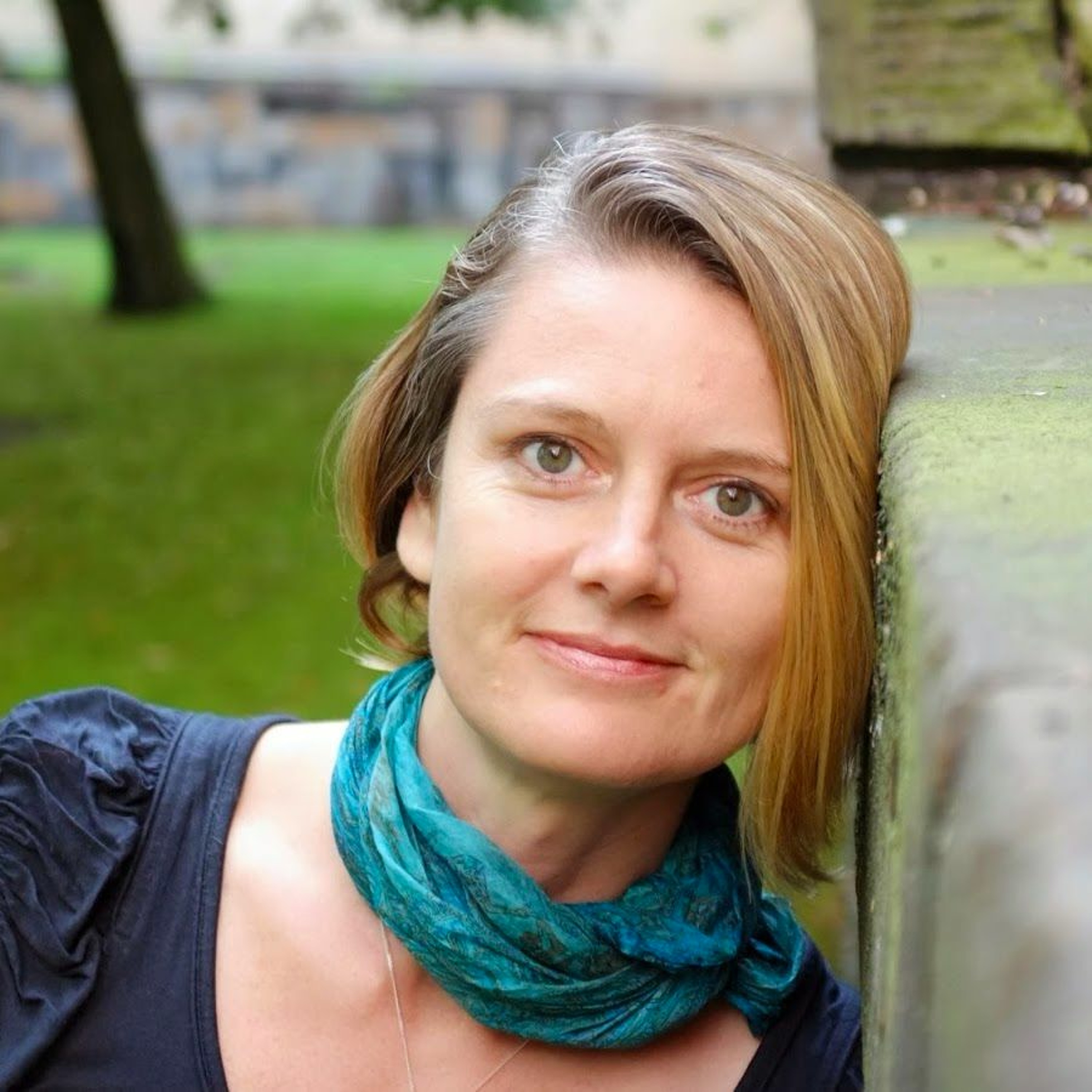
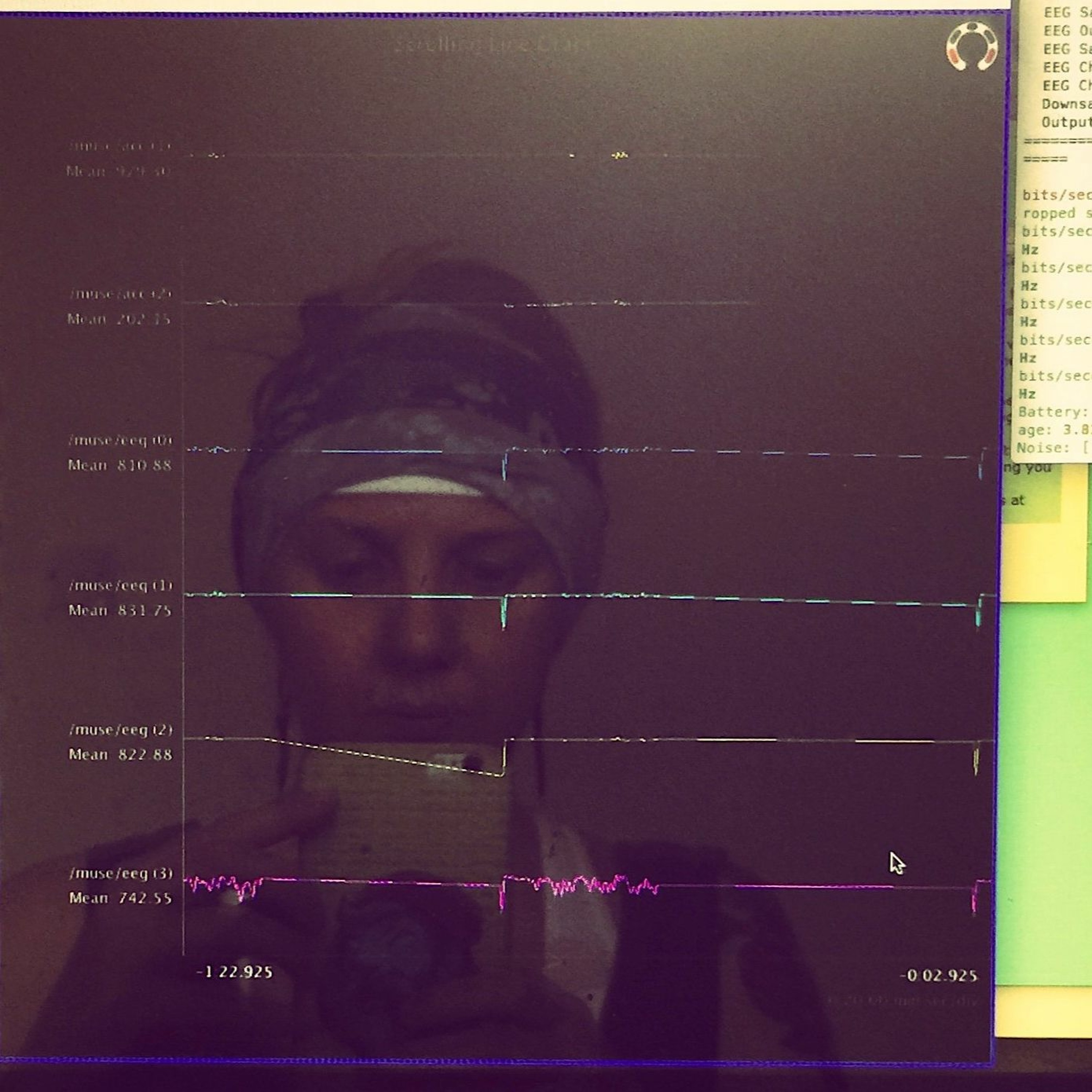
Amble Skuse is a composer and violinist whose chronic fatigue syndrome has meant that she mostly worked from home long before lockdown. She has created an improvised musical piece that explores how isolation can cause a “looped psychological experience”. To make the piece, Amble created software that enabled her to scan her own brain waves using an EEG sensor and send the voltage of the brain waves to her computer. The performance was then shaped by her own responses as she listened to it, in a creative feedback loop. Amble explains: “The sensors are connected to processors, including delay, loop time, reverb and distortion. As I improvise, my subconscious reactions to my sound generates the processing. As I hear the processing, I will then have further reactions which produce further processing. The sound that I create in the improvisation is a combination of my conscious intention (violin) and subconscious interpretation (EEG processing). The piece demonstrates that we are a combination of intention and subconscious interpretation in all our interactions.” “The recording includes fragments of a poem – which you can read in full below – that Amble wrote while living in a camper van in the Western Isles during a long period of stormy weather. “The wind was so violent I hadn't been able to sleep for days and days,” she recalls. “It felt as though the wind and the birds were inside my head, swirling and swooping, chattering and clattering. The poem reflects how my mind feels when the ME hits and my brain is no longer able to be calm and focussed, but jitters around by itself.” The result is a powerful illustration of how, as Amble puts it, “our isolation causes our own world view to influence our behaviours without external perspectives”. The recording on this page is just one possible version of the piece, which is generated differently every time Amble plays it, depending on her mental state. “The piece tried to reflect the circular nature of isolated thought, and a jittered mind, shattered by fatigue,” she says. “In itself that is a hard thing to create as when my mind is at its most jittery I am most unable to connect the electronics and perform the piece. There is something ironic about trying to share the jittered mind space when what that mind needs is rest. I think that is the learning point for me - that communicating the fractured points of ME using technology actually requires me to function well enough to use that technology in the moment, and to create a piece whilst in a difficult mindset.”

The SMHAF Podcast is an audio extension of the year-round arts programme led by the Mental Health Foundation Scotland. It draws its inspiration and content from the annual Scottish Mental Health Arts Festival, a major global event that has been enriching Scotland's cultural landscape since 2007. In this podcast, you'll hear from the artists, organizers, and participants who make this diverse festival happen. The conversations explore the creative processes behind the festival's wide-ranging programme, which includes music, film, visual art, theatre, dance, and literature, all connected through the lens of mental health. Episodes might feature a director discussing a new play, a musician explaining how composition relates to wellbeing, or a visual artist sharing the story behind an exhibition. It’s a space to listen in on thoughtful discussions about how artistic expression and mental health dialogue intersect, offering a deeper, more personal look at the festival's impact beyond the event dates. The SMHAF Podcast provides a lasting, intimate connection to the festival's community and ideas, making the powerful work of the Scottish Mental Health Arts Festival accessible anytime.
Author: Language: English Episodes: 100

SMHAF Podcast
Podcast Episodes
Dust 2017: performance by Paula McGuire [not-audio_url] [/not-audio_url]

Duration: 8:56
Paula McGuire, 'the world's least likely adventurer', shares her experiences at arts and mental health symposium The Dust of Everyday Life, CCA, Glasgow, 20 April 2017. For more information about Paula visit www.paulamus…
Dust 2017: Performance by Skye Loneragan [not-audio_url] [/not-audio_url]

Duration: 13:38
Theatre-maker Skye Loneragan performs an extract from her new show Though This Be Madness at The Dust of Everyday Life, CCA, Glasgow, 20 April 2017. www.skyeloneragan.com
Dust 2017: Hip Hop Psych [not-audio_url] [/not-audio_url]

Duration: 58:30
Founded by psychiatrist Dr Akeem Sule and neuroscientist Dr Becky Inkster, Hip Hop Psych describes itself as ‘the interface that links hip-hop music and culture with mental health’, using its founders’ medical credibilit…
Dust 2017: Chill out corner chat [not-audio_url] [/not-audio_url]

Duration: 57:09
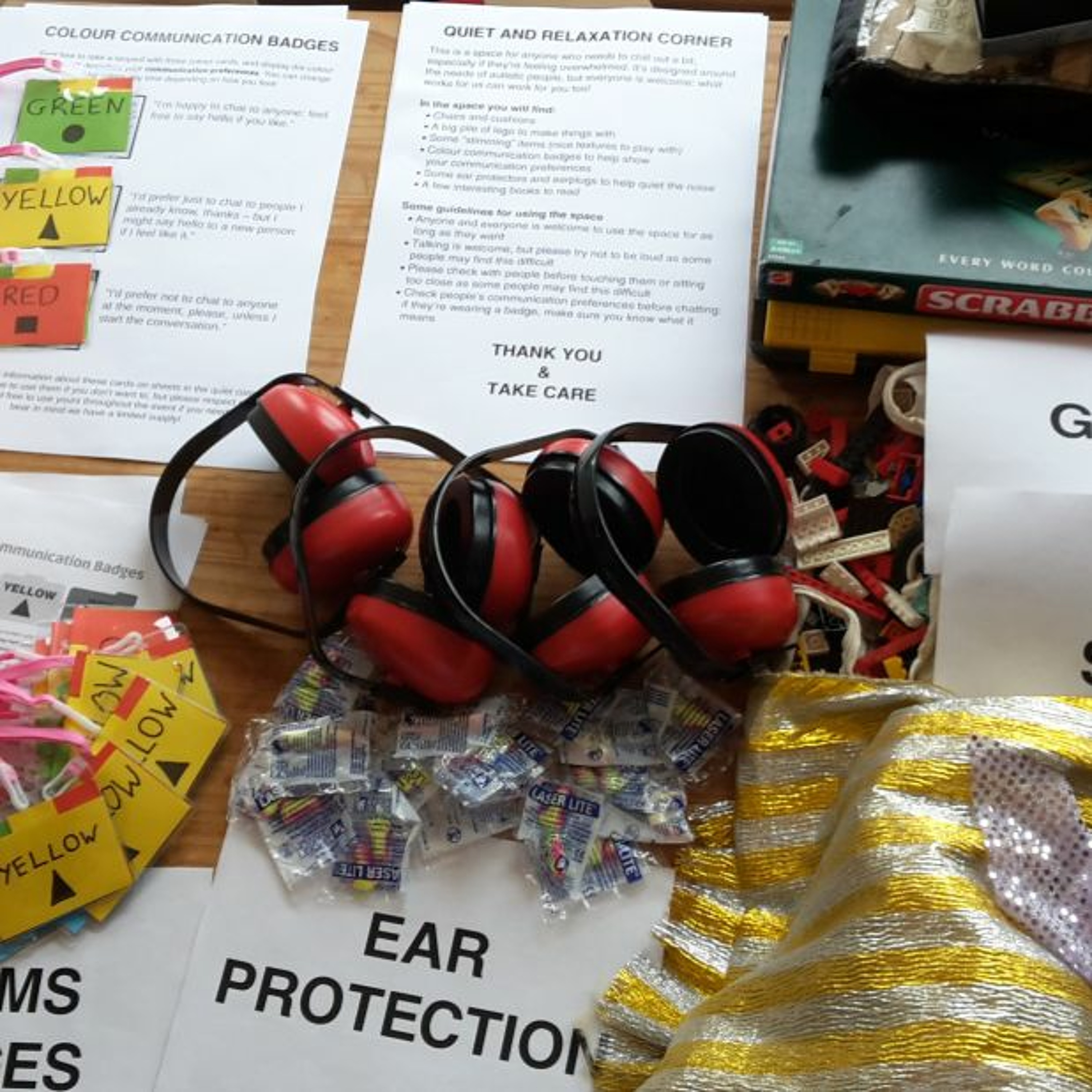
How do we make arts events more accessible to people living with social anxiety? Emma Jayne Park, associate artist for the Scottish Mental Health Arts and Film Festival, Mental Health Foundation arts lead Andrew Eaton-Le…
Dust 2017: Building a social movement in the arts [not-audio_url] [/not-audio_url]

Duration: 59:12
Can the arts and social justice campaigning happily co-exist? Jenny Edwards, chief executive of the Mental Health Foundation, discusses the issue with filmmaker Fran Higson, Halina Rifai of feminist collective TYCI, and…
Dust 2017: Art in a time of anxiety [not-audio_url] [/not-audio_url]

Duration: 49:48
What does it mean to be mentally healthy in the midst of so much anxiety-inducing political and cultural turmoil? And what can artists do to help? Kevin Williamson of Neu! Reekie!, Linda Irvine of NHS Lothian, playwright…
Dust 2017: Living well and dying well [not-audio_url] [/not-audio_url]

Duration: 57:38
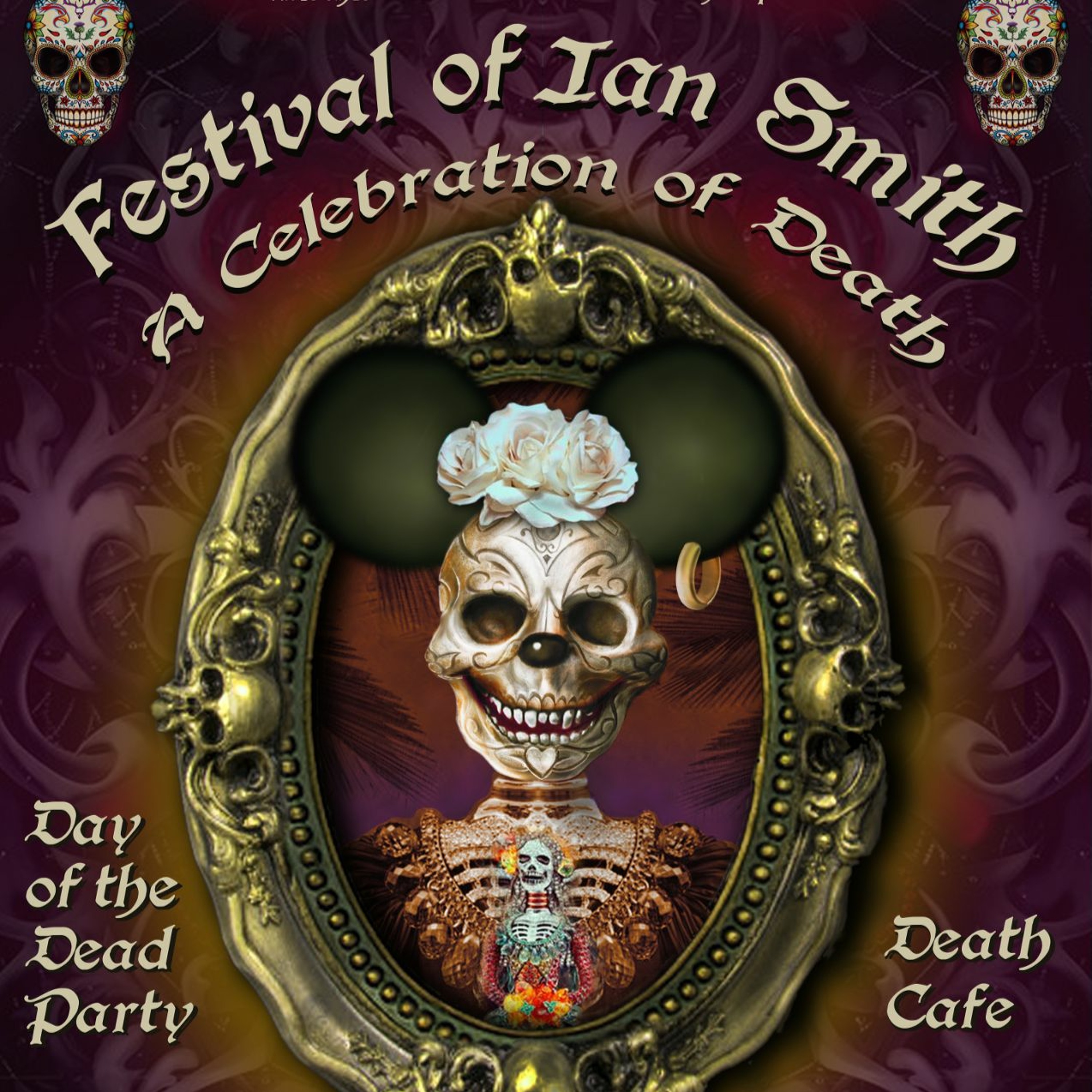
Is it possible to adopt a more mentally healthy attitude towards our own deaths, and the deaths of those we love? Andrew Eaton-Lewis puts the question to Angie Dight of Mischief La Bas, creator of Festival of Ian Smith:…
Dust 2017: A conversation with trigger warnings [not-audio_url] [/not-audio_url]

Duration: 51:52
Often misunderstood and misrepresented, trigger warnings can be vital for people who have experienced trauma. But is it actually possible to predict what will trigger someone when organising an arts event? Mental Health…