Shostakovich Violin Concerto No. 1

Shostakovich Violin Concerto No. 1

Author: Joshua Weilerstein October 13, 2022 Duration: 1:00:09

In almost every one of the past shows I've done about Shostakovich, the name Joseph Stalin is mentioned almost as much as the name Dmitri Shostakovich, and of course, there's a good reason for that. Shostakovich's life and music was inextricably linked to the Soviet dictator, and Shostakovich, like millions of Soviet citizens, lived in fear of the Stalin regime, which exiled, imprisoned, or murdered so many of Shostakovich's friends and even some family members. Post his 1936 denunciation, Shostakovich's music completely changed. Moving away from the radical experimentation he had attempted with his doomed opera Lady Macbeth of Mtensk, he adopted a slightly more conservative style, which he hoped would keep him in good stead with the authorities.

But the piece I'm going to tell you about today, his monumental first violin concerto, is a bit different. It was written just after World War II, between 1947 and 1948. And yet, it was not performed until 8 years later. Shostakovich himself withdrew the work and kept it "in the drawer" along with his 4th string quartet and his song cycle From Jewish Folk Poetry.

When the piece was finally performed by its dedicatee, David Oistrakh, it was a massive success, and it remains one of the best ways to "get into" Shostakovich's music. It is a huge work, in 4 grand movements, and Shostkaocvich himself described it as a "symphony for violin solo." It features all of the qualities that make Shostakovich's music so exciting, powerful, heartbreaking, and intense, while also allowing the listener, for the most part, to remove politics from the equation. While there are certainly encoded messages in the piece, one of which we'll get into in detail, this is a piece that is as close to pure musical expression as any of Shostakovich's post 1936 works, and so today I won't be mentioning Stalin all that much, I won't be mentioning the Soviet government every other sentence, and instead, we'll explore what makes this concerto so fantastic, so emotionally powerful, and so rousingly exciting. Join us!


There’s a particular kind of curiosity that draws people to classical music, but the sheer scale of the repertoire can feel overwhelming. Sticky Notes: The Classical Music Podcast, hosted by conductor Joshua Weilerstein, meets that curiosity right where it is. Think of it as a series of open conversations about the music itself, designed to be equally engaging for someone hearing a symphony for the first time and for a lifelong devotee. Episodes might feature a thoughtful interview with a performing artist, offering a glimpse behind the curtain, or they could focus entirely on a single piece, peeling back its layers to explore why it resonates. Weilerstein guides these explorations with clarity and enthusiasm, moving seamlessly from foundational concepts to more nuanced details about different musical eras. The entire premise of this podcast is built on a genuine belief that this music belongs to all of us. It’s about replacing any sense of intimidation with connection and understanding. While past seasons are gradually being re-released, each episode stands as its own invitation to listen more deeply.
Author: Language: English Episodes: 284

Sticky Notes: The Classical Music Podcast
Podcast Episodes
Tchaikovsky Symphony No. 6 (Part 2) [not-audio_url] [/not-audio_url]

Duration: 48:23
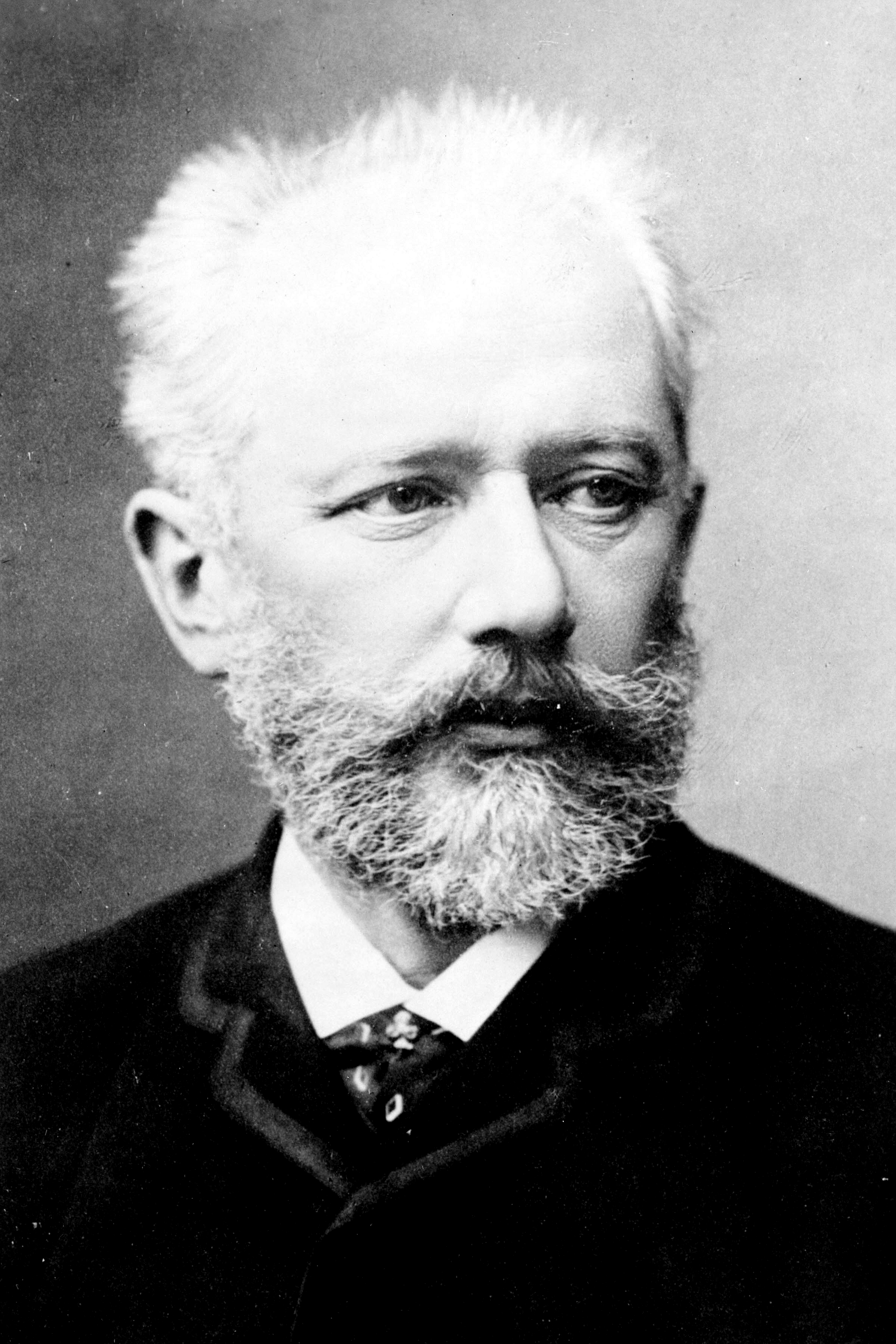
In a letter to Tchaikovsky's nephew Vladimir Davydov, Tchaikovsky wrote: "I'm very pleased with its content, but dissatisfied, or rather not completely satisfied, with the instrumentation. For some reason it's not coming…
Tchaikovsky Symphony No. 6 (Part 1) [not-audio_url] [/not-audio_url]

Duration: 50:44
The great and somewhat controversial conductor Leopold Stokowski said this about Tchaikovsky: "His musical utterance comes directly from the heart and is a spontaneous expression of his innermost feeling. It is as sincer…
Beethoven String Quartet, Op. 59, No.2 [not-audio_url] [/not-audio_url]

Duration: 56:56
I'm always tickled by composer trivia questions, like which standard canon works begin in a major key and end in a minor key? I'll give you one, but please comment others below: Mendelssohn's 4th Symphony. Well, how abou…
Brahms Symphony No. 2 LIVE w/ The Aalborg Symphony [not-audio_url] [/not-audio_url]

Duration: 58:32
Brahms spent much of his adult life battling with his ambition to write the next great symphony and his terror at the shadow of Beethoven standing behind him. Brahms tortured himself for 14 years with his first symphony,…
Zemlinsky: The Mermaid [not-audio_url] [/not-audio_url]

Duration: 1:01:32
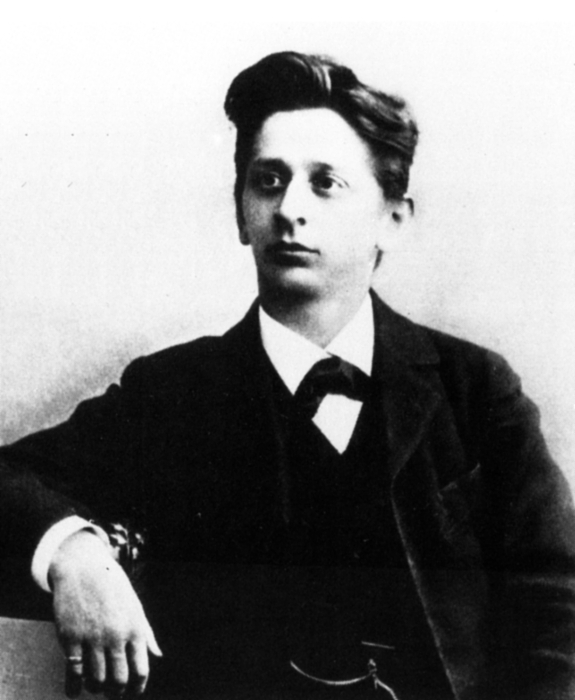
The story of Alexander von Zemlinsky's The Mermaid begins with a passionate love affair and ends in heartbreak of the most unabashedly big-R Romantic kind. In 1900, the young, fabulously talented, and famously beautiful…
Pergolesi Stabat Mater [not-audio_url] [/not-audio_url]

Duration: 59:02
Many aspects of Giovanni Battista Pergolesi's life seem relatively normal when it comes to composers of the Baroque era. He was prolific, died young, and his music became very famous only after his death. However, all th…
Rachmaninoff Piano Concerto No. 2 [not-audio_url] [/not-audio_url]

Duration: 52:41
We humans seem to love comeback stories, and there is no comeback quite as compelling in the classical music world as Rachmaninoff's Second Piano Concerto. It was written three years after the disastrous premiere of his…
Handel Messiah w/ Aram Demirjian [not-audio_url] [/not-audio_url]

Duration: 1:09:11
A piece that I have been asked to cover probably a dozen times is Handel's Messiah. It's a piece I love, but a piece that I've never conducted or played, and so therefore I don't know it incredibly well. There are plenty…
Gustav Holst: The Planets [not-audio_url] [/not-audio_url]

Duration: 1:02:09
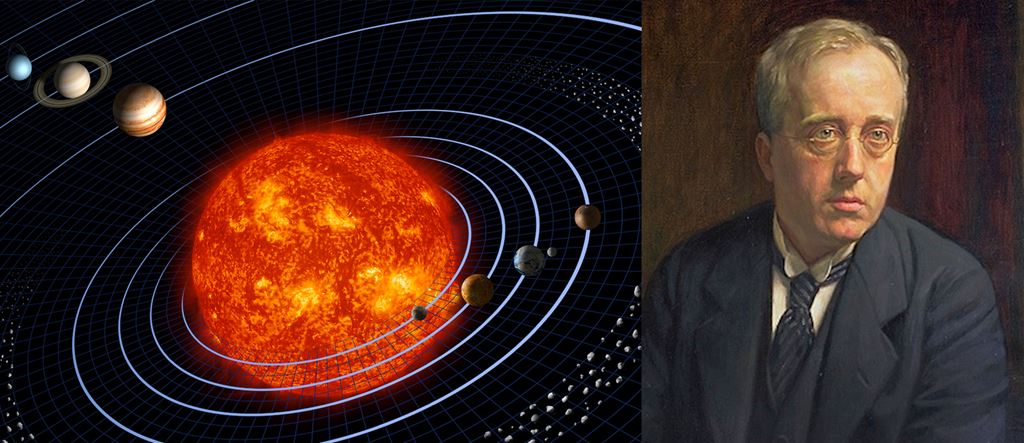
Mr. Holst, wherever you are, I apologize in advance for what I'm about to say. From my research, I know you resented this fact, but unfortunately, I think it's true. Here it is: despite the large catalogue of music Gusta…
Franck Symphony in D Minor [not-audio_url] [/not-audio_url]

Duration: 59:57
In the 1960s, Leonard Bernstein famously helped to popularize the music of a then relatively obscure composer, Gustav Mahler. His work, as well as the work of other conductors, made Mahler into a classical-music househol…