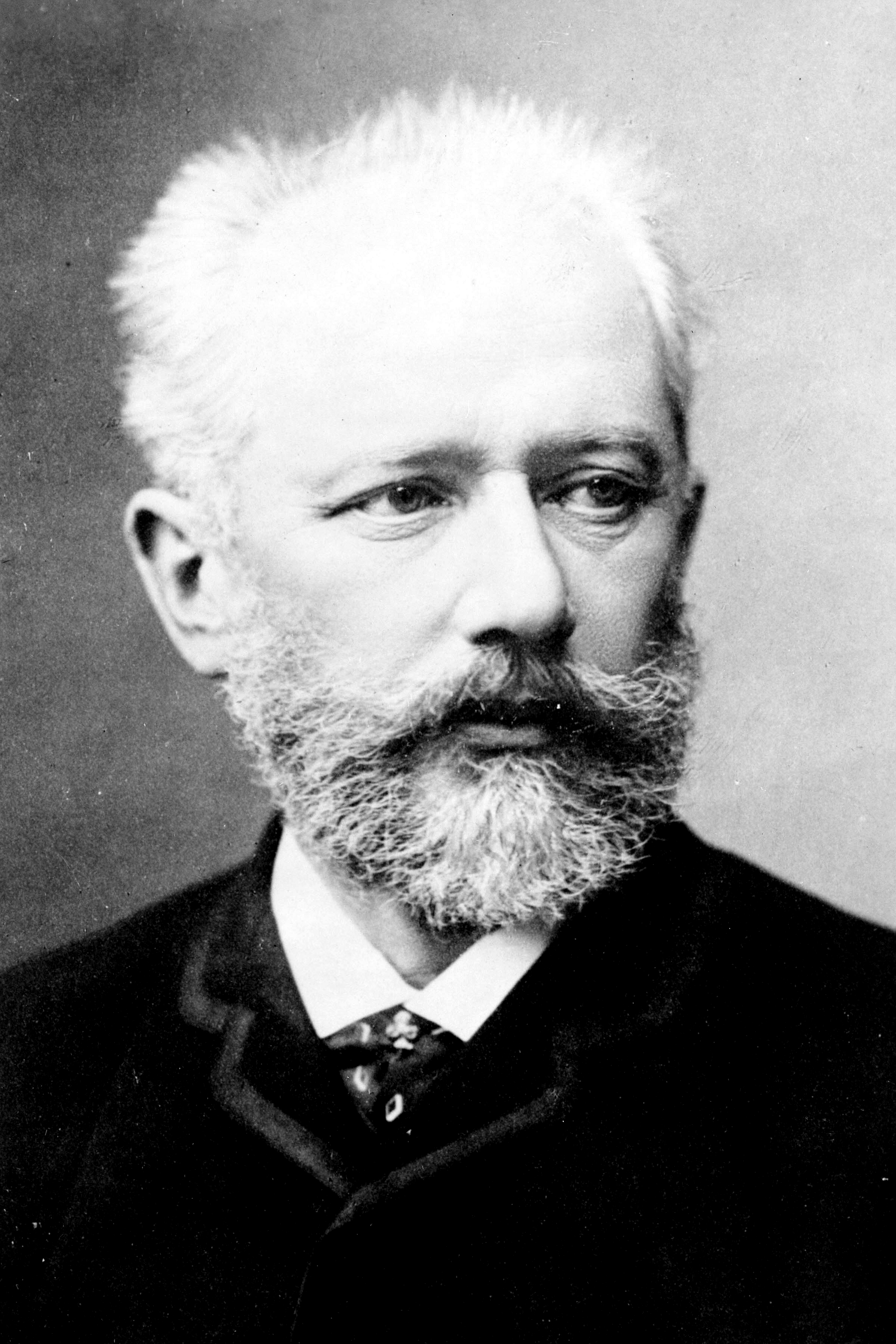
Tchaikovsky Symphony No. 6 (Part 1)

Tchaikovsky Symphony No. 6 (Part 1)

Author: Joshua Weilerstein March 21, 2026 Duration: 50:44

The great and somewhat controversial conductor Leopold Stokowski said this about Tchaikovsky: "His musical utterance comes directly from the heart and is a spontaneous expression of his innermost feeling. It is as sincere as if it were written with his blood." I couldn't agree more with Stokowski, because I think he hits on a word that has made Tchaikovsky's music so powerful to almost every audience that encounters it: sincere. Tchaikovsky's music is so profoundly moving because you feel as if there is no gap between the music and Tchaikovsky's emotions. It's as if he is earnestly speaking to you through his music. But paradoxically, this ability that Tchaikovsky had made him a punching bag of critics and cynics throughout his career and even into today. Even though Tchaikovsky remains one of the most popular composers in the Western Classical canon, his name is still not treated with the respect of a composer like Beethoven or Brahms or other luminaries. I understand that, but I also think Tchaikovsky's skills as a composer are extremely underrated, which brings me to Tchaikovsky's 6th and final symphony, nicknamed the "Pathetique."

Tchaikovsky's 6th symphony essentially rewrites the traditional symphonic form. It is one of the few 19th century symphonies that end quietly, and that ending is one of the most extraordinary and daring in the entire repertoire. It is a piece of remarkable complexity and brilliant construction, and it packs an emotional wallop that leaves you walking out of the hall slightly changed from the way you walked in. In fact, this piece is so multi-layered that I wanted to devote some extra time to it, so I've decided to make this a two-part episode. This week, we're going to talk about the controversies over Tchaikovsky's emotional state as he composed this symphony, and the first two movements of the piece: a massive, 17-minute first movement that ingeniously melds multiple different symphonic forms into one long breath, and a waltz with a twist. We'll get into a lot more detail than we usually do, giving us a chance to really give Tchaikovsky the respect he deserves.


There’s a particular kind of curiosity that draws people to classical music, but the sheer scale of the repertoire can feel overwhelming. Sticky Notes: The Classical Music Podcast, hosted by conductor Joshua Weilerstein, meets that curiosity right where it is. Think of it as a series of open conversations about the music itself, designed to be equally engaging for someone hearing a symphony for the first time and for a lifelong devotee. Episodes might feature a thoughtful interview with a performing artist, offering a glimpse behind the curtain, or they could focus entirely on a single piece, peeling back its layers to explore why it resonates. Weilerstein guides these explorations with clarity and enthusiasm, moving seamlessly from foundational concepts to more nuanced details about different musical eras. The entire premise of this podcast is built on a genuine belief that this music belongs to all of us. It’s about replacing any sense of intimidation with connection and understanding. While past seasons are gradually being re-released, each episode stands as its own invitation to listen more deeply.
Author: Language: English Episodes: 100

Sticky Notes: The Classical Music Podcast
Podcast Episodes
My Top 25 Favorite Moments in Classical Music (Part 1) [not-audio_url] [/not-audio_url]

Duration: 52:28
What MAKES a moment in a piece of classical music? Sometimes it's the result of careful pacing from a composer, the slow build to a powerful release. Sometimes it's about surprise, a sudden explosion, or even a sudden ex…
Mendelssohn Octet in E Flat Major, Op. 20 [not-audio_url] [/not-audio_url]

Duration: 1:03:17
From 1825-1827, Mendelssohn wrote 3 of his most beloved and most played works: his Midsummer Night's Dream Overture, his String Quartet, Op. 13, and the piece were going to talk about today, his Octet. What is truly asto…
Mahler Symphony No. 5, Part 2 [not-audio_url] [/not-audio_url]

Duration: 48:53
I left you last week after Part 1 of Mahler's 5th symphony, dazed and defeated. There seems to be no hope, and no way out. But as many of you know by now, Mahler reaches for the entire emotional spectrum in his music, an…
Mahler Symphony No. 5, Part 1 [not-audio_url] [/not-audio_url]

Duration: 57:58
There is a thread of musical theory called Schenkerian analysis, based on the work of Heinrich Schenker. Schenker believed that musical works could be boiled down to their fundamental structures and harmonies. Entire wor…
Schoenberg: Verklärte Nacht [not-audio_url] [/not-audio_url]

Duration: 57:39
I'm not sure there's ever been a composer who changed as much throughout his or her life as Arnold Schoenberg. Schoenberg would become famous, or infamous, depending on who you talk to, for his invention of atonality; th…
What Does an Opera Director Really Do? W/ Tabatha McFadyen [not-audio_url] [/not-audio_url]

Duration: 59:49
Have you ever wondered what exactly goes on behind the scenes putting together an opera? Have you ever asked yourself how a director make decisions on how to interpret the libretto of an opera? Why do some productions lo…
The Life and Music of Clara Schumann [not-audio_url] [/not-audio_url]

Duration: 48:33
Clara Schumann, without a doubt, was one of the greatest pianists of all time. Schumann's playing didn't just leave critics and audiences in raptures, it also left other composers amazed that their music could sound so b…
Brahms Symphony No. 1 [not-audio_url] [/not-audio_url]

Duration: 52:30
Brahms was only 20 years old when Robert Schumann wrote his famous Neue Bahnen(New Paths) article that proclaimed Brahms as the future of music and the heir of Beethoven. Beethoven had only been dead for 26 years at this…

«1...678910
