Why This New Art Trend Feels So Familiar

Why This New Art Trend Feels So Familiar

Author: Artnet News August 15, 2025 Duration: 27:54
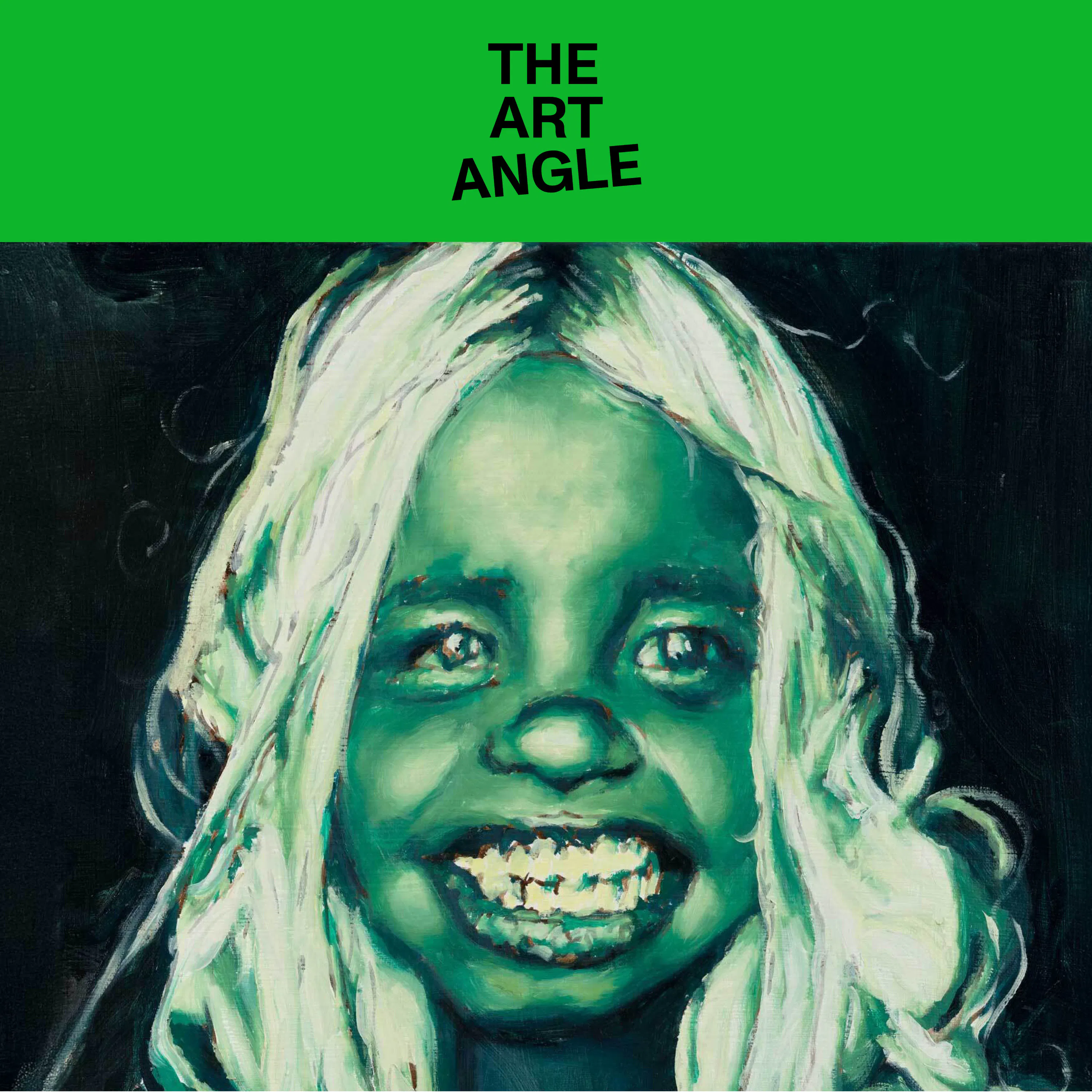
In art history, the pastoral has long offered a vision of nature as sanctuary—Arcadian meadows, idyllic countrysides, and timeless landscapes painted as if untouched by human conflict or change. It is a mode steeped in longing, often idealizing rural life as a place of harmony, simplicity, and beauty. From the verdant backdrops of Renaissance allegories to the sunlit fields of 19th-century landscape painting, the pastoral tradition has provided generations of artists and their audiences a gentle escape from the turbulence of urban and political life. You can still see these scenes in their full, romantic bloom at institutions like the Met in New York or the Louvre in Paris, where they stand as visions of a perfect, almost mythical world. Today, however, a different strain of pastoral is taking root—one that resists the urge to smooth over complexity. My sharp-eyed colleague Katie White has spotted a cohort of contemporary artists who are engaging with pastoral imagery in ways that raise the stakes, bringing the countryside into conversation with the crises and contradictions of the present. She’s dubbed this approach the para-pastoral, a genre that does not retreat into a calm and untroubled countryside but instead ventures into ambiguous, layered, and sometimes unsettling terrains. According to Katie, this new approach reframes the landscape not as a static refuge but as a charged space, marked by ecological urgency, political tension, and social change. Rather than romanticizing, the para-pastoral interrogates: Who has access to land? What histories does it conceal? How do rural spaces fit into the global story of climate and capitalism? Katie joins senior editor Kate Brown on the podcast to trace the history of pastoral art and explore the tense, resonant present of the para-pastoral. Together, we’ll look at what’s fueling the genre’s resurgence, the social and environmental urgencies shaping it, and how artists are reimagining the natural landscape—not as a refuge from reality, but as a mirror of it. Episode artwork: Samantha Joy Groff, Backwoods Diana the Huntress (2024). Photograph: Sofia Colvin. Courtesy of the artist. 

Ever wonder what really drives the multi-billion dollar art market or what happens behind the velvet ropes at major museums? The Art Angle, from the editors of Artnet News, pulls back the curtain. Each week, this podcast takes the often opaque headlines dominating the art world and breaks them down into compelling, accessible conversations. You’re essentially getting a front-row seat to the discussions happening inside the newsroom of the industry's leading publication. Episodes dive into the forces shaping contemporary culture, from jaw-dropping auction results and controversial exhibitions to the political and social currents influencing artists and institutions today. It’s not just about what’s selling; it’s about what these stories mean for the broader cultural landscape. By grounding lofty topics in clear analysis and expert insight, The Art Angle makes the art ecosystem understandable, revealing why these narratives matter far beyond gallery walls. Tune in weekly for a thoughtful, no-nonsense perspective on the people, power, and money that define visual culture today.
Author: Language: English Episodes: 100

The Art Angle
Podcast Episodes
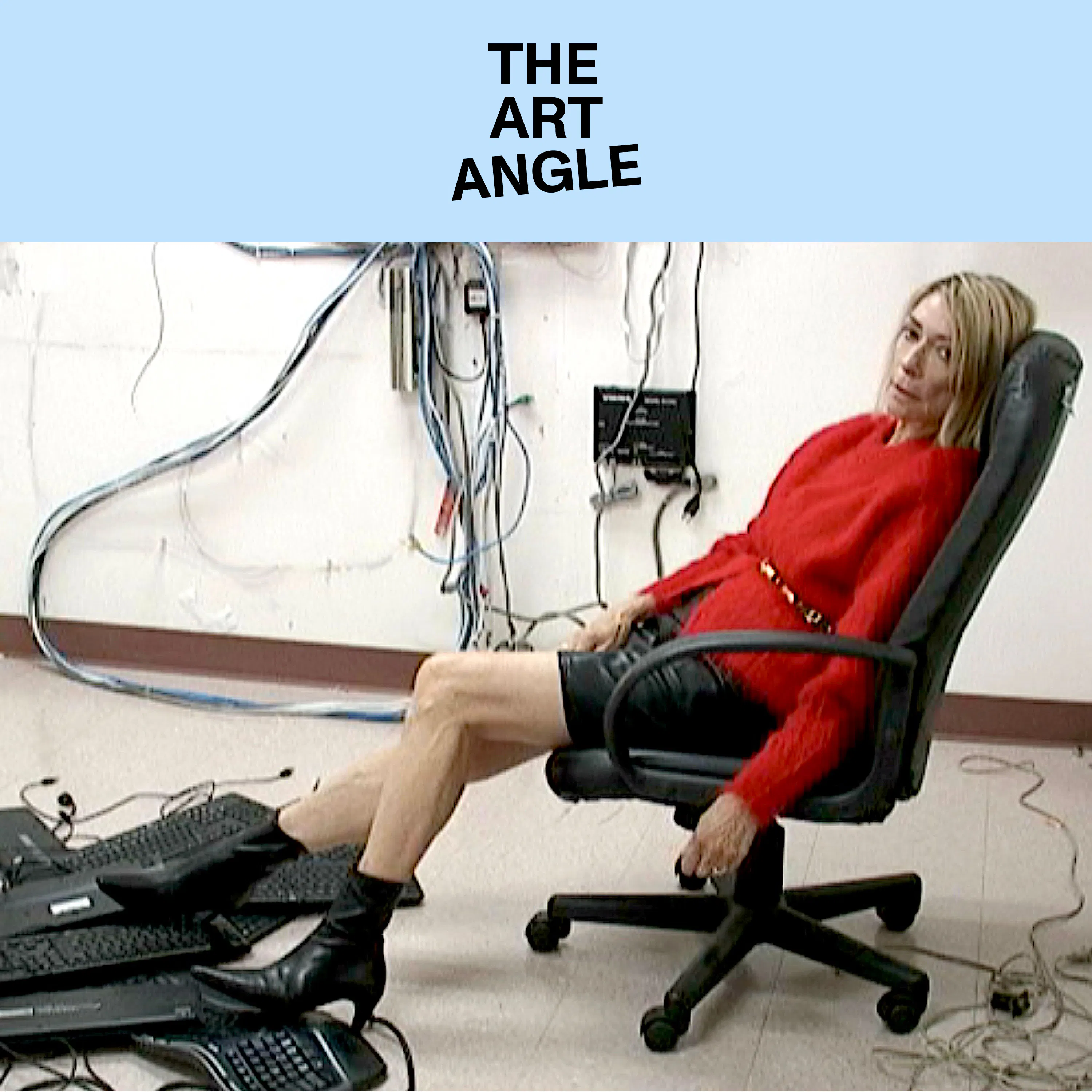
Kim Gordon Was Always an Artist First [not-audio_url] [/not-audio_url]

Duration: 35:39
Kim Gordon—artist, musician, writer, and co-founder of the iconic rock band Sonic Youth—is one of the most restlessly creative figures in American culture. Over the past four decades moved between mediums with an ease th…
The Young Painter Curators Are Rushing to Work With [not-audio_url] [/not-audio_url]

Duration: 40:08
The Whitney Biennial is here. That would be the Whitney Museum’s big curated show which every two years brings together dozens of artists, always closely watched by critics and public as a statement about what is importa…
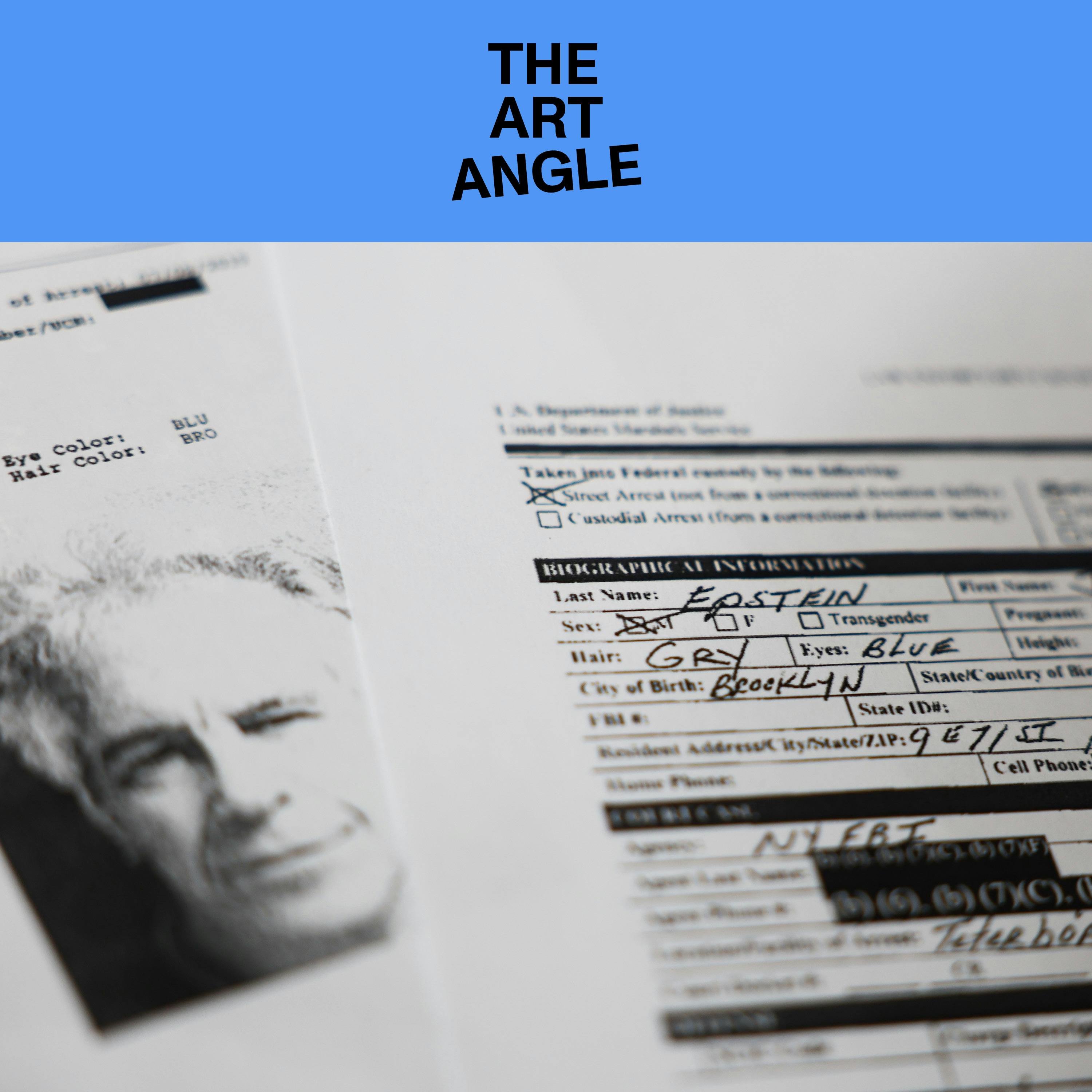
What Epstein's Emails Tell Us About the Art Market [not-audio_url] [/not-audio_url]

Duration: 42:25
There are many ways to read the vast trove of documents tied to the convicted sex offender and financier Jeffrey Epstein, who died by suicide in prison in 2019. The Epstein files offer a window into the rarefied, power-b…
An Artist's Guide to Psychedelic Mushrooms [not-audio_url] [/not-audio_url]

Duration: 29:12
There is an enduring association with creative experiment and psychedelic experiences. Recently, psychedelics have become more mainstream, explored not just for their far-out spiritual associations but as medicine, as th…
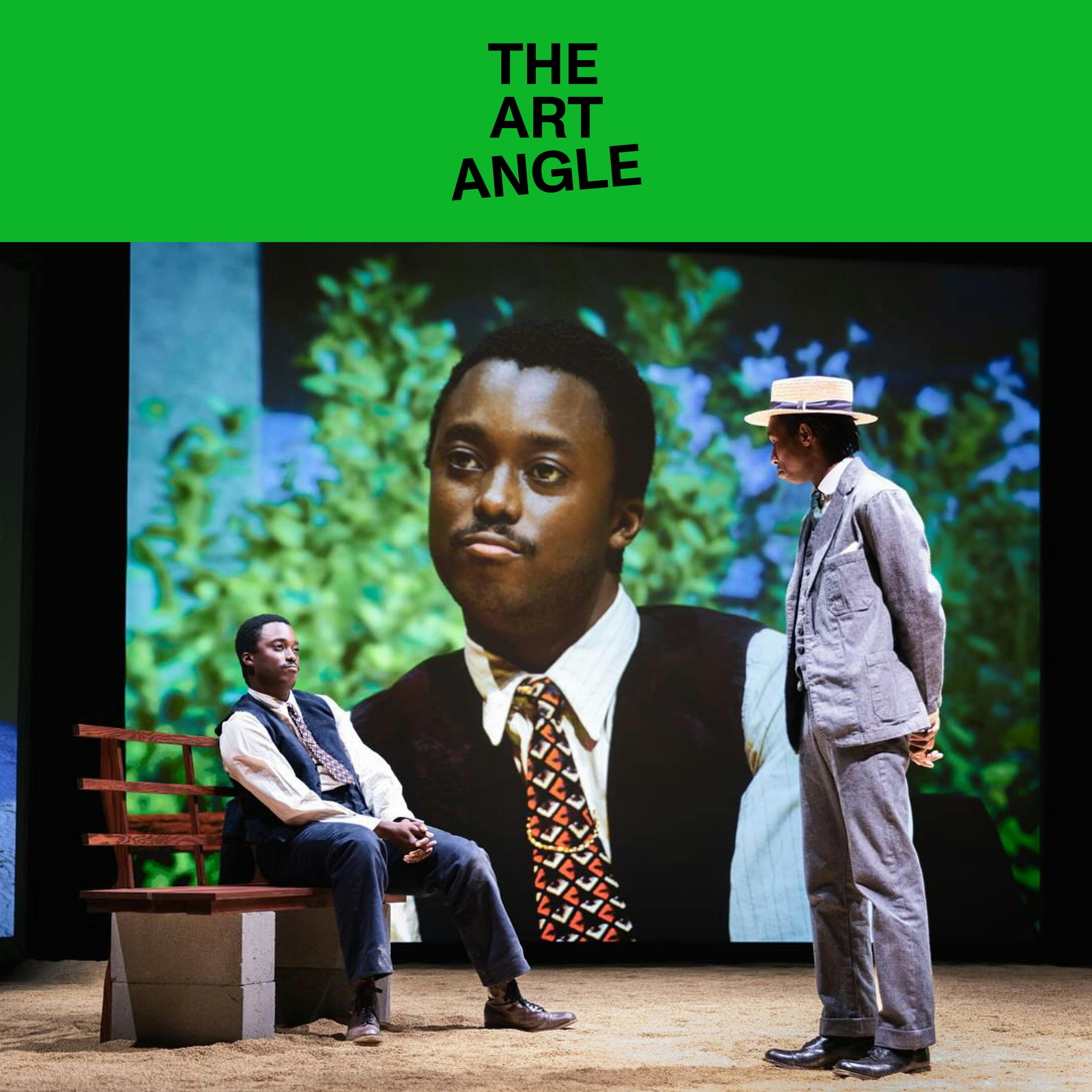
How the Debates Over Art, Race, and Tech Have Changed [not-audio_url] [/not-audio_url]

Duration: 41:46
If you had to pick two conversations that defined the last 10 years in art, one would certainly be about digital culture and online life. The other would be about race, racism, and representation. The critic and artist A…
How the 21st Century Broke Culture [not-audio_url] [/not-audio_url]

Duration: 38:46
The first quarter of the 21st century is now behind us. Yet a pervasive sense of cultural stagnation persists: many observers and participants feel that creativity across the arts, media, and popular culture has slowed,…
Can Brainrot Be Art? Beeple Thinks So [not-audio_url] [/not-audio_url]

Duration: 44:09
In art right now, it's hard to avoid talking about Beeple. That, of course, is the alias of Charleston-based Mike Winkelmann, known to millions of followers for digital images that he makes and posts daily. These works g…
Where Art Insiders Are Placing Their Bets in 2026 [not-audio_url] [/not-audio_url]

Duration: 43:28
At the top of 2025, the outlook for the art industry was pretty bleak, and art insiders' worst fears were, in some cases, more than realized. By now, if you're paying any attention to the movements in the art market you…