Pete Nordstrom on the Enduring Power of Retail’s ‘Best Mousetrap’

Pete Nordstrom on the Enduring Power of Retail’s ‘Best Mousetrap’

Author: The Business of Fashion March 6, 2026 Duration: 53:23

This year marks the 125th anniversary of Nordstrom — a company that began as a small shoe store in Seattle founded by a Swedish immigrant and has grown into a $16 billion retail juggernaut.


At a moment when the American department store sector is under enormous pressure — with bankruptcies, consolidation and changing consumer behaviour reshaping the landscape — Nordstrom has taken a different path.


Last year, the Nordstrom family partnered with Mexican retailer Liverpool to take the company private, a move Pete Nordstrom says allows the business to move faster and focus on the long term.


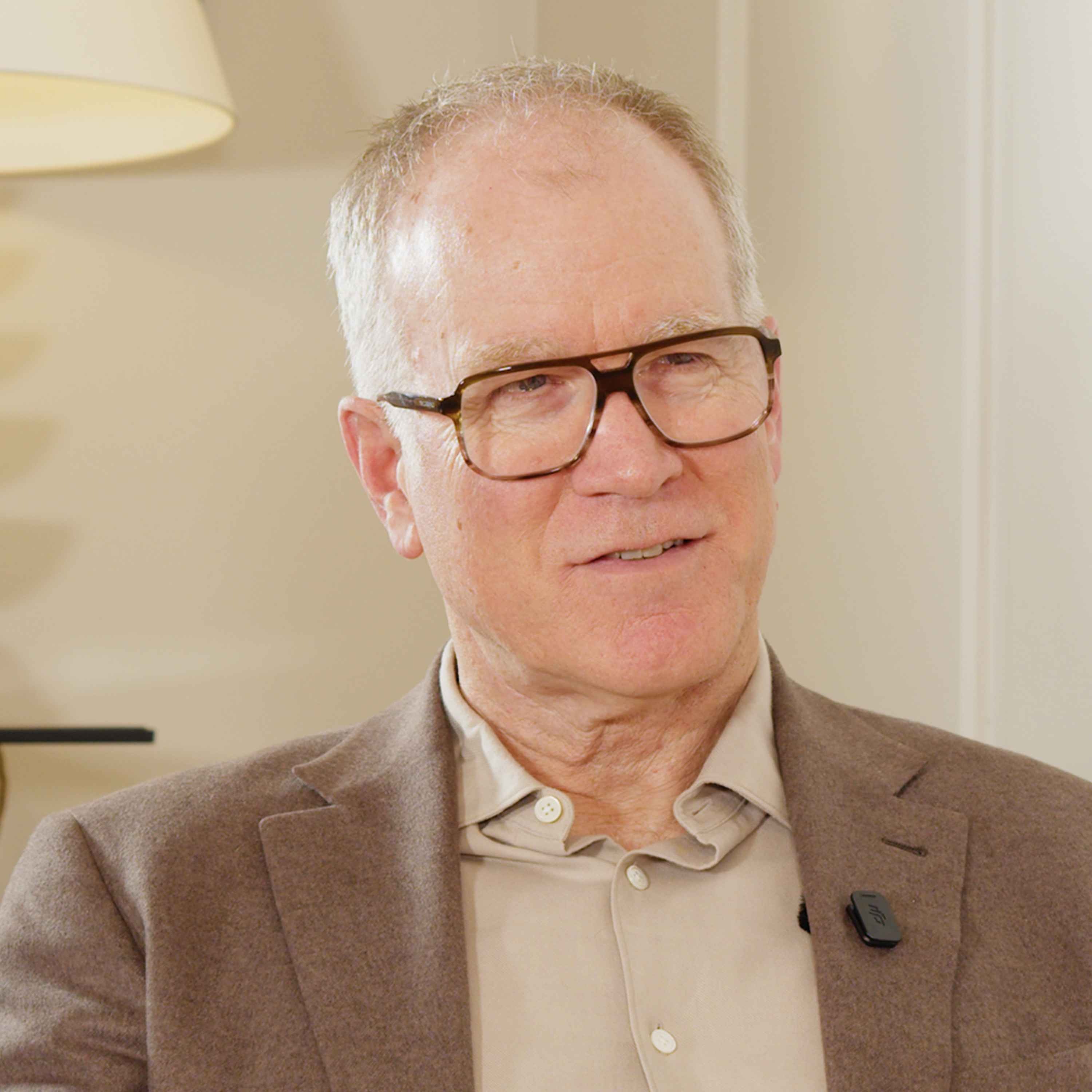
Pete began working in the Nordstrom stockroom at age 12 and has held roles across merchandising, buying and store management before becoming co-president alongside his brother Erik. Pete remains sanguine about Nordstrom and the future of department stores:


“It's the best mousetrap. We've got the ability to have a curated breadth of offer. We have an online ecosystem that's integrated with the store, an off-price division with a practical exhaust for things that we don't sell at full price, and then there's scale. If you're big enough, you can be the first call for those brands,” he says. “We can create enough scale and leverage to make your digital business profitable. That's how I would pitch our thing: we think we offer a good solution for a modern customer and how they shop.”


This week on The BoF Podcast, Pete Nordstrom joins BoF founder Imran Amed to discuss the company’s 125-year history, why he believes the department store model still works and how taking the company private is shaping Nordstrom’s next chapter.


Key Insights: 


  • Nordstrom describes the business as “a company with heritage” rather than a “heritage company,” prioritising modern relevance over tradition. The move from shoes into apparel in the 1960s and the national expansion in the 1970s established a blueprint for organic growth, always anchored in service and a focus on the customer.


  • Taking the company private was a move to secure long-term stability and efficient decision-making. Nordstrom notes that public markets often undervalue department stores due to the sector's lack of a “growth arc” compared to tech-driven industries. By partnering with Liverpool, the family retains 51 percent control, allowing them to lead without the “cumbersome processes” of public market expectations. He maintains that the business is improving not because of the “trappings” of being private, but because the structure allows the team to “lean in with more energy and focus around customers”.


  • Despite the negative narrative surrounding American retail, Nordstrom highlights the necessity of an integrated “Omni view,” where physical stores and digital platforms share a single inventory. Curation remains vital to compete with independent boutiques, balancing relevance with inspiration, or the discovery of new brands. “We have the ability to have a curated breadth of offer,” he says, adding that the most successful modern closets mix high-fashion houses like Chanel with performance brands like On Running and Nike.


  • Nordstrom emphasises that successful retail leadership is built on a foundation of tangible, varied experiences rather than academic credentials alone, arguing  that there is no shortcut to developing the necessary judgment for the industry. “You’re valuable to a company because you’ve done things that have worked and things that haven’t worked,” he notes, advising the next generation to focus on building a broad professional perspective over immediate gratification.


Additional Resources:


Hosted on Acast. See acast.com/privacy for more information.

Behind the runway shows and seasonal collections lies a vast, intricate industry where creativity meets commerce. The Business of Fashion Podcast pulls back the curtain on this world, offering candid conversations that go far beyond surface-level trends. Each episode connects you directly with the minds shaping what we wear and why-designers grappling with production challenges, CEOs navigating global markets, and innovators rethinking sustainability and technology. These are not just interviews, but substantive discussions that unpack the real decisions, pressures, and breakthroughs happening at the intersection of art and enterprise. You’ll hear analysis on shifting consumer behaviors, the economics behind brand strategies, and personal stories from leaders who have built iconic labels or are launching disruptive new ventures. It’s the audio companion to the publication’s deeply reported journalism, providing context and clarity on the forces driving fashion forward. For anyone curious about the craft, the culture, and the calculated risks that define modern style, this podcast serves as an essential, engaging guide. Tune in for perspectives that are as insightful as they are accessible, whether you’re building a career in the industry or simply want to understand the business behind the beauty.
Author: Language: English Episodes: 100

The Business of Fashion Podcast
Podcast Episodes
The Designers and Brands That Defined the Season [not-audio_url] [/not-audio_url]

Duration: 54:24
After a season shaped less by shock debuts and more by second and third chapters, Tim Blanks and Imran Amed take stock of the fashion month that was. “This season was kind of one note for me,” says Blanks. “It reminded m…
How Oil Shock Fears Are Rippling Through Fashion [not-audio_url] [/not-audio_url]

Duration: 25:02
As conflict between the US, Israel and Iran escalates, the threat to shipping through the Strait of Hormuz has pushed energy prices sharply higher. That matters to fashion far beyond the pump: oil and natural gas helps p…
How Fashion Picks Its Hip Hop Style Icons [not-audio_url] [/not-audio_url]

Duration: 22:06
Hip-hop has served as a primary pipeline for fashion’s entry into pop culture for decades, transitioning from organic street-level references to high-stakes global partnerships. Brands have historically leaned on a selec…
Andrew Mukamal and the Rise of Method Dressing [not-audio_url] [/not-audio_url]

Duration: 1:05:57
Over the past two years, press tours for films like Barbie and Wuthering Heights have become strategic fashion narratives — moments that extend a film’s story far beyond the screen.At the centre of that shift is Andrew M…
Tariffs Are Down, But Uncertainty Is Back [not-audio_url] [/not-audio_url]

Duration: 18:43
Nearly a year after President Donald Trump’s “Liberation Day” tariffs sent shockwaves through the fashion industry, the Supreme Court ruled he did not have authority to impose the sweeping levies. For an industry that im…
London’s Premier Party Photographer on the Art of Working a Room [not-audio_url] [/not-audio_url]

Duration: 55:47
If you’ve been to a major party in London, Paris or Los Angeles, chances are that Dave Benett was there too. For nearly four decades, Benett has been a constant presence, documenting the evolution of celebrity, society a…
How Dior and Chanel Are Winning Back Aspirational Shoppers [not-audio_url] [/not-audio_url]

Duration: 19:44
After raising prices aggressively during the post-pandemic boom, luxury brands are now confronting slower growth and a shrinking aspirational customer base. According to Bernstein, average luxury price hikes reached 36 p…
How Fashion Brands Are Winning the Winter Olympics [not-audio_url] [/not-audio_url]

Duration: 23:50
While the Olympics remain one of the world’s biggest sporting stages, they are also one of the most tightly controlled marketing environments. Rules limit how sponsors can interact with athletes and advertise during the…