How Oil Shock Fears Are Rippling Through Fashion

How Oil Shock Fears Are Rippling Through Fashion

Author: The Business of Fashion March 14, 2026 Duration: 25:02

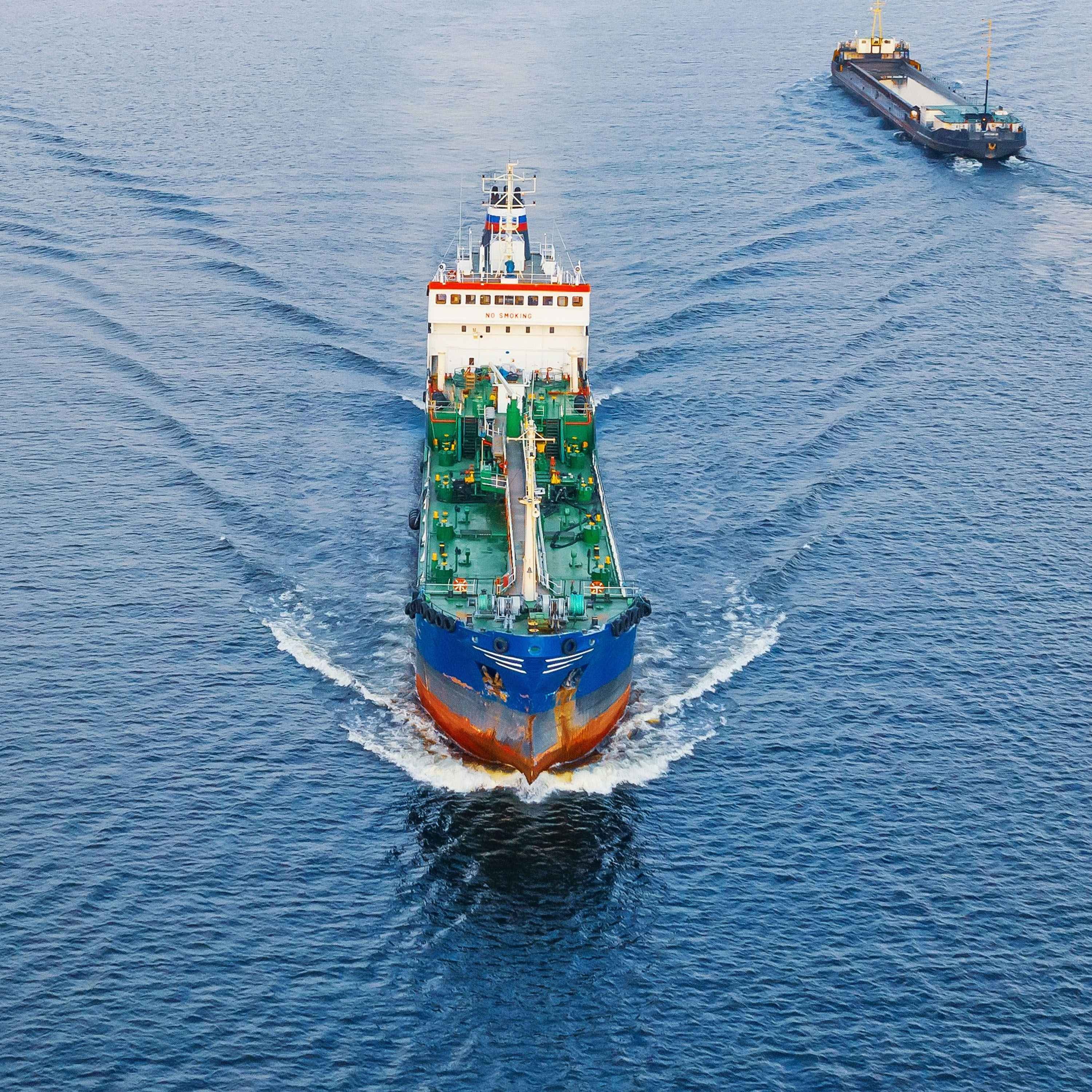
As conflict between the US, Israel and Iran escalates, the threat to shipping through the Strait of Hormuz has pushed energy prices sharply higher. That matters to fashion far beyond the pump: oil and natural gas helps power factories, move goods and produce synthetic fabrics used across the industry. 


Shayeza Walid and Cathaleen Chen join hosts Sheena Butler-Young and Brian Baskin to explain how the immediate pressure of spiraling oil prices is showing up differently across the supply chain and in consumer markets, and why even a short-lived shock can deepen existing strains on manufacturers, retailers and shoppers.


Key Insights:


  • The closure of the Strait of Hormuz has immediate and severe consequences for Asian manufacturing hubs, which rely on the Gulf for approximately 60 per cent of their crude oil. Walid notes that for many producers, “it’s a supply issue and a logistics issue before it’s a cost issue right now.” She continues: “Every single person is dealing with the fact that oil and gas supplies are not coming through to their countries.” In that sense, the first pressure point is not simply higher prices, but whether manufacturers can secure the energy needed to keep production moving at all. Beyond the physical scarcity of fuel, the lack of insurance for shipping companies has created a logistical bottleneck that prevents essential energy supplies from reaching factories in China, India, and Bangladesh. 


  • As polyester and other man-made fibres are intrinsically tied to oil, manufacturers focused on synthetics are feeling the pressure quickly. Walid says the impact is already visible in India and China, where producers are seeing both reduced supply and rising prices. “Man-made fibre prices were already going up,” she says. In some Indian manufacturing clusters, she adds, “those areas could very well be crippled if the crisis continues because they only use that type of fabric.”


  • Chen argues that the more immediate consumer effect is not necessarily higher apparel prices, but weaker confidence. She points out that many retailers are still working through existing inventory, so any inflationary effect on clothing would likely come later. “The more immediate effect on the consumer economy is simply psychological,” she says. Even before prices move materially, “consumer anxiety around inflation, even if inflation isn’t here yet, that’s going to affect how much they’re willing, how much they’re happy to spend on things like a pair of jeans.”


  • Both reporters suggest fashion is more used to volatility than it was before the pandemic, but this kind of disruption still reveals how exposed supply chains remain. Chen says many companies have become “very nimble in the situation of crisis”, while Walid points to the need for more durable supplier relationships and stronger local support. “It’s increasingly important to consider local dynamics for their suppliers and where their clothes are being manufactured,” she says.


Additional Resources:


Hosted on Acast. See acast.com/privacy for more information.

Every week, The Debrief takes the most talked-about articles from BoF Professional and turns them into a deeper conversation. This isn't just about runway shows and red carpets; it's about the money, strategy, and often surprising forces driving the decisions we see. Hosted by seasoned BoF correspondents Sheena Butler-Young and Brian Baskin, the discussions pull back the curtain on a $2.5 trillion global industry, moving from the boardrooms of mega labels to the creative hustle of indie upstarts. You'll hear analysis of the pivotal deals, the disruptive technologies, and the powerful personalities that are constantly redefining what fashion means. The result is a clear-eyed look at the complex ecosystem where art, beauty, and commerce intersect. Tune in to this weekly podcast from The Business of Fashion for a nuanced perspective that goes far beyond the headlines, offering context and clarity on how the business actually works.
Author: Language: English Episodes: 100

The Debrief
Podcast Episodes
Fashion Tech Boom 2.0 [not-audio_url] [/not-audio_url]

Duration: 27:56
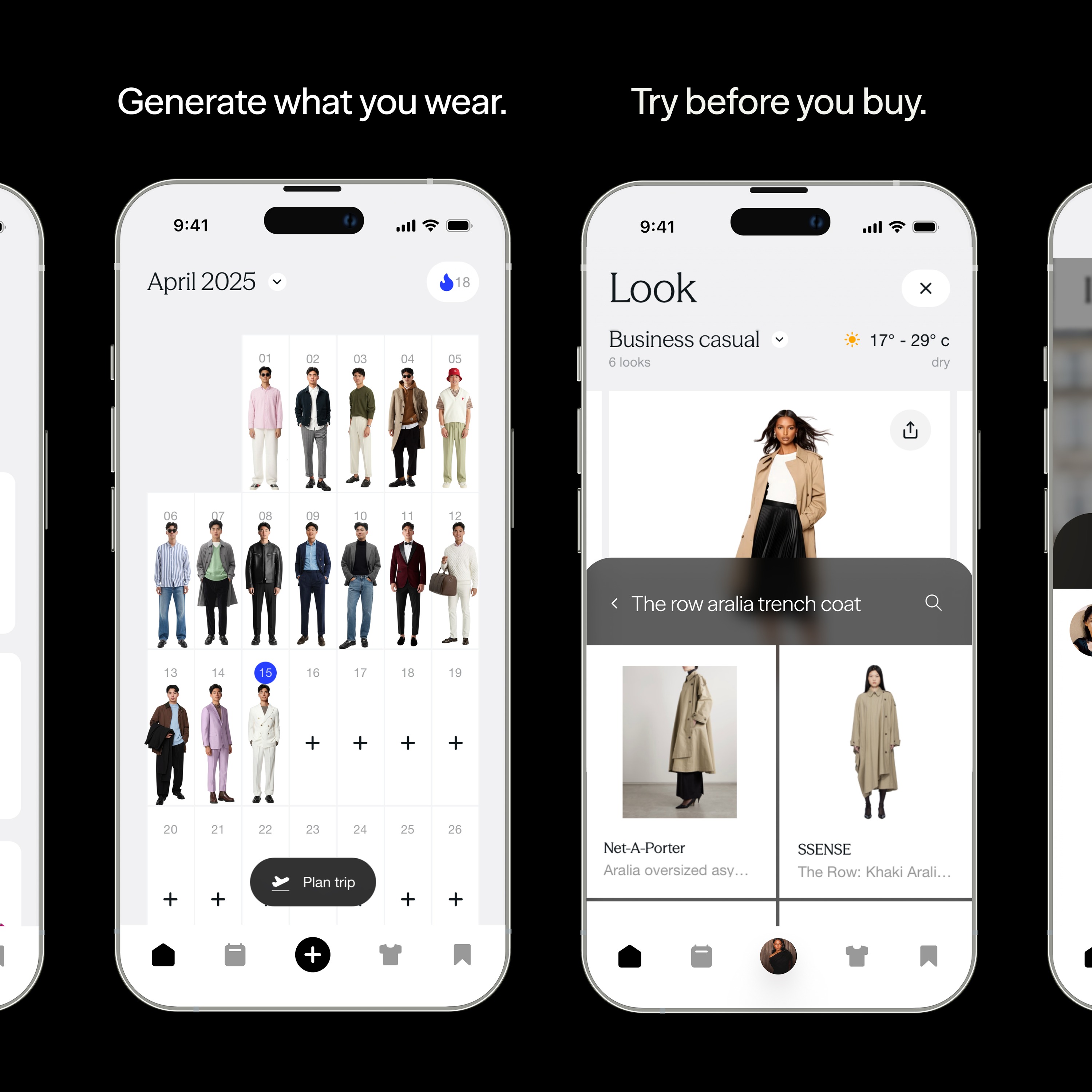
After years of disillusionment with fashion tech, investors are once again excited about its potential, but with a very different mindset to the hype-fuelled boom of the last decade.From AI-powered personal styling apps…
The Jewellery Boom, Explained [not-audio_url] [/not-audio_url]

Duration: 23:22
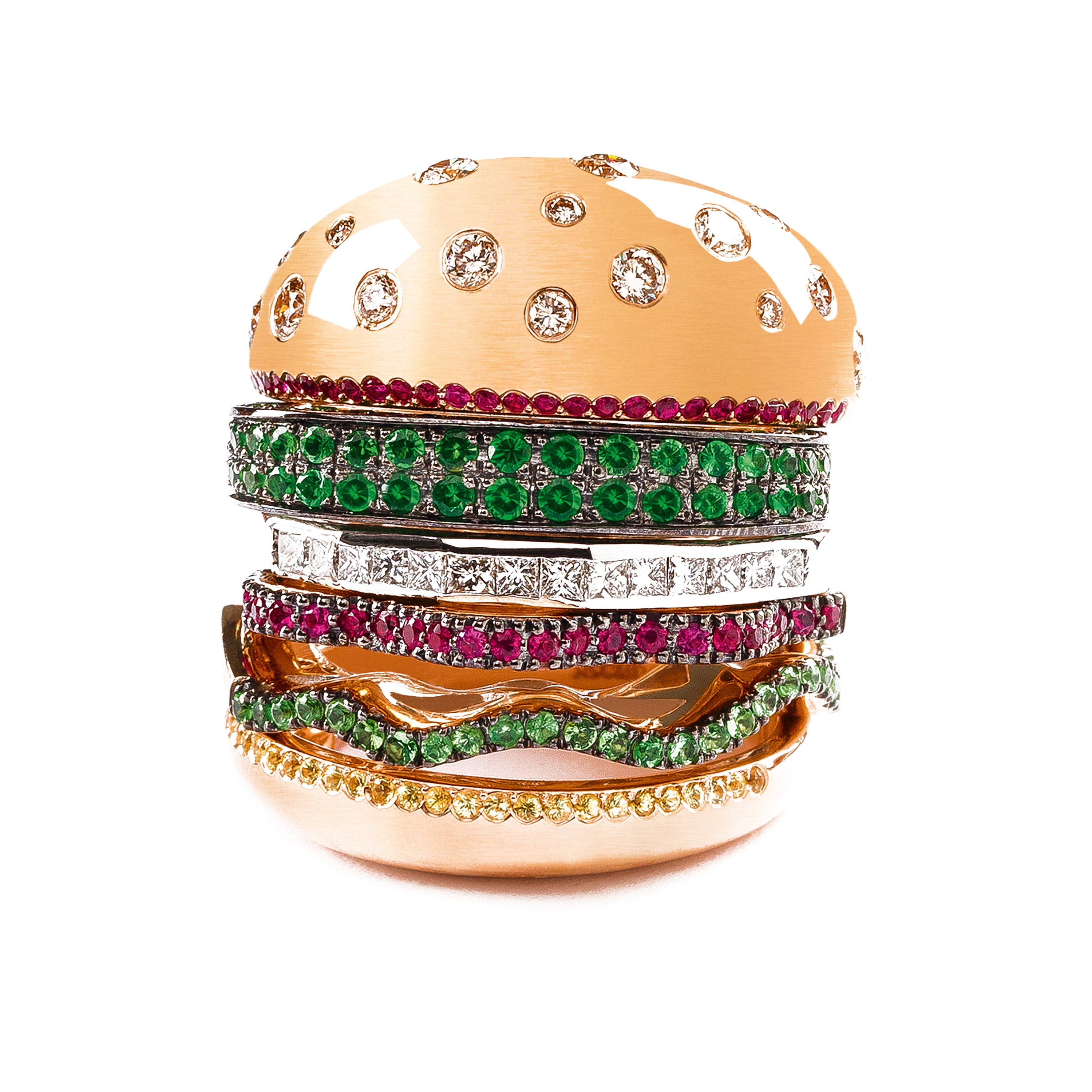
As major luxury brands struggle to maintain momentum amid an industry-wide slowdown, one category is bucking the trend: jewellery. While demand for handbags and apparel softens, fine jewellery sales continue to rise, dri…
When Fashion Lost Its Voice [not-audio_url] [/not-audio_url]

Duration: 23:38
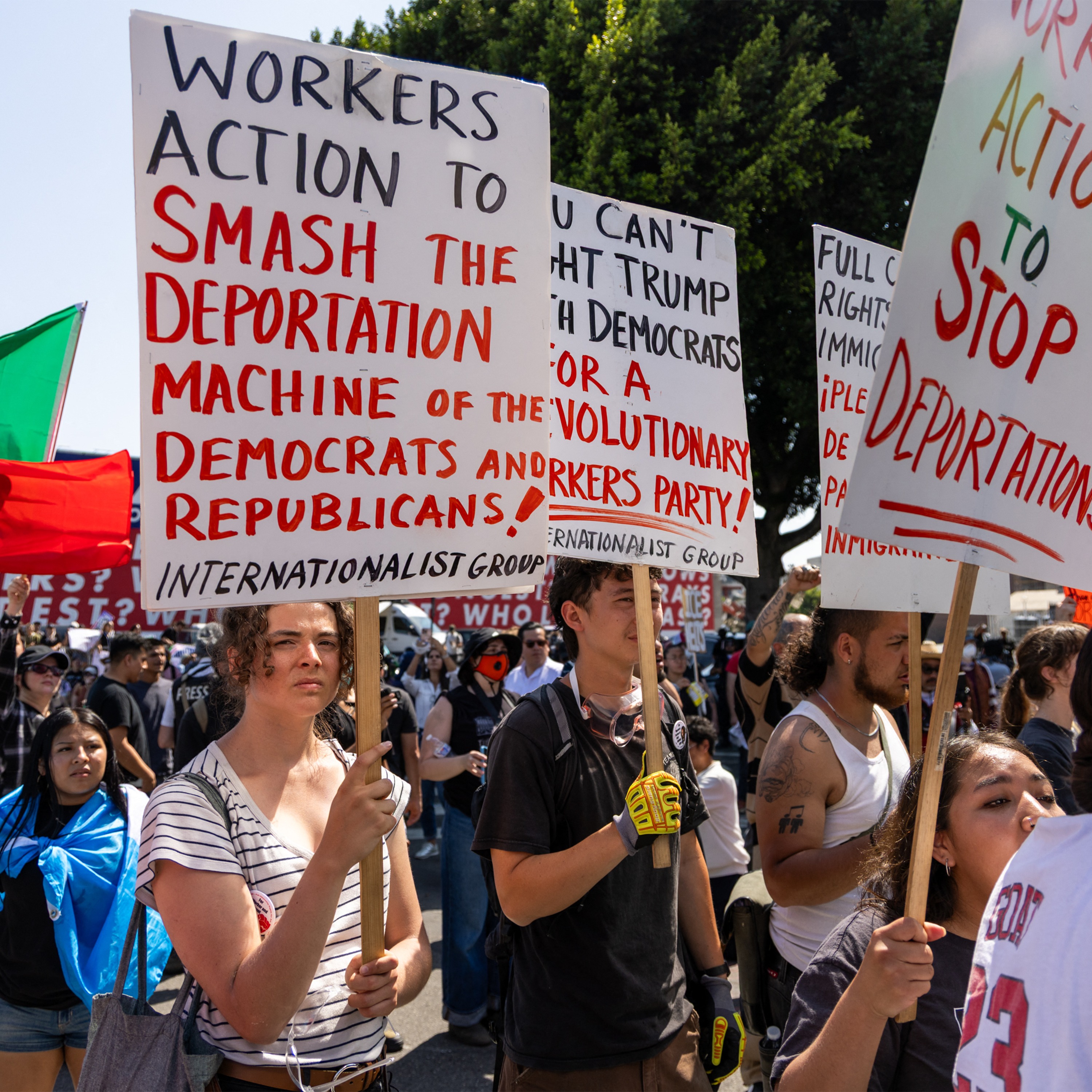
Earlier this month, cities across the US saw the most significant wave of demonstrations since the 2020 protests following George Floyd's murder. These latest protests have been sparked by immigration raids conducted by…
Is Nike Finally Winning With Women? [not-audio_url] [/not-audio_url]

Duration: 22:19
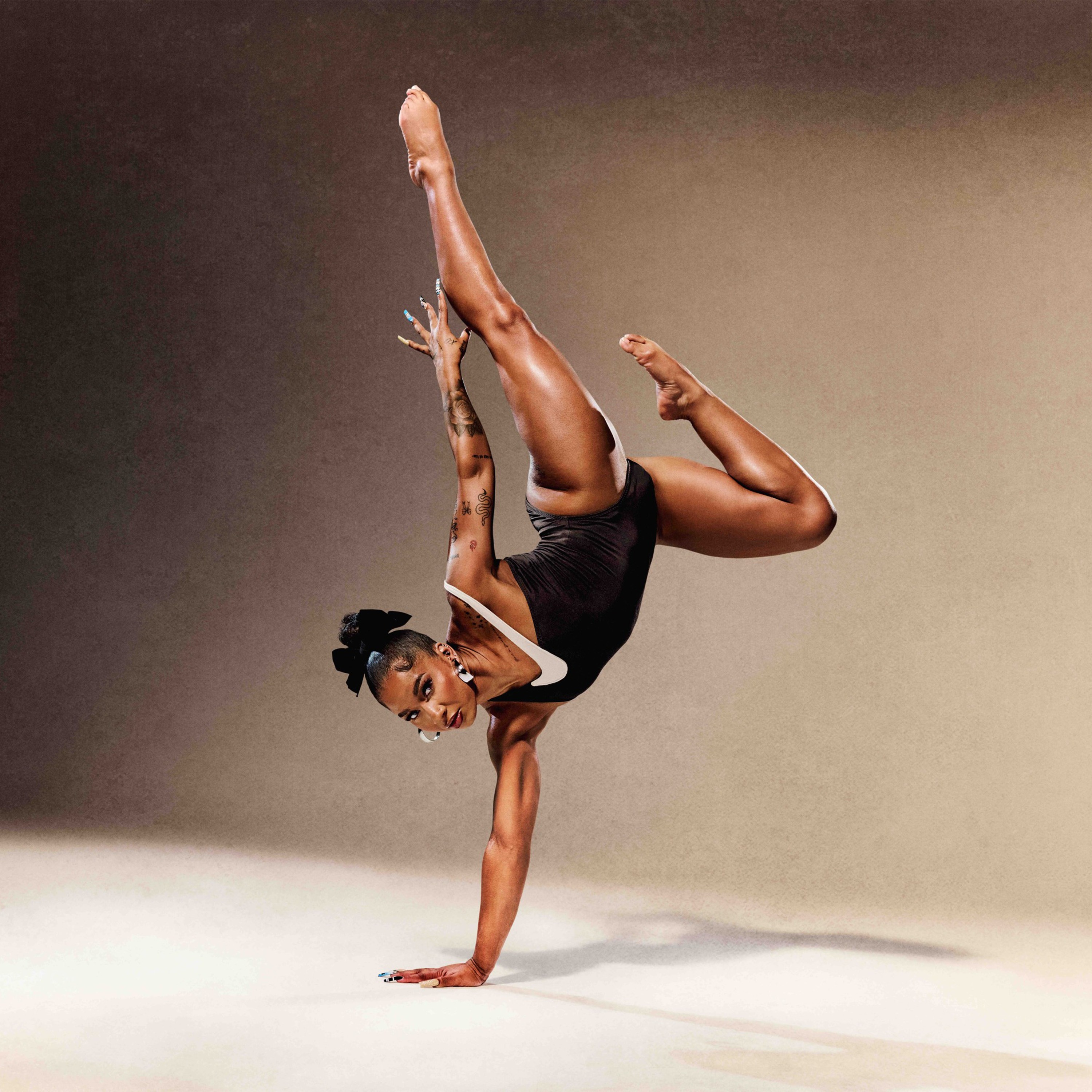
Nike has been synonymous with sports for decades, but that cultural and commercial cachet has mostly been driven by male athletes like Michael Jordan and Tiger Woods (Serena Williams being a prominent exception). As a re…
Why Hailey Bieber Won the Celebrity Beauty Lottery [not-audio_url] [/not-audio_url]

Duration: 20:54
Bieber, a celebrity and influential beauty figure with a strong Gen-Z following, launched Rhode just three years ago, quickly distinguishing the brand with minimalist product offerings closely tied to Bieber's personal a…
Beauty Is in Its Flop Era [not-audio_url] [/not-audio_url]

Duration: 22:11
The beauty sector historically thrived during economic downturns, earning a recession-proof reputation encapsulated in the “lipstick index.” However, recent earnings from major beauty conglomerates like Estée Lauder, L'O…
How Fashion Brands Build Community in 2025 [not-audio_url] [/not-audio_url]

Duration: 22:49
As inflation bites and politics polarise, the fashion industry in 2025 is facing unprecedented pressure to hold onto its customers. Brands are looking to community as a deeper and more emotional form of engagement. But b…
Bonus: The Trade War’s Off, For Now. What's Next for Fashion? [not-audio_url] [/not-audio_url]

Duration: 28:36
On May 12, the US and China reached a deal to temporarily reduce tariffs for 90 days, offering a breather from an escalating trade war. Stocks surged on the news, but experts warn this relief might not fully resolve deep…
TikTok, Tariffs and Luxury's Fake News Problem [not-audio_url] [/not-audio_url]

Duration: 19:57
A strange new genre of TikTok videos is challenging long-held assumptions about how luxury products are made. Often shot in anonymous Chinese factories, these videos claim that the so-called "superfakes" flooding the mar…
Celebrating Black Style Inside the 2025 Met Gala [not-audio_url] [/not-audio_url]

Duration: 30:07
The Costume Institute's 2025 exhibition, "Superfine: Tailoring Black Style," celebrated its opening at the annual Met Gala, marking the first menswear-focused exhibit in two decades and the first ever centred exclusively…