The New Rules for Influencer Marketing

The New Rules for Influencer Marketing

Author: The Business of Fashion February 4, 2026 Duration: 24:49

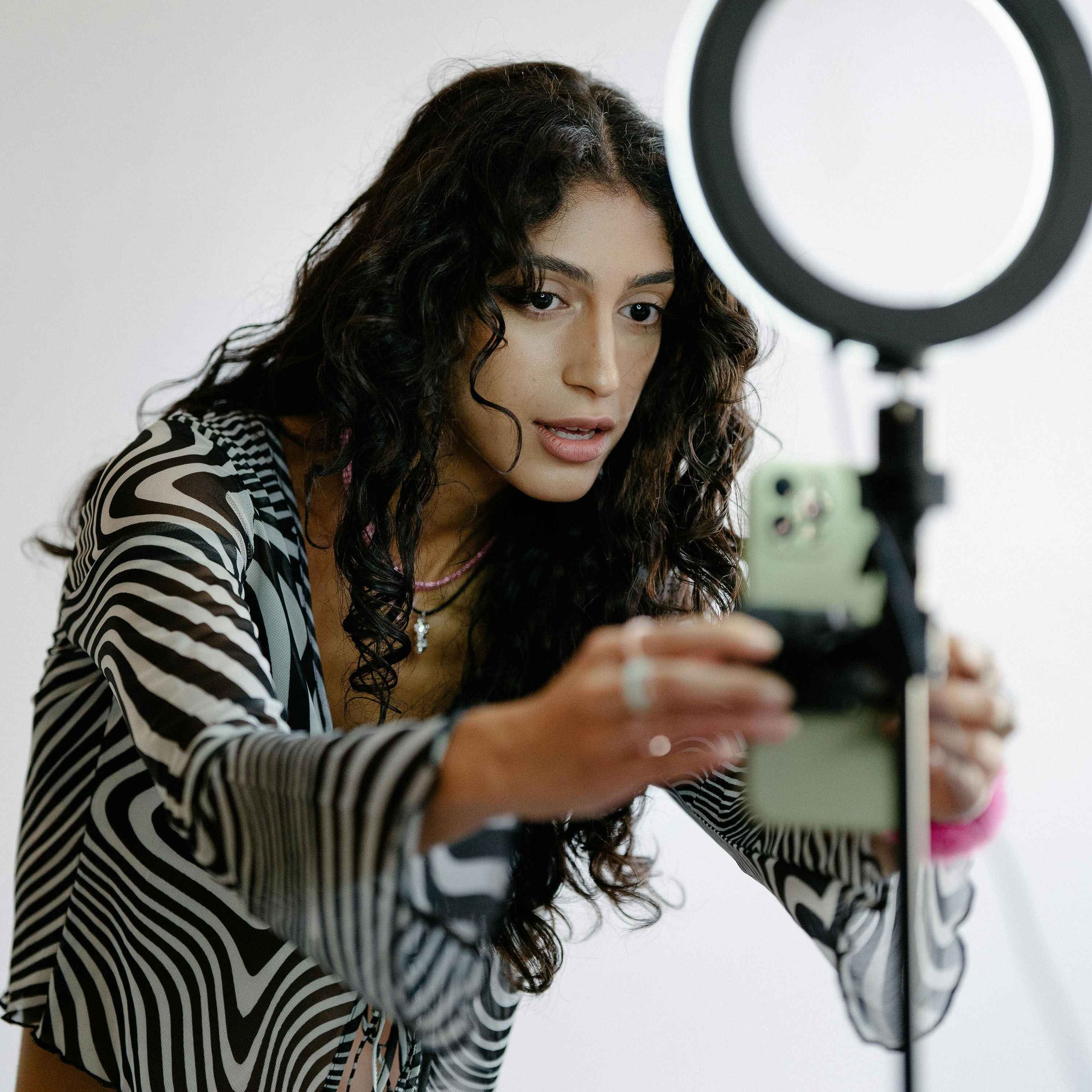
Influencer marketing in 2026 is a different beast. Once dominated by follower counts and splashy sponsored posts, the sector is now shaped by richer performance data, new monetisation models and growing consumer scepticism toward overt selling. 


As BoF publishes a new case study on the creator economy, Pearl joins hosts Sheena Butler-Young and Brian Baskin to unpack how creators and brands are adapting to a more disciplined, competitive and AI-saturated landscape.


Key Insights:


  • One of the most profound shifts in influencer marketing is how success is measured. Where follower size once acted as a blunt proxy for reach, brands now have access to granular data that shows who actually drives traffic and sales. Pointing to platforms like ShopMy and LTK that allow brands to see “exactly what creators were driving sales for them,” Pearl says that visibility has reshaped spending decisions. She explains: “Having more data has totally changed the game. It really is incredibly varied today and there is no one baseline KPI. It’s really just about what are your goals and who’s the best to help you achieve that.”


  • As consumers grow wary of constant selling, trust has emerged as the defining asset creators bring to brands. “Trust is the most important thing,” Pearl says. “If you don’t have your audience’s trust, nothing else matters.” What brands are really buying is not visibility, but a relationship. “What a creator really brings to the table is not necessarily the size of their following; it’s that relationship they have with their audience,” Pearl explains.


  • As the sector professionalises, creators are actively reducing their dependence on single revenue streams. Affiliate marketing, subscriptions and owned platforms are increasingly central to sustainable creator businesses. “Affiliate marketing really provides that base foundational income that you can rely upon,” Pearl says. Substack, meanwhile, offers something brands cannot. She explains: “It brings back some of that intimacy and community that they felt was missing in this TikTok/Instagram world.” This diversification also changes the power balance. “They don’t want to rely too much on one particular partnership,” Pearl says. The upshot is a creator economy that is less fragile – and less easily dictated by brand budgets.


  • Pearl argues the relationship between brands and creators is moving from transactional campaigns to longer-term collaboration. As creators become central to marketing in fashion and beauty, brands are changing how they work with them – and what they ask them to do. Brands can no longer dictate terms “like they used to,” Pearl says, because creators are now “recognised as being a really important part of the marketing puzzle.” That recognition is also changing what brands value: “You’re not just hiring this person for their following… you hire them because they’re a creator. They create great content. They know how to engage an audience.”


Additional Resources:


Hosted on Acast. See acast.com/privacy for more information.


Every week, The Debrief takes the most talked-about articles from BoF Professional and turns them into a deeper conversation. This isn't just about runway shows and red carpets; it's about the money, strategy, and often surprising forces driving the decisions we see. Hosted by seasoned BoF correspondents Sheena Butler-Young and Brian Baskin, the discussions pull back the curtain on a $2.5 trillion global industry, moving from the boardrooms of mega labels to the creative hustle of indie upstarts. You'll hear analysis of the pivotal deals, the disruptive technologies, and the powerful personalities that are constantly redefining what fashion means. The result is a clear-eyed look at the complex ecosystem where art, beauty, and commerce intersect. Tune in to this weekly podcast from The Business of Fashion for a nuanced perspective that goes far beyond the headlines, offering context and clarity on how the business actually works.
Author: Language: English Episodes: 100

The Debrief
Podcast Episodes
How Oil Shock Fears Are Rippling Through Fashion [not-audio_url] [/not-audio_url]

Duration: 25:02
As conflict between the US, Israel and Iran escalates, the threat to shipping through the Strait of Hormuz has pushed energy prices sharply higher. That matters to fashion far beyond the pump: oil and natural gas helps p…
How Fashion Picks Its Hip Hop Style Icons [not-audio_url] [/not-audio_url]

Duration: 22:06
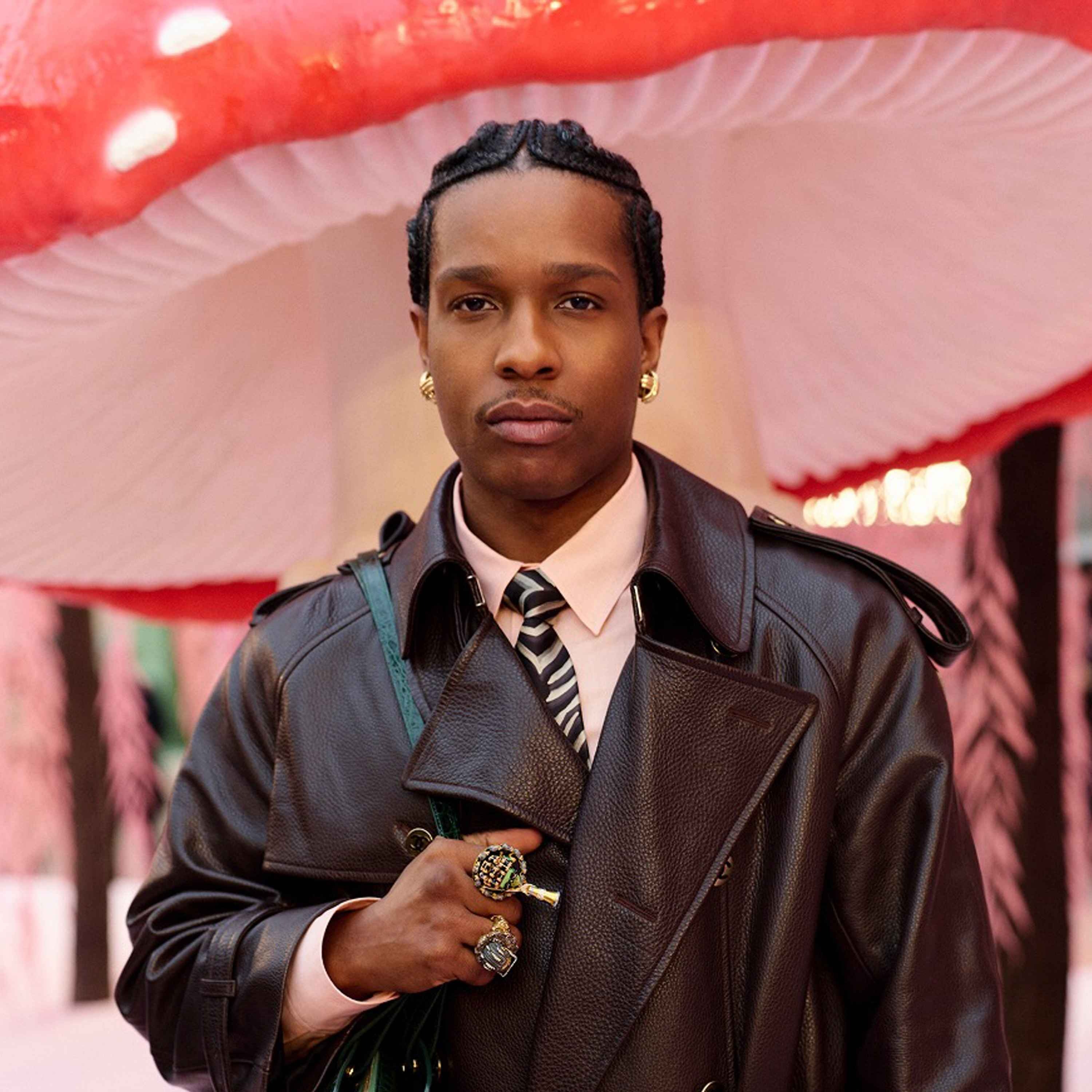
Hip-hop has served as a primary pipeline for fashion’s entry into pop culture for decades, transitioning from organic street-level references to high-stakes global partnerships. Brands have historically leaned on a selec…
Tariffs Are Down, But Uncertainty Is Back [not-audio_url] [/not-audio_url]

Duration: 18:43
Nearly a year after President Donald Trump’s “Liberation Day” tariffs sent shockwaves through the fashion industry, the Supreme Court ruled he did not have authority to impose the sweeping levies. For an industry that im…
How Dior and Chanel Are Winning Back Aspirational Shoppers [not-audio_url] [/not-audio_url]

Duration: 19:44
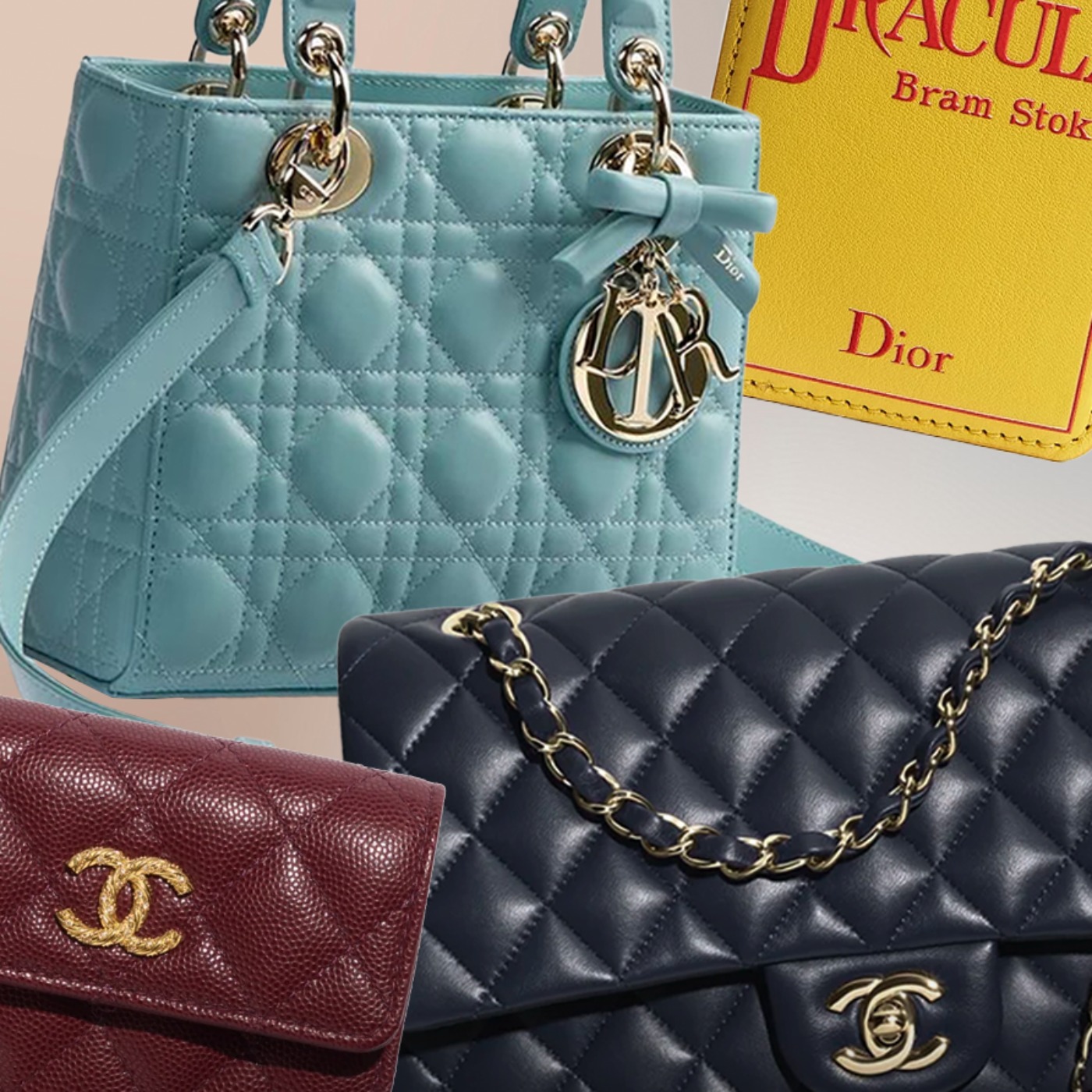
After raising prices aggressively during the post-pandemic boom, luxury brands are now confronting slower growth and a shrinking aspirational customer base. According to Bernstein, average luxury price hikes reached 36 p…
How Fashion Brands Are Winning the Winter Olympics [not-audio_url] [/not-audio_url]

Duration: 23:50
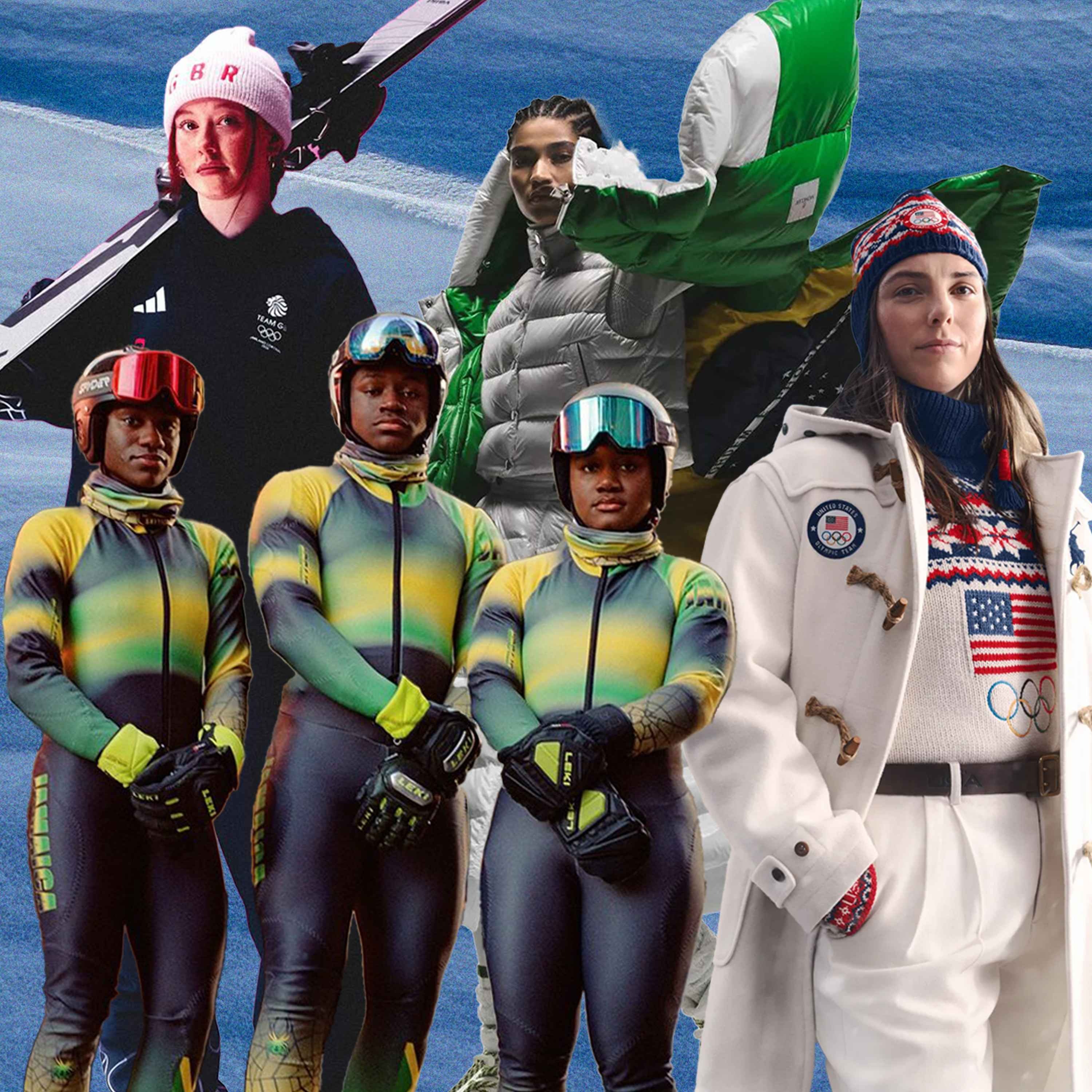
While the Olympics remain one of the world’s biggest sporting stages, they are also one of the most tightly controlled marketing environments. Rules limit how sponsors can interact with athletes and advertise during the…
Making Sense of Fashion’s Brutal Job Market [not-audio_url] [/not-audio_url]

Duration: 22:44
Across fashion, companies that once embraced remote or hybrid work are increasingly pushing employees back into the office, with some moving towards four or even five days a week. At the same time, competition for jobs,…
Have Sneakers Lost Their Cool? [not-audio_url] [/not-audio_url]

Duration: 24:09
Sneakers have driven growth for the sportswear industry for decades, in recent years accelerated by the pandemic and work-from-home culture. However, a recent Bank of America report sparked debate by suggesting the sneak…
Saks’ Bankruptcy and the Future of Luxury Retail [not-audio_url] [/not-audio_url]

Duration: 22:21
Saks’ bankruptcy was widely expected, yet still felt like a shock to the fashion system. The department store giant’s Chapter 11 filing outlines $1.75 billion in restructuring finance and $3.4 billion owed to as many as…
Inside Beauty’s 2026 M&A Pipeline [not-audio_url] [/not-audio_url]

Duration: 20:21
2026 opens with real movement in beauty deals. As first reported by The Business of Beauty, Estée Lauder is exploring a packaged sale of Too Faced, Smashbox and Dr. Jart to free up cash and refocus the portfolio. Who’s n…
The Themes That Will Define the 2026 Fashion Agenda [not-audio_url] [/not-audio_url]

Duration: 25:23
BoF and McKinsey’s annual State of Fashion report finds the industry entering 2026 with caution: 46 percent of executives expect conditions to worsen, citing geopolitics, macro volatility and the risk of shoppers pulling…