Why Can’t Fashion Fix Its Labour Exploitation Problem?

Why Can’t Fashion Fix Its Labour Exploitation Problem?

Author: The Business of Fashion February 25, 2025 Duration: 25:22

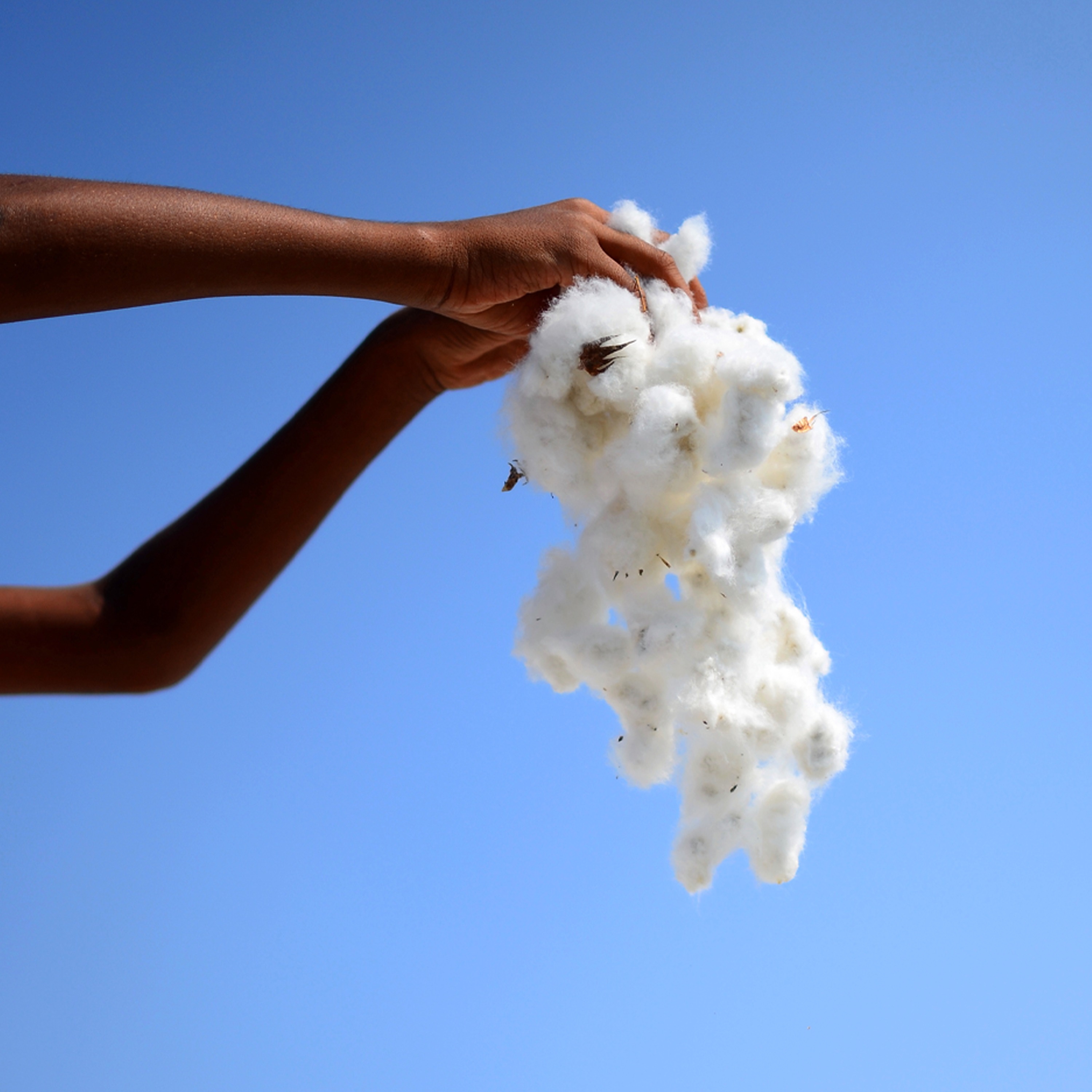
The revelation this year of child labour in India’s cotton fields and modern-day slavery in Taiwanese garment factories is the latest scandal concerning worker treatment in fashion’s supply chain. New abuses keep emerging despite efforts by brands, manufacturers, activists, and governments to set clear labour guidelines. Watchdog groups try new tactics to combat the problem, but they face systemic forces far beyond fashion.


Sustainability editor Sarah Kent joins executive editor Brian Baskin and senior correspondent Sheena Butler-Young to discuss the problematic labour dynamics underpinning the fashion system.


Key Insights: 


  • Persistent abuse in fashion’s supply chains is not merely about isolated incidents but reflects deep-rooted socio-economic challenges. In India’s cotton industry, for example, many farmworkers come from extremely marginalised and impoverished communities where exploitation is a norm rather than an exception. Families often work together under hazardous conditions, with little oversight or recourse. “So you're not just dealing with an issue of exploitation that is coming from the [fashion] industry, you're dealing with a culture that is ingrained in the way that community works – and that is a very difficult, complicated thing to try and manage, ” explains Kent. 


  • Transparency in supply chains remains critical. Despite decades of advocacy, many brands struggle to verify the origins of their cotton. The global cotton supply chain’s complexity—where materials pass through multiple suppliers and traders—makes tracing raw cotton back to its source extremely difficult. “The traders will have been getting the cotton from ginners who will have got raw cotton from … maybe hundreds of thousands of small family farms aggregated it, ginned it, sold it onto a trader who then sells it up through the supply chain. So by the time it even gets to a spinning factory, tracing it back to the farm where it came from is really, really difficult,” says Kent.


  • In Taiwan’s textile industry, systemic issues like excessive recruitment fees burden migrant workers, yet change is stalling. Despite growing awareness and repeated calls for reform, manufacturers have little incentive to alter longstanding practices without coordinated industry action and regulatory intervention. As Kent notes, “Without other brands operating in Taiwan coming together and trying to do the same thing, the industry as a whole isn't going to move.” And without regulatory shifts, manufacturers have little reason to remove recruitment fee burdens from workers.


  • Consumer trust in ethical claims is vital for brands that present themselves as responsible. However, when ethical certifications and claims are diluted by inconsistent practices and opaque supply chains, consumers quickly lose faith. This erosion of trust can undermine efforts to promote responsible consumption. “If consumers lose trust in what is meant to be a signifier of doing better, then you risk people not caring at all,” Kent warns. “No one's going to pay more for a product that promises to be more responsible and more ethical when it's when they don't believe that it is.”


Additional Resources:


Hosted on Acast. See acast.com/privacy for more information.


Every week, The Debrief takes the most talked-about articles from BoF Professional and turns them into a deeper conversation. This isn't just about runway shows and red carpets; it's about the money, strategy, and often surprising forces driving the decisions we see. Hosted by seasoned BoF correspondents Sheena Butler-Young and Brian Baskin, the discussions pull back the curtain on a $2.5 trillion global industry, moving from the boardrooms of mega labels to the creative hustle of indie upstarts. You'll hear analysis of the pivotal deals, the disruptive technologies, and the powerful personalities that are constantly redefining what fashion means. The result is a clear-eyed look at the complex ecosystem where art, beauty, and commerce intersect. Tune in to this weekly podcast from The Business of Fashion for a nuanced perspective that goes far beyond the headlines, offering context and clarity on how the business actually works.
Author: Language: English Episodes: 100

The Debrief
Podcast Episodes
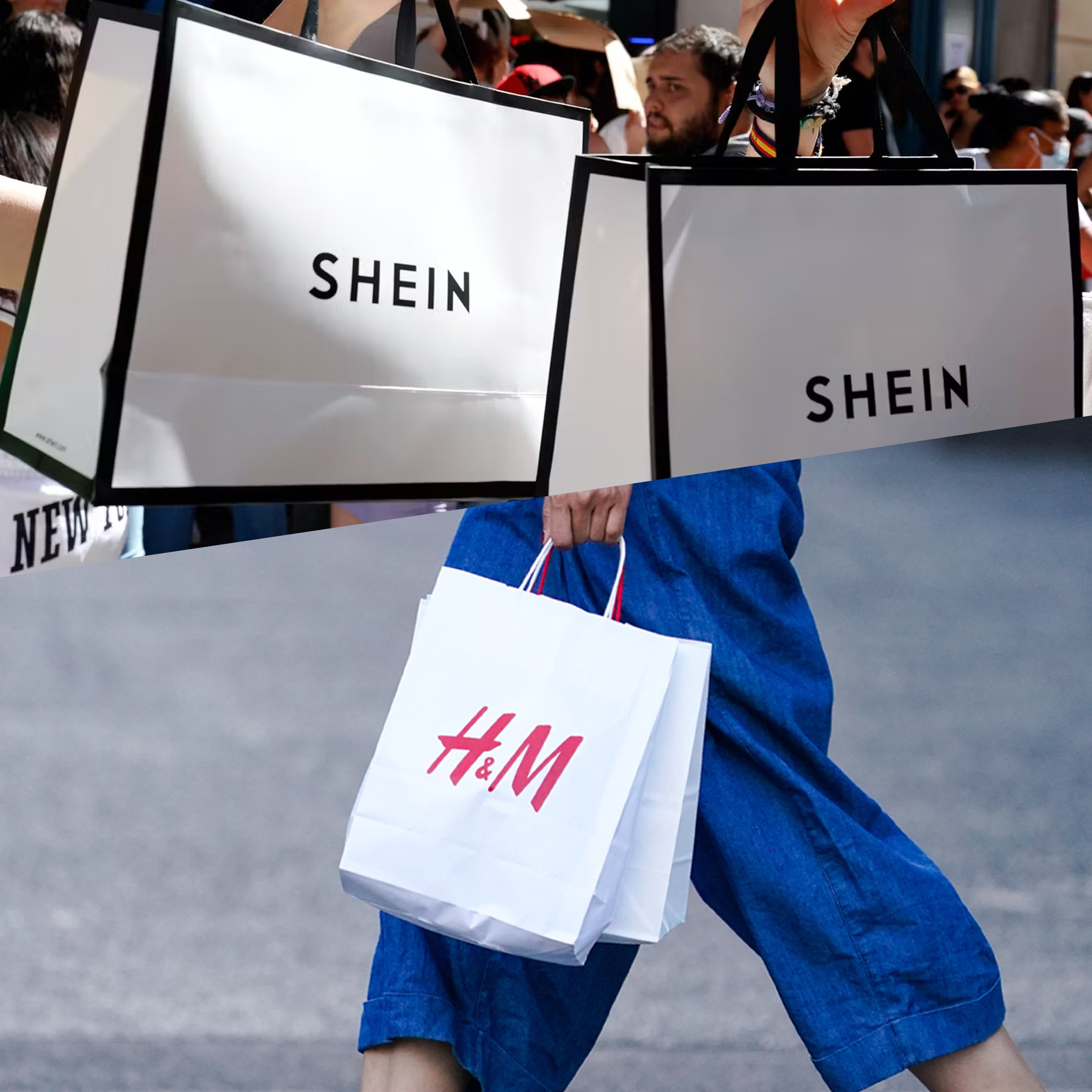
Fast Fashion Disruption With Shein and H&M [not-audio_url] [/not-audio_url]

Duration: 26:57
Shein has fundamentally changed the fashion market, challenging fast fashion giants that were not so long ago in the disruptor position themselves. Once the category's upstart, H&M now finds itself struggling to keep pac…
How Nike Ran Off Course [not-audio_url] [/not-audio_url]

Duration: 30:59
Nike’s streak as the undisputed leader in the activewear category spans generations, but the brand is facing its most significant hurdles in decades. However, recent shifts in leadership, oversupply issues and a botched…
Kamala Harris and the Politics of Style [not-audio_url] [/not-audio_url]

Duration: 31:46
As the first female, Black, and South Asian Vice President of the United States, Kamala Harris’s every move is closely watched — from her policy decisions to her wardrobe. With Harris now leading the Democratic ticket in…
How Tweens Took Over the Beauty Aisle [not-audio_url] [/not-audio_url]

Duration: 33:50
2024 has brought forth the arrival of the “Sephora tweens,” which refers to members of Gen Alpha (roughly defined as those born between 2010 and 2024) who have enthusiastically taken to buying up skincare and makeup. Thi…
What Happens When It’s Too Hot to Make Fashion? [not-audio_url] [/not-audio_url]

Duration: 29:02
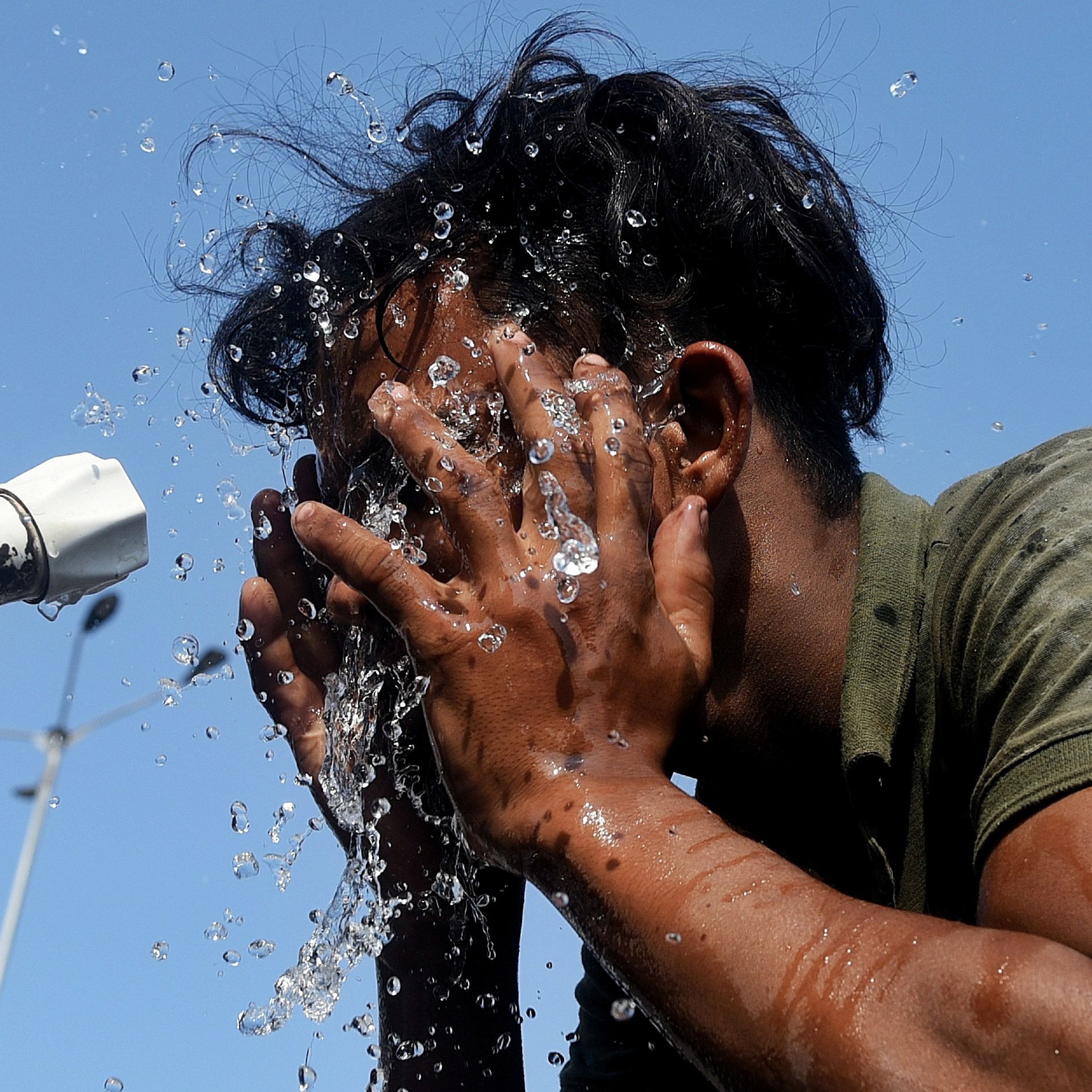
Many of fashion’s largest manufacturing hubs, particularly in South and Southeast Asia, are increasingly at risk of dangerous, record-breaking heatwaves. As extreme heat becomes more frequent, more intense and longer-las…
Why Getting Dressed Up Is Here to Stay in 2023 [not-audio_url] [/not-audio_url]

Duration: 21:58
Occasionwear’s late-pandemic comeback may have felt like a reactionary fluke, but retailers and designers are betting it’s more than a trend. Background: Post-pandemic, occasionwear has been booming. During the second ha…
How Harry Styles Built a Nail Polish Empire [not-audio_url] [/not-audio_url]

Duration: 17:11
Priya Rao, executive editor, Business of Beauty, joins Lauren Sherman to unpack how the singer’s lifestyle label has managed to build a loyal fan base — without his direct involvement. Background: Harry Styles has manage…
Why Designer Shoes Are So Expensive [not-audio_url] [/not-audio_url]

Duration: 27:51
A new BoF Insights report tracks the evolution of the fast-growing high-end footwear market — and why luxury shoppers are willing to spend more than ever on the perfect shoe. Background: Luxury footwear is booming as con…
What Happened With Fashion and NFTs? [not-audio_url] [/not-audio_url]

Duration: 16:13
Background: For fashion, one of the most alluring prospects for NFTs is how they could help brands collect royalties — forever — on secondary sales of physical goods. Though the mechanics of doing so are not ironed out y…
Fashion CEOs Explain Why This Downturn Is Different [not-audio_url] [/not-audio_url]

Duration: 21:08
Much has changed about the world since the last recession — meaning, fashion’s reaction will shift this time around, explains BoF’s workplace and talent correspondent Sheena Butler Young. Background:Fashion is bracing it…