🌀JOIN THE SWIVEL
💆🏻♀️🧖🏻♀️🌿Save 10% on your next CANYON RANCH TRIP
📝Fill out the COACHING APPLICATION
🥵Save 10% on your HOT OR JUST ME? order
🌐Check Jentle Coaching website
👉Follow @jentlecoaching on Instagram
📣Join Sideline Sisters Facebook Group
☎️Book a CONNECTION CALL
⭐️Get the newsletter
🎙️Podcast like a Mother: Podcast Creation Course
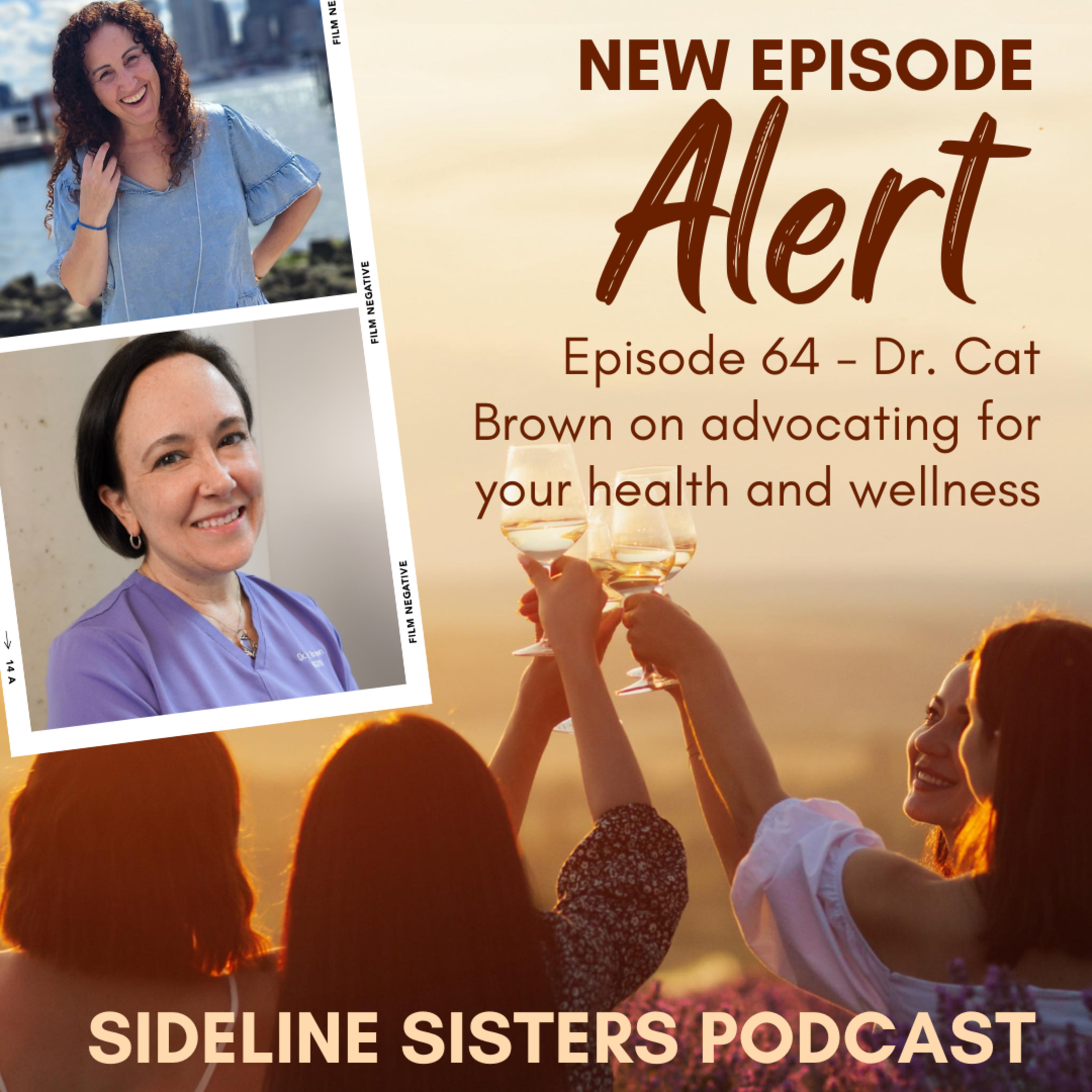
Dr. Cathleen Brown (lovingly referred to as "Dr. Cat") is a board-certified OB/GYN from Philadelphia, Pennsylvania, who serves as a clinician caring for women in midlife at Winona.com while also serving as the medical director. She also maintains an active hospital position as an OB laborist providing vital inpatient coverage to laboring moms at Jefferson Abington Hospital in the Philadelphia suburbs several times a month. Dr. Cat is an Army veteran and stout advocate for her patients. She has dedicated her career to women's health and is committed to helping women throughout their lifespan. When not practicing medicine, she spends time in her garden, going to see live music, and savoring every moment she can with her 3 amazing kids.
Dr. Cat's Notes from the Sidelines:
- 100% of women will experience menopause.
- Medical students get little education on menopause, perimenopause, and hormone replacement therapy.
- The average age for a woman in menopause is 52, but women can experience symptoms for up to 10 years. Menopause is defined as a full year without a period and being over 50. After that, women are post-menopausal.
- Symptoms of menopause overlap symptoms of other conditions -- brain fog, sleep issues, irritability, sexual side effects, weight gain, hair changes, skin changes, and joint pain. There are over 100 symptoms of menopause.
- Symptoms are evidence of the issue. Lab tests don't need to prove what you already know is true.
- We need to empower women with knowledge about their bodies so they can recognize when things are changing. If you start to notice subtle changes, jot them down in a symptom journal. Information is powerful.
- There are options for lifestyle changes if hormone replacement therapy is avoided, starting with dietary changes. Stay away from processed food -- we don't know how the chemical compounds in them react in our bodies. We also don't tend to notice our hunger and satiety signals, and we don't pay attention to how food makes us feel.
- If you don't feel listened to, get a second opinion. Women need to feel empowered to keep going until they're listened to and offered the treatment they want.
- We're our best version of our selves when our hormones are optimized.
- Ways we can support our bodies through menopause include exercising, eating a nutrient-rich diet, and possibly including phytoestrogens and supplements.
- Menopause should not be dreaded; it doesn't have to be your decline.
Dr. Cat's linktree
Dr. Cat's Instagram
Winona's website
Winona's facebook
Winona's Instagram
Winona's linkedin
Winona's twitter
Winona's reddit
Winona's pinterest
Winona's tiktok
Winona's youtube
**The information provided on this podcast does not, and is not intended to constitute legal or medical advice; all information, content, and material on this site are for general informational purposes only. This podcast contains links to other third party websites. Such links are only for the convenience and enjoyment of the user.