Eat with your hands

Eat with your hands

Author: BBC World Service May 9, 2024 Duration: 30:31

Why eat with your hands?

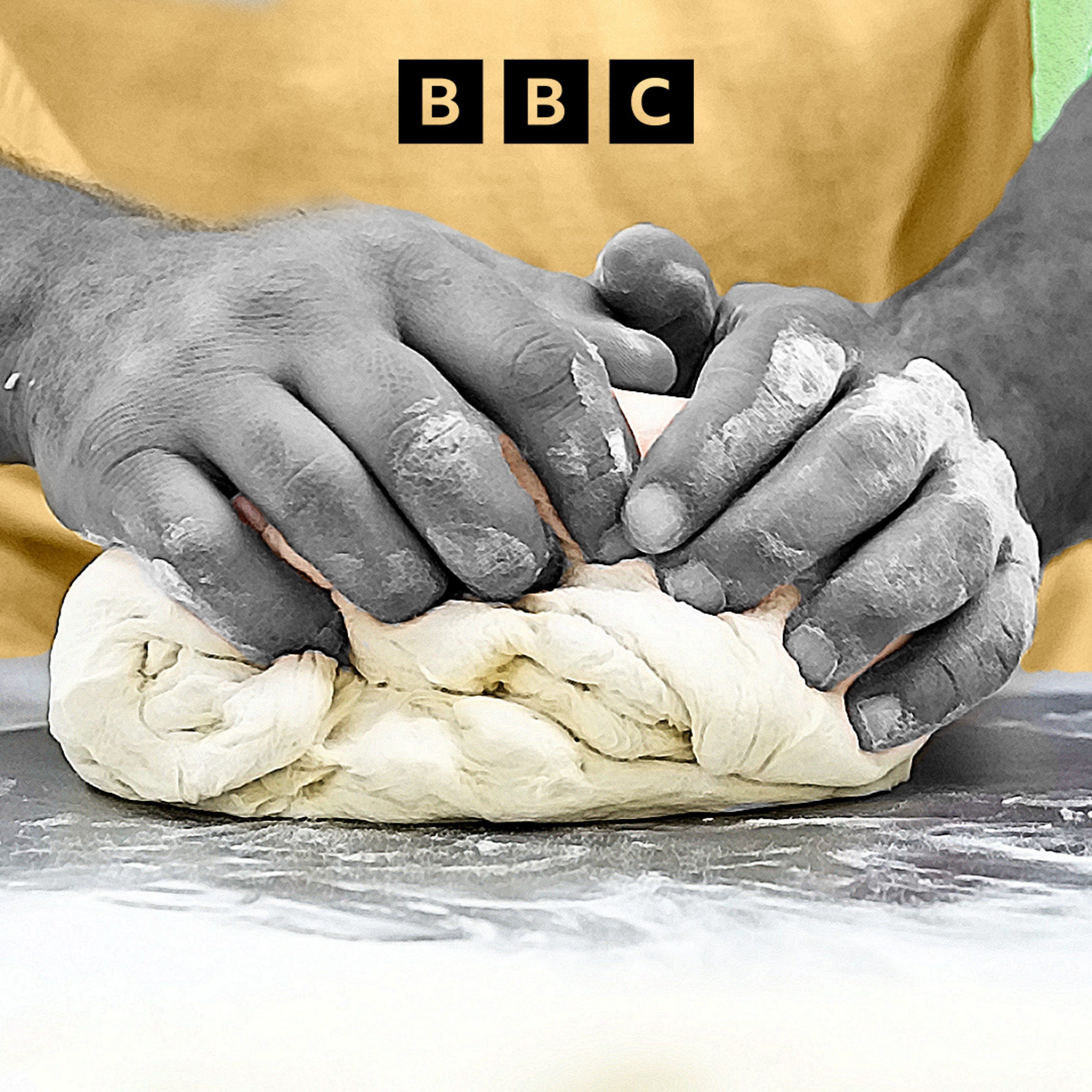
Many food cultures around the world eat using hands, and most of us use our hands some of the time. Do we really need cutlery or chopsticks to eat a salad, peas or rice? And if you were to tackle soup or stew with your hands, how would you go about it?

Michael Kaloki reports from Nairobi, Kenya, where the staple dish ugali, made from maize flour, is traditionally eaten by hand. Michael has observed that people increasingly use cutlery to eat the dish, and he speaks to restaurateurs and customers about why that might be, and what might be lost.

Ruth Alexander learns about the etiquette of eating by hand with food writer and consultant Karen Anand in India. And Ruth explores whether food might be more enjoyable, and even taste better, when eaten by hand. Psychologist Professor Charles Spence from Oxford University, and chef Jozef Youssef of Kitchen Theory in the UK share their research.

If you would like to get in touch with the show, please email: thefoodchain@bbc.co.uk

Presented by Ruth Alexander.

Produced by Beatrice Pickup.

Reporting by Michael Kaloki in Nairobi, Kenya.

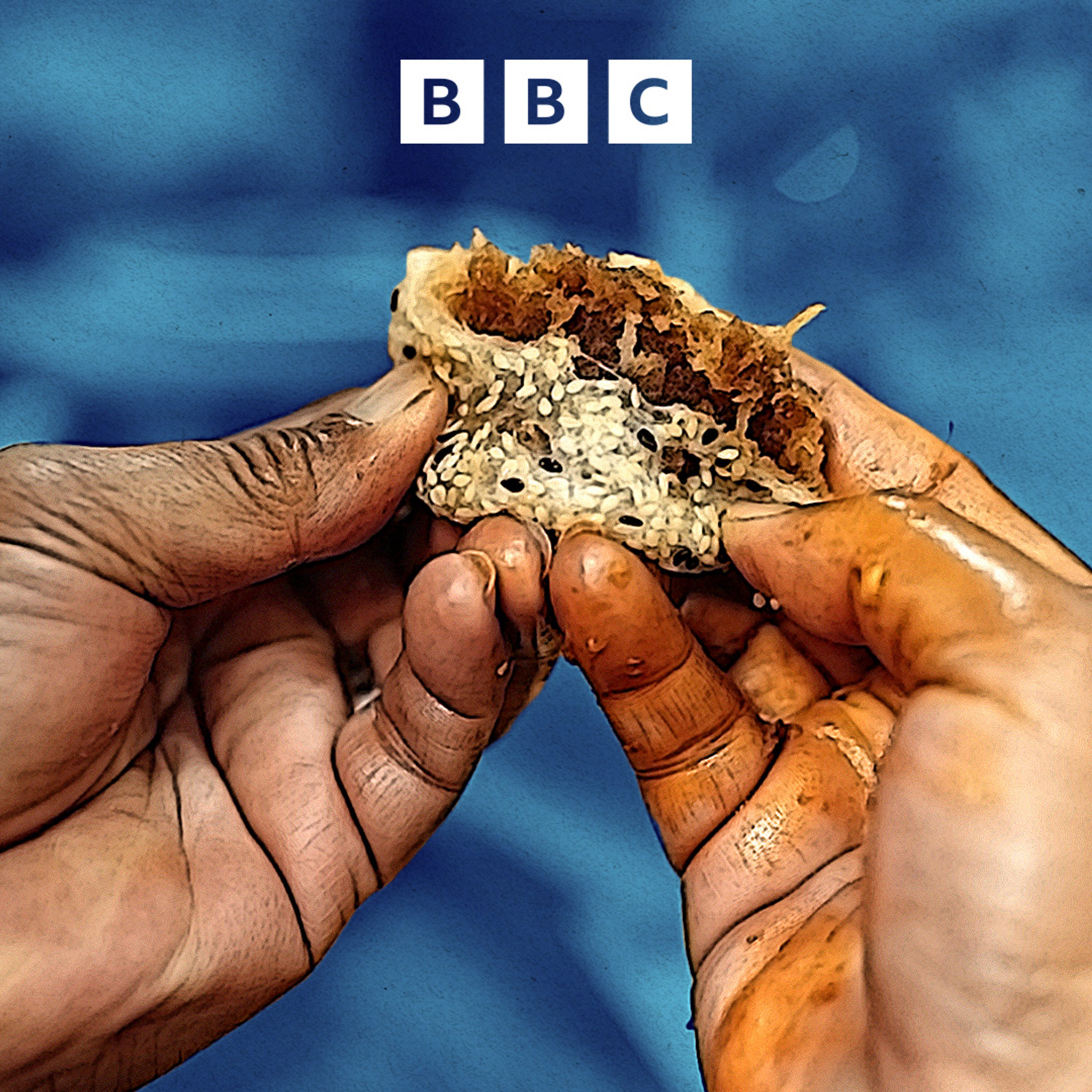
(Image: a man’s hands, pulling apart a sweet cake wrapped in dough, with sauce on his hands. Credit: Getty Images/ BBC)


There’s a story behind every meal, and The Food Chain from the BBC World Service goes out to find it. This isn’t just a series about recipes or restaurant reviews; it’s a deep and often surprising exploration of how food shapes our world. Each episode follows a single thread, whether it’s the economic forces that decide what grows in a field, the hidden science in your kitchen, or the profound cultural traditions carried in a family dish. You’ll hear from farmers, chefs, economists, historians, and scientists, all contributing pieces to a larger picture about our global relationship with what we eat. The conversations reveal the complex journey from source to table, unpacking the labor, innovation, and sometimes the controversy, involved in feeding communities. Tuning into this podcast feels like joining a well-reported global conversation, one that changes how you think about the next thing you’ll eat. It connects the personal act of eating to vast systems of business, culture, and science, making the everyday subject of food endlessly fascinating.
Author: Language: English Episodes: 100

The Food Chain
Podcast Episodes
May contain: The food allergy risk [not-audio_url] [/not-audio_url]

Duration: 26:28
What it’s like for your child to be diagnosed with life-threatening food allergies? Ruth Alexander explores the realities of shopping, socialising and eating out with a food allergy, and discusses what needs to change to…
Let food do the talking [not-audio_url] [/not-audio_url]

Duration: 26:29
Does food have the power to send messages when words aren’t enough? This week Ruth Alexander finds out how food can sometimes speak much louder than words. Lecturer in Chinese Cultural Studies Dr Zhaokun Xi explains why…
Snackification: Our love affair with snacks [not-audio_url] [/not-audio_url]

Duration: 26:28
Ruth Alexander looks at the world of snacks. Have we always snacked or is it a more modern phenomenon that started with formal meal patterns? What snacks have been popular through the ages, what’s the industry doing now…
Stress, eat, repeat? [not-audio_url] [/not-audio_url]

Duration: 26:28
When you’re feeling stressed, does it affect your appetite? In this programme Ruth Alexander is joined by two experts in chronic stress to discuss why it can cause us to crave certain foods, the impact on our bodies and…
A fresh start [not-audio_url] [/not-audio_url]

Duration: 26:28
There are bakeries, cafes, bars and restaurants around the world which don’t just exist to serve up food and drink – they're on a mission to rebuild lives. Ruth Alexander hears the stories of risk, reward and redemption…
Food cottage industries [not-audio_url] [/not-audio_url]

Duration: 26:29
Cottage industries, usually referring to small scale home-based production, can be found all over the world. Often they provide a vital source of additional income for women, particularly in low income and rural areas. I…
What’s the future for Indigenous food? [not-audio_url] [/not-audio_url]

Duration: 26:28
Indigenous food is experiencing a revival in Canada, with growing awareness of First Nations culture, and Indigenous run community farms and restaurants opening. While many are hopeful, there remains challenges to food s…
The packaging problem [not-audio_url] [/not-audio_url]

Duration: 26:29
As plastic waste continues to pile up, Ruth Alexander explores how manufacturers, retailers, and designers are rethinking the way our food is packaged.We hear how shoppers are responding to eco-conscious packaging in Fin…
How to run a local shop [not-audio_url] [/not-audio_url]

Duration: 29:03
Corner shop, mom and pop store or konbini, whatever you call them, most of us have a local business that sells convenience. Rising food costs mean many are struggling to make a profit, one solution is to improve the fres…
The power of the review [not-audio_url] [/not-audio_url]

Duration: 26:28
What’s the purpose of restaurant reviews? The Food Chain looks at who is qualified to write a review, how helpful they are today and the impact they can have on a business. In this programme Ruth Alexander speaks to Gile…