Fermented foods: A beginner's guide

Fermented foods: A beginner's guide

Author: BBC World Service January 29, 2026 Duration: 30:47

Fermented foods are fashionable – kimchi, kefir, kombucha – they're all having a moment, many thousands of years on from where they were first produced. But how much do you know about how they're made? Do you know your SCOBY from your kefir grain?

In this episode, fermenting novice Ruth Alexander goes on a quest to find out more about this ancient way of preserving food; how to do it yourself, why you might want to, and what it's doing for our guts.

Follow along as she experiments with making her own kefir, and talks to fermentation guru Sandor Katz about how to get started and whether there's anything that can't be fermented.

Scientist Professor Gabriel Vinderola explains what's known about the microbes behind it all and how they affect our health while Kheedim Oh and his mum Myung Oh talk about how they've brought the family recipe for kimchi to a US audience via their business, Mama O's Kimchi. (Kimchi on pizza anyone?)

And with the help of Adam Goldwater from UK based Loving Foods Fermented, Ruth discovers how kombucha is made, and the alien like SCOBY powering the process.

Produced by Lexy O'Connor. The sound engineer was Andrew Mills.

If you would like to get in touch with the show, please email: thefoodchain@bbc.co.uk.

Image: A woman in an apron is holding a jar of brightly coloured fermenting vegetables, with orange carrots and purple cabbage tightly packed in. Credit Getty/Migrogen


There’s a story behind every meal, and The Food Chain from the BBC World Service goes out to find it. This isn’t just a series about recipes or restaurant reviews; it’s a deep and often surprising exploration of how food shapes our world. Each episode follows a single thread, whether it’s the economic forces that decide what grows in a field, the hidden science in your kitchen, or the profound cultural traditions carried in a family dish. You’ll hear from farmers, chefs, economists, historians, and scientists, all contributing pieces to a larger picture about our global relationship with what we eat. The conversations reveal the complex journey from source to table, unpacking the labor, innovation, and sometimes the controversy, involved in feeding communities. Tuning into this podcast feels like joining a well-reported global conversation, one that changes how you think about the next thing you’ll eat. It connects the personal act of eating to vast systems of business, culture, and science, making the everyday subject of food endlessly fascinating.
Author: Language: English Episodes: 100

The Food Chain
Podcast Episodes
Has Christmas food gone mad? [not-audio_url] [/not-audio_url]

Duration: 26:29
Prosecco flavoured crisps? Eggnog chicken? Sticky toffee pudding trifle? The innovation for novelty Christmas products seems endless, but is there the appetite? Ruth Alexander lifts the lid on an industry churning out fe…
Stadium food [not-audio_url] [/not-audio_url]

Duration: 26:28
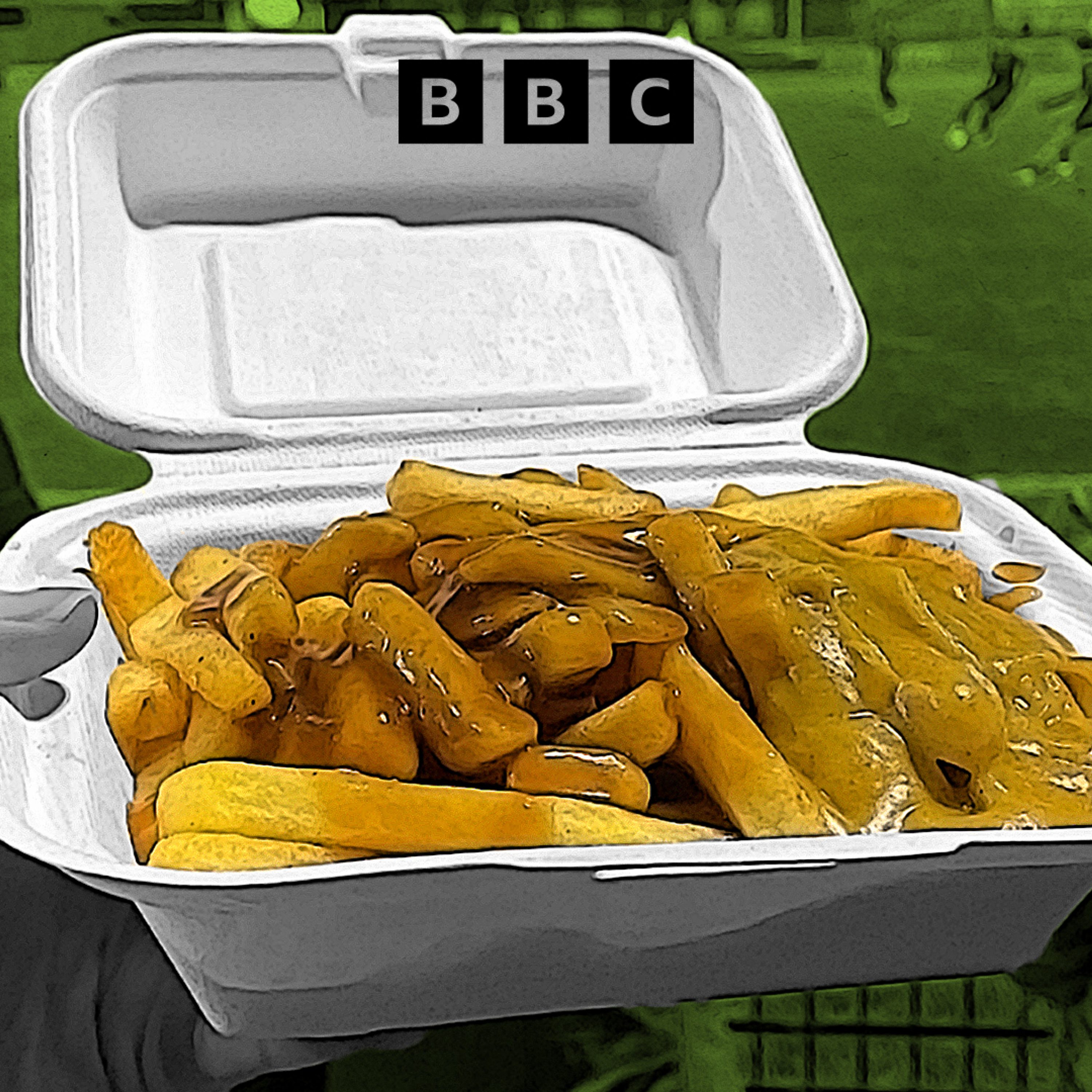
Which food do you associate with your favourite sport? Pie and chips at an English football match, biriyanis at the cricket in Pakistan or grilling meat in the parking lot outside an American football game – there are so…
Croffle, anyone? [not-audio_url] [/not-audio_url]

Duration: 26:28
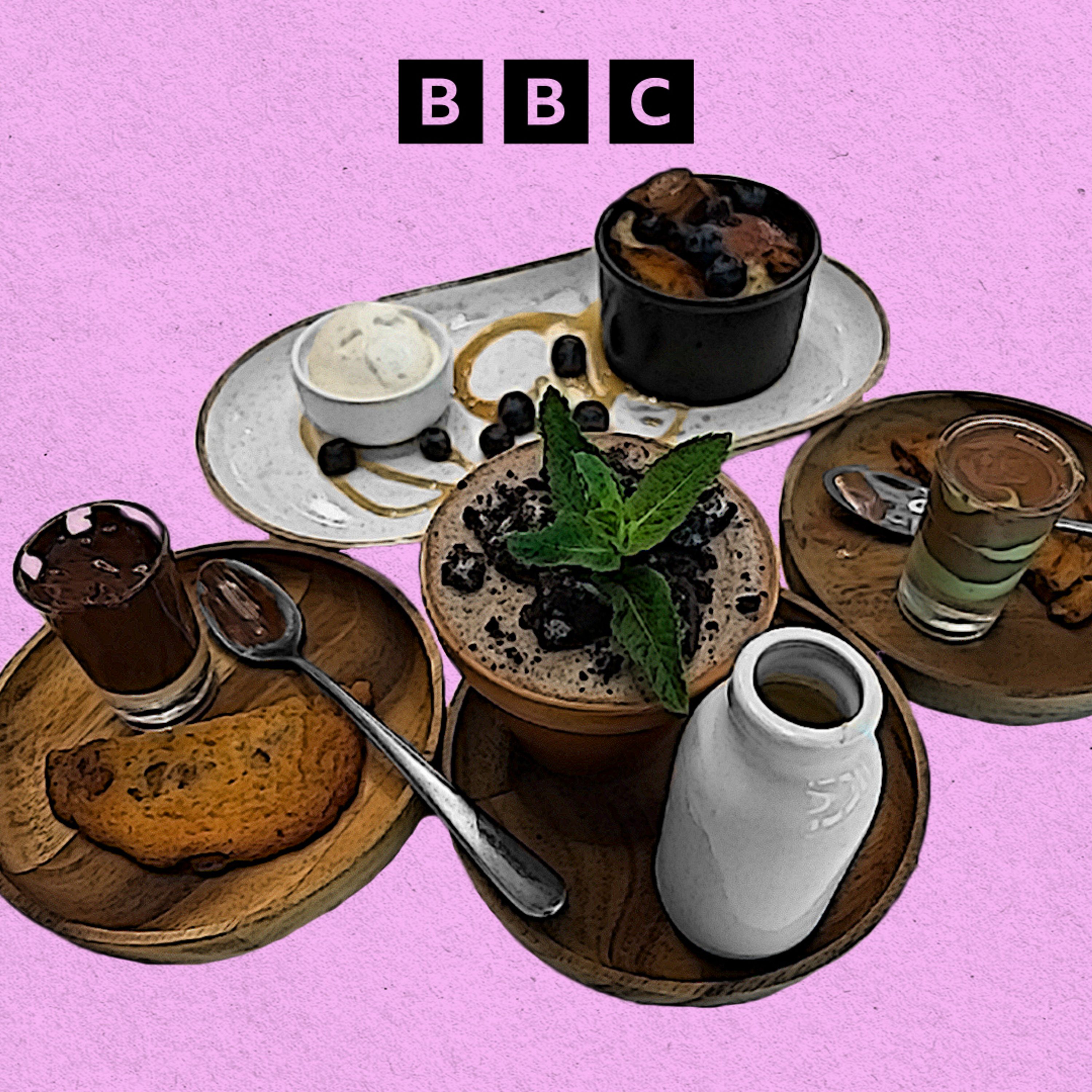
Crookie, anyone? Cronut, croffle? Ruth Alexander looks at the rise of the dessert café and the extraordinary creations it’s spawned. She visits one such café in Manchester with roses adorning the walls, and chocolate ado…
How did fast food become so successful? [not-audio_url] [/not-audio_url]

Duration: 26:27
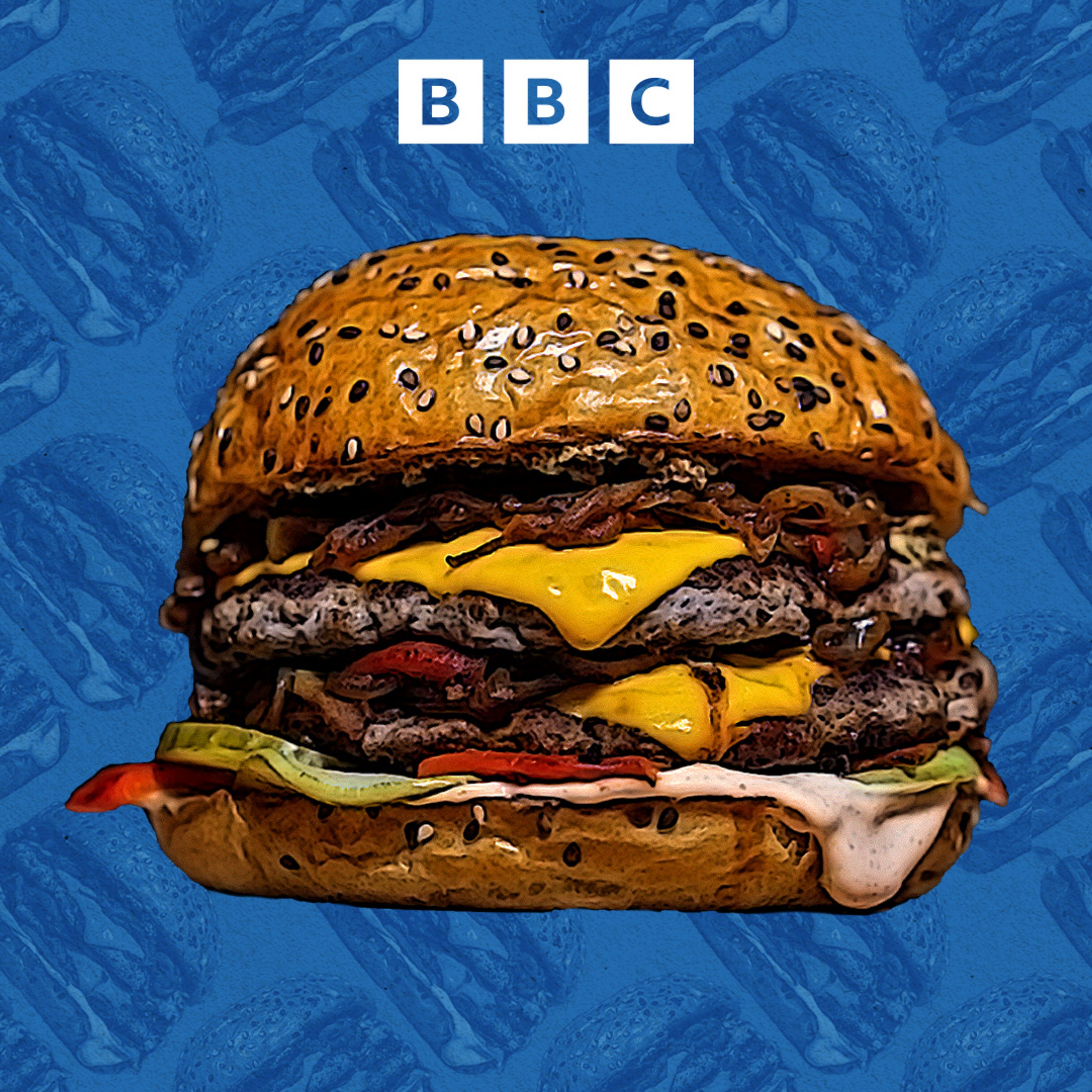
From America to Mongolia, you can go into a restaurant run by a global fast-food chain, and buy the same meal. So how did fast food become so successful? Across the world, last year we spent more than 900 billion dollars…
We are 10! [not-audio_url] [/not-audio_url]

Duration: 28:56
We are celebrating 10 years of The Food Chain with some of our favourite programme moments from the past decade. Fishing to stay alive, chopping onions in remembrance, and tasting people’s names – these stories and more…
Just vanilla [not-audio_url] [/not-audio_url]

Duration: 26:28
Dull? Boring? Plain? Vanilla is a byword for something which is ordinary or standard. In this programme Ruth Alexander finds the story of the popular spice is anything but normal. Originating in Mexico it’s travelled the…
How work changed lunch [not-audio_url] [/not-audio_url]

Duration: 29:08
How do our work habits shape what we eat? In this programme Izzy Greenfield discovers the history of the workplace lunch and the ways in which society has reshaped it. Historian Megan Elias of Boston University in the US…
Living with water shortages [not-audio_url] [/not-audio_url]

Duration: 26:40
Water scarcity is an increasing problem on every continent, according to the United Nations. Around half the world’s population experiences severe water scarcity for at least part of the year, according to a report by th…
Housemates [not-audio_url] [/not-audio_url]

Duration: 27:38
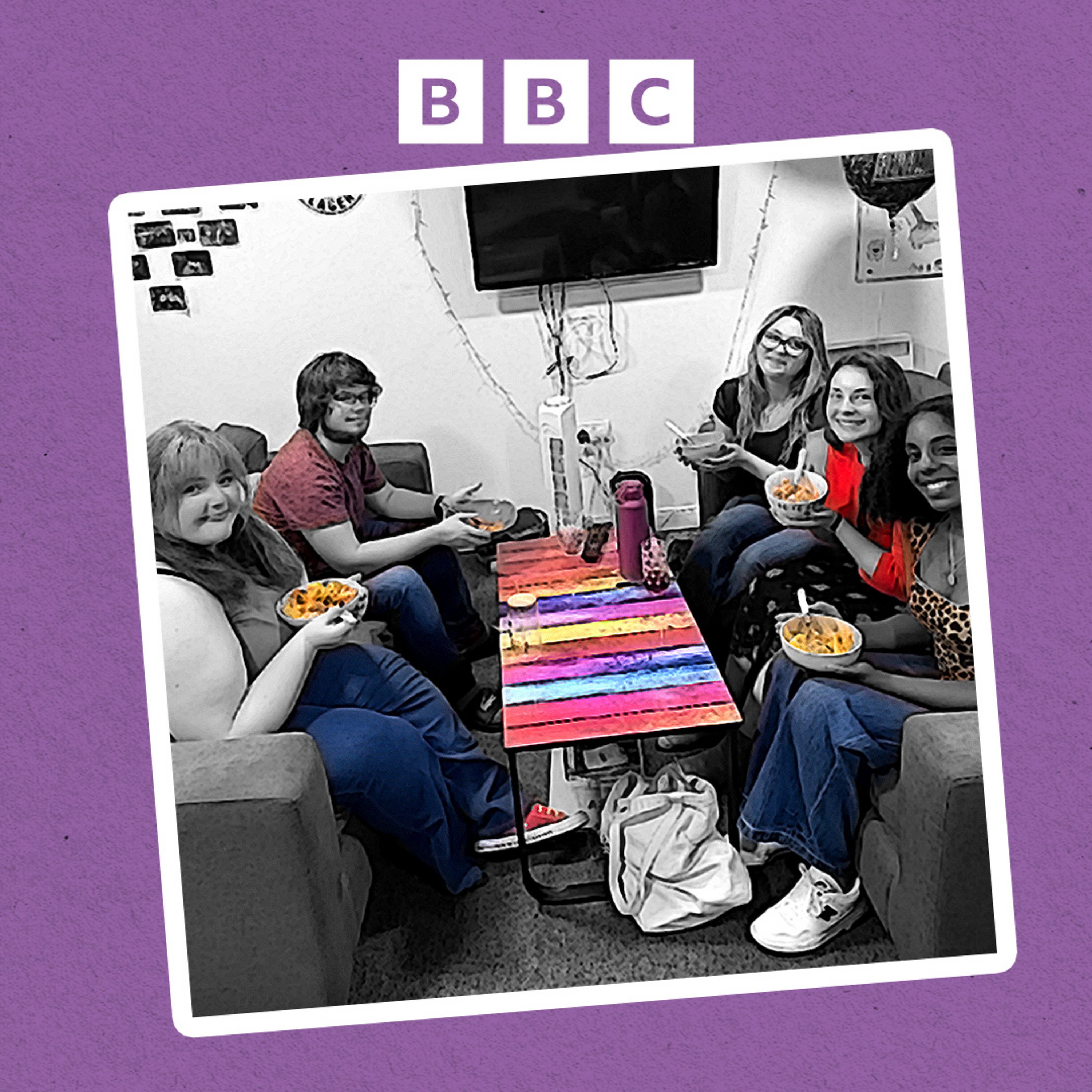
Did you share a flat, house or kitchen as a student or professional? Is it the shared meals and conversation that stay with you, or the piles of dirty dishes and missing food? This week Ruth Alexander has a look around s…
How much water should I drink? [not-audio_url] [/not-audio_url]

Duration: 26:29
Do you know how much you should drink? Many global guidelines recommend approximately 2 litres a day for women and 2.5 litres a day for men, including food. But scientists say there is actually huge variation in how much…