Rhythm and Muse

Rhythm and Muse

Author: Pineapple Street Studios | The Fashion and Race Database | Tommy Hilfiger April 27, 2022 Duration: 33:59
When hip-hop’s popularity skyrocketed in the 90s and early 2000s, designers and stylists embraced—and dressed—their tribes. And the world took notice. Featuring Monica Morrow, Boz Bradshaw, Elena Romero and April Walker.  Syllabus:  The multi-billion dollar fashion industry didn’t become so profitable on its own. Check out the book, Free Stylin': How Hip-Hop Changed the Fashion Industry, where author (and guest) Elena Romero breaks down how hip hop fashion went “from the ‘hood’ to the runway.”  What were some of the most defining fashion labels and looks in hip hop fashion history? The essay, “A Great Day in Hip Hop – A Decade of Hip Hop Style’s Influences” brings it all together, and urges us to never forget. Check out our profile of Misa Hylton, who was a contemporary of Monica and Boz, advocating to dress Black music artists. A great way to take in all of the incredible hip hop style from the past is to see it in motion. Sit back and watch the documentary Fresh Dressed for an introduction to hip hop’s pioneers and tastemakers.  Black fashion contributions have had a global impact, and the industry doesn’t hesitate to monetize it – often with no credit. The book White Negroes: When Cornrows Were in Vogue... and Other Thoughts on Cultural Appropriation builds an argument for why this is problematic and even harmful. How many of you are familiar with the name Isaiah Rankin when it comes to head-turning streetwear?Guest Elizabeth Way provides a formal introduction. Guest April Walker told us about the influence that a particular streetwear icon had on her design and business trajectory. You can read his story in the memoir, Dapper Dan: Made in Harlem. Black music artists have been setting the trends for at least a century. Guest Elizabeth Way takes us back in time to acknowledge the unforgettable menswear legacy of Sam Cooke. The multitalented performer and activist Eartha Kitt was wearing luxury fashion labels amidst the segregation era. This profile reminds us of the power she wielded with her style, leaving a feminist sartorial legacy that reverberates to this day. For a transcript of this episode, please visit fashionandrace.org/database/ep2-rhythm-and-muse. . To learn more about listener data and our privacy practices visit: https://www.audacyinc.com/privacy-policy Learn more about your ad choices. Visit https://podcastchoices.com/adchoices

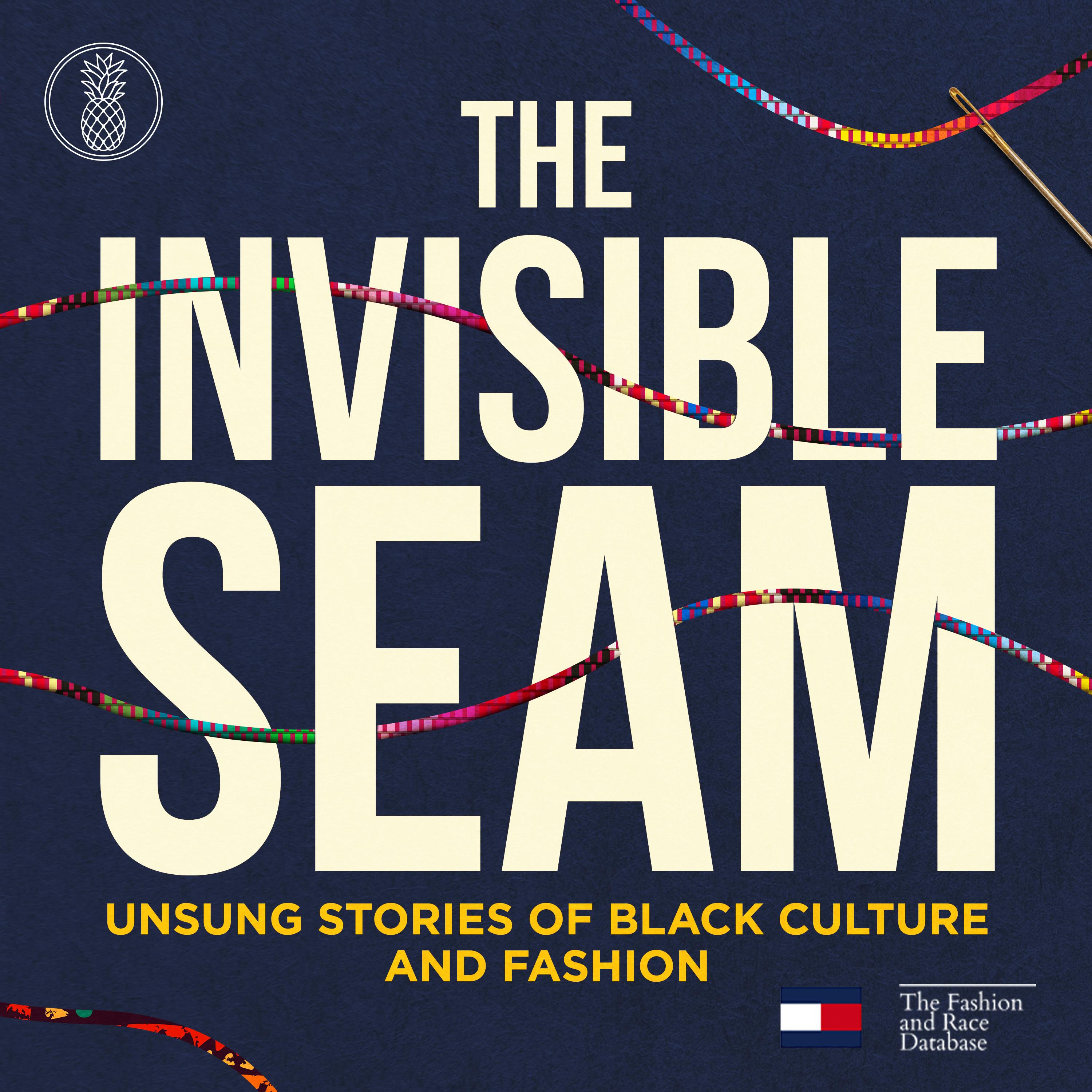
Fashion educator Kimberly Jenkins guides listeners through a compelling five-part series titled The Invisible Seam, which meticulously traces how Black Americans have used clothing as a powerful language. This podcast moves beyond mere aesthetics to uncover stories where style became a tool for demanding dignity, subverting social norms, and forging resilient communities. Each episode focuses on specific historical moments, revealing a legacy of innovation and imagination that has profoundly shaped global fashion, yet often remains overlooked. The conversations delve into the deeper meanings woven into fabric and silhouette, exploring how personal and collective identity is expressed and contested through what we wear. Produced through a collaboration between Pineapple Street Studios, The Fashion and Race Database, and Tommy Hilfiger’s People’s Place Program, the series offers a rich, narrative-driven examination of culture and history. Listeners will find a thoughtfully researched and deeply human exploration of the intersection where personal adornment meets social change. The The Invisible Seam podcast doesn't just recount history; it illuminates the enduring influence of Black creativity and resilience, offering a new lens through which to understand the very fabric of American life and its sartorial expressions. It’s an essential listen for anyone curious about the true stories behind the styles we take for granted.
Author: Language: English Episodes: 8

The Invisible Seam
Podcast Episodes
The Connecting Thread [not-audio_url] [/not-audio_url]

Duration: 29:22
In this bonus episode, our host Kimberly Jenkins has reflective, candid conversations with designers Clarence Ruth, Megan Renee and Johnathan Hayden. They discuss their inspirations, trajectories and cultural influences;…
Loose Threads [not-audio_url] [/not-audio_url]

Duration: 26:10
Fashion academia and the fashion industry don’t often talk to each other, but that’s exactly why we have this podcast. In this bonus episode, Kimberly sits down with Randy Cousin, who leads The People’s Place Program at…
There Will Be No More Doors [not-audio_url] [/not-audio_url]

Duration: 41:04
When some of us go through doors, we take them off their hinges. What does the future of fashion look like, and how do we get there? Featuring Aria Hughes, Brandice Daniel, Law Roach, Randy Cousin, Ade Samuel, Connor McK…
The Best, The Brightest, The Dressed [not-audio_url] [/not-audio_url]

Duration: 36:58
1900, 1987, 2018 - three moments when HBCU fashion culture expanded perceptions of being Black in America. We explore what it meant then—and today. Featuring Darnell Jamal-Lisby, Ceci, Jasmine Guy, Elizabeth Way and Moni…
Statement Piece [not-audio_url] [/not-audio_url]

Duration: 33:38
All white, top hat, Sunday best, black beret, denim - these have been tools of protest and catalysts for change throughout history. Now we’re unpacking the relationship between what we wear and what we believe. Featuring…
No Blueprint [not-audio_url] [/not-audio_url]

Duration: 29:35
They fell in love with fashion. They remixed looks, dressed our favorite characters, ignited the industry, took what others might’ve seen as scraps and made them beautiful. They carved out a space for themselves. Featuri…
Introducing: The Invisible Seam [not-audio_url] [/not-audio_url]

Duration: 3:33
Often unappreciated, but never unnoticed - welcome to the show that celebrates Black contributions to fashion. Hosted by fashion educator Kimberly Jenkins, this five-part series explores moments in history when Black Ame…
