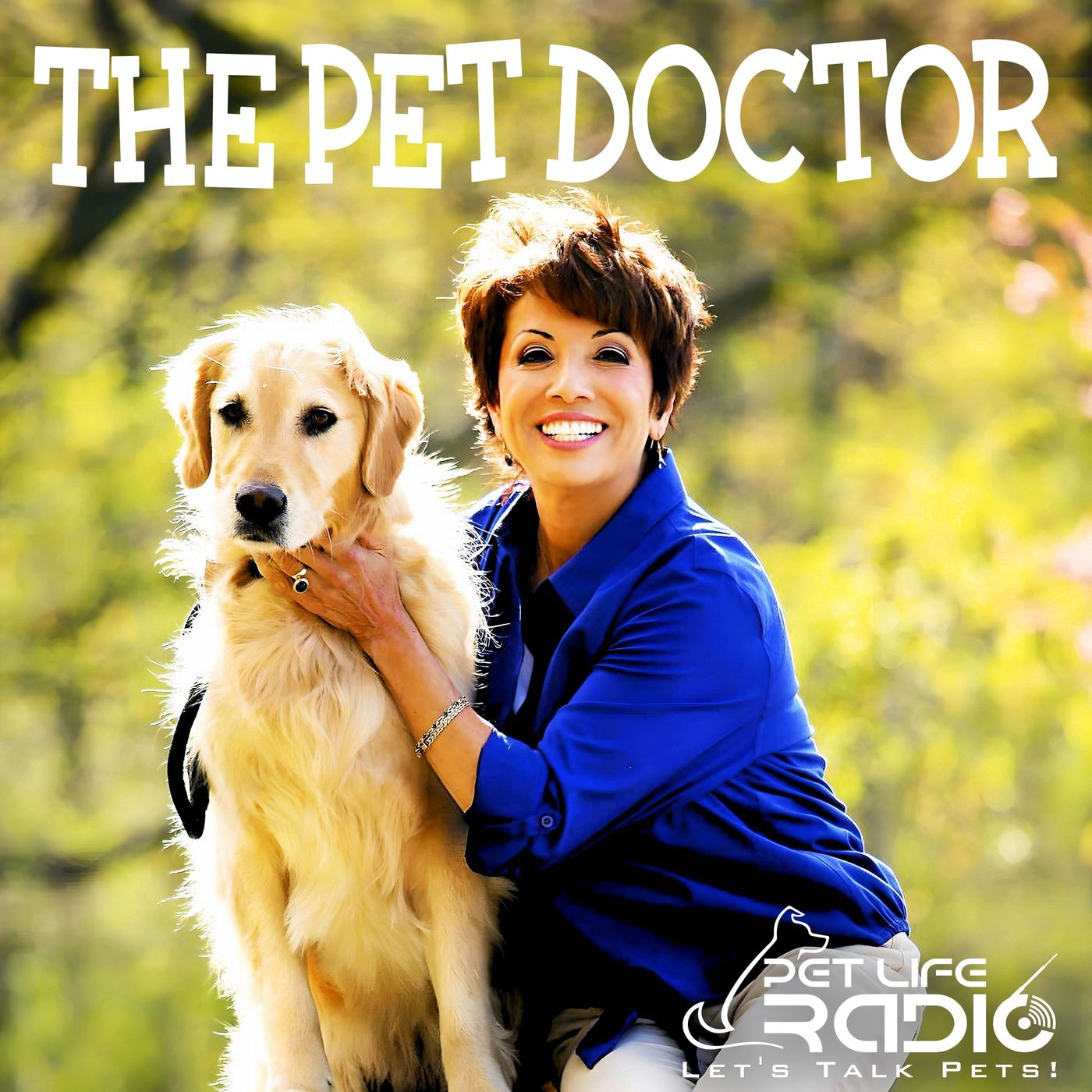
The Pet Doctor - Episode 294 Using DNA to Keep Animals Healthy

The Pet Doctor - Episode 294 Using DNA to Keep Animals Healthy

Author: Pet Life Radio February 18, 2020 Duration: 31:10
Robert Koch and Louis Pasteur are two scientists whose names may sound vaguely familiar. These two scientists of the 1800 are responsible for saving millions of lives by discovering the connection of bacteria and disease. But not all bacteria are bad. In reality we need a balanced microbial population of bacteria, fungi, algae, protozoa and viruses to stay alive. But of the 100 trillion microbes that can be found in and on an animal’s body, only 1% of them can be cultured in a lab. So how do we pinpoint the microbial makeup of disease? How do we eradicate the bad bugs while not disrupting the exquisitely delicate equilibrium of the remaining microbes? And oh yes, how do we not give rise to Super Bugs that defy all of the antibiotics in our arsenal? My guest is Dr. Janina Krumbeck. She is the director of Microbiome Applications at MiDog.

EPISODE NOTES: Using DNA to Keep Animals Healthy

Become a supporter of this podcast: https://www.spreaker.com/podcast/the-pet-doctor-keeping-your-pets-healthy-pet-wellness-pet-life-radio-original--6669420/support.

Ever wondered how to navigate the confusing world of pet food labels or what to really keep in your pet's first-aid kit? The Pet Doctor offers clear, compassionate guidance from veterinarian Dr. Bernadine Cruz. This isn't just a list of tips; it's a deep dive into the practicalities of daily care and the big decisions that affect your animal's long-term wellbeing. You'll hear straightforward discussions on everything from preventative care for puppies and kittens to the unique needs of senior companions, helping to demystify veterinary medicine for every stage of your pet's life. Episodes tackle specific topics like dental health, understanding medications, and evaluating pet insurance, all aimed at empowering you to be a more informed and confident caretaker. Tune into this podcast for honest conversations that blend professional expertise with a genuine understanding of the human-animal bond, making complex health topics accessible for the whole family. Find The Pet Doctor as part of the Pet Life Radio network, where Dr. Cruz translates her clinical experience into actionable advice for keeping your furry, feathered, or scaled family members thriving.
Author: Language: English Episodes: 100

The Pet Doctor - Keeping your pets healthy & pet wellness - Pet Life Radio Original
Podcast Episodes
The Pet Doctor - Episode 235 Year of the Blood Sucker [not-audio_url] [/not-audio_url]

Duration: 39:14
We have all heard of the yearly hurricane forecasts made by the National Oceanic and Atmospheric Administration, now the Companion Animal Parasite Council is predicting that in 2016 the spread of vector-borne disease age…
The Pet Doctor - Episode 233 Spot the Pet Poisons in Your Home [not-audio_url] [/not-audio_url]

Duration: 40:33
Pets explore their worlds by licking, sniffing, touching and swallowing items they encounter. It may have seemed like a good idea at the time to investigate the puddle on the garage floor, down that round roly poly thing…
The Pet Doctor - Episode 230 The Lost China Tape [not-audio_url] [/not-audio_url]

Duration: 37:29
Hello!. This is Dr. Bernadine Cruz. I have a confession; I love to travel but tend to misplace my belongings along the way. In October of 2015, I had the opportunity to tour China. I saw marvelous sites of antiquity and…
The Pet Doctor - Episode 229 Touching the Sky [not-audio_url] [/not-audio_url]

Duration: 37:31
Falconry... what does this word bring to mind? You may envision the European nobility riding through the countryside with a majestic hawk on their outstretched leather enveloped hand. Using hawks and falcons for hunting…
The Pet Doctor - Episode 228 Passages [not-audio_url] [/not-audio_url]

Duration: 36:37
The devotion that pets show their human guardians is often called unconditional love. As pet guardians, we share our lives with creatures that sadly have shorter life spans than ours and at times we must demonstrate the…
