The Power of Lean Six Sigma Black Belts in Healthcare: A Prescription for Excellence

The Power of Lean Six Sigma Black Belts in Healthcare: A Prescription for Excellence

Author: MSIcertified December 5, 2023 Duration: 4:39

In today's fast-paced and complex healthcare landscape, the need for efficiency, cost-effectiveness, and patient-centric care has never been greater. Healthcare and hospital systems face unique challenges that demand innovative solutions. One such solution is the incorporation of Lean Six Sigma Black Belts into their operations. Lean Six Sigma is a data-driven methodology that has successfully transformed industries worldwide, and its application in healthcare can lead to significant improvements in quality, patient satisfaction, and financial performance.


1. A Culture of Continuous Improvement.

One of the fundamental principles of Lean Six Sigma is a commitment to continuous improvement. By hiring Lean Six Sigma Black Belts, healthcare organizations can foster a culture of continuous improvement within their teams. These professionals are trained to identify inefficiencies, streamline processes, and drive innovation, all of which are essential for healthcare systems striving to provide the best possible care.

2. Reducing Waste and Costs.

Lean Six Sigma principles emphasize the elimination of waste in processes, making them more efficient and cost-effective. In healthcare, eliminating waste can translate into substantial cost savings while maintaining or even improving the quality of care. Black Belts are experts at identifying and reducing waste in various areas, such as supply chain management, administrative processes, and clinical operations.

3. Enhancing Patient Safety.

Patient safety is paramount in healthcare. Errors, accidents, and adverse events can have severe consequences. Lean Six Sigma methodologies help healthcare systems implement rigorous processes and protocols that reduce the likelihood of errors and improve patient safety. Black Belts use data-driven approaches to identify root causes of safety issues and develop effective solutions.

4. Improving Patient Experience.

The patient experience plays a critical role in healthcare quality. Lean Six Sigma Black Belts can help hospitals and healthcare providers design processes that prioritize patient satisfaction. By reducing wait times, enhancing communication, and optimizing the patient journey, these professionals contribute to a more positive and patient-centric healthcare experience.

5. Data-Driven Decision-Making.

In healthcare, data is king. Lean Six Sigma Black Belts are trained in data analysis and statistical techniques, enabling them to make informed decisions based on evidence. This data-driven approach is invaluable in healthcare, where decisions can have life-or-death implications. Black Belts can assist in using data to drive process improvements, clinical decision-making, and resource allocation.

6. Regulatory Compliance.

Compliance with healthcare regulations is non-negotiable, and healthcare organizations must continually adapt to evolving requirements. Lean Six Sigma Black Belts can help ensure that processes and procedures align with regulatory standards. Their expertise in process optimization and documentation can be instrumental in maintaining compliance and avoiding costly penalties.

7. Measurable Results.

One of the most significant advantages of incorporating Lean Six Sigma Black Belts into healthcare systems is the ability to measure and track results. These professionals use key performance indicators (KPIs) and metrics to monitor the impact of process improvements. Measurable results provide valuable insights into the effectiveness of changes and allow for ongoing adjustments to further enhance performance.



Ever wondered how the most efficient organizations streamline their work and eliminate daily frustrations? The Process Improvement Podcast, presented by MSIcertified, digs into the practical realities behind building smoother, more effective operations. Rather than abstract theory, conversations focus on tangible methods like Six Sigma, Project Management, and Total Quality, breaking down how these frameworks function in real-world scenarios. You’ll hear straightforward discussions that translate continuous improvement concepts from the whiteboard to the workflow, offering insights for both newcomers and seasoned professionals. This education-focused podcast serves as a resource for anyone looking to refine processes, reduce waste, and foster a culture of incremental but impactful change. Each episode aims to provide actionable knowledge, whether you're managing a complex project or simply seeking to enhance your team's daily output. Tune in for a clear-eyed exploration of the systems and strategies that drive meaningful progress, all grounded in the expertise of the Management and Strategy Institute.
Author: Language: English Episodes: 100

The Process Improvement Podcast
Podcast Episodes
Understanding Check Sheets and Their Role in Six Sigma Projects [not-audio_url] [/not-audio_url]

Duration: 4:45
In quality management and process improvement methodologies like Six Sigma, efficient data collection and analysis are paramount. The check sheet stands out as a simple yet powerful tool among the various tools and techn…
The 7 Basic Quality Tools for Process Improvement [not-audio_url] [/not-audio_url]

Duration: 4:09
The 7 Basic Quality Tools for Process Improvement are foundational in any quality improvement initiative. They are versatile and can be applied in various industries and processes. By effectively utilizing these tools, o…
Unveiling the Power of Eight Disciplines Problem Solving [not-audio_url] [/not-audio_url]

Duration: 5:02
In the realm of problem-solving methodologies, the Eight Disciplines (8D) process stands out as a systematic approach to address complex issues, streamline operations, and drive continuous improvement within organization…
Unlocking Effective Problem-Solving: 5W2H [not-audio_url] [/not-audio_url]

Duration: 4:03
In today's fast-paced and complex world, the ability to tackle challenges and solve problems efficiently is a valuable skillset sought after in both personal and professional spheres. While there are various problem-solv…
3 Ways a Company Can Cut Costs [not-audio_url] [/not-audio_url]

Duration: 3:27
Cutting costs is essential for any business looking to improve its bottom line. While there are additional ways companies can cut costs in 2024, embracing technology and automation, outsourcing non-core activities, and o…
How Design Thinking is Transforming the Healthcare Industry [not-audio_url] [/not-audio_url]

Duration: 3:59
In recent years, the healthcare industry has begun to embrace a new approach to innovation and problem-solving: Design Thinking. This human-centered methodology focuses on understanding the needs of patients, healthcare…
Why Organizations Should Offer Six Sigma Training: A Free Guide [not-audio_url] [/not-audio_url]

Duration: 4:20
In today's competitive business landscape, companies are constantly seeking ways to enhance their operations, reduce waste, and improve overall efficiency. One proven methodology that can help organizations achieve these…
Using SCAMPER with Design Thinking [not-audio_url] [/not-audio_url]

Duration: 3:54
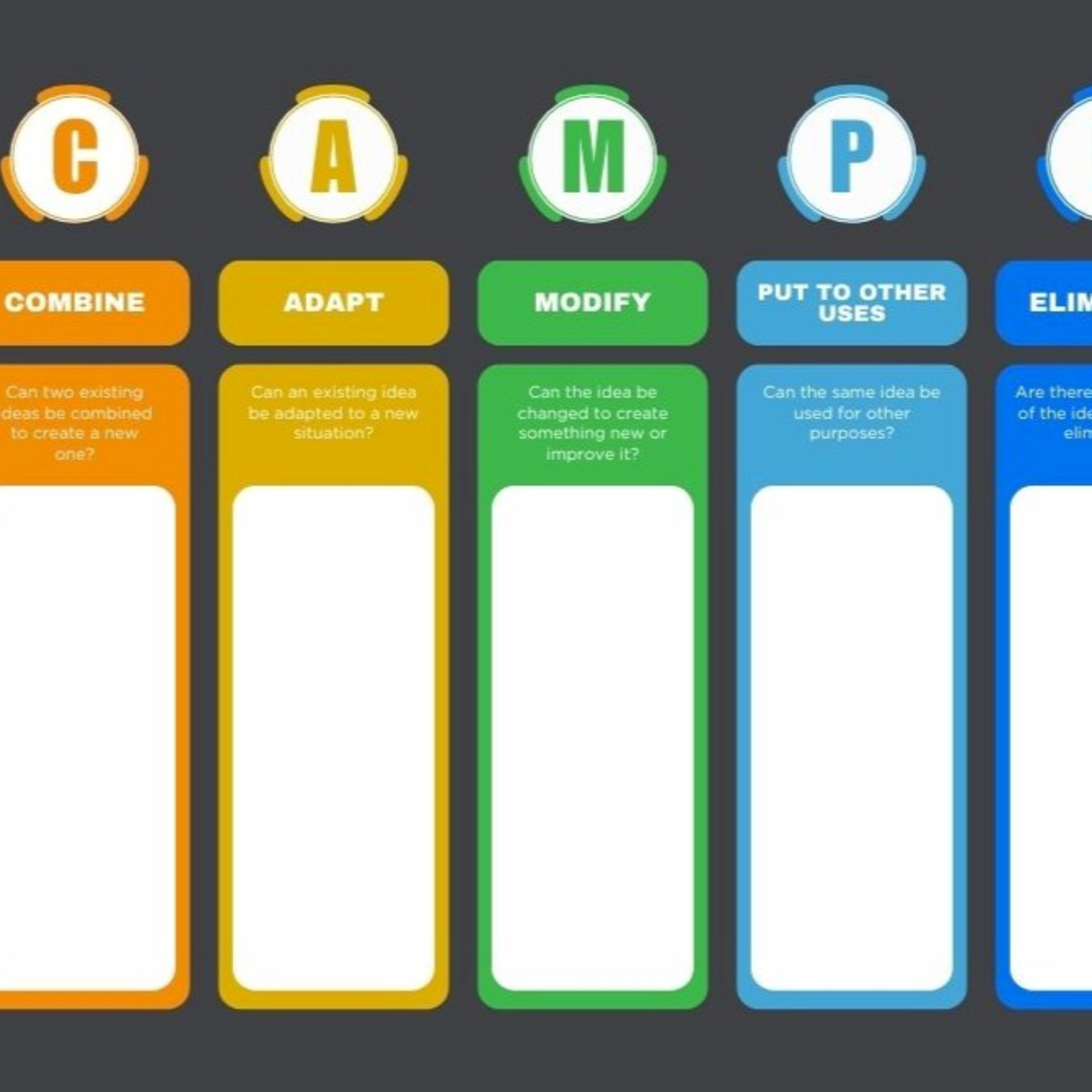
Creativity and innovation are essential for individuals and businesses to thrive. One valuable tool that is often using with Design Thinking is SCAMPER. Reference: Six Sigma Resource Center Scamper Acronym