662. Should charity be illegal? Do capitalists really hate the poor?

662. Should charity be illegal? Do capitalists really hate the poor?

Author: Connor Boyack January 22, 2026 Duration: 14:49

Should charity be illegal? Do capitalists really hate the poor?

Because behind that shocking question is a deeper debate about freedom, compassion, government power, and who should be allowed to help people in need.

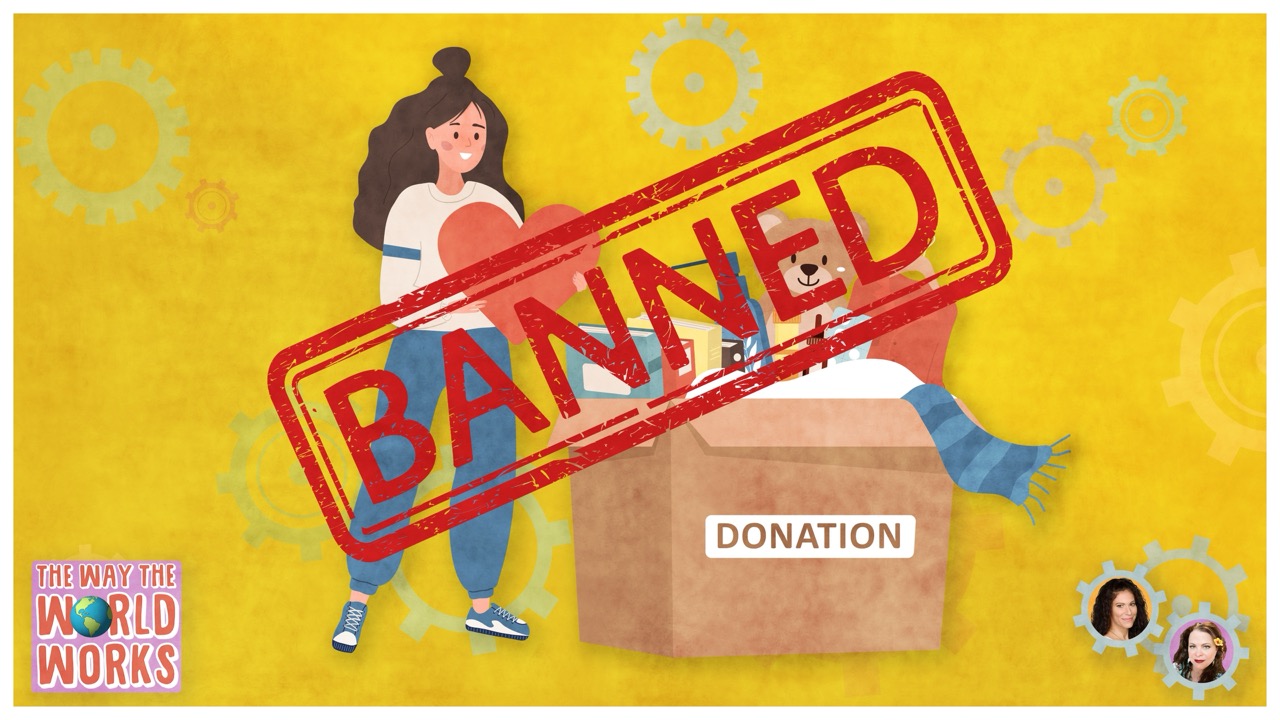
Charity is supposed to be one of the most universally praised human actions — voluntary, generous, and rooted in compassion. Yet across the country, individuals, churches, and small community groups have been fined or even arrested for feeding the homeless or offering shelter without government permission.

In this episode of The Way the World Works, Brittany and Rachel examine real-world cases where private charity has been restricted by city ordinances, permits, and red tape. They explore why governments sometimes treat voluntary charity as "competition," how good intentions can clash with harmful outcomes, and why capitalism and compassion are not opposites.

Drawing on examples from grassroots volunteers, churches, and public debates — including cultural reactions to figures like MrBeast and ideas discussed by Ezra Klein — this conversation challenges the assumption that only government programs can legitimately help the poor.

If helping others is a moral good, should it ever require government permission? And what role should communities — not bureaucracies — play in caring for those in need?

What You'll Learn in This Episode:

  • Why some cities fine or arrest people for feeding the homeless

  • How government red tape can block voluntary charity

  • Why capitalism and compassion are not mutually exclusive

  • How motives matter less than outcomes when helping others

  • What "not in my backyard" (NIMBY) politics reveal about modern charity

  • Why private communities often help people more effectively than government programs

Timestamps:

0:00 Is Charity Illegal?
0:50 When Feeding the Homeless Becomes a Crime
6:08 Does Government See Charity as Competition?
8:10 Capitalism, Compassion, and Helping the Poor
10:30 Why People Criticize Private Charity
11:30 NIMBYism and Government Barriers
13:38 Should Charity Ever Be Criminalized?

👍 Like this video if you believe people should be free to help one another
🔔 Subscribe for more values-based conversations about economics, culture, and responsibility
💬 Comment below: Should private charity ever require government permission?

Shop Resources:
📚 Get Tuttle Twins books and homeschool resources: https://tuttletwins.com

#Charity #Capitalism #HelpingThePoor #PersonalResponsibility #LimitedGovernment #CommunityCare #EconomicEducation #ValuesEducation
Looking for a way to navigate today’s complex world with your kids? The Way the World Works: A Tuttle Twins Podcast for Families, hosted by Connor Boyack, is here to help. This podcast extends the conversation from the popular book series into your daily life, offering a resource for parents and children to learn together. Each episode dives into current events and enduring ideas, breaking them down into understandable concepts that spark family discussion. The goal is to move beyond the noise and confusion, providing tools for critical thinking and clearer understanding. You’ll hear explorations of history, economics, and personal freedom, all framed in an engaging, age-appropriate manner. This isn’t about dry lectures; it’s about equipping your family with principles to analyze the world around them. Tune in to this podcast for regular episodes that blend education with real-world application, fostering curiosity and meaningful dialogue at home. It’s a natural next step for fans of the Tuttle Twins and a welcoming starting point for any family seeking to build a foundation of knowledge and shared values.
Author: Language: English Episodes: 100

The Way the World Works: A Tuttle Twins Podcast for Families
Podcast Episodes
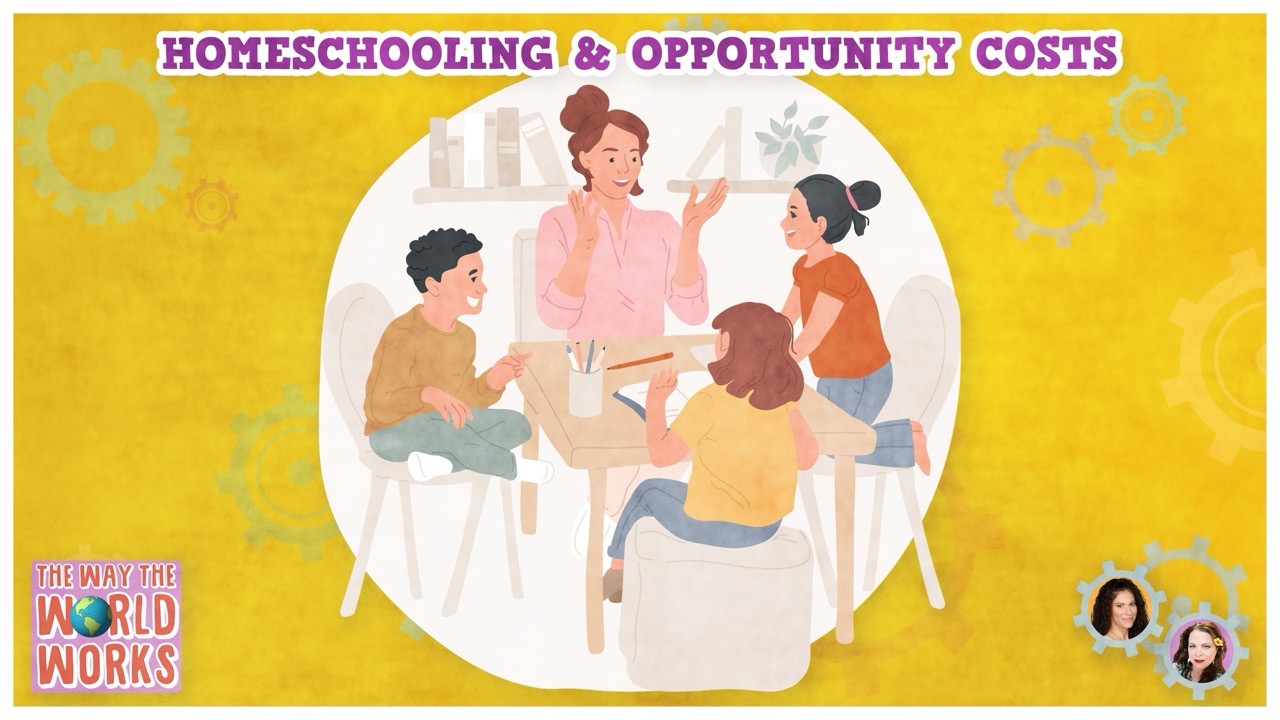
620. In praise of homeschool moms, opportunity cost [not-audio_url] [/not-audio_url]

Duration: 11:31
Is homeschool really cheaper than public school? Rachel makes the case for why it is not for most families, but that is not why we homeschool! We homeschool because it is right for our families and SO worth it! We explor…
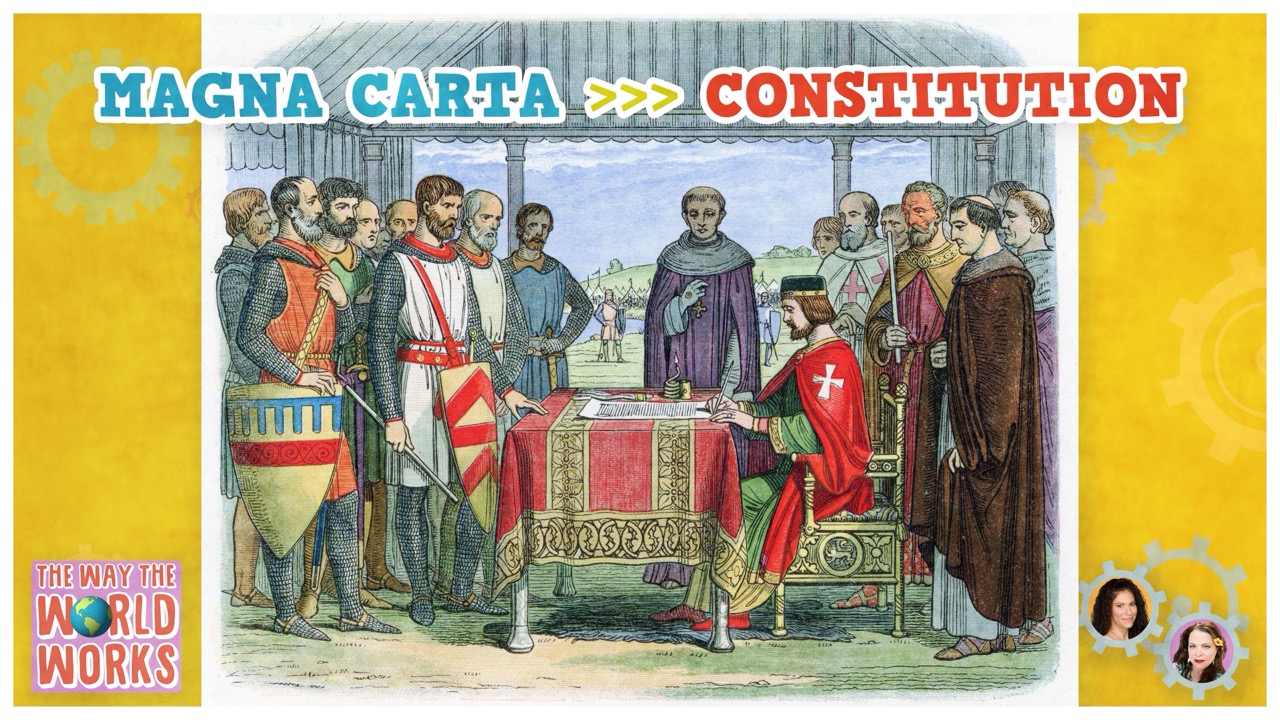
619. What Is The Magna Carta? [not-audio_url] [/not-audio_url]

Duration: 13:12
Nearly 600 years before the Revolutionary War, English Barons created a revolutionary document that laid the foundation for the Constitution.
618. Should I run for office? [not-audio_url] [/not-audio_url]

Duration: 13:26
If good people who believe in liberty don't occupy those seats in government, someone else will! Sometimes its really hard for someone skeptical of government power to choose to be a part of the "leviathan" but let's thi…
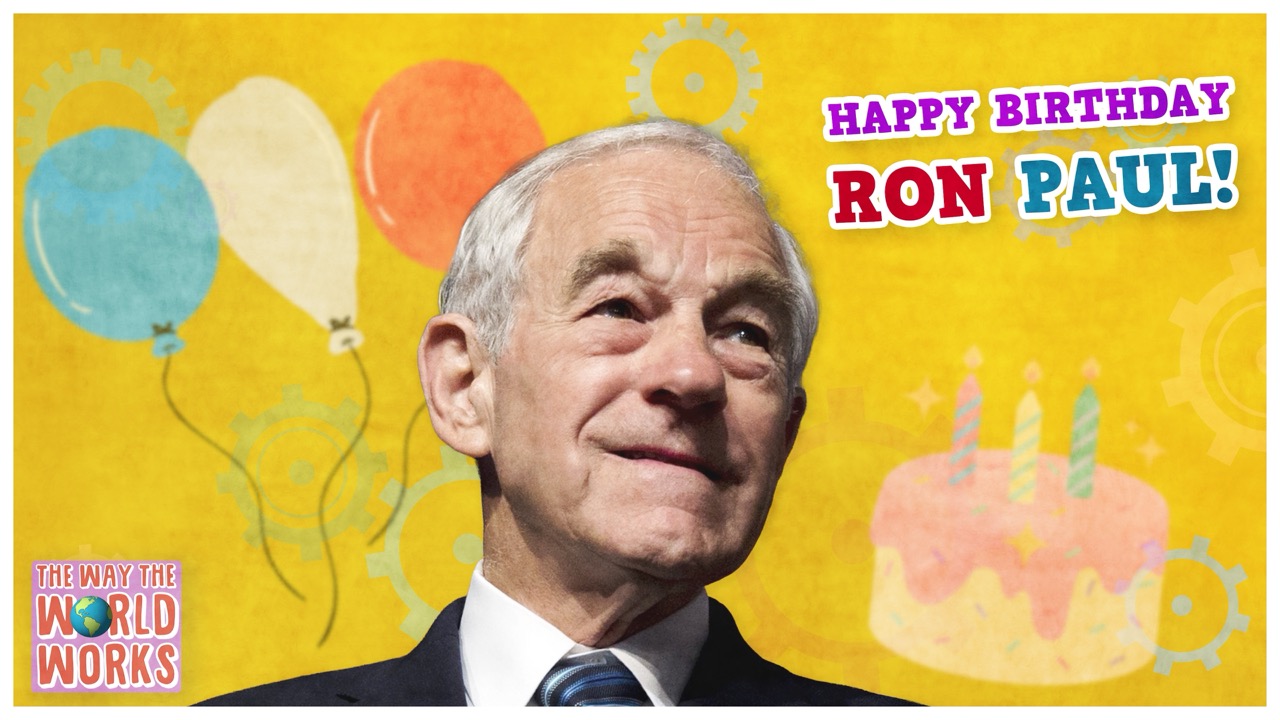
617. What Is So Special about Ron Paul? [not-audio_url] [/not-audio_url]

Duration: 12:48
On today's episode, we celebrate former Congressman Ron Paul's 90th birthday and discuss what makes him so special.
616. What Is The Socratic Method? [not-audio_url] [/not-audio_url]

Duration: 13:25
Greek philosopher Socrates believed that the best way to teach was by asking lots of questions to help someone think and find answers for themselves.
616. What Is The Socratic Method? [not-audio_url] [/not-audio_url]

Duration: 13:25
Greek philosopher Socrates believed that the best way to teach was by asking lots of questions to help someone think and find answers for themselves.
615. What Is A Character Arc? [not-audio_url] [/not-audio_url]

Duration: 12:00
As characters in stories go on adventures, face challenges, and learn important lessons, there comes a point where they must choose to either grow into someone braver, kinder, or wiser or go in the wrong direction and be…
614. What Is The Sunk Cost Fallacy? [not-audio_url] [/not-audio_url]

Duration: 12:27
Rachel and Brittany tackle another one of the logical fallacies that prevent people from thinking rationally.
612. When a joke is no joking matter [not-audio_url] [/not-audio_url]

Duration: 13:08
Sometimes we use humor to diffuse tense situations, but there are some situations where a joke can escalate things in really bad ways. Think: going through TSA at the airport. Or making fun of a friend, not knowing they…