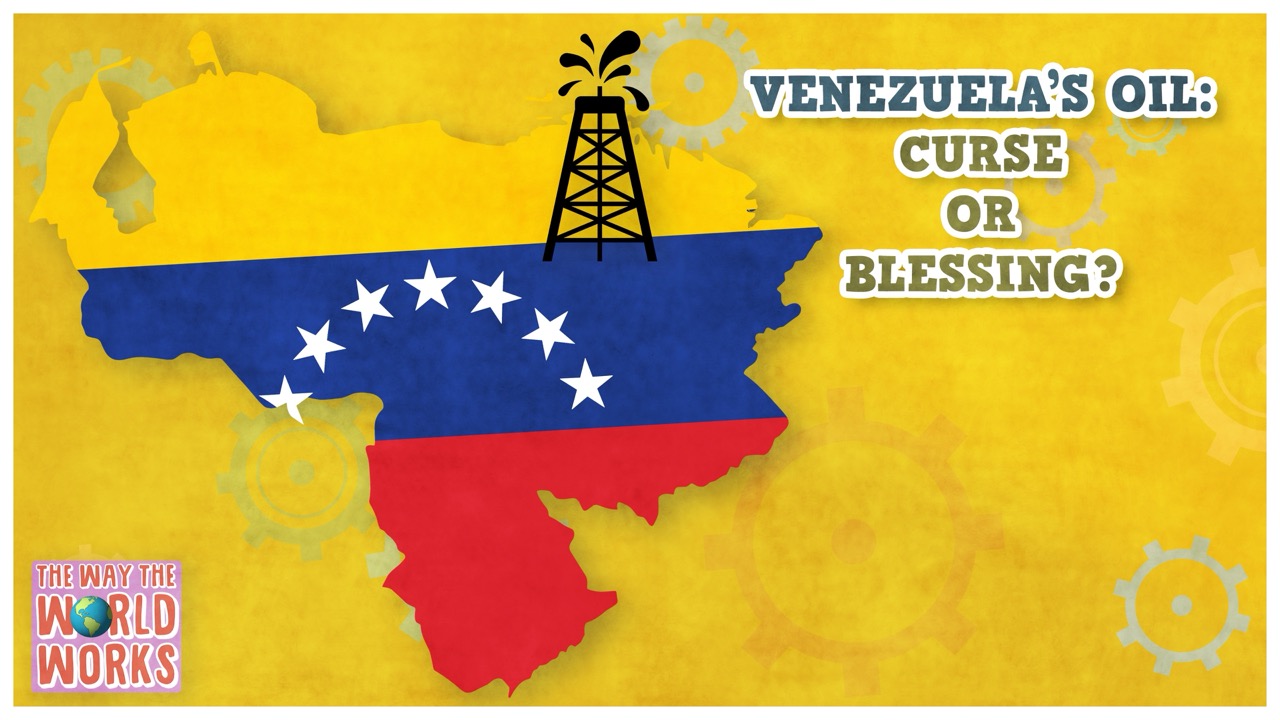
667. How Did Venezuela Mismanage Its Oil Reserves? A Lesson in Socialism's Failure

667. How Did Venezuela Mismanage Its Oil Reserves? A Lesson in Socialism's Failure

Author: Connor Boyack February 10, 2026 Duration: 12:45

Having vast natural resources doesn't guarantee prosperity — especially when government control, corruption, and socialist policies destroy incentives and efficiency.

Venezuela sits on some of the largest oil reserves in the world, a resource that should have made it one of the wealthiest nations on Earth. Instead, decades of government interference, nationalization, and socialist economic policies turned that opportunity into a humanitarian catastrophe.

In this episode of The Way the World Works, we trace Venezuela's oil history — from early prosperity driven by private enterprise to the disastrous effects of state control under leaders like Hugo Chávez and Nicolás Maduro. We explain how nationalizing the oil industry led to mismanagement, corruption, falling production, inflation, and ultimately widespread shortages of food and medicine.

Venezuela's story is a powerful reminder that when governments control industries instead of markets, the people — not the politicians — pay the price.

What You'll Learn in This Episode:

  • How Venezuela became rich through oil — and how it lost everything

  • Why nationalizing industries leads to mismanagement and corruption

  • How socialism destroyed incentives in Venezuela's oil sector

  • Why government control caused shortages of food and medicine

  • How inflation and money printing worsened the humanitarian crisis

Timestamps:

0:00 Venezuela's Oil Wealth and Promise
1:14 How Oil Created Early Prosperity
3:28 The Start of Government Control
3:52 Nationalization and Decline
5:14 Hugo Chávez and Renewed State Power
6:39 Mismanagement, Corruption, and Falling Production
8:08 Inflation, Shortages, and Poverty
9:39 Black Markets and Humanitarian Collapse
11:29 Why Socialism Always Fails the People

👍 Like this video if you want to understand how economic systems affect real lives
🔔 Subscribe for more values-based conversations about economics and history
💬 Comment below: Can socialism ever manage resources better than free markets?

Shop Resources:

📚 Get Tuttle Twins books and homeschool resources:
https://tuttletwins.com

Tags:

#Venezuela #OilReserves #Socialism #EconomicFailure #FreeMarkets #History #EconomicEducation #ValuesEducation


Looking for a way to navigate today’s complex world with your kids? The Way the World Works: A Tuttle Twins Podcast for Families, hosted by Connor Boyack, is here to help. This podcast extends the conversation from the popular book series into your daily life, offering a resource for parents and children to learn together. Each episode dives into current events and enduring ideas, breaking them down into understandable concepts that spark family discussion. The goal is to move beyond the noise and confusion, providing tools for critical thinking and clearer understanding. You’ll hear explorations of history, economics, and personal freedom, all framed in an engaging, age-appropriate manner. This isn’t about dry lectures; it’s about equipping your family with principles to analyze the world around them. Tune in to this podcast for regular episodes that blend education with real-world application, fostering curiosity and meaningful dialogue at home. It’s a natural next step for fans of the Tuttle Twins and a welcoming starting point for any family seeking to build a foundation of knowledge and shared values.
Author: Language: English Episodes: 100

The Way the World Works: A Tuttle Twins Podcast for Families
Podcast Episodes
620. In praise of homeschool moms, opportunity cost [not-audio_url] [/not-audio_url]

Duration: 11:31
Is homeschool really cheaper than public school? Rachel makes the case for why it is not for most families, but that is not why we homeschool! We homeschool because it is right for our families and SO worth it! We explor…
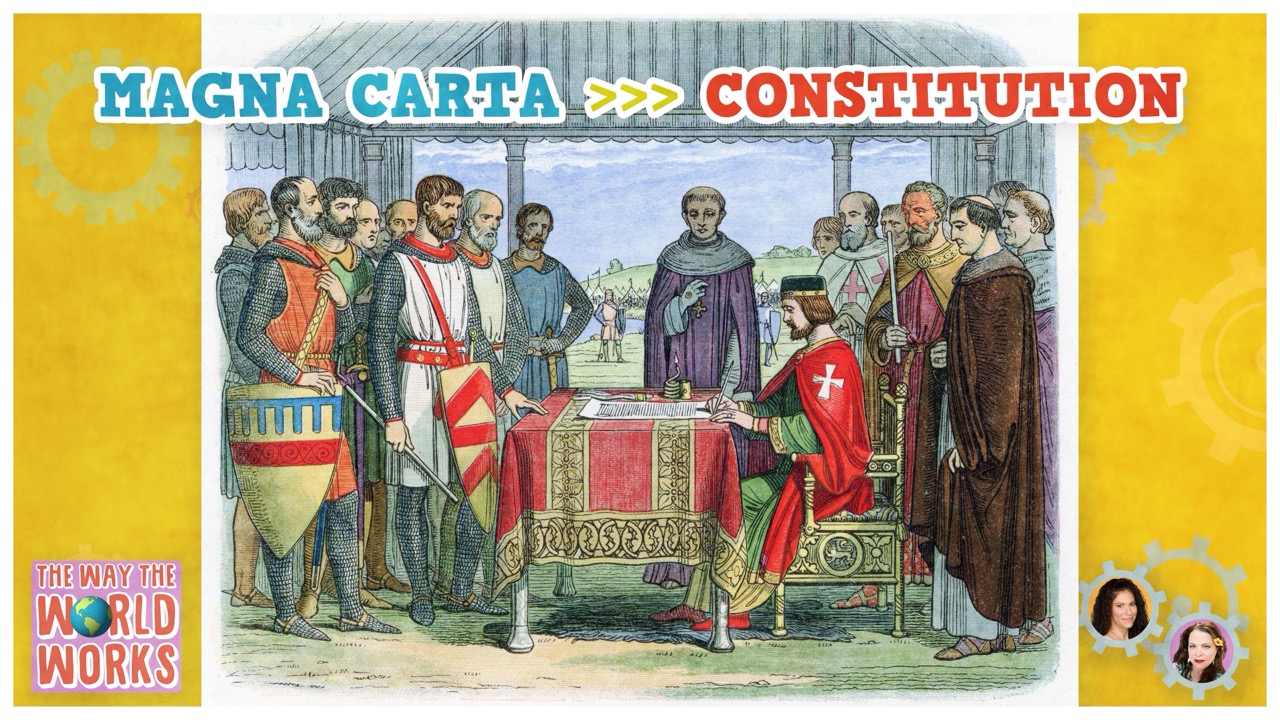
619. What Is The Magna Carta? [not-audio_url] [/not-audio_url]

Duration: 13:12
Nearly 600 years before the Revolutionary War, English Barons created a revolutionary document that laid the foundation for the Constitution.
618. Should I run for office? [not-audio_url] [/not-audio_url]

Duration: 13:26
If good people who believe in liberty don't occupy those seats in government, someone else will! Sometimes its really hard for someone skeptical of government power to choose to be a part of the "leviathan" but let's thi…
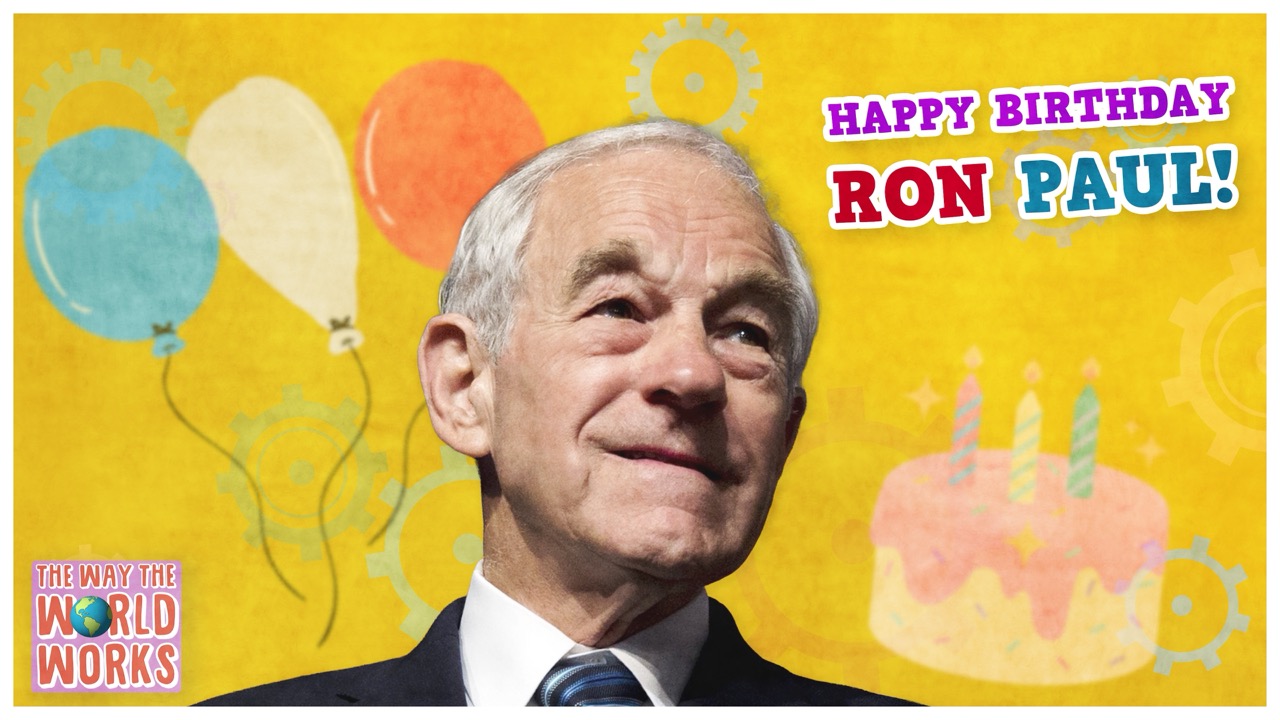
617. What Is So Special about Ron Paul? [not-audio_url] [/not-audio_url]

Duration: 12:48
On today's episode, we celebrate former Congressman Ron Paul's 90th birthday and discuss what makes him so special.
616. What Is The Socratic Method? [not-audio_url] [/not-audio_url]

Duration: 13:25
Greek philosopher Socrates believed that the best way to teach was by asking lots of questions to help someone think and find answers for themselves.
616. What Is The Socratic Method? [not-audio_url] [/not-audio_url]

Duration: 13:25
Greek philosopher Socrates believed that the best way to teach was by asking lots of questions to help someone think and find answers for themselves.
615. What Is A Character Arc? [not-audio_url] [/not-audio_url]

Duration: 12:00
As characters in stories go on adventures, face challenges, and learn important lessons, there comes a point where they must choose to either grow into someone braver, kinder, or wiser or go in the wrong direction and be…
614. What Is The Sunk Cost Fallacy? [not-audio_url] [/not-audio_url]

Duration: 12:27
Rachel and Brittany tackle another one of the logical fallacies that prevent people from thinking rationally.
612. When a joke is no joking matter [not-audio_url] [/not-audio_url]

Duration: 13:08
Sometimes we use humor to diffuse tense situations, but there are some situations where a joke can escalate things in really bad ways. Think: going through TSA at the airport. Or making fun of a friend, not knowing they…