676. What Is the Difference Between Equity and Equality? And Why It Matters

676. What Is the Difference Between Equity and Equality? And Why It Matters

Author: Connor Boyack March 24, 2026 Duration: 11:39

How we define fairness — equal treatment versus equal outcomes — shapes laws, education, hiring, and the future of opportunity in society.

The terms "equity" and "equality" are often used interchangeably, but they represent fundamentally different ideas. Equality means treating everyone the same under the law, regardless of race, gender, or background. Equity, on the other hand, focuses on outcomes — often treating people differently based on historical or social factors in an effort to create equal results.

In this episode of The Way the World Works, we break down the key differences between equity and equality, how these concepts are applied in areas like school admissions and hiring, and why they've become such a major part of modern debates. We explore how policies based on equity can impact merit, fairness, and individual opportunity — and why judging people based on immutable characteristics raises important ethical questions.

When fairness shifts from equal rules to engineered outcomes, who decides what's "fair"?

What You'll Learn in This Episode:

  • What equality means and why it's foundational to the rule of law
  • How equity differs by focusing on outcomes instead of equal treatment
  • What immutable characteristics are and why they matter
  • How equity policies affect education and hiring decisions
  • Why merit-based systems are central to fairness and opportunity

Timestamps:

0:00 What Is Equality?
1:30 Equality Under the Law Explained
3:00 What Is Equity?
5:00 The "Fence" Example Explained
7:30 How Equity Affects School Admissions
9:30 Hiring, Quotas, and Merit
12:00 Immutable Characteristics and Fairness
14:30 The Case for Merit-Based Systems

👍 Like this video if you believe fairness should be consistent for everyone
🔔 Subscribe for more values-based conversations about society, economics, and critical thinking
💬 Comment below: Should outcomes be equal, or should opportunities be equal?

Shop Resources:

📘 Learn more about merit and fairness in
The Tuttle Twins and the Miraculous Pencil
https://www.tuttletwins.com/products/the-tuttle-twins-and-the-miraculous-pencil

📚 Get Tuttle Twins books and homeschool resources:
https://tuttletwins.com

Tags:

#EquityVsEquality #Merit #Fairness #CriticalThinking #PublicPolicy #DEI #IndividualLiberty #ValuesEducation


Looking for a way to navigate today’s complex world with your kids? The Way the World Works: A Tuttle Twins Podcast for Families, hosted by Connor Boyack, is here to help. This podcast extends the conversation from the popular book series into your daily life, offering a resource for parents and children to learn together. Each episode dives into current events and enduring ideas, breaking them down into understandable concepts that spark family discussion. The goal is to move beyond the noise and confusion, providing tools for critical thinking and clearer understanding. You’ll hear explorations of history, economics, and personal freedom, all framed in an engaging, age-appropriate manner. This isn’t about dry lectures; it’s about equipping your family with principles to analyze the world around them. Tune in to this podcast for regular episodes that blend education with real-world application, fostering curiosity and meaningful dialogue at home. It’s a natural next step for fans of the Tuttle Twins and a welcoming starting point for any family seeking to build a foundation of knowledge and shared values.
Author: Language: English Episodes: 100

The Way the World Works: A Tuttle Twins Podcast for Families
Podcast Episodes
629. Who Was Charlie Kirk? [not-audio_url] [/not-audio_url]

Duration: 15:59
In this episode, Brittany explains why the young activist Charlie Kirk left such a mark on the world.
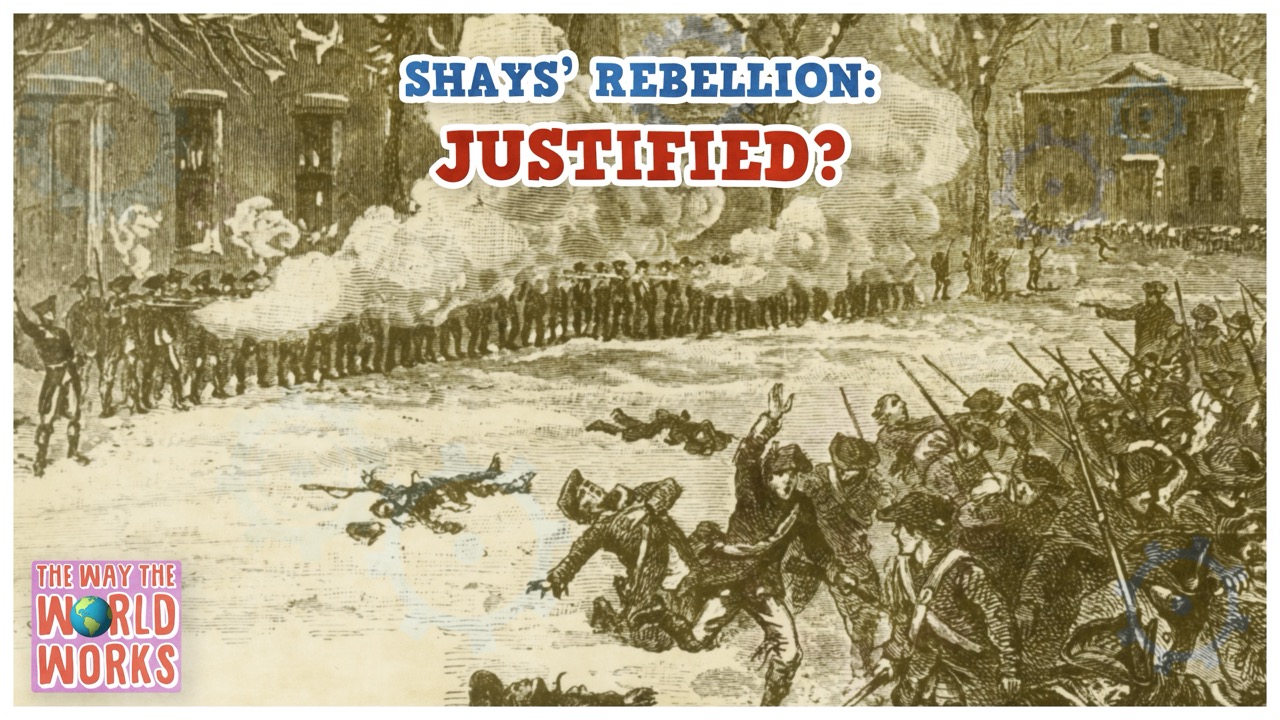
628. What Was Shays' Rebellion? [not-audio_url] [/not-audio_url]

Duration: 16:09
In the final days of the Articles of Confederation, things started heating up when one farmer returning home from the Revolutionary War had had enough.
627. What Are The Articles of Confederation? [not-audio_url] [/not-audio_url]

Duration: 14:31
After the Declaration of Independence was signed, but before the Constitution was signed, America was governed by what were called the Articles of Confederation.
625. Rule 3/10 Keep good company. Who is influencing you? [not-audio_url] [/not-audio_url]

Duration: 11:42
Choose your friends wisely. Do they want the best for you? Are they good influences? Are YOU a good influence on your friends? Choosing people you associate with is actually a pretty important life skill!
624. What Is The Road to Surfdom/Serfdom? [not-audio_url] [/not-audio_url]

Duration: 13:28
Over 80 years ago, economist F.A. Hayek wrote one of the most famous books in favor of individualism and free markets. It even inspired one of the Tuttle Twins books!
623. Not Yours to Give — A Davy Crockett Story [not-audio_url] [/not-audio_url]

Duration: 18:03
This story was so impactful for Ron Paul that he kept copies in his congressional office to pass out. Our thinking about the role of government and legitimate use of taxpayer funds has radically changed since Davy Crocke…
622. What is the Bill of Rights? [not-audio_url] [/not-audio_url]

Duration: 13:20
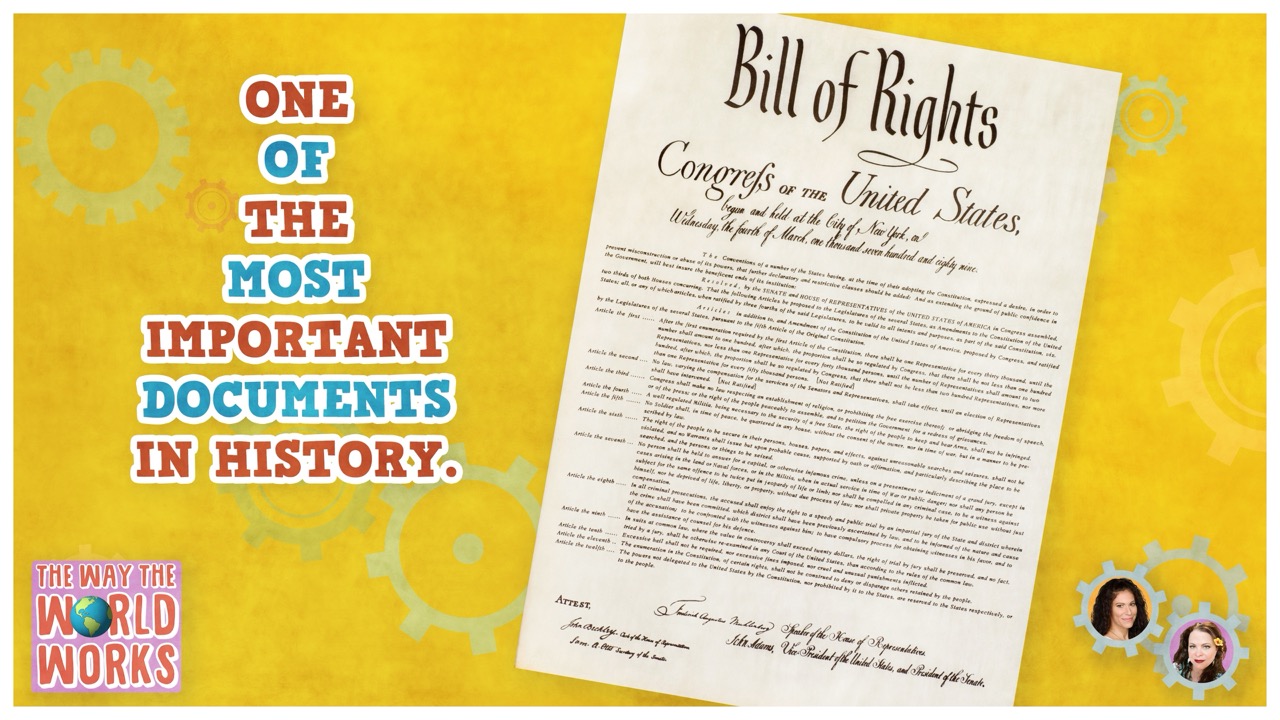
The first ten amendments to the Constitution were so important, they were given their own name, "The Bill of Rights."
622. What is the Bill of Rights? [not-audio_url] [/not-audio_url]

Duration: 13:20
The first ten amendments to the Constitution were so important, they were given their own name, "The Bill of Rights."
621. Who Was John D. Rockefeller? [not-audio_url] [/not-audio_url]

Duration: 15:26
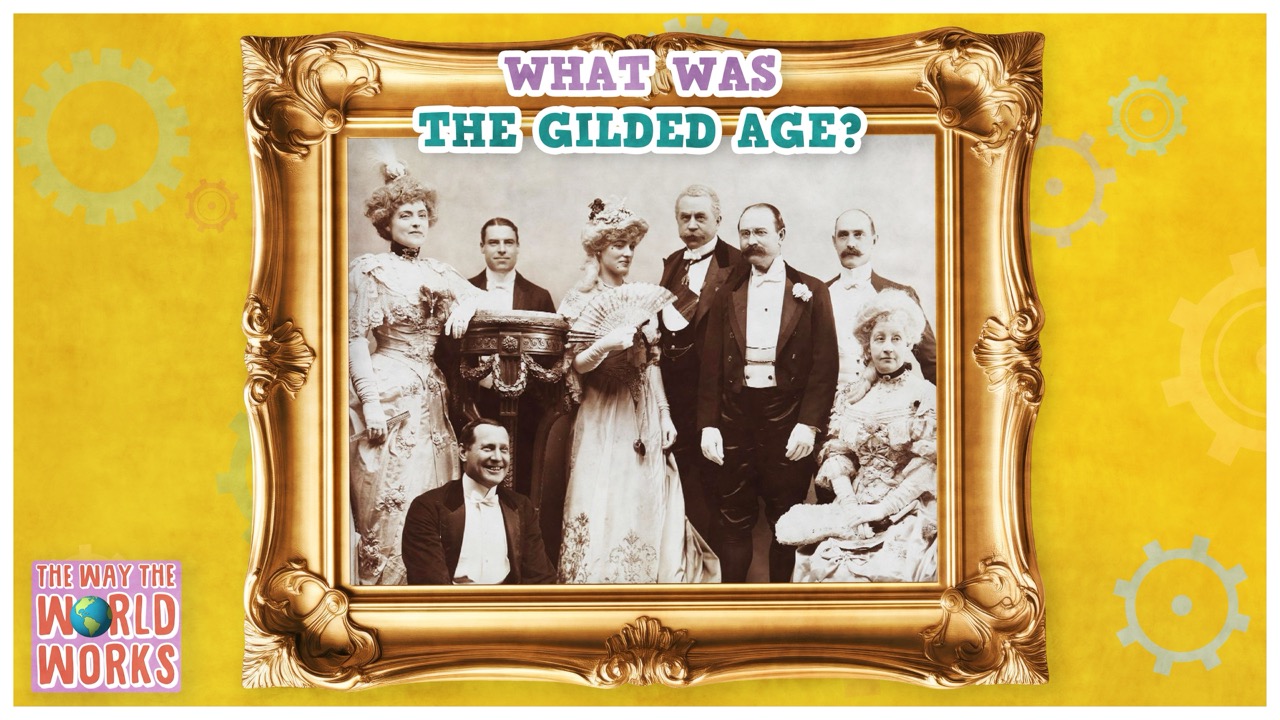
The story of John D. Rockefeller, one of the Gilded Era's self-made entrepreneurs.