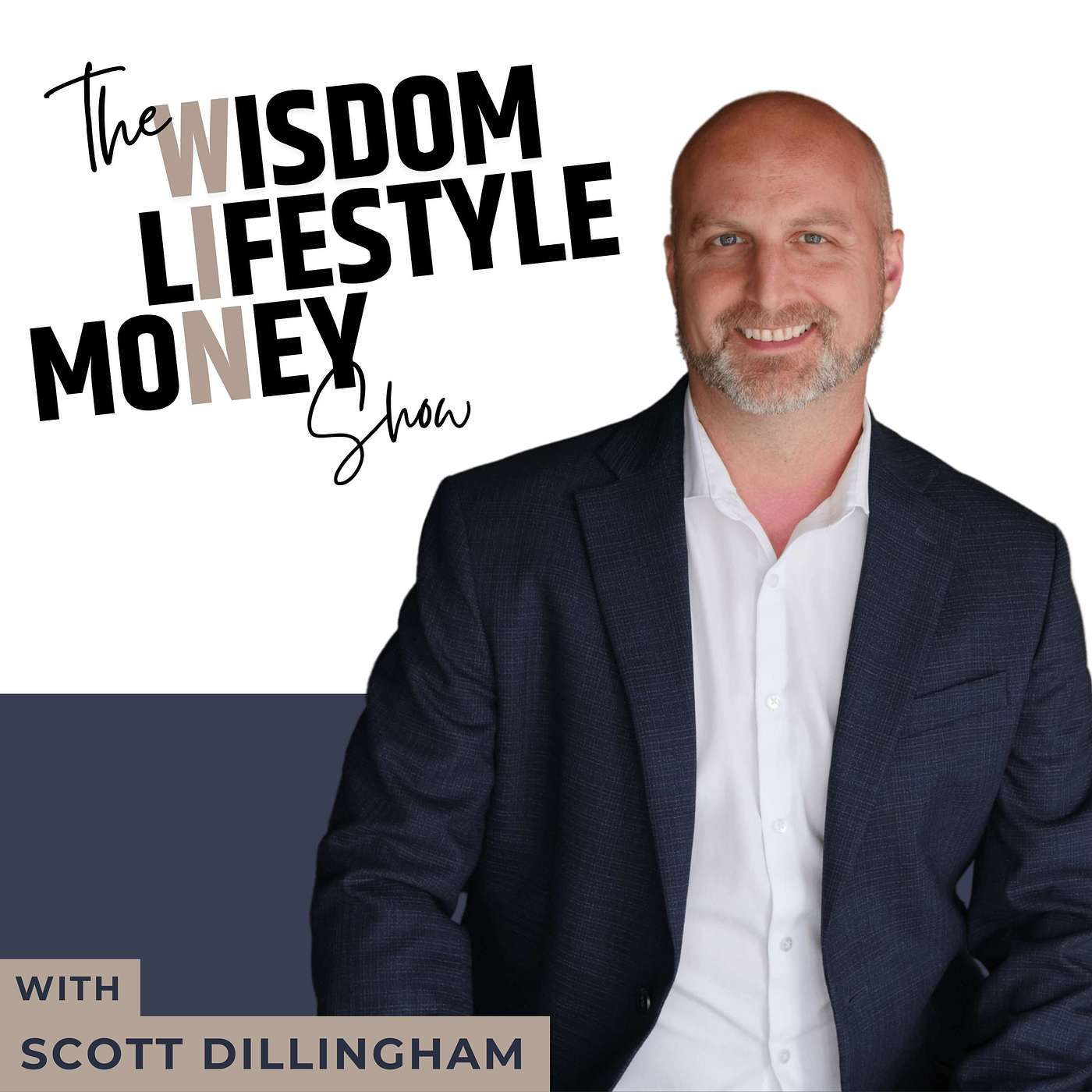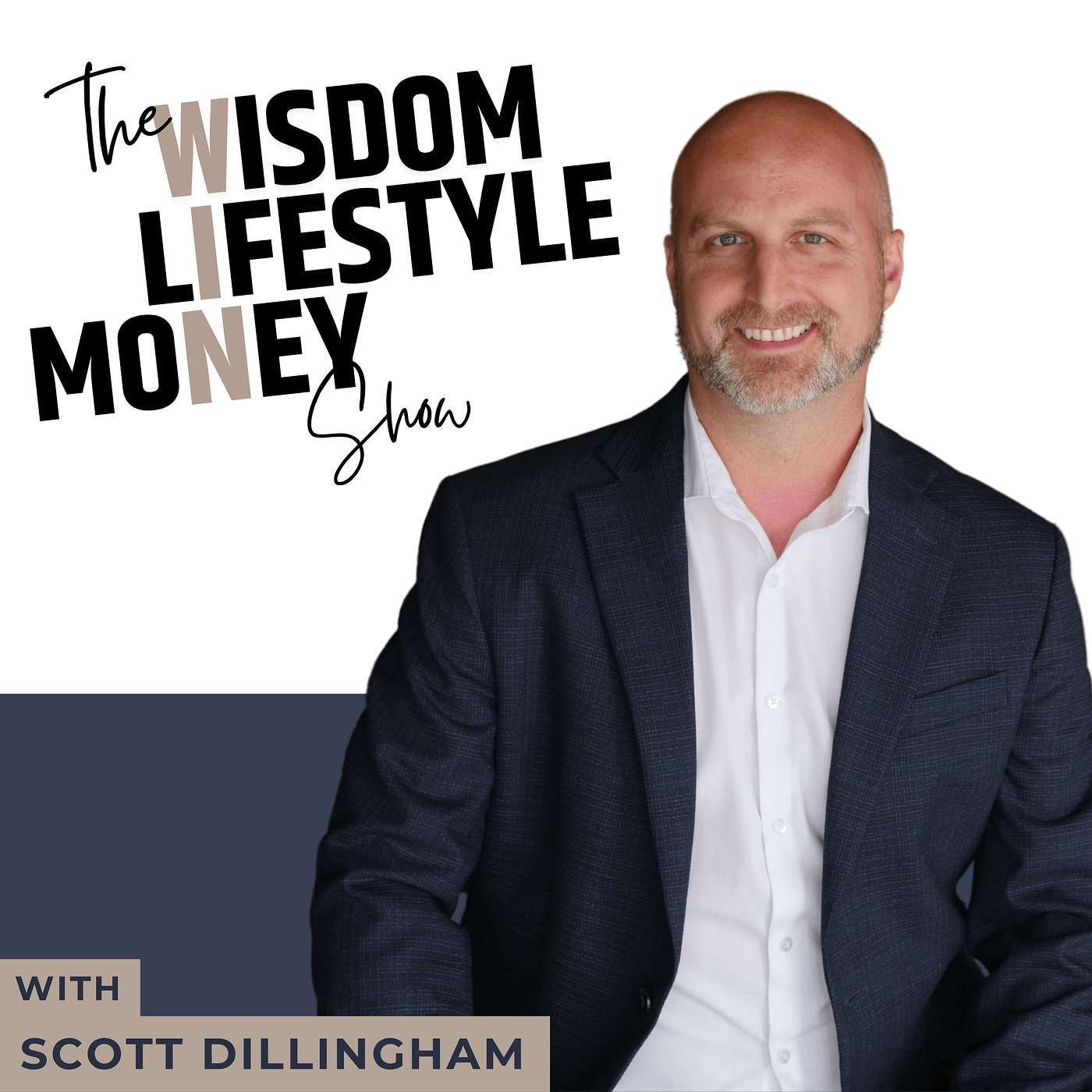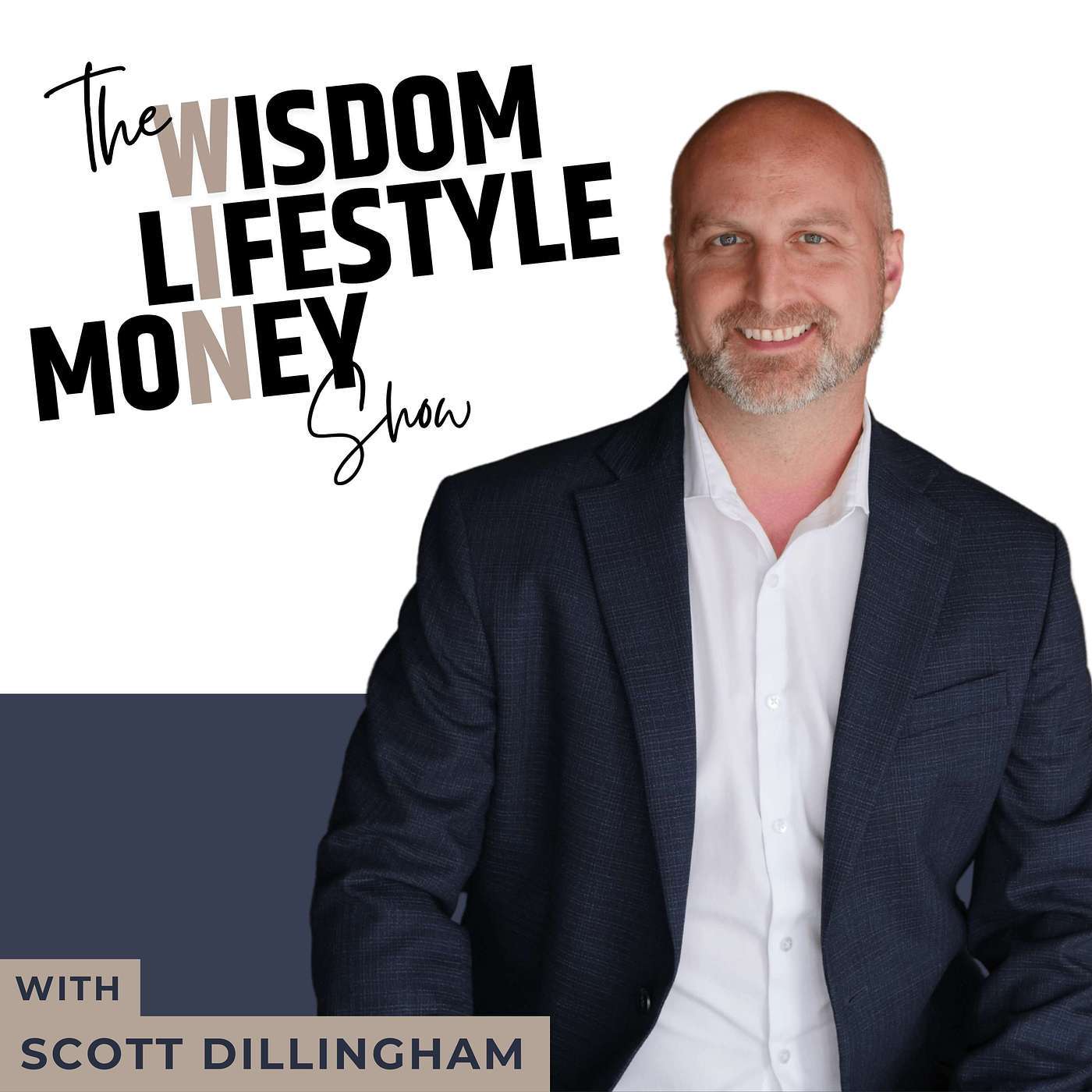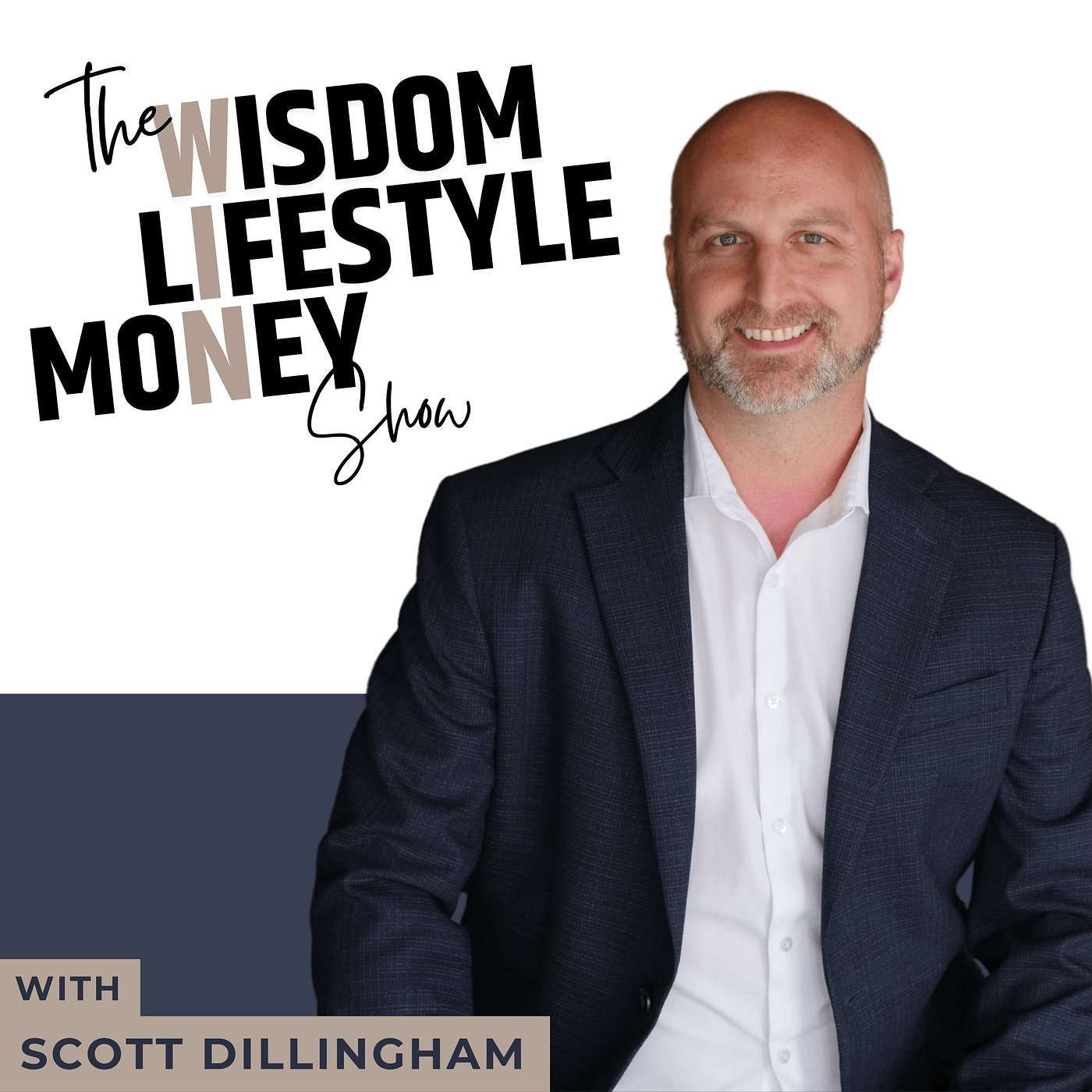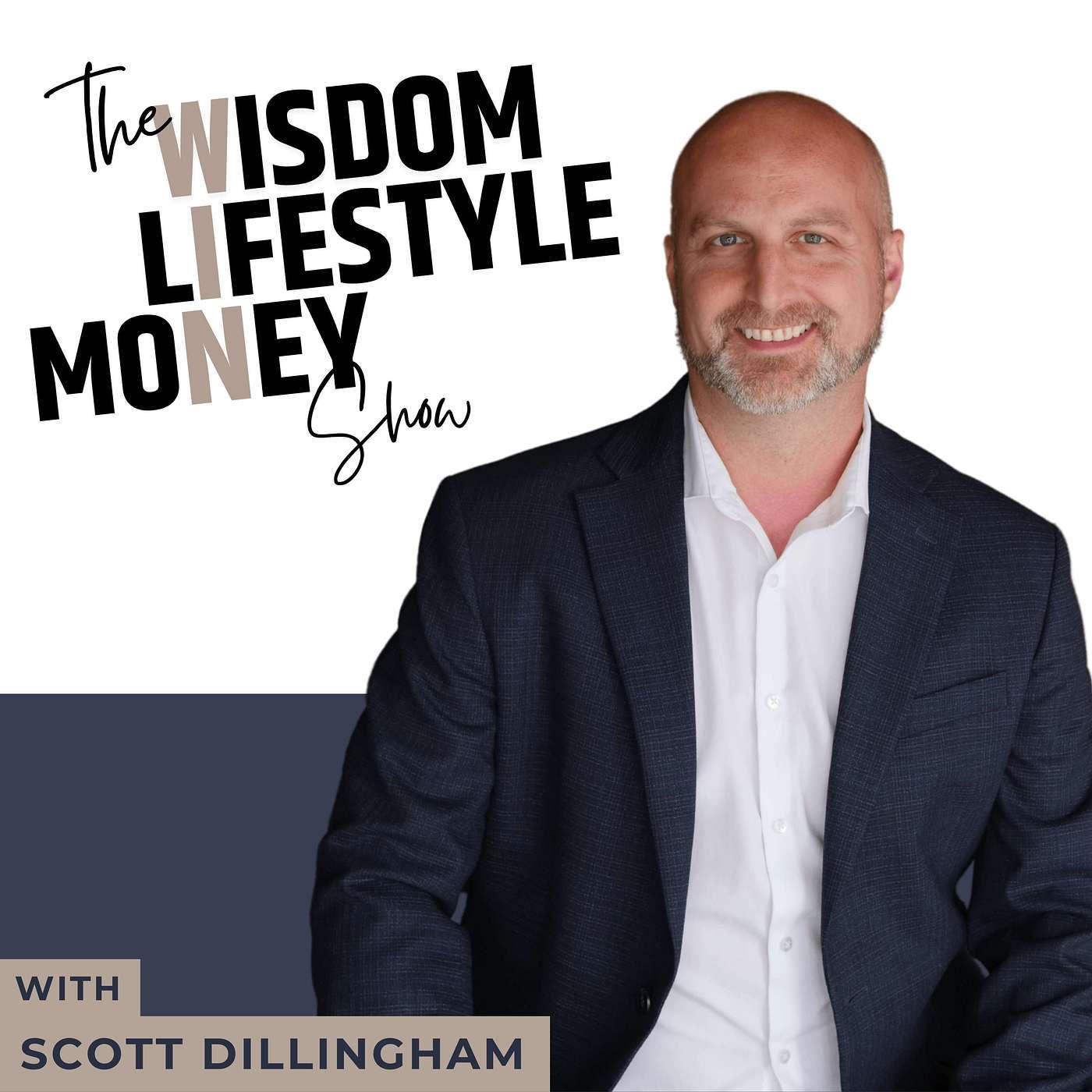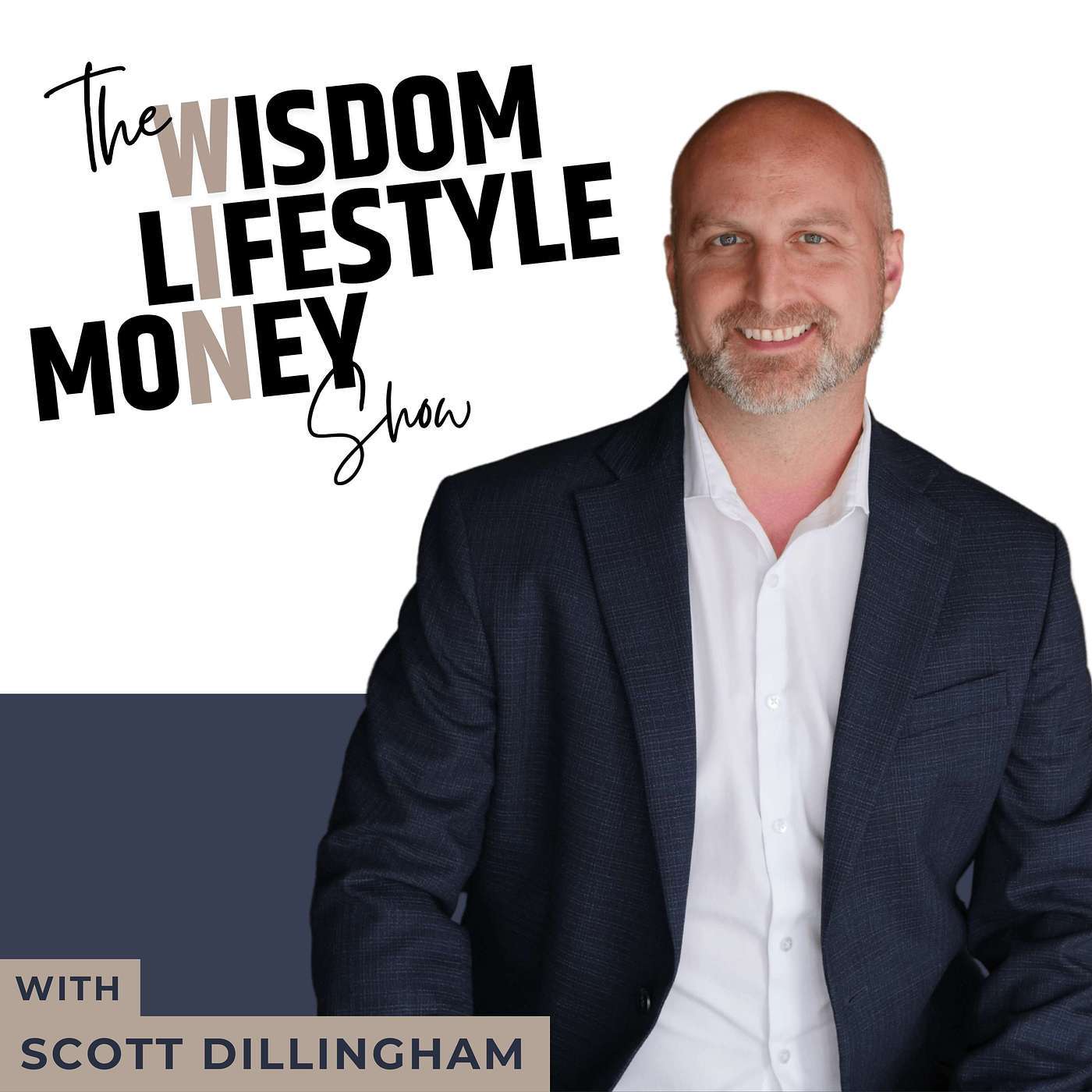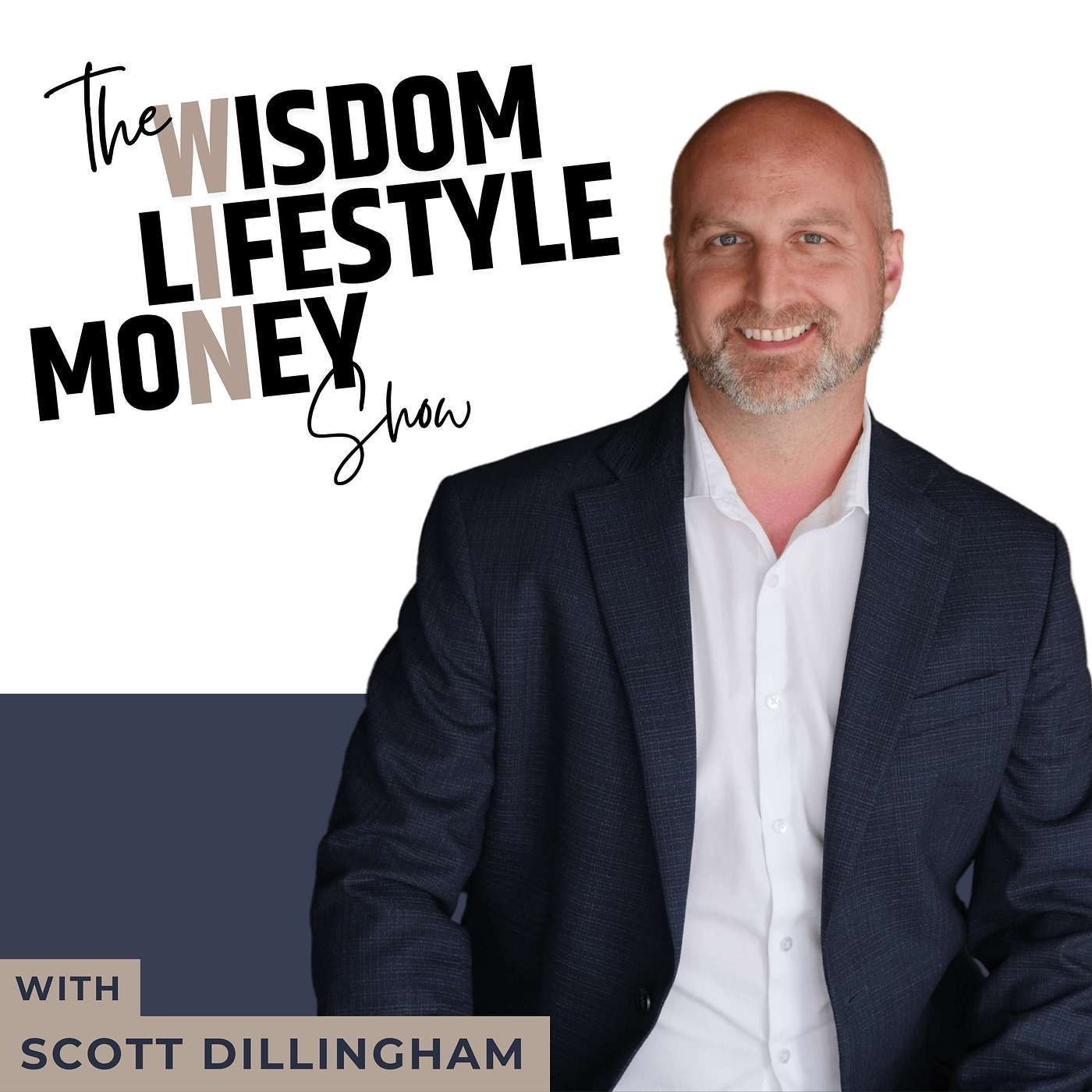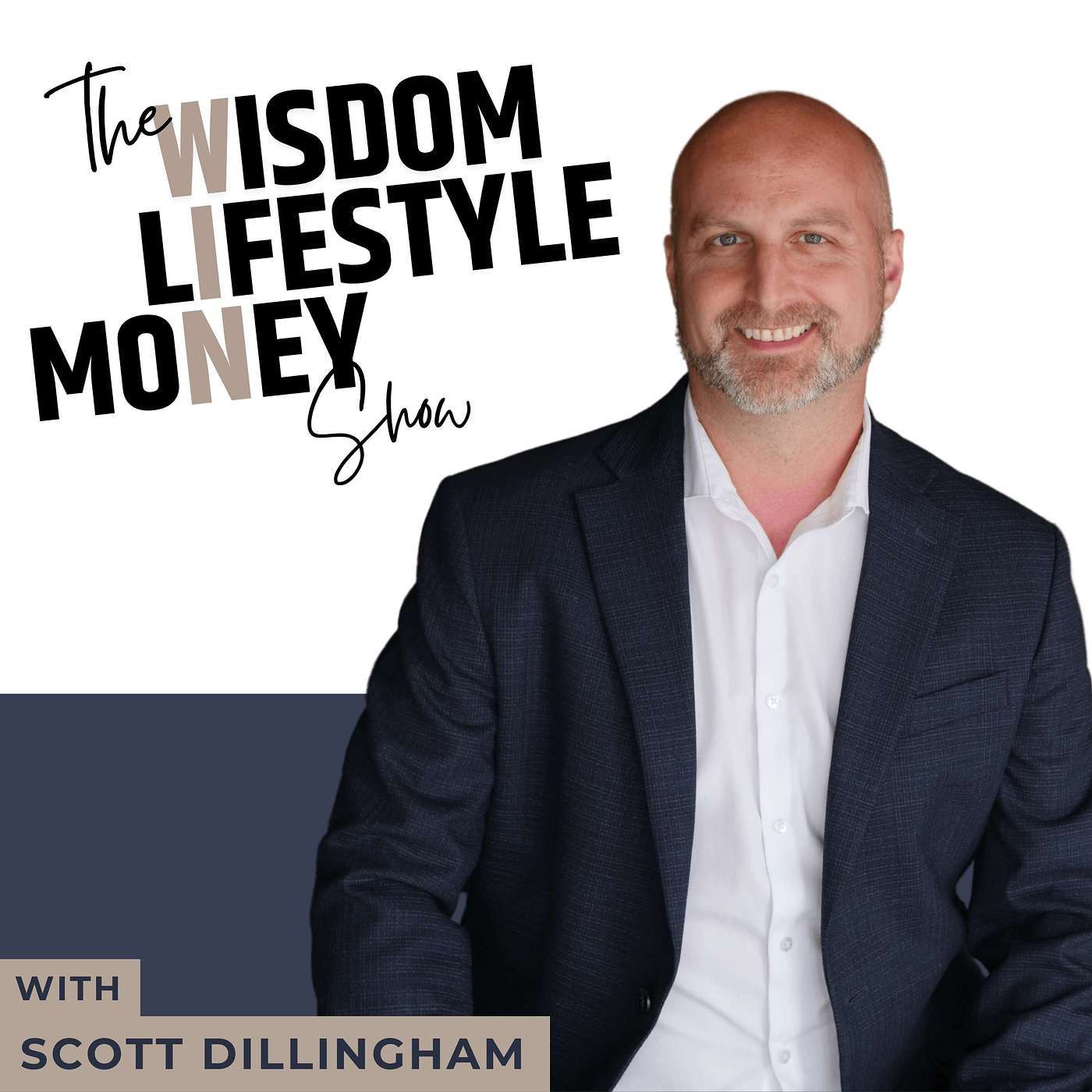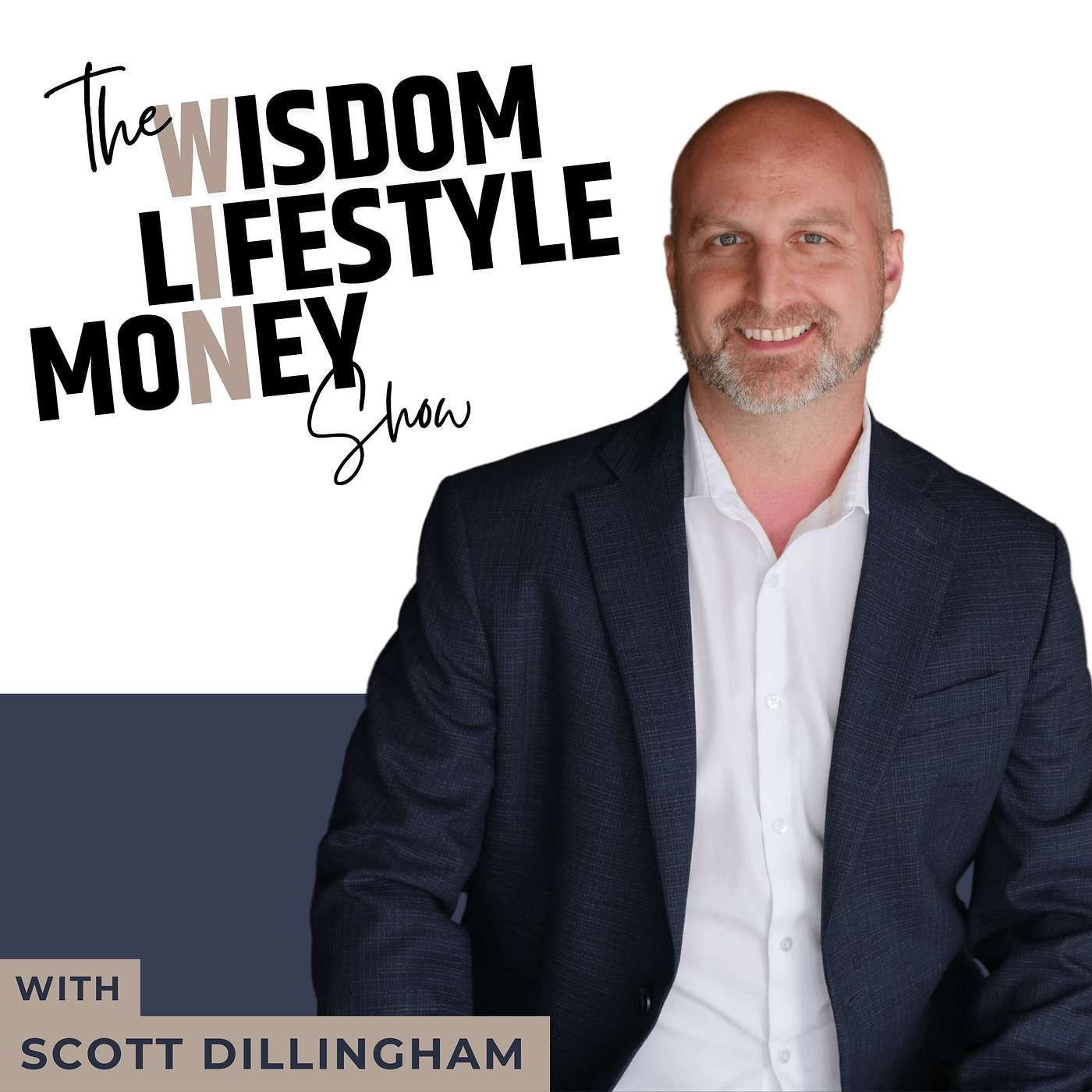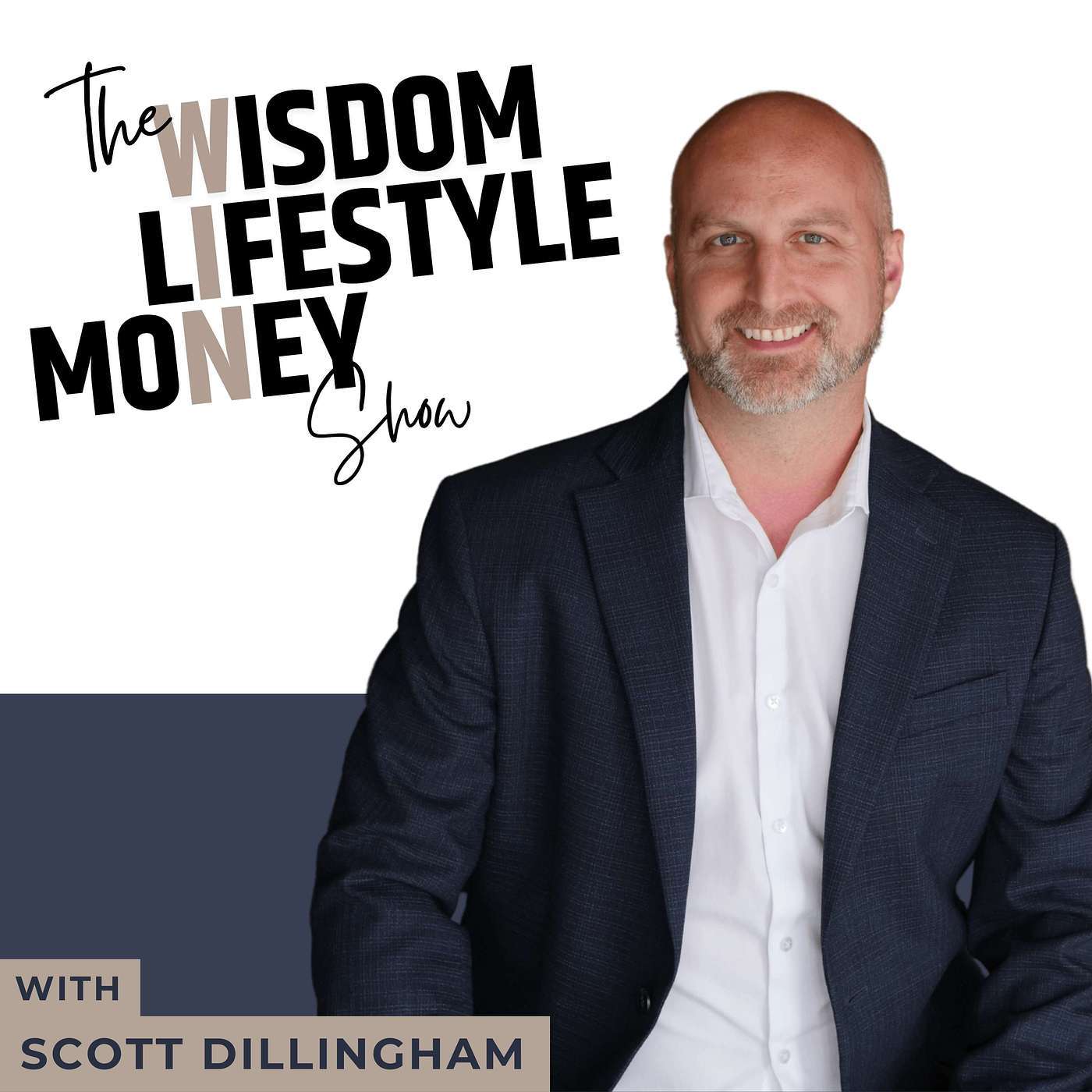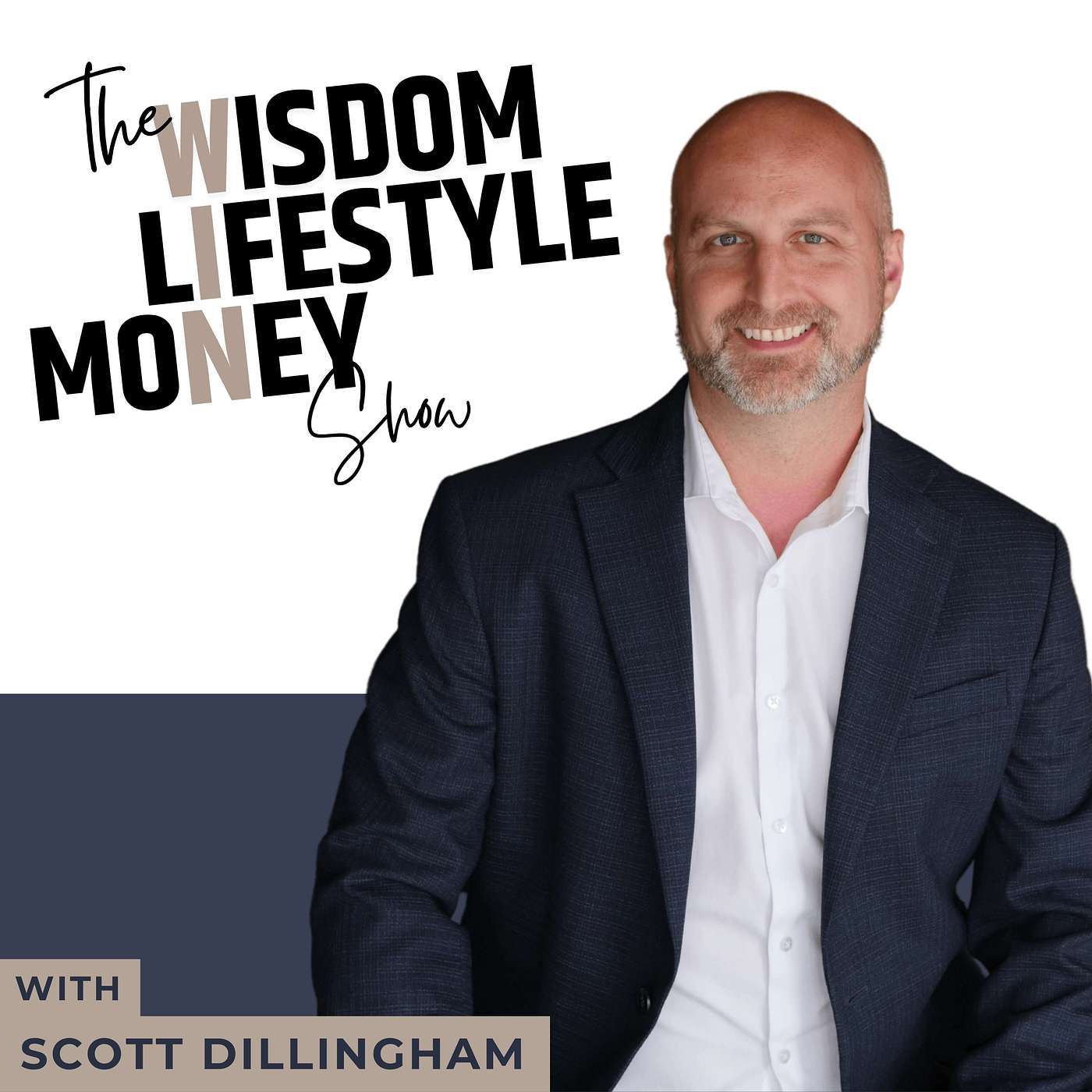
The Wisdom, Lifestyle & Money Show
Scott Dillingham hosts The Wisdom, Lifestyle & Money Show, a podcast built on the idea that true wealth is about more than just a bank balance. With over a billion dollars in Canadian real estate financing under his belt, Scott moves beyond basic tips to explore the interconnected layers of smart investing, practical business acumen, and the personal growth required to sustain it all. This isn't just theory; it's a direct line to the strategies and mindset shifts used by successful investors. Episodes delve into the specifics of mortgage financing, managing rental properties, and the complexities of cross-border investing in the US, while also tackling the entrepreneurial journey. The conversation always returns to investing in yourself-because financial mechanics without wisdom and a balanced lifestyle only tell half the story. For Canadians looking to navigate their financial future with clarity, this podcast provides a grounded, expert-led dialogue where actionable advice meets a broader perspective on what it means to build something lasting. You'll hear detailed breakdowns, candid stories, and the kind of insider knowledge that comes from real-world experience, all designed to help you make more informed decisions with your money, your business, and your time.