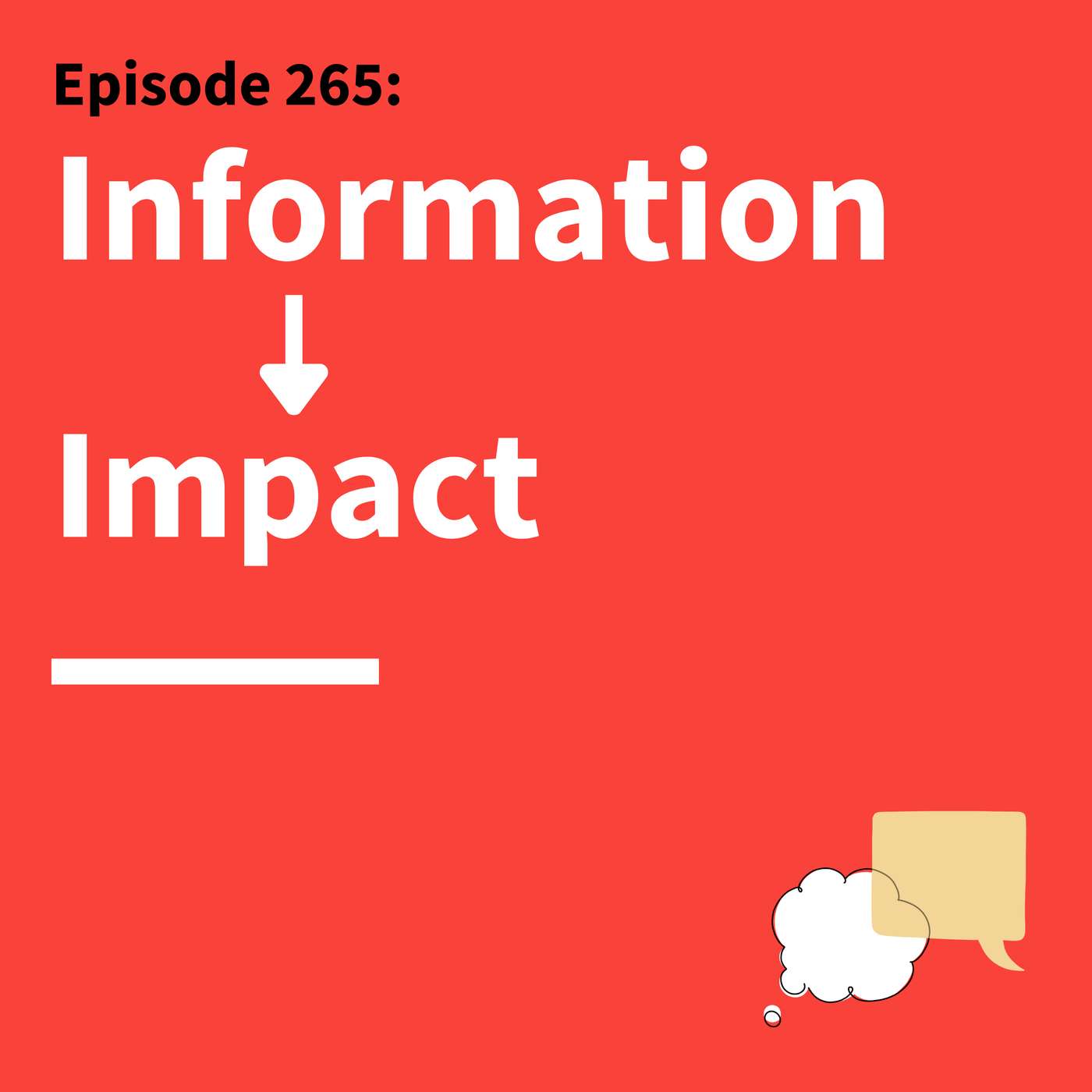
265. Complexity to Connection: Humanizing High-Stakes Communication

265. Complexity to Connection: Humanizing High-Stakes Communication

Author: Matt Abrahams, Think Fast Talk Smart February 19, 2026 Duration: 23:35

How to turn complexity into connection through clear communication.


Communication in high-stakes moments isn’t about saying more — it’s about connecting better. For Jonathan Berek and Phil Polakoff, the most effective communicators don’t rely on jargon or performance. They rely on empathy, listening, and stories that resonate.

Both longtime Stanford Medicine leaders, Berek and Polakoff have spent their careers translating complex, emotional, and often urgent health issues for patients, colleagues, and the public. And they’ve learned that the message only lands when it’s delivered at the right level, with the right intention. “Know your audience,” Berek says, describing the importance of “leveling” — communicating in language that meets people where they are, without talking down or over their heads.

For both Berek and Polakoff, listening is the foundation. “The two most important skills in communication are empathy and listening,” Berek explains — not as soft skills, but as the core mechanics of trust. Polakoff agrees, pushing for directness and clarity: “I like a yes or a no. I don’t like ambivalence or ambiguity.” And when it comes to being memorable, he’s relentless about simplicity: “Think bold, start small.”

In this episode of Think Fast, Talk Smart, Berek and Polakoff join host Matt Abrahams to examine what great communicators actually do: prepare deeply, speak concisely, listen with intention, and use storytelling to bring others along. Because as Berek puts it, “People feel the emotion when they see a story,” and emotion — paired with clarity — is what turns information into impact.

Episode Reference Links:

Connect:


Chapters:

  • (00:00) - Introduction
  • (03:36) - Raising Awareness For Women’s Cancer
  • (04:33) - Redefining Health Beyond Disease
  • (05:55) - Why Storytelling is Essential
  • (07:55) - What Makes a Story Memorable
  • (09:32) - Advice for Better Communication
  • (10:33) - Making Complex Ideas Accessible
  • (11:21) - Speaking at Your Audience’s Level
  • (12:44) - Listening & Empathy
  • (13:26) - Improving Communication with Improv
  • (14:55) - Communication for Collective Change
  • (17:34) - Mentorship & The Big Picture
  • (18:45) - The Final Three Questions
  • (22:35) - Conclusion

 ********
Thank you to our sponsors.
 These partnerships support the ongoing production of the podcast, allowing us to bring it to you at no cost.

This episode is brought to you by Babbel. Think Fast Talk Smart listeners can get started on your language learning journey today- visit Babbel.com/Thinkfast and get up to 55% off your Babbel subscription.

Join our Think Fast Talk Smart Learning Community and become the communicator you want to be. 


Ever find yourself scrambling for the right words in a high-stakes meeting or struggling to get your point across clearly? That’s the territory Think Fast Talk Smart: Communication Techniques explores. Hosted by Matt Abrahams, a Stanford lecturer and author who understands the real-world pressure of thinking on your feet, this podcast digs into the mechanics of how we connect and convey ideas. Each episode features conversations with specialists across various fields, moving beyond theory to deliver concrete methods you can use immediately. Whether it’s navigating a difficult conversation, structuring a persuasive pitch, or simply becoming a more engaged listener, Matt focuses on the tactical skills that build confidence. The discussions are grounded in his professional experience and academic background, offering a blend of research and relatable application. You’ll hear specific techniques for organizing your thoughts under pressure, using storytelling to make data memorable, and adjusting your communication style for different audiences. This isn’t about abstract concepts; it’s a resource for anyone who needs to influence, lead, or collaborate more effectively in their career and daily interactions. Tune in to this practical podcast for a regular dose of insights that aim to make your communication more intentional and impactful, one conversation at a time.
Author: Language: English Episodes: 284

Think Fast Talk Smart: Communication Techniques
Podcast Episodes
9. Quick Thinks: How Being Present-Oriented Improves Communication [not-audio_url] [/not-audio_url]

Duration: 8:22
Although it may feel counter intuitive, letting go of our prepared notes and focusing on the present can help us communicate more effectively.In this Quick Thinks episode, host Matt Abrahams speaks with Stanford Universi…
7. Quick Thinks: Use This Framework to Speak up in Virtual Meetings [not-audio_url] [/not-audio_url]

Duration: 6:44
We've all been in the situation where you have something important to contribute to a meeting and you don't know how to insert your thoughts. On this Quick Thinks episode of Think Fast, Talk Smart, podcast host Matt Abra…
6. Quick Thinks: Communicating and Leading Virtually [not-audio_url] [/not-audio_url]

Duration: 9:56
Leading successful meetings remotely and being a strong speaker on-screen require specific skills. Communicating effectively has to do with your presence, ability to leverage tools, and your audience engagement. In this…
5. From Monologue to Dialogue: How to Handle a Skeptical Audience [not-audio_url] [/not-audio_url]

Duration: 19:33
Preparing to speak in front of a skeptical audience is more than thinking about objections beforehand – there are specific techniques you can use to respond to these challenging situations without sounding defensive, eva…