110E-122-This Comet Will Never Return

110E-122-This Comet Will Never Return

Author: Albert D. Grauer January 5, 2021 Duration: 2:01
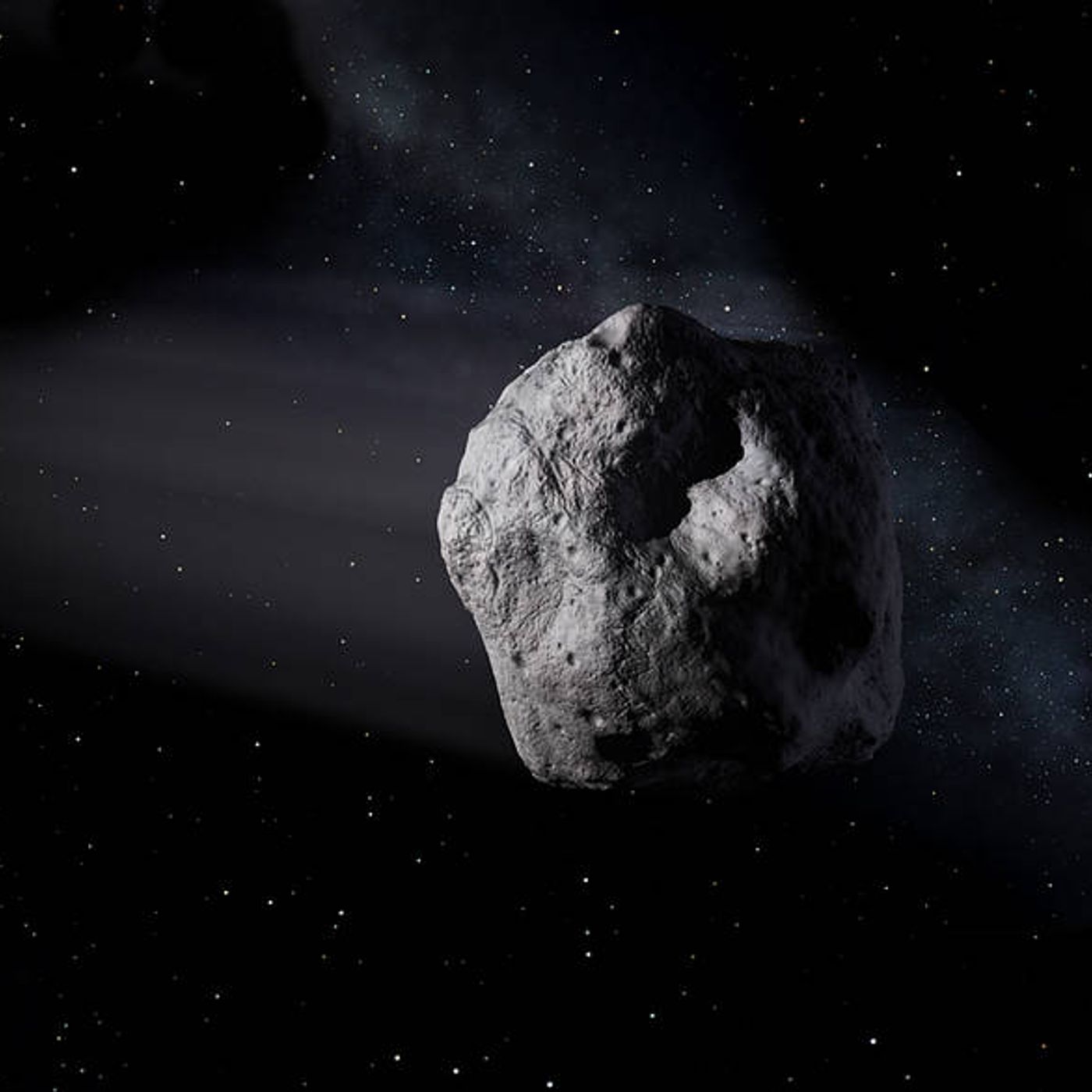
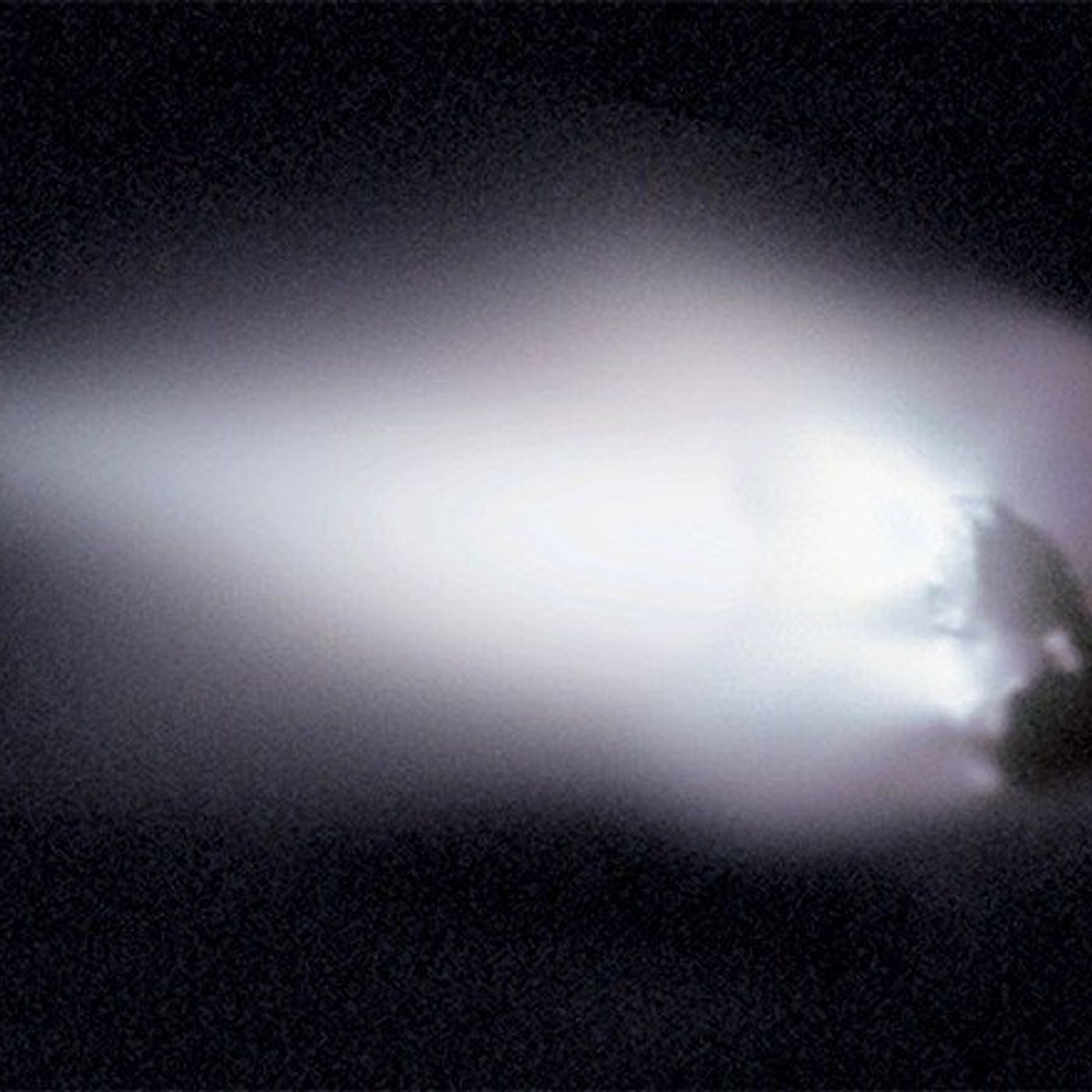
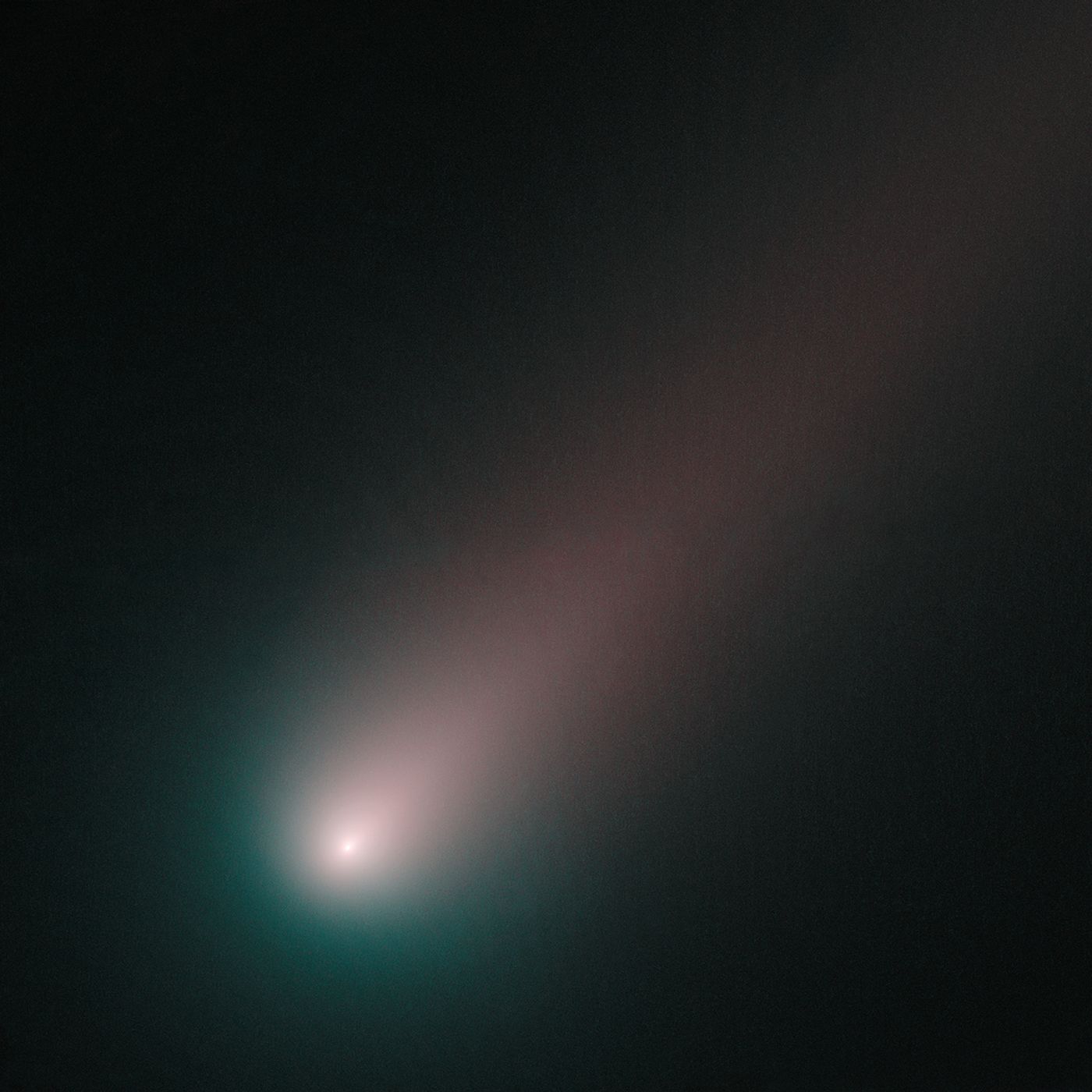
Unlike Halley's [h AE - l ee ] comet which returns to our neighborhood once about every 76 years, Comet C2013 US10/Catalina will pass this way once never to return. In 2028 Kowalski's comet will pass Pluto's average distance from the Sun. After that it will continue to move away from the Sun, become an interstellar traveler in the night, and perhaps some day a countless number of human lifetimes from now become a comet in another solar system.

Each episode of Travelers In The Night feels like a quiet, personal conversation under a dark sky. Hosted by astronomer Dr. Albert D. Grauer, this podcast brings the distant cosmos into sharp, intimate focus. Dr. Grauer isn't just an observer; he's an active participant in the hunt, working with the Catalina Sky Survey team that has consistently discovered near-Earth asteroids for years. In these brief and engaging segments, you'll hear firsthand accounts of what it's like to track these ancient celestial travelers-the asteroids and comets that silently pass by our world. The discussions move beyond simple facts to explore the real-world implications of these discoveries, from planetary defense to the sheer wonder of our dynamic solar system. Accompanied by the contemplative music of John Lyell's "Eternity," each installment offers a moment of calm reflection on humanity's place in the universe. It’s a perfect blend of grounded science and cosmic curiosity, making complex astronomical concepts accessible and deeply fascinating. For anyone who has ever looked up and wondered what's out there moving in the dark, this podcast provides a direct line to the front lines of discovery.
Author: Language: English Episodes: 1000

Travelers In The Night
Podcast Episodes
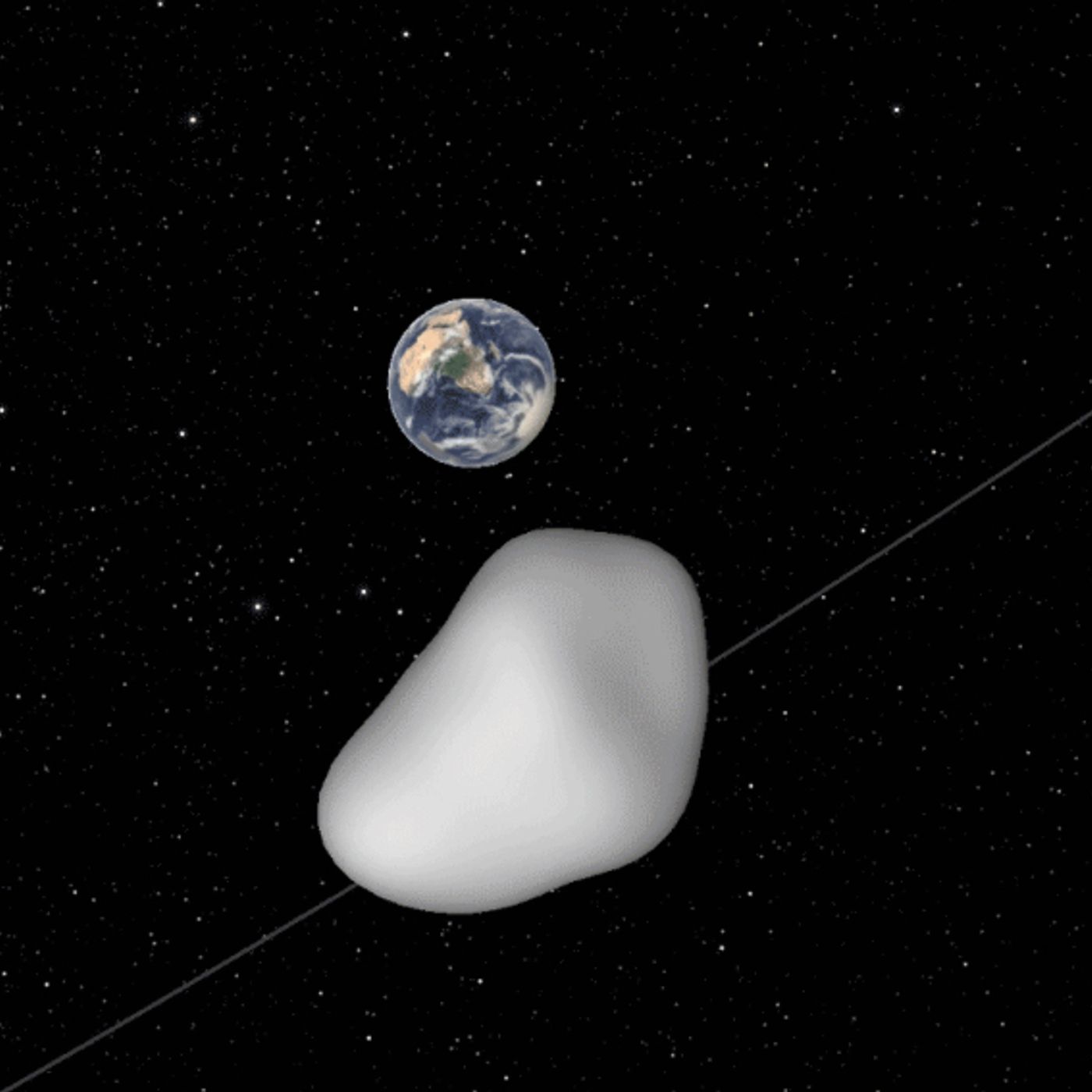
384-Flying By [not-audio_url] [/not-audio_url]

Duration: 2:01
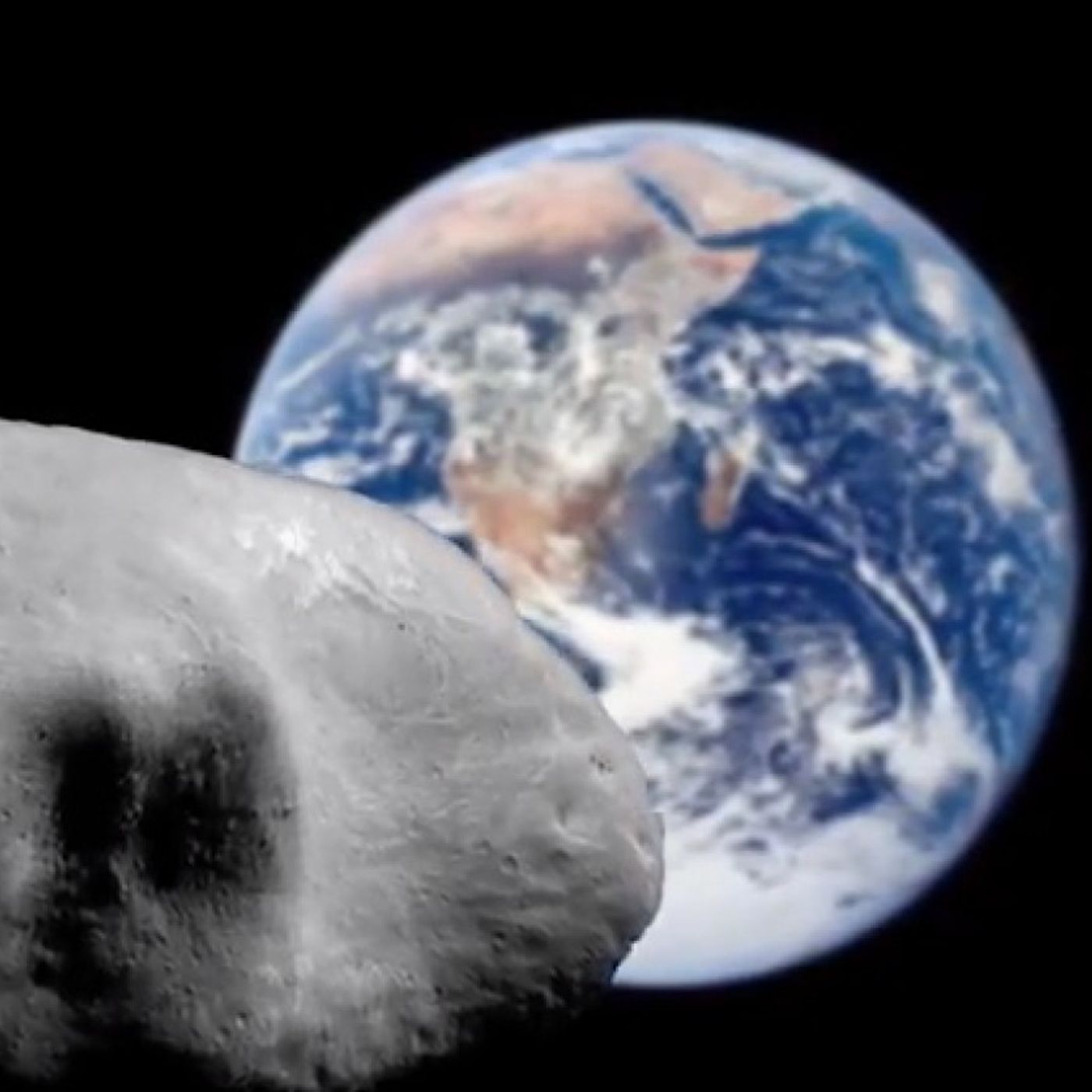
A small asteroid tests planetary defenses.
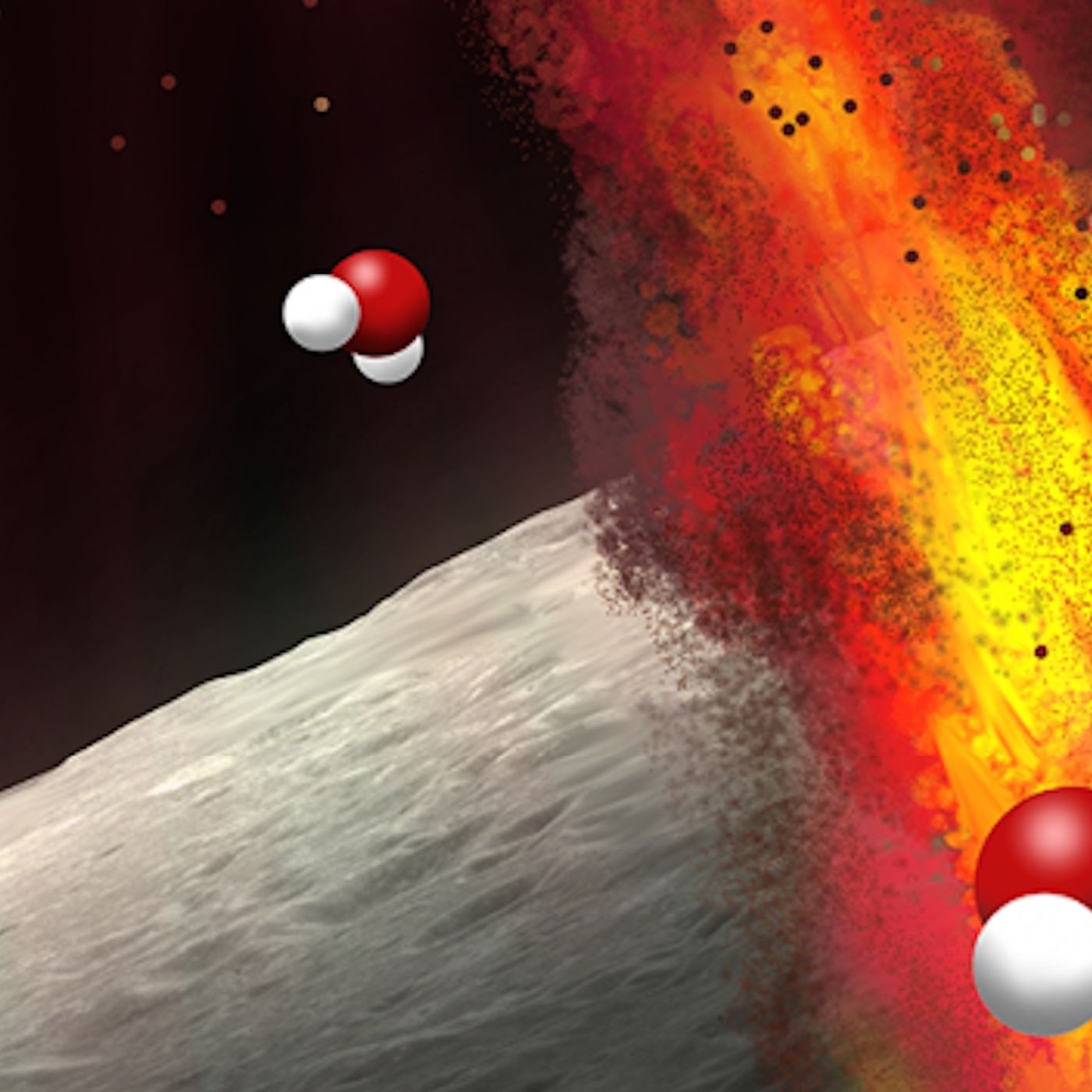
383-Moon Water [not-audio_url] [/not-audio_url]

Duration: 2:01
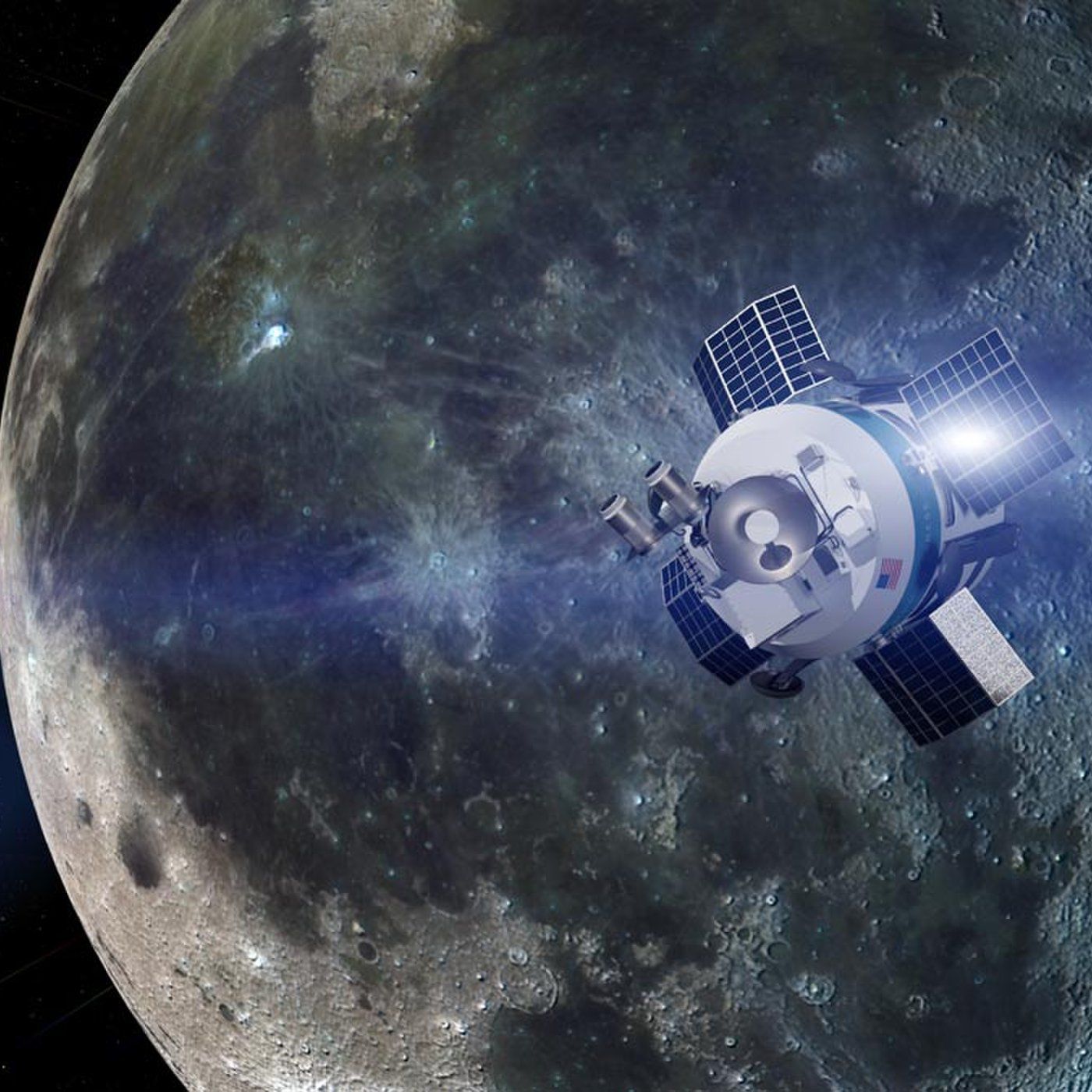
The Moon is water rich and can supply lunar colonists with many of their needs.
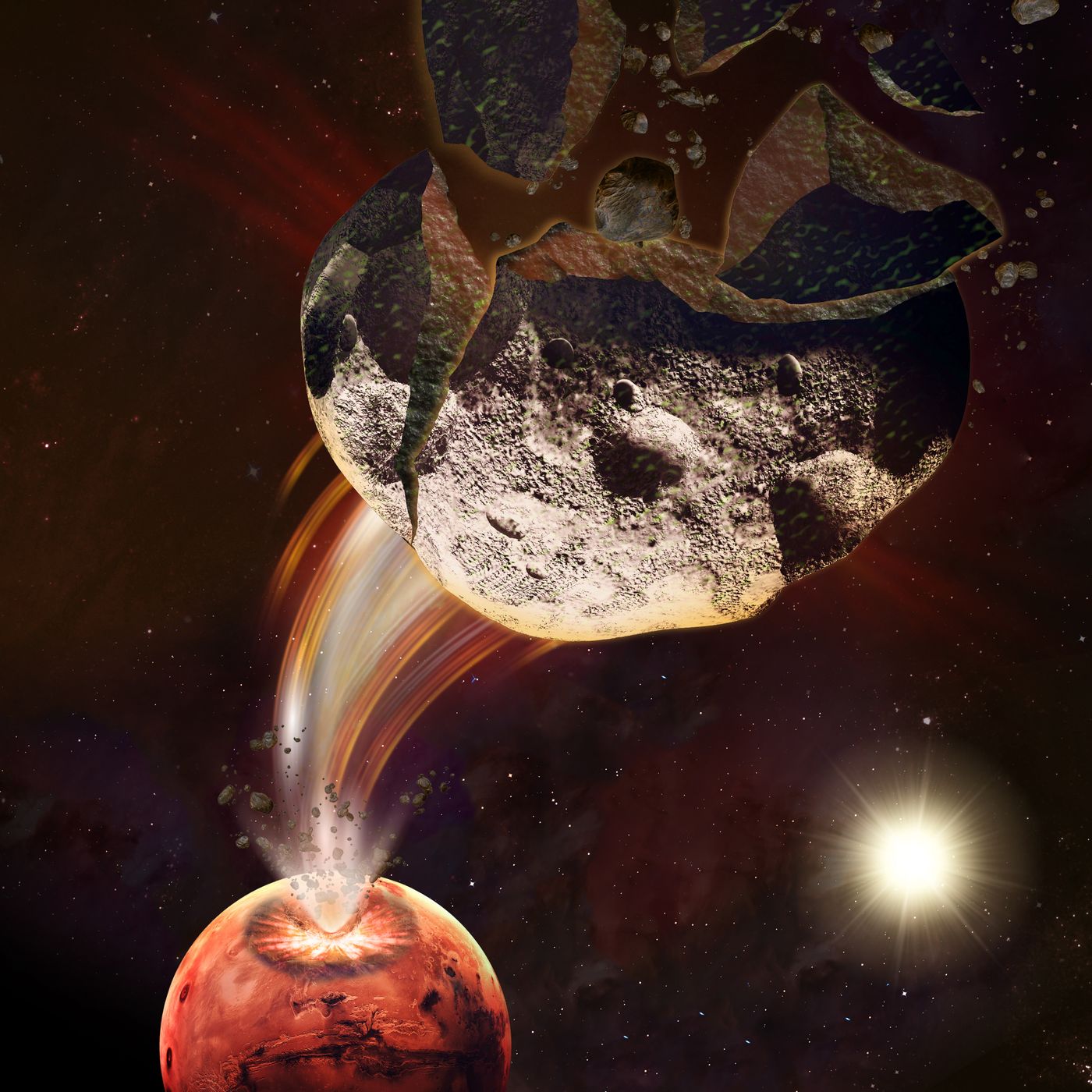
382-Martian Debris [not-audio_url] [/not-audio_url]

Duration: 2:01
Our solar system is a much less violent place than it used to be.
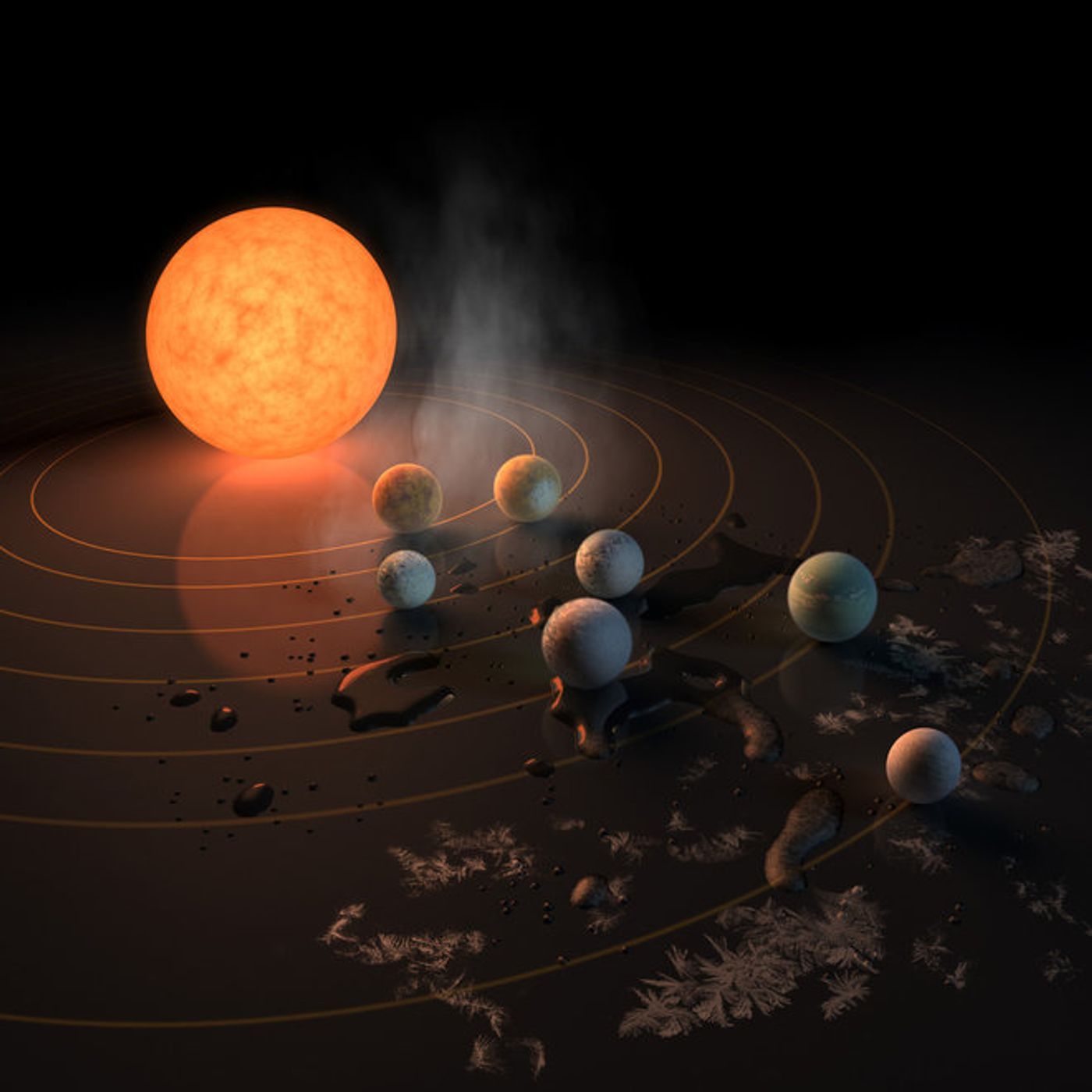
381-Peaceful Star [not-audio_url] [/not-audio_url]

Duration: 2:01
A new appreciation for our Sun is growing as we learn more about other suns and their families of planets. Go outside today and enjoy some gentle sunshine from our well behaved star.
380-Southern Colleagues [not-audio_url] [/not-audio_url]

Duration: 2:01
A Small Telescope Makes A Significant Discovery.
379-Flying Mud Balls [not-audio_url] [/not-audio_url]

Duration: 2:01
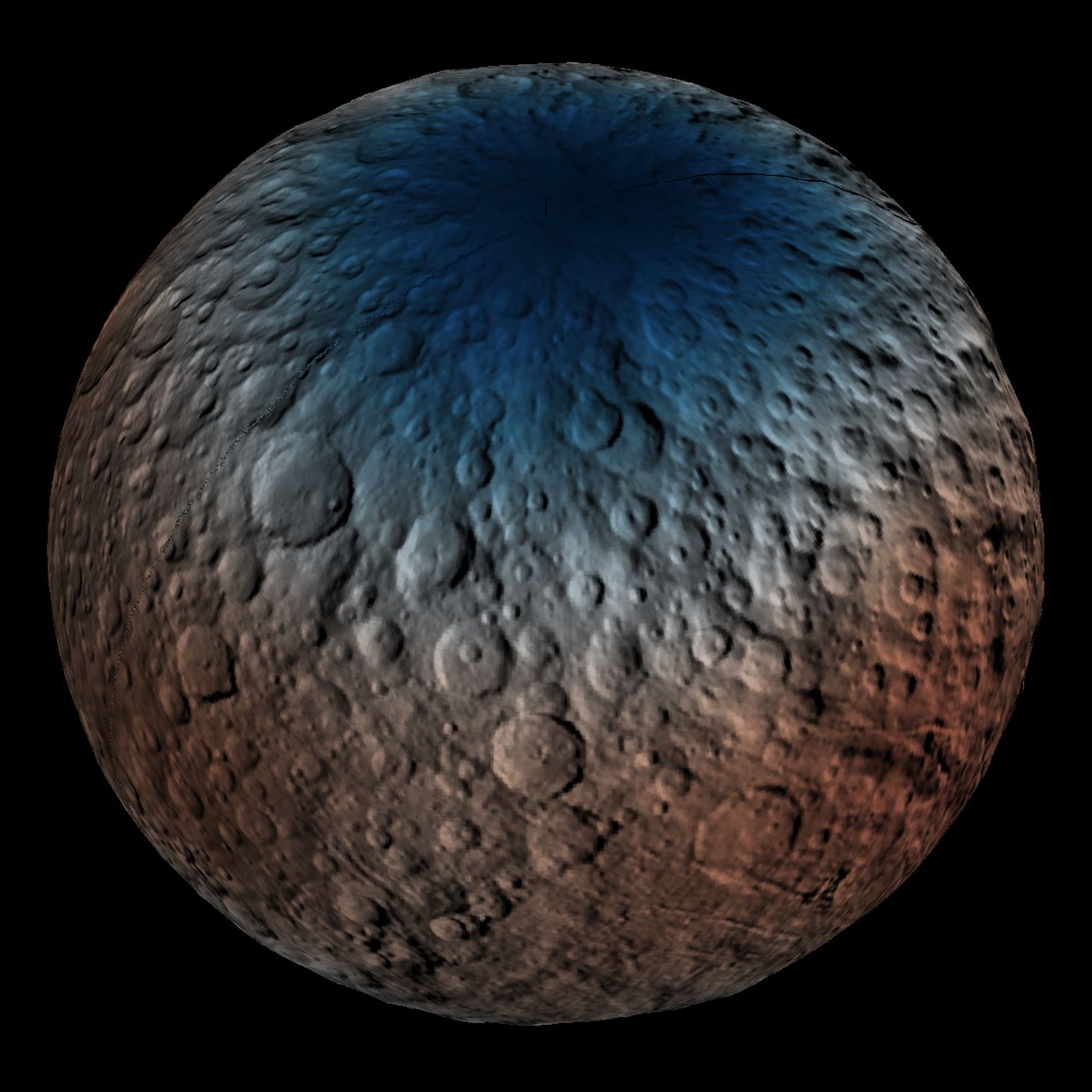
The most common type of asteroids are likely to have started out as giant convecting mud balls which could still exist at the center of large asteroids like Ceres.
378-Moon Express [not-audio_url] [/not-audio_url]

Duration: 2:01
The Moon is a destination for human explorers.
377-Insider [not-audio_url] [/not-audio_url]

Duration: 2:01
Large asteroids lurking inside the Earth's orbit can be hard to spot.
376-Active Asteroids [not-audio_url] [/not-audio_url]

Duration: 2:01
The Dark And Mysterious Sometimes Becomes The Bright And Beautiful.
375-Chelyabinsk Sized [not-audio_url] [/not-audio_url]

Duration: 2:01
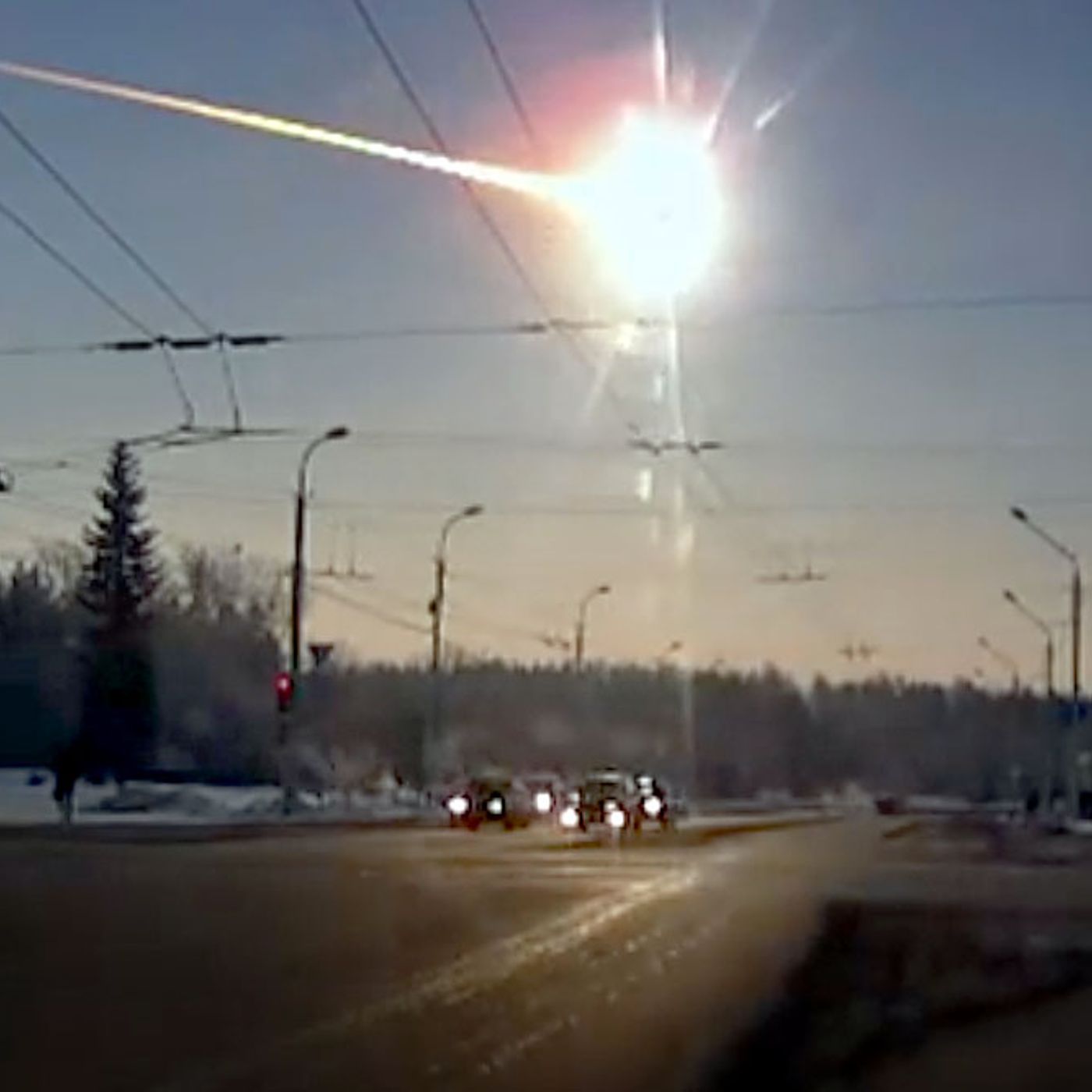
Small Earth approaching asteroids are part of our environment. Early Detection Is The Key