312E-331-Space Salsa

312E-331-Space Salsa

Author: Albert D. Grauer November 26, 2024 Duration: 2:01
If Lunar and Martian colonists are to have chips and salsa they will need grow their own tomatoes. To test methods to do this German Aerospace Center or DLR has developed the EU:CROPIS satellite which will be launched by a Space-X Falcon 9 rocket into low Earth orbit sometime in 2017. Once in orbit the satellite will be programmed to rotate at two different speeds on its own axis to produce Lunar gravity for 6 months and then Martian gravity for the next 6 months. Inside the satellite tomato seeds will germinate and grow under the watchful eyes of 16 onboard cameras. A trickle filter containing the Euglena [U gleen a] microbes will use synthetic urine to produce fertilizer for the tomato plants. The half plant half animal Euglena microorganisms will produce oxygen on the satellite and protect the plants against excessive ammonia build up. LED lights will provide the day night cycle required by both the plants and the Euglena microbes. The separate Lunar and Martian space green houses will operate in a pressure tank to simulate Earth's atmosphere. These experiments will be carefully controlled and monitored by humans on the ground.

Each episode of Travelers In The Night feels like a quiet, personal conversation under a dark sky. Hosted by astronomer Dr. Albert D. Grauer, this podcast brings the distant cosmos into sharp, intimate focus. Dr. Grauer isn't just an observer; he's an active participant in the hunt, working with the Catalina Sky Survey team that has consistently discovered near-Earth asteroids for years. In these brief and engaging segments, you'll hear firsthand accounts of what it's like to track these ancient celestial travelers-the asteroids and comets that silently pass by our world. The discussions move beyond simple facts to explore the real-world implications of these discoveries, from planetary defense to the sheer wonder of our dynamic solar system. Accompanied by the contemplative music of John Lyell's "Eternity," each installment offers a moment of calm reflection on humanity's place in the universe. It’s a perfect blend of grounded science and cosmic curiosity, making complex astronomical concepts accessible and deeply fascinating. For anyone who has ever looked up and wondered what's out there moving in the dark, this podcast provides a direct line to the front lines of discovery.
Author: Language: English Episodes: 1000

Travelers In The Night
Podcast Episodes
294-Dangerous Duo [not-audio_url] [/not-audio_url]

Duration: 2:01
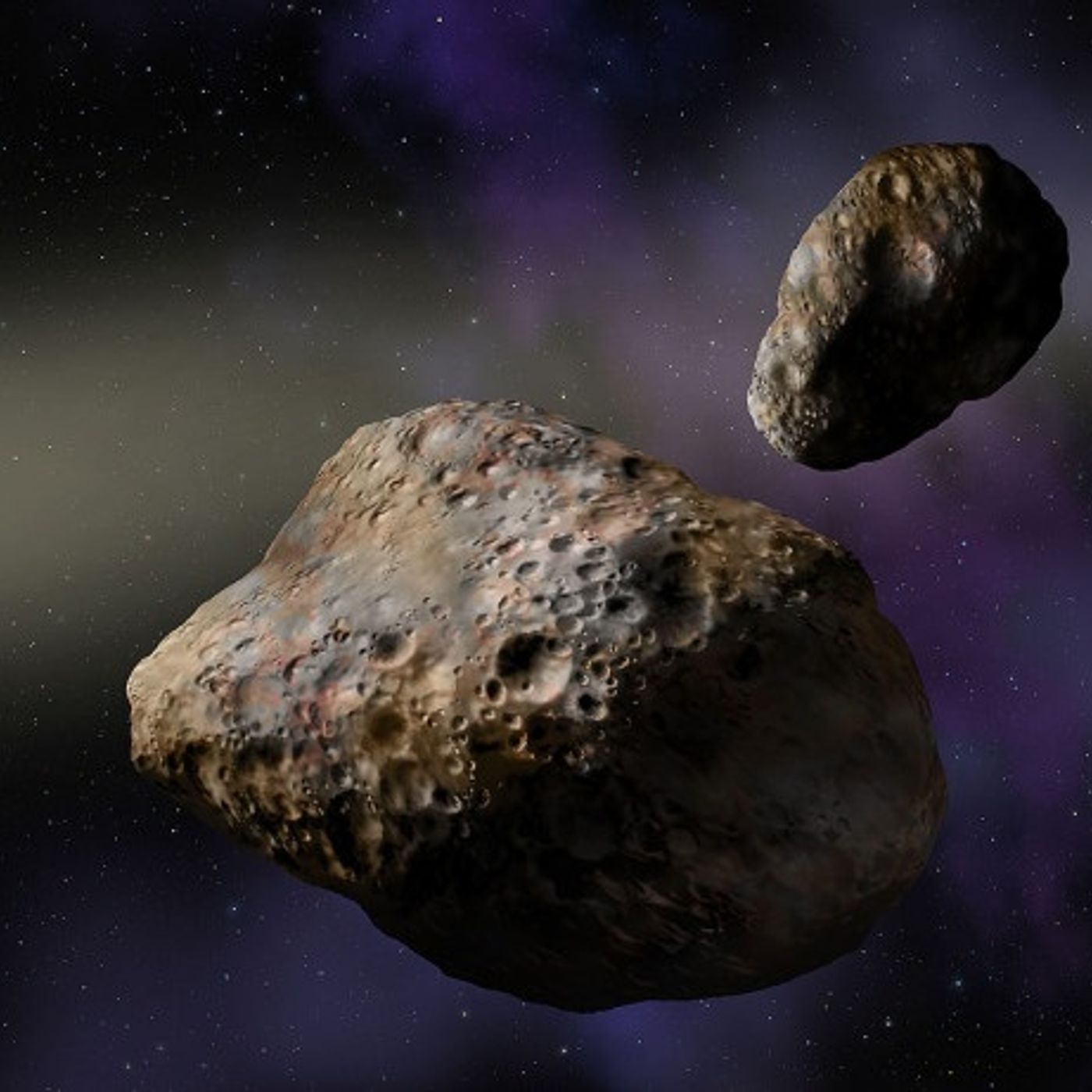
Large unknown potentially dangerous asteroids are still out there.
293-From Luna [not-audio_url] [/not-audio_url]

Duration: 2:01
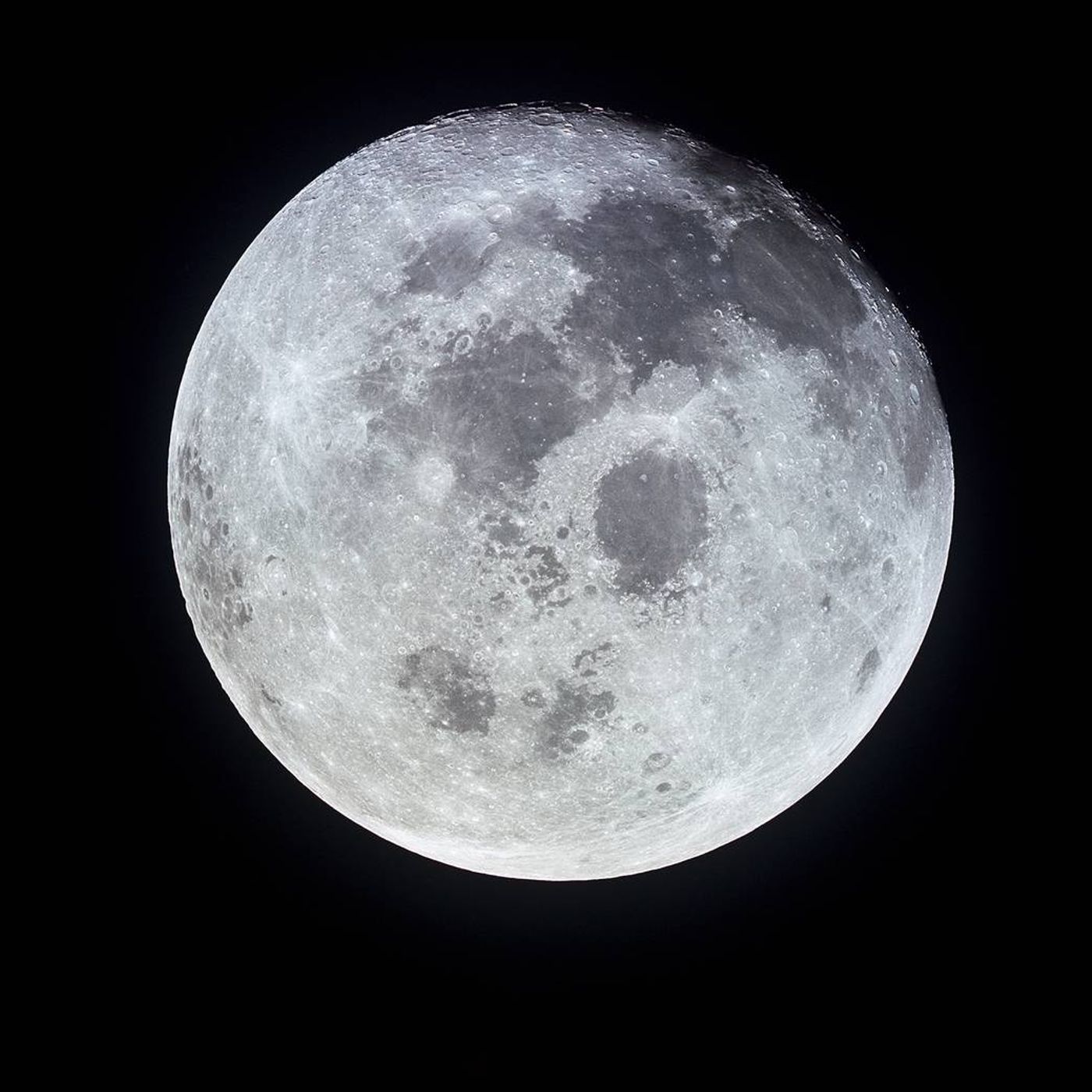
A rock blasted from the Moon by the impact of an asteroid or comet may be on its way to Earth.
292-Disintegrating Comet [not-audio_url] [/not-audio_url]

Duration: 2:01
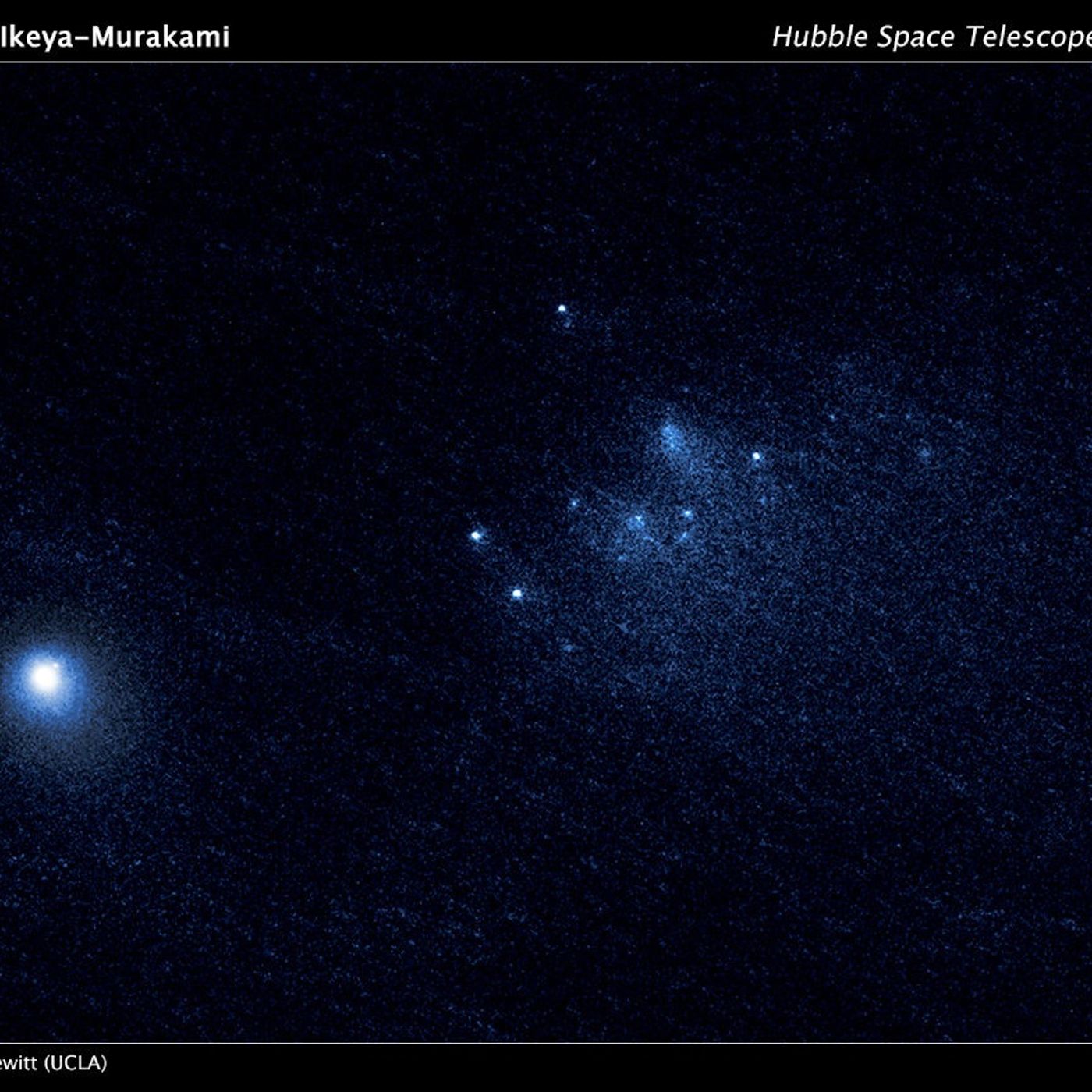
A comet is producing a 3,000 mile long trail of debris as it slowly comes apart.
291-Rose Rules [not-audio_url] [/not-audio_url]

Duration: 2:01
Anyone who thinks women can't do computers and science needs to meet my Catalina Sky Survey teammate Rose Matheny.
290-Screaming Aten [not-audio_url] [/not-audio_url]

Duration: 2:01
An interesting object is spotted streaking across the night sky at the rate of 17 full moon diameters per day.
289-Strange Comet [not-audio_url] [/not-audio_url]

Duration: 2:01
A new comet is likely to have the characteristics of a really weird traveler in the night.
287-Heavenly Palace [not-audio_url] [/not-audio_url]

Duration: 2:01
China is challenging America's historical preeminence in space exploration.
286-Neighboring World [not-audio_url] [/not-audio_url]

Duration: 2:01
Astronomers have discovered an Earth sized planet orbiting the closest star to our Sun.
285-Mars Impactors [not-audio_url] [/not-audio_url]

Duration: 2:01
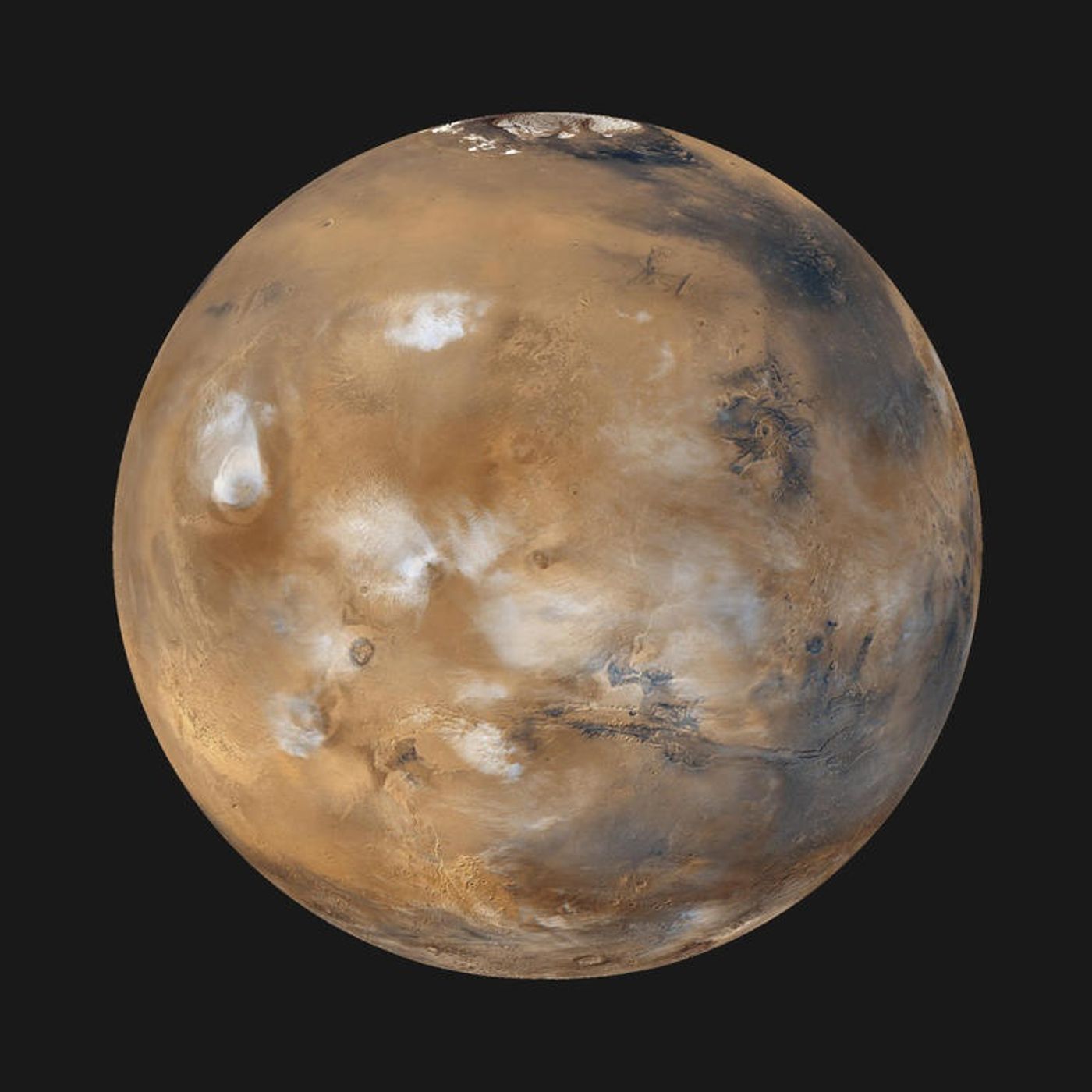
A given piece of ground on Mars is more likely to be hit by a space rock than is an equal sized area on planet Earth. Someday Martian tourists may be treated to super meteor storms.