334E-353-Backwards

334E-353-Backwards

Author: Albert D. Grauer April 29, 2025 Duration: 2:01
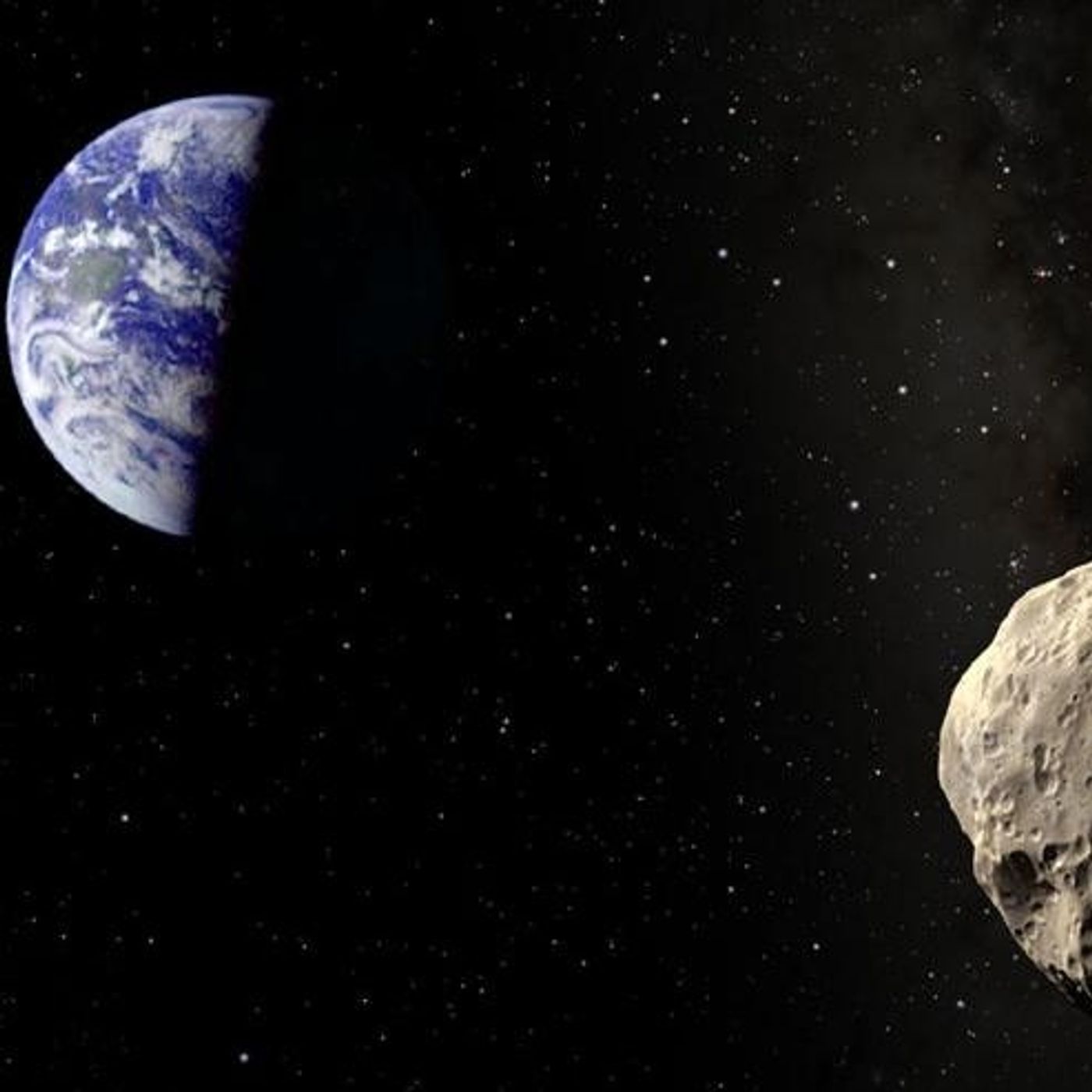
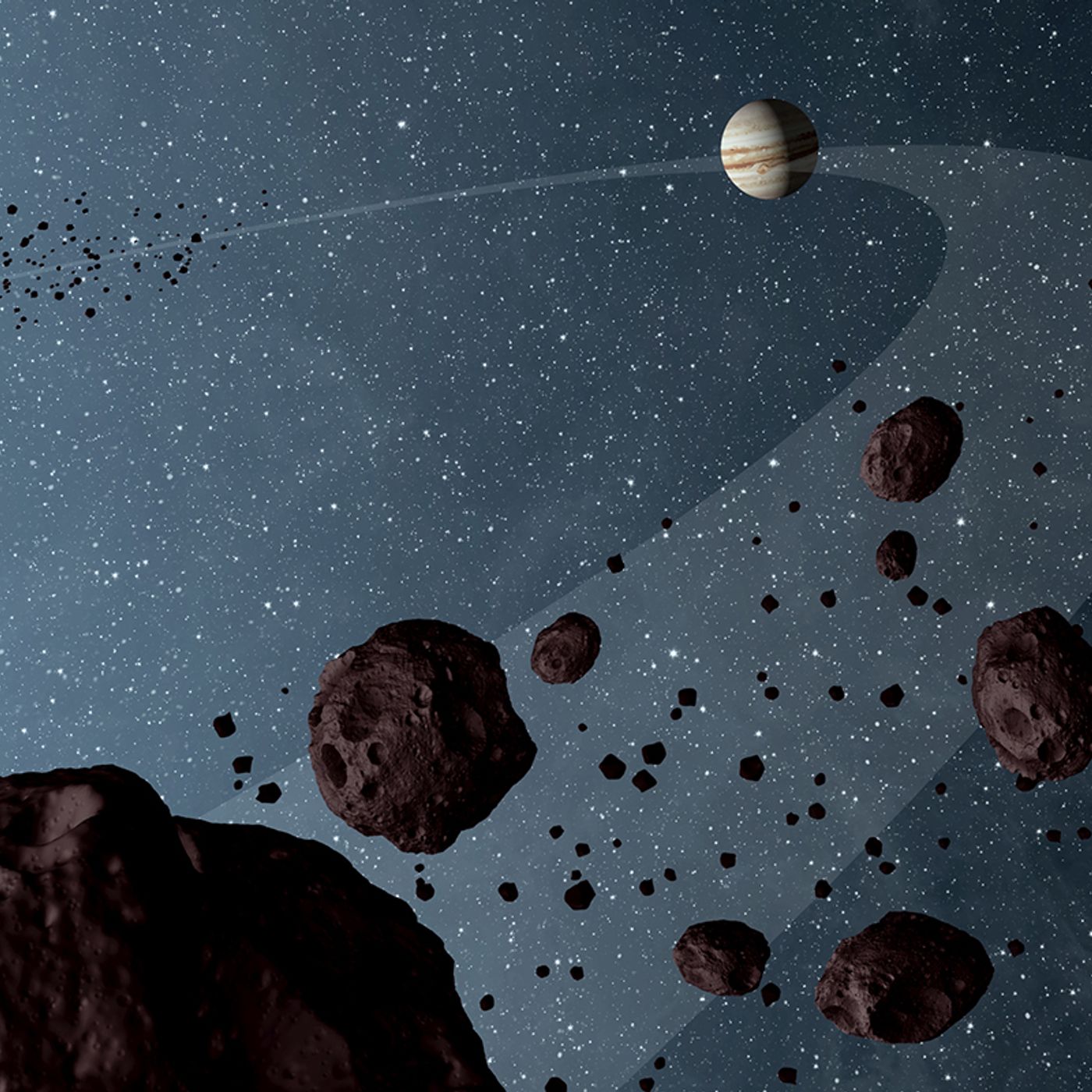
Using the University of Arizona's Large Binocular Telescope atop Mt. Graham in southern Arizona, Dr. Paul Wiegert of Western University in Canada, led a team of astronomers who have determined that a 2 mile diameter object bucks the solar system traffic by traveling in a direction backwards to all of the planets. In their March 30, 2017 article in the journal Nature, these astronomers confirm that 2015 BZ509, travels about Jupiter on a path in a direction opposite to nearly every other member of our solar system. Amazingly it has avoided a collision with Jupiter by using the giant planet's gravity to maintain a path that has been stable for a million years or so. This astounding trick is performed as 2015 BZ509 passes once inside and once outside of Jupiter's orbit as they both travel about the Sun. The resulting effect of Jupiter's timely gravitational pulls on this small asteroid are exactly right to keep it from having a collision or from being ejected from the solar system.

Each episode of Travelers In The Night feels like a quiet, personal conversation under a dark sky. Hosted by astronomer Dr. Albert D. Grauer, this podcast brings the distant cosmos into sharp, intimate focus. Dr. Grauer isn't just an observer; he's an active participant in the hunt, working with the Catalina Sky Survey team that has consistently discovered near-Earth asteroids for years. In these brief and engaging segments, you'll hear firsthand accounts of what it's like to track these ancient celestial travelers-the asteroids and comets that silently pass by our world. The discussions move beyond simple facts to explore the real-world implications of these discoveries, from planetary defense to the sheer wonder of our dynamic solar system. Accompanied by the contemplative music of John Lyell's "Eternity," each installment offers a moment of calm reflection on humanity's place in the universe. It’s a perfect blend of grounded science and cosmic curiosity, making complex astronomical concepts accessible and deeply fascinating. For anyone who has ever looked up and wondered what's out there moving in the dark, this podcast provides a direct line to the front lines of discovery.
Author: Language: English Episodes: 1000

Travelers In The Night
Podcast Episodes
394-Tiny Beasts [not-audio_url] [/not-audio_url]

Duration: 2:01
A partnership with yeast and algae will enable spacefaring humans to use their waste products to produce food and plastics during long duration space flights.
393-Newest Moon [not-audio_url] [/not-audio_url]

Duration: 2:01
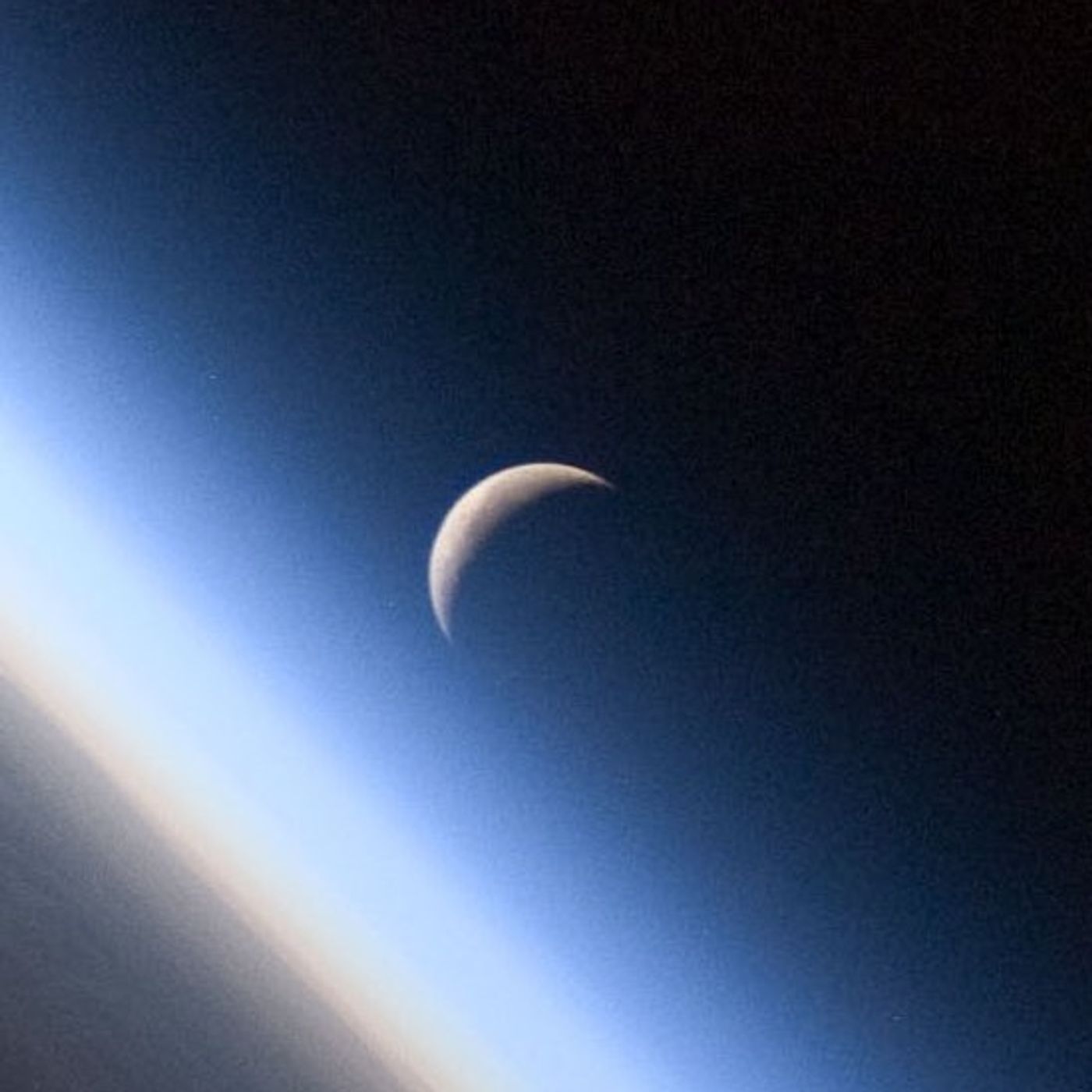
The moon cycle from new moon through full moon and back to new moon again was used by many nations to regulate their activities and forms the basis of the Islamic lunar calendar. You might try making the interesting obse…
392-Dragon Delivers [not-audio_url] [/not-audio_url]

Duration: 2:01
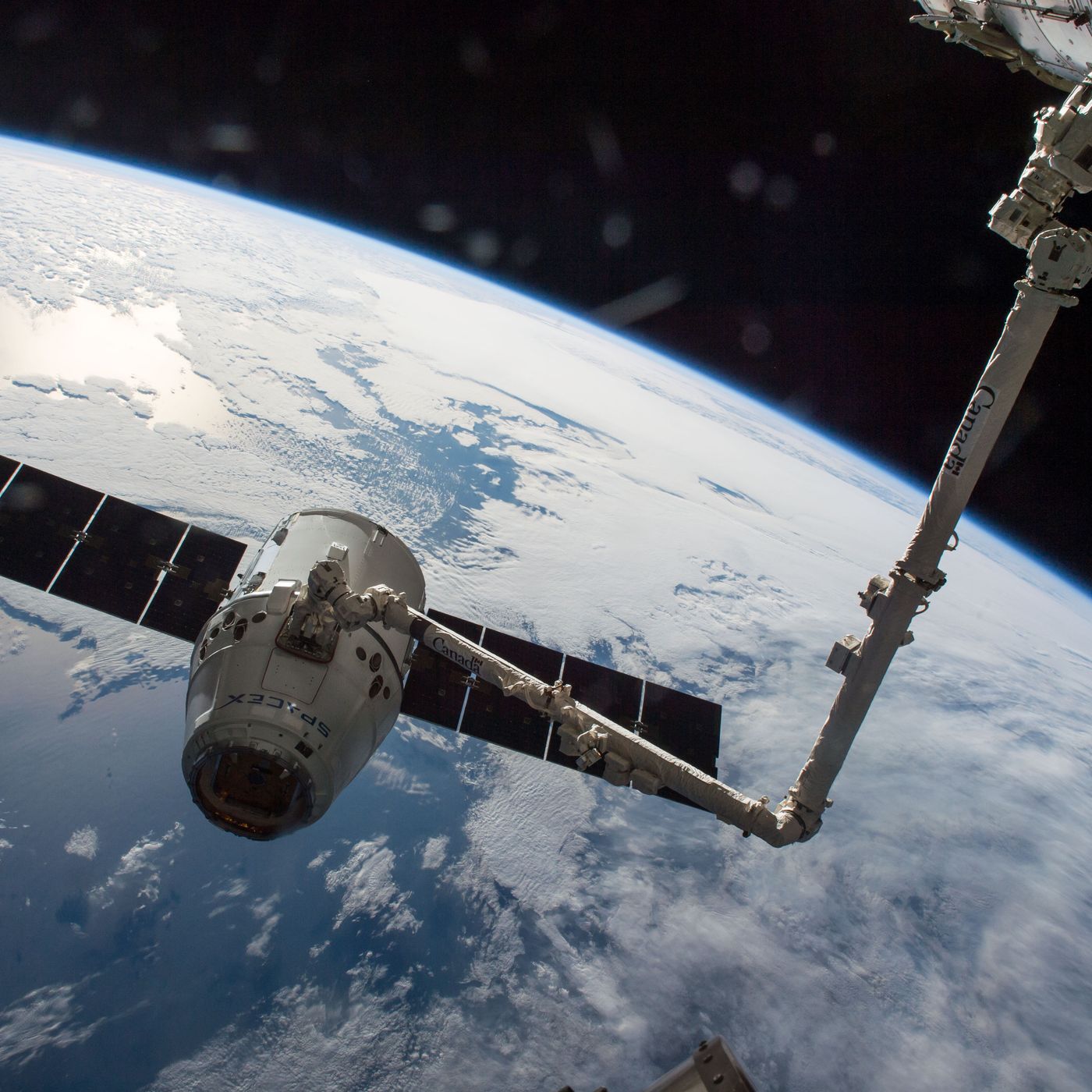
The SpaceX 11 Dragon mission is the first time an American spacecraft has visited the space station since the NASA Space Shuttle Program ended in April of 2011.
391-Finding Spacerocks [not-audio_url] [/not-audio_url]

Duration: 2:01
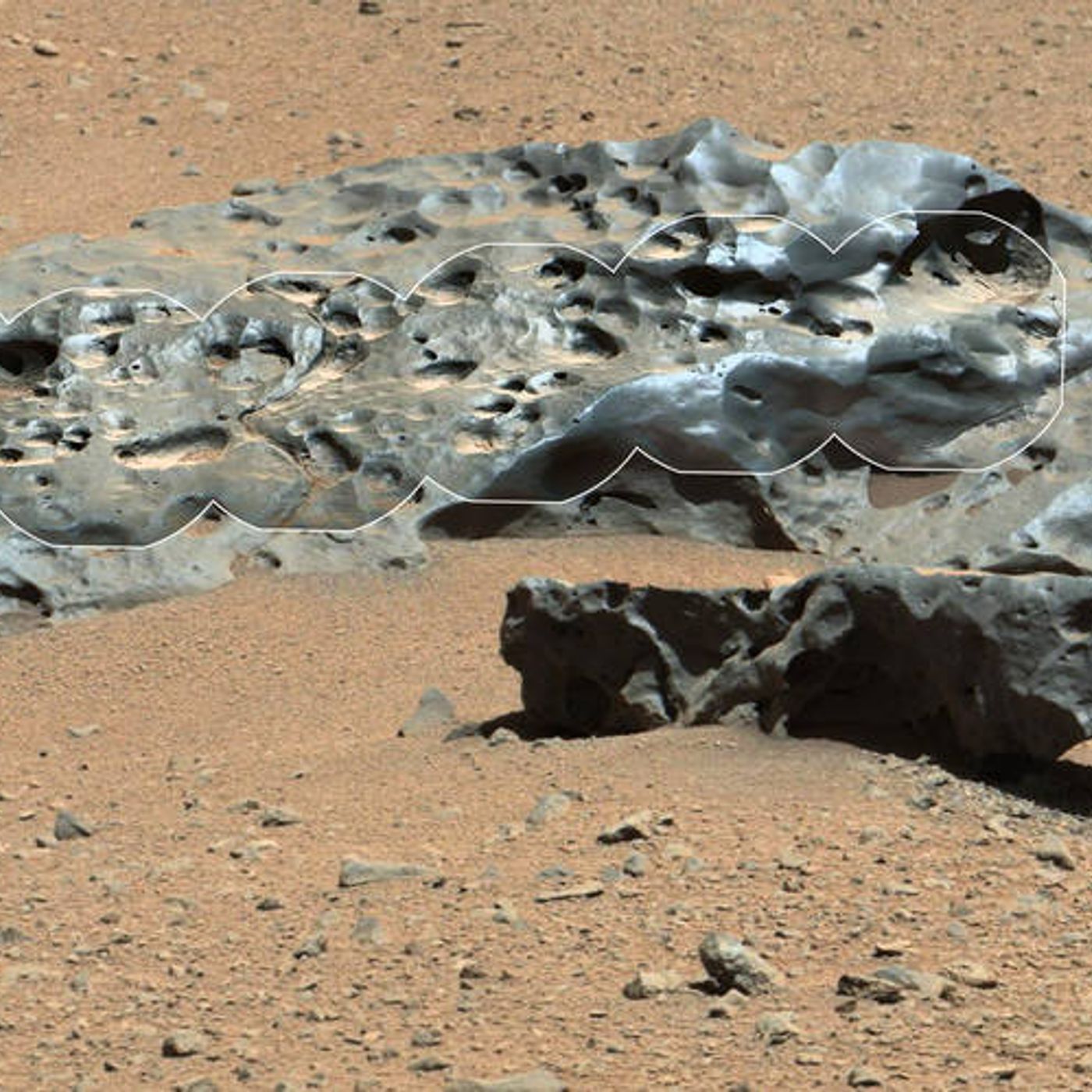
Finding a meteorite that has traveled billions of miles through space to reach it's present location is exciting. It might even be worth real money.
390-One in 100,000 [not-audio_url] [/not-audio_url]

Duration: 2:01
Additional observations over the years have eliminated the possibility that Apophis will strike the Earth as it streaks by closer than the communications satellites on that lucky Friday the 13th of 2029.
389-Tiny Spacecraft [not-audio_url] [/not-audio_url]

Duration: 2:01
About the size of a saltine cracker and having a mass of less than 2 dimes, the single-board Sprite spacecraft has all the essentials; solar panels, computing electronics, thermometers, gyroscopes, radio communication eq…
388-40 years [not-audio_url] [/not-audio_url]

Duration: 2:01
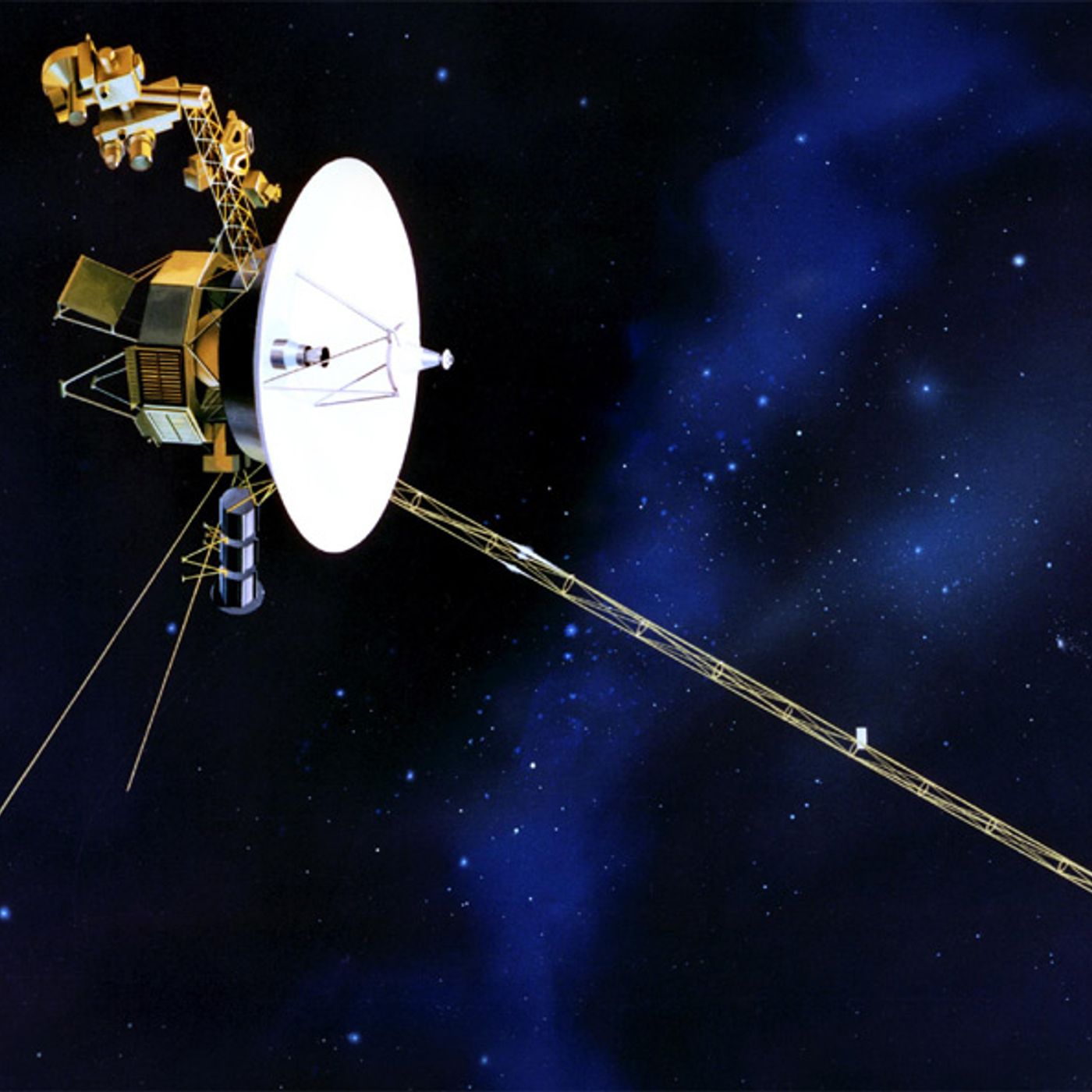
Your representatives, Voyager 1 and Voyager 2 are heading into deep interstellar space.
387-Florence [not-audio_url] [/not-audio_url]

Duration: 2:01
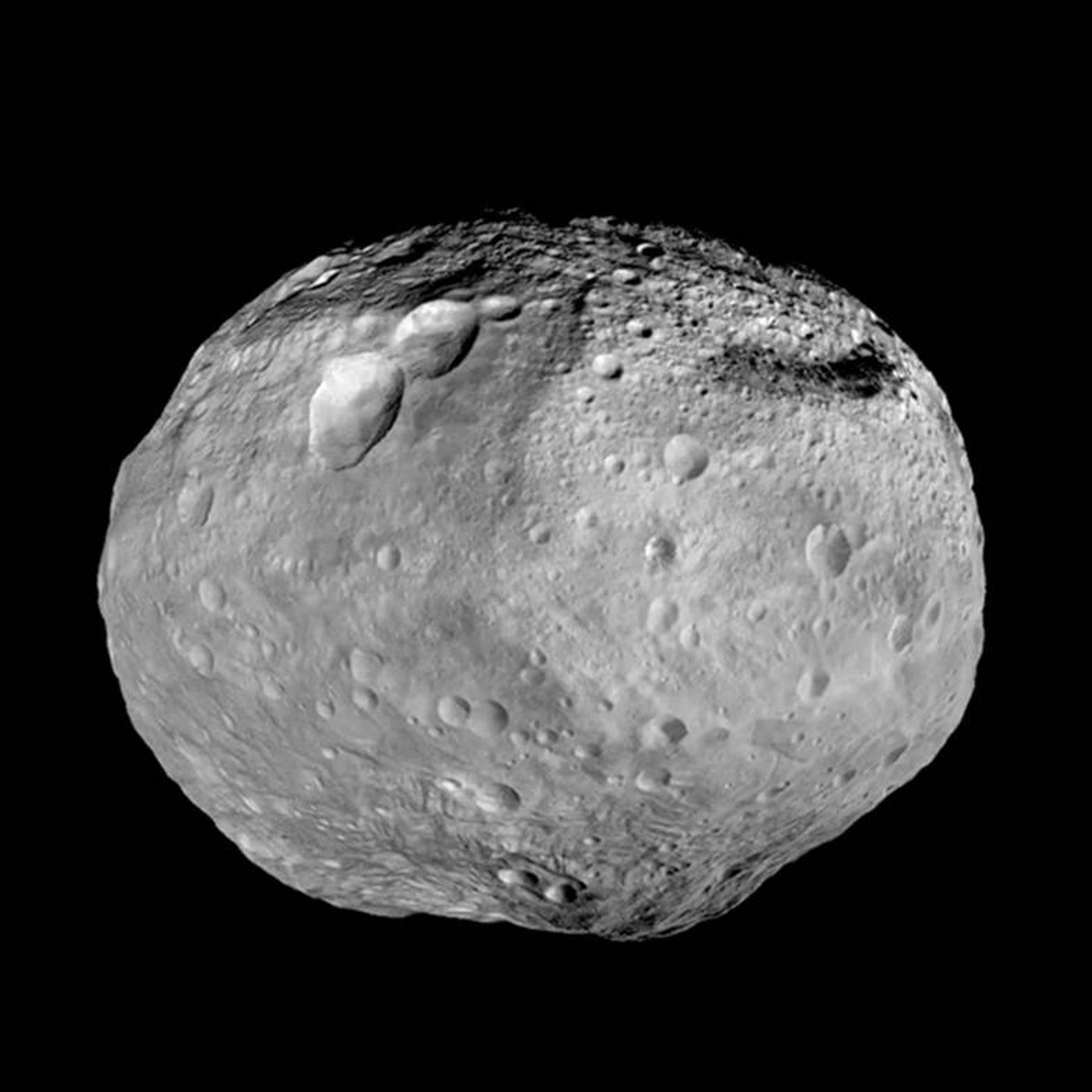
Florence, the largest asteroid in more than 100 years comes near to the Earth.
386-Interplanetary Sand Traps [not-audio_url] [/not-audio_url]

Duration: 2:01
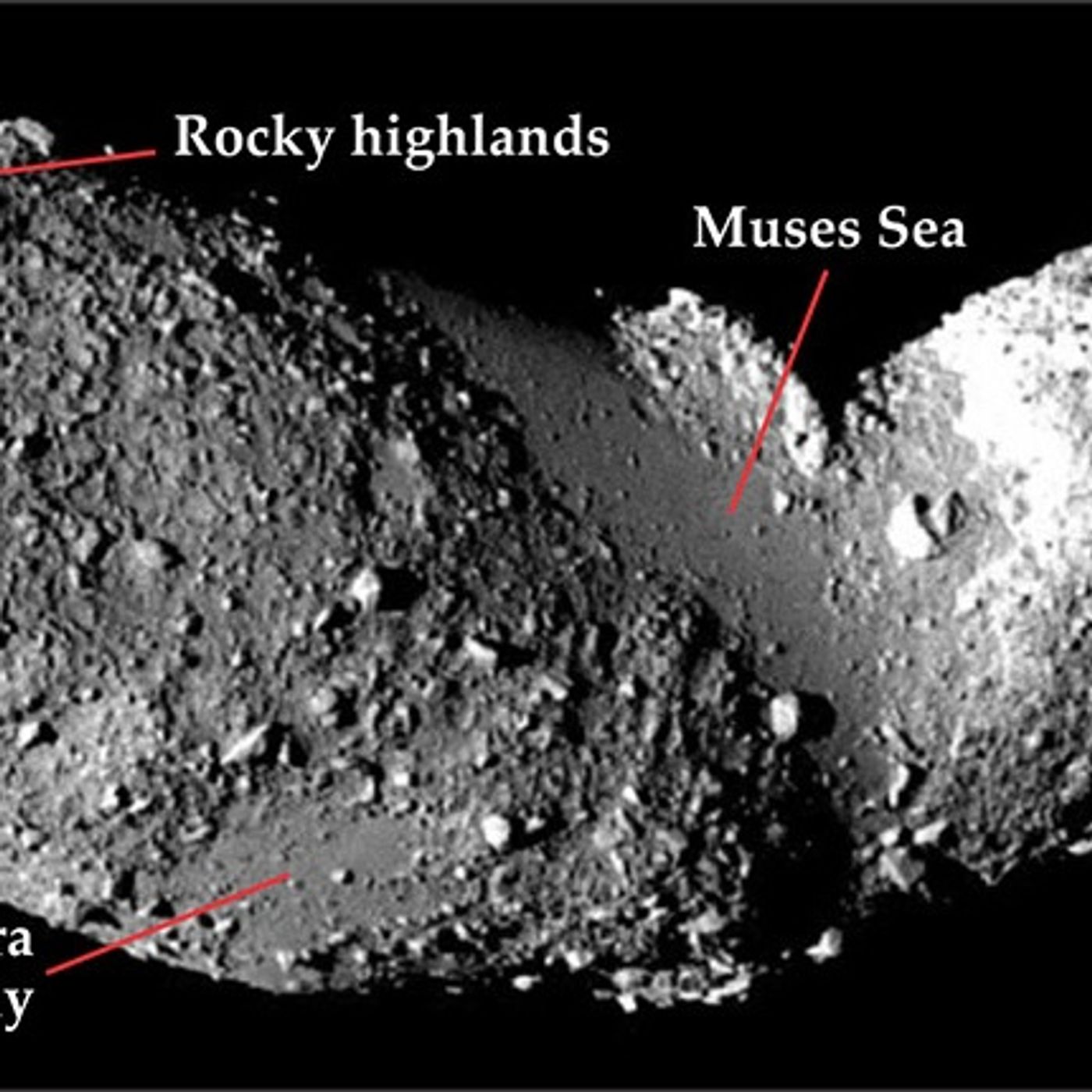
Topographic features on rubble pile asteroids are produced in a novel way.
385-Phoning Home [not-audio_url] [/not-audio_url]

Duration: 2:01
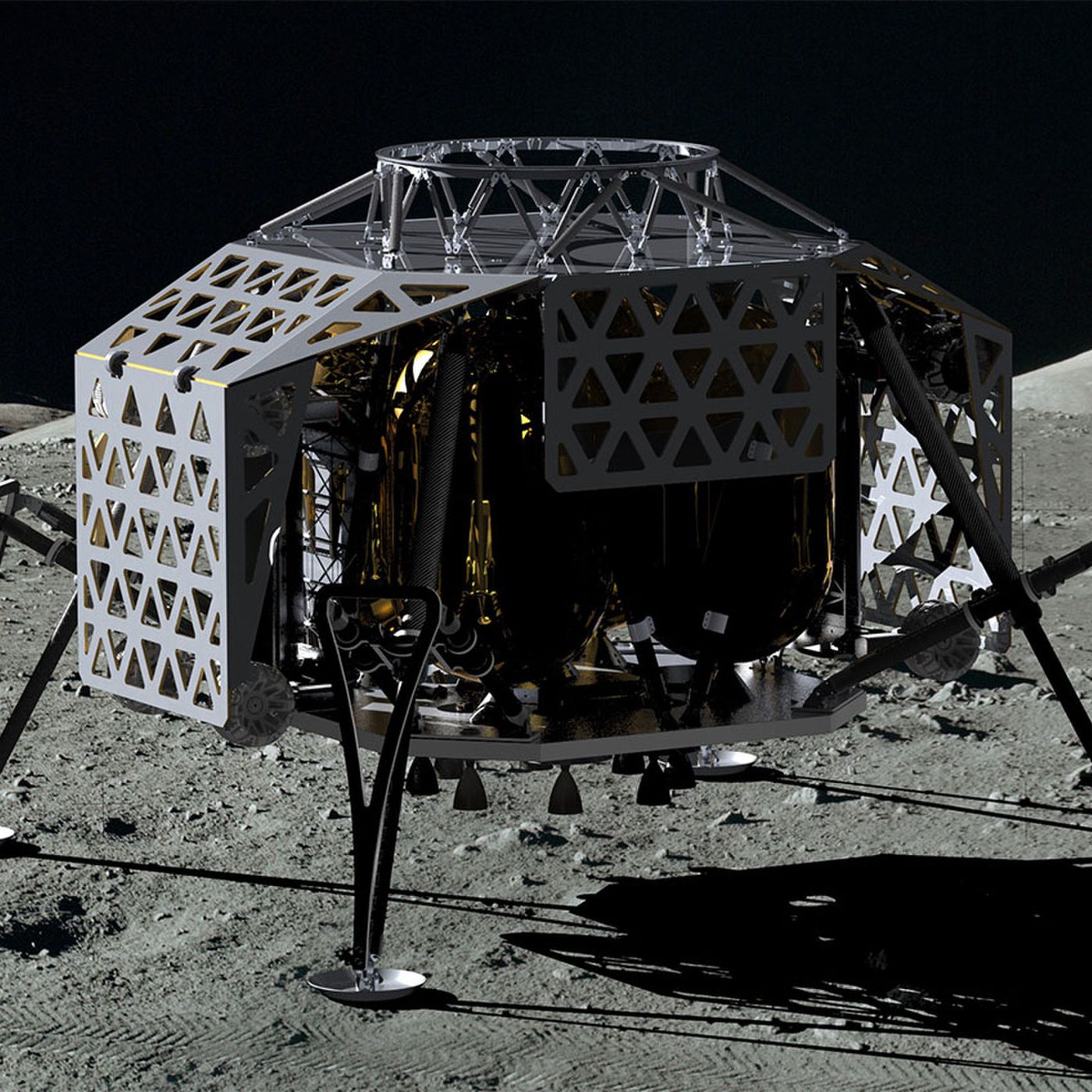
Cell phone technology will be used to explore our Moon. Lunar tourists will be able to use their smart phones after 2018.