343E-366-3 Explorers

343E-366-3 Explorers

Author: Albert D. Grauer July 1, 2025 Duration: 2:01
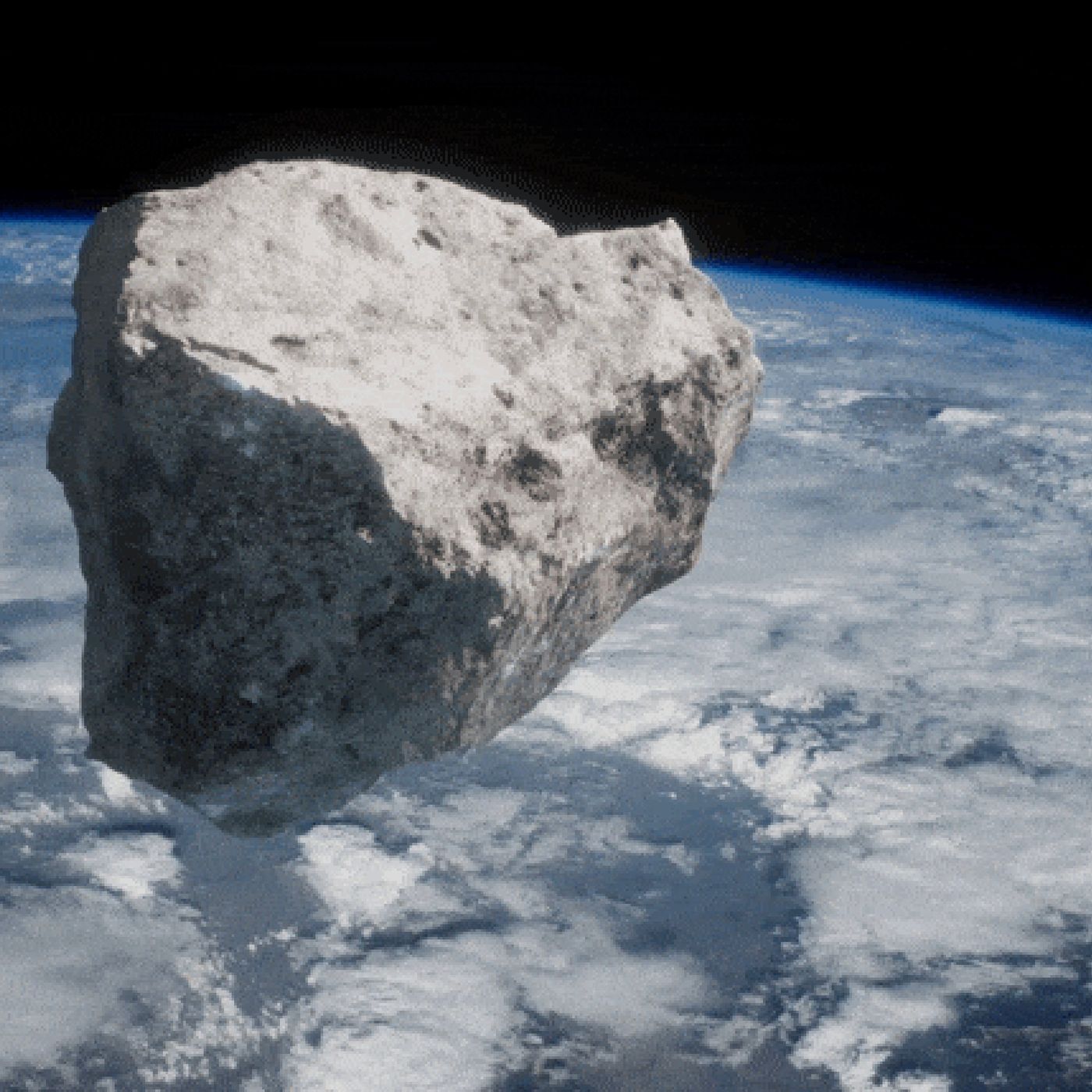
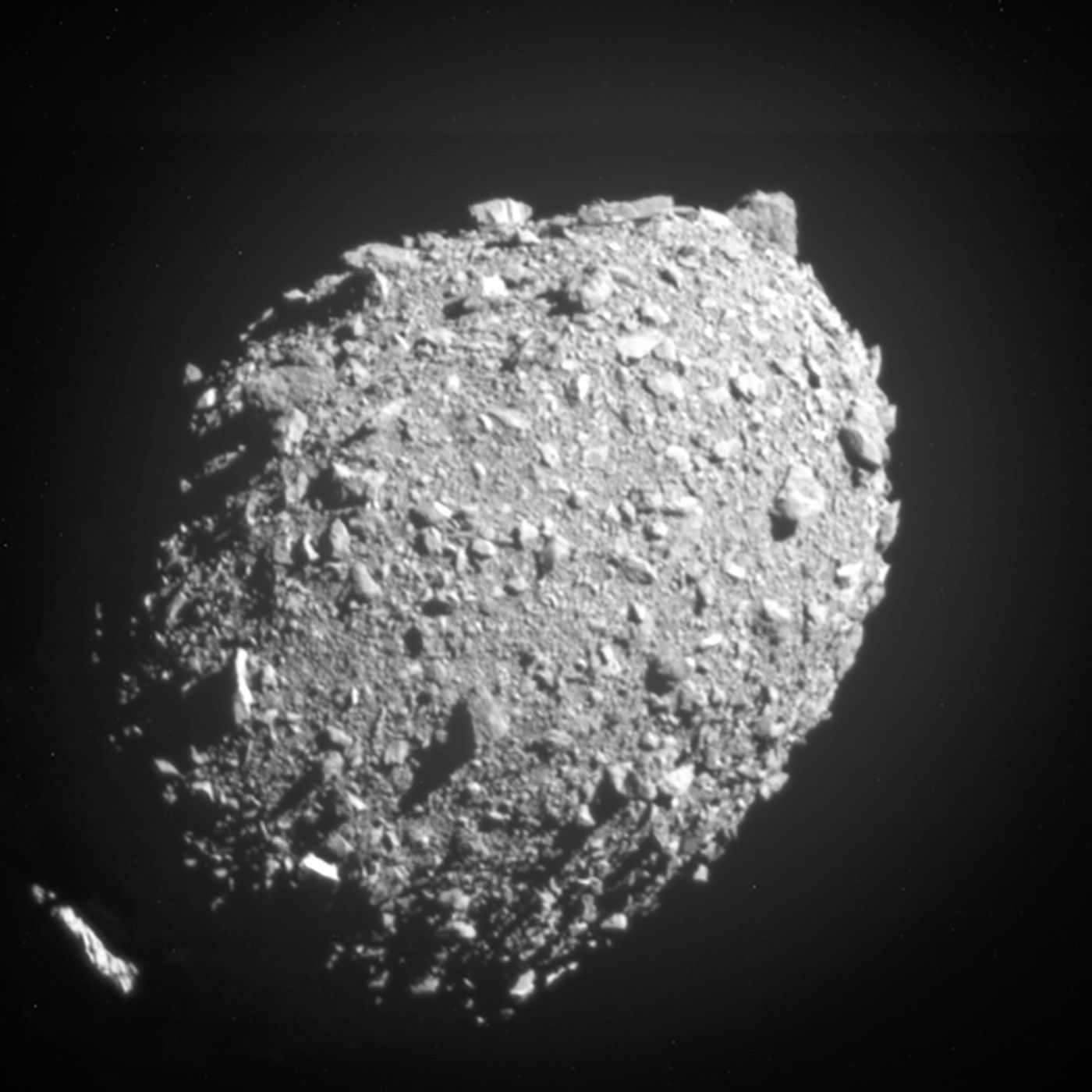
Recently, my Grandsons, Dane and Hank joined our asteroid hunting team at the Catalina Sky Survey 60 inch telescope on Mt. Lemmon. The most interesting of our discoveries, 2017 KJ32 is only 16 feet in diameter, orbits the Sun once every 315 days, and can come closer to us than the communications satellites. 4 days and 16 hours before Dane, Hank, and I spotted it, 2017 KJ32 passed about 41,000 miles from the surface of Earth traveling at a relatively slow speed for an Earth approaching asteroid of 1.6 mi/sec. By the time 2017 KJ32 came into one of our images it was already 768,000 miles from Earth and was traveling away from us at 1.5 miles per second. A few weeks later it was too faint to be detected by our most powerful telescopes.

Each episode of Travelers In The Night feels like a quiet, personal conversation under a dark sky. Hosted by astronomer Dr. Albert D. Grauer, this podcast brings the distant cosmos into sharp, intimate focus. Dr. Grauer isn't just an observer; he's an active participant in the hunt, working with the Catalina Sky Survey team that has consistently discovered near-Earth asteroids for years. In these brief and engaging segments, you'll hear firsthand accounts of what it's like to track these ancient celestial travelers-the asteroids and comets that silently pass by our world. The discussions move beyond simple facts to explore the real-world implications of these discoveries, from planetary defense to the sheer wonder of our dynamic solar system. Accompanied by the contemplative music of John Lyell's "Eternity," each installment offers a moment of calm reflection on humanity's place in the universe. It’s a perfect blend of grounded science and cosmic curiosity, making complex astronomical concepts accessible and deeply fascinating. For anyone who has ever looked up and wondered what's out there moving in the dark, this podcast provides a direct line to the front lines of discovery.
Author: Language: English Episodes: 1000

Travelers In The Night
Podcast Episodes
202E-214-Jupiter's Comets [not-audio_url] [/not-audio_url]

Duration: 2:01
The giant planet Jupiter has its own family of comets orbiting our Sun.
713-Oppy(499) [not-audio_url] [/not-audio_url]

Duration: 2:01
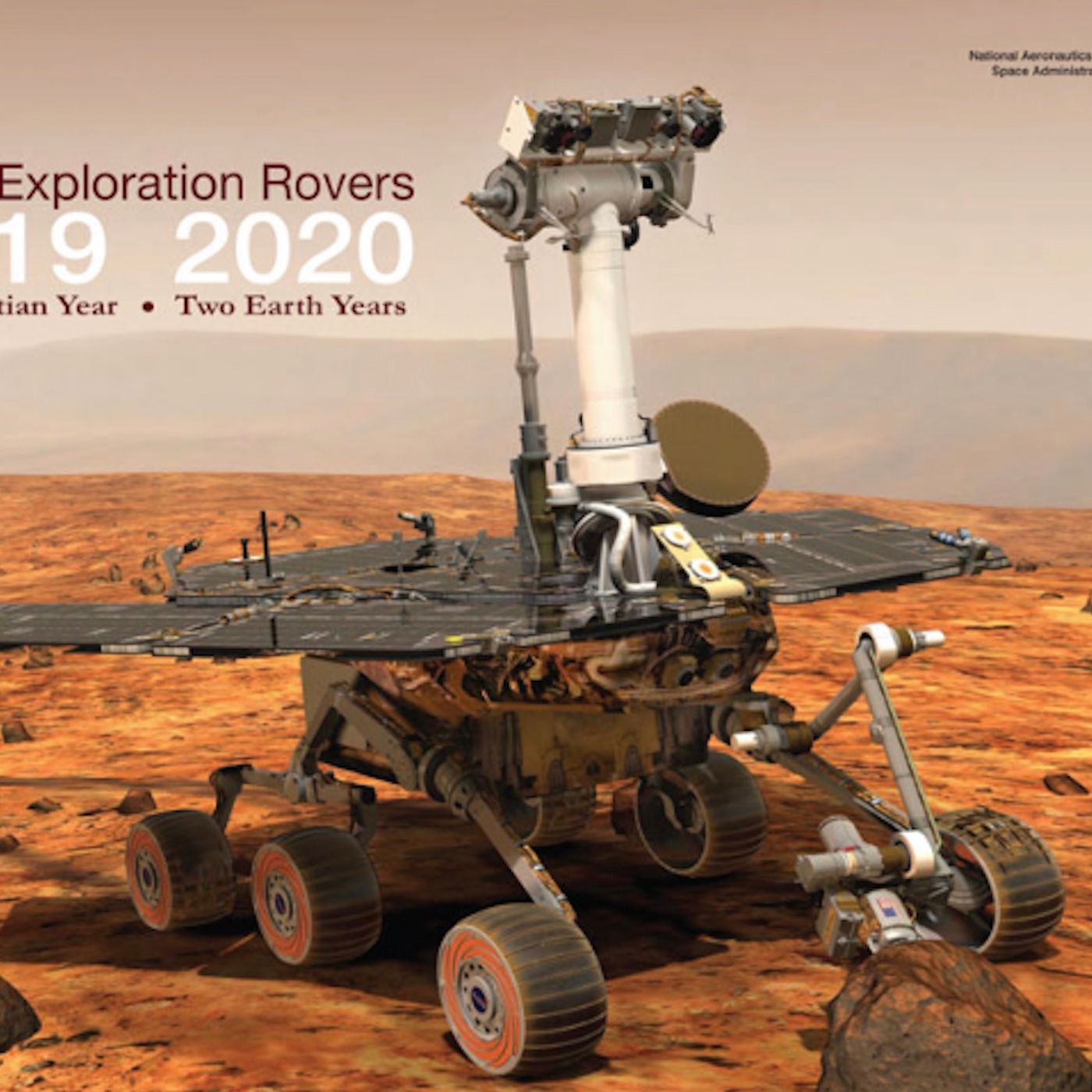
The NASA Mars Opportunity Rover, nicked named Oppy by those who operate and love it ,was designed to last 90 days on the Martian surface but has continued to explore the surface of the red planet for 14 years.
201E-213-Great Night [not-audio_url] [/not-audio_url]

Duration: 2:01
A dozen Earth approaching asteroid candidates are discovered in a single night.
712-Tiny Travelers(498) [not-audio_url] [/not-audio_url]

Duration: 2:01
Although small space rocks pose no threat to humans, they are an interesting part of our environment, offer a chance for asteroid hunters to develop their tracking skills, and occasionally provide an opportunity for a me…
200E-212-Dead Comet [not-audio_url] [/not-audio_url]

Duration: 2:01
A potentially hazardous dead comet makes a close approach to Earth
711-First One(496) [not-audio_url] [/not-audio_url]

Duration: 2:01
Asteroid hunters were able to discover a small Earth approaching asteroid after 57 nights of continuous rain and clouds.
199E-211-Smoking Moon [not-audio_url] [/not-audio_url]

Duration: 2:01
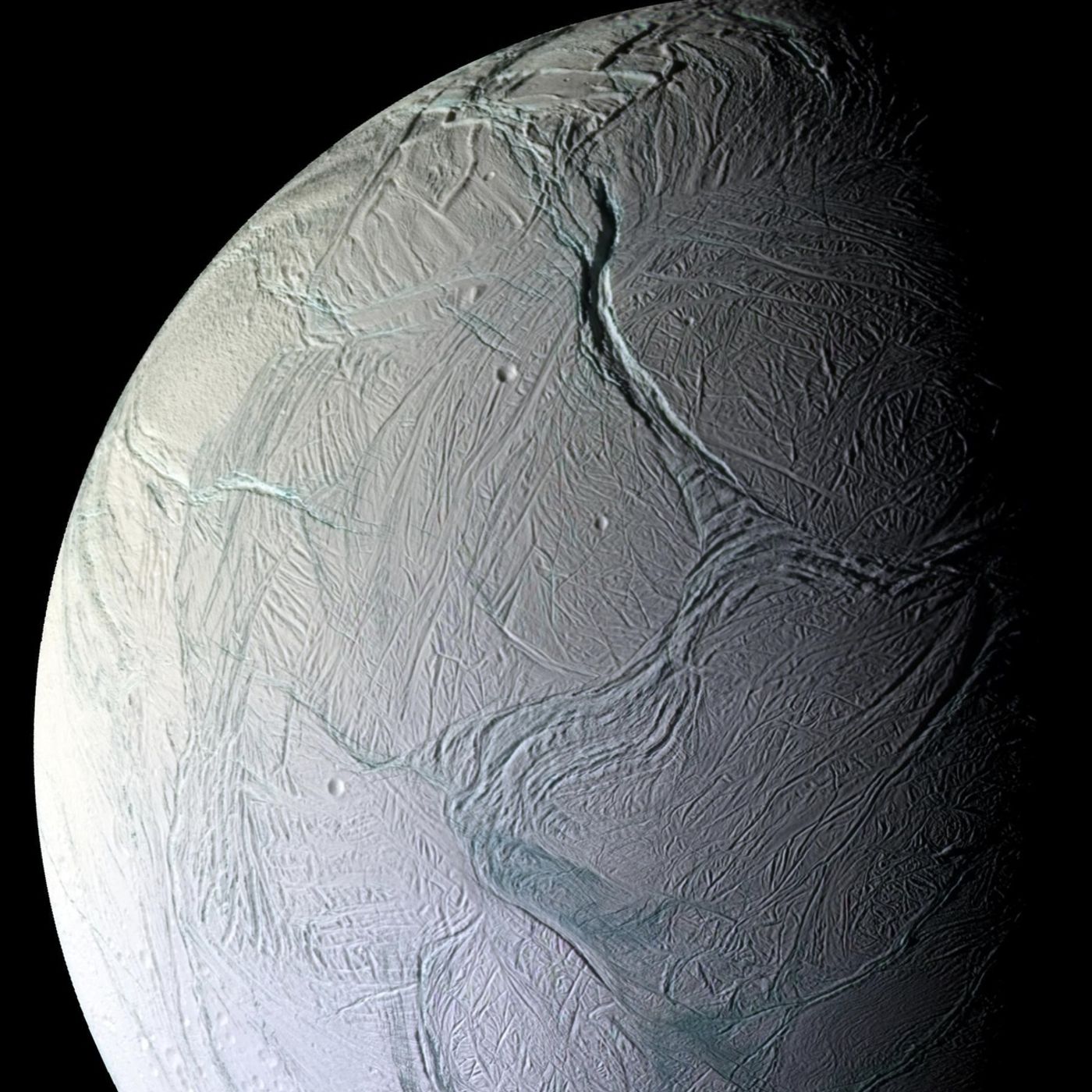
Humans have discovered oceans of liquid salty water on four small worlds in our solar system. Could living things be flourishing in these alien environments?
710-Boomer(496) [not-audio_url] [/not-audio_url]

Duration: 2:01
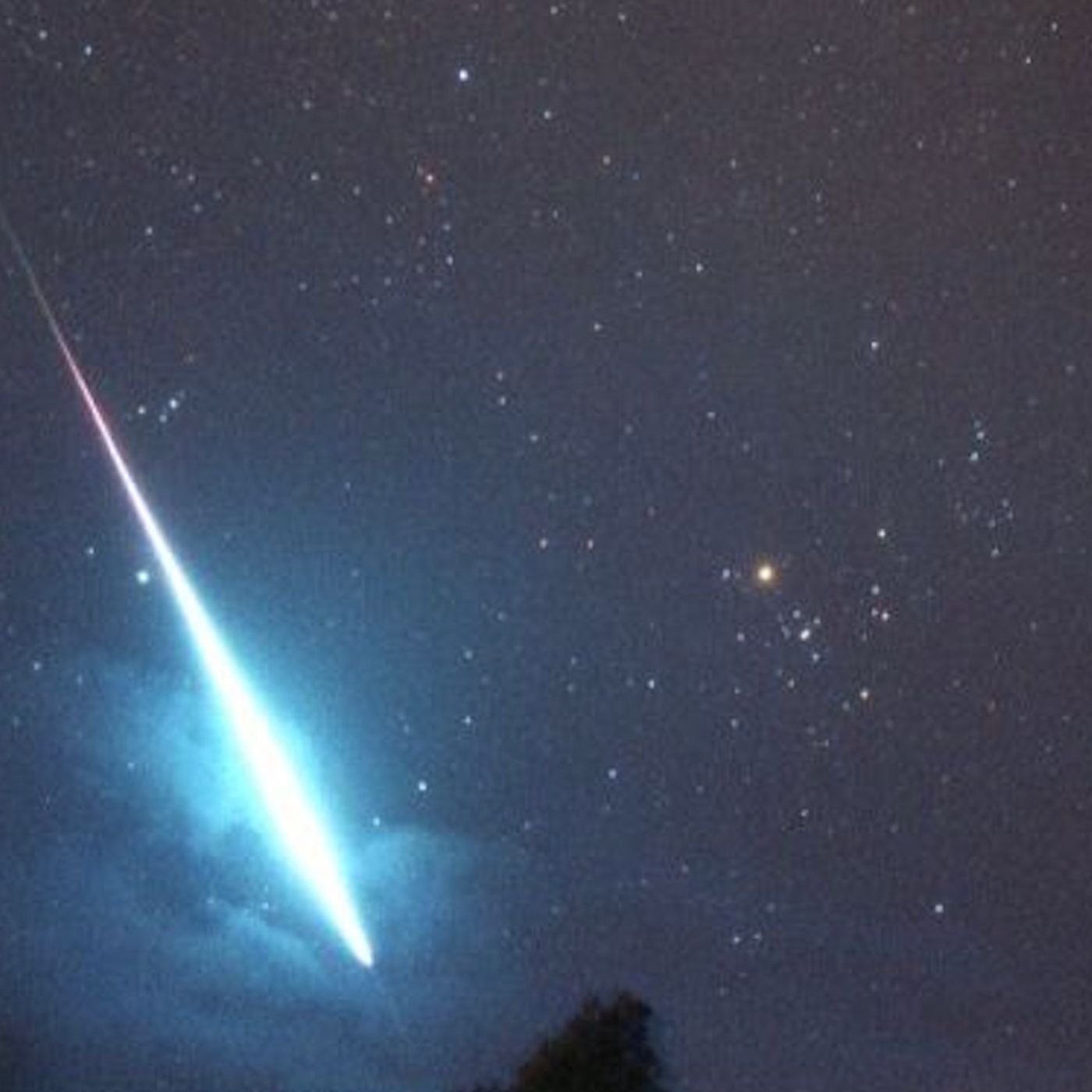
The fireball meteor streaking across the sky the early evening of January 17, 2018, witnessed by 700 observers in 11 States and Canada was also recorded by infrasonic microphones and seismometers. Scientific studies of t…
198E-210-Life's Core [not-audio_url] [/not-audio_url]

Duration: 2:01
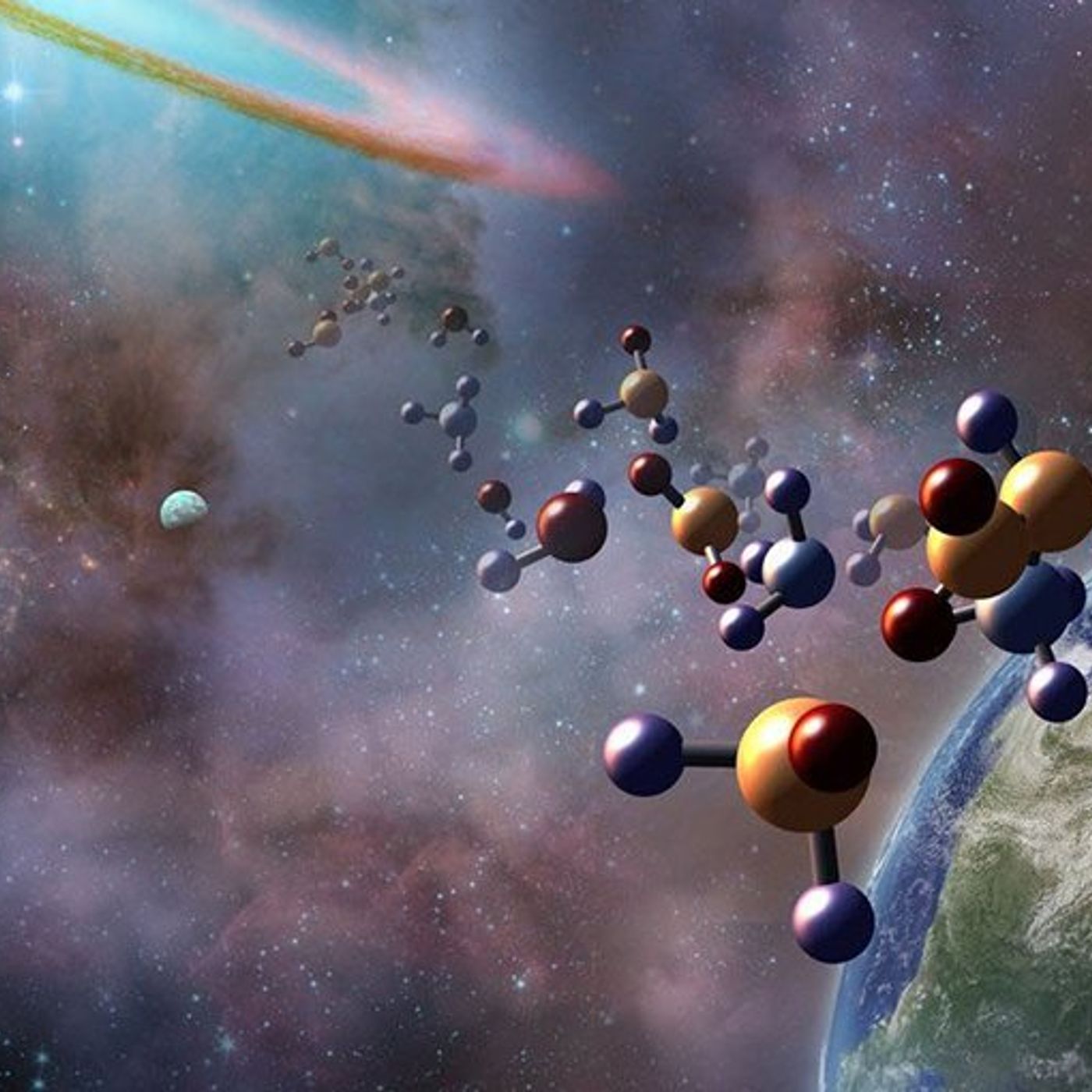
All life has a common core which can guide our search for life outside of our planet.
709-Catching Asteroids(495) [not-audio_url] [/not-audio_url]

Duration: 2:01
Asteroid Mining Is Possible. It might be possible to catch an asteroid, place it into Earth orbit, and thus provide a ready source of precious metals and water for space colonists to use.