345E-368-Asteroid Alert

345E-368-Asteroid Alert

Author: Albert D. Grauer July 15, 2025 Duration: 2:01
When Asteroid hunters discover a new object it is given a score ranging from 0 which means it is likely to be a distant main belt asteroid up to 100 which means that it is likely to come near to us. Each newly discovered asteroid which receives a score of 65 or greater is posted on the Minor Planet Center's Near Earth Object Confirmation Page so that telescopes around the world can track it to estimate it's size as well as to refine our knowledge of it's orbit around the Sun. NASA feeds data on each new discovery into its Scout software system. Scout is designed to identify those objects which are most likely to make a close approach to Earth in the very near future. It's alert allows astronomers to access the new object's risk of impact as well as to study it before it fades into the distance. Fortunately, asteroid hunters have not found any dangerous impacting asteroids, however, Scout's rapid alert has enabled astronomers to measure the size, chemical composition, and rate of rotation for a number of close approaching asteroids. These data are extremely important to plan an effective response should an object be found to be on a collision course with planet Earth. For the vast majority of Earth approaching objects that asteroid hunters discover, additional observations make it less and less likely that an object will impact or even make a very close to approach to our home planet. Those few space rocks which have a tiny remote chance of coming very near to us are passed into NASA Sentry system which makes and keeps astronomers aware of nearby objects so that we do not lose track of them.

Each episode of Travelers In The Night feels like a quiet, personal conversation under a dark sky. Hosted by astronomer Dr. Albert D. Grauer, this podcast brings the distant cosmos into sharp, intimate focus. Dr. Grauer isn't just an observer; he's an active participant in the hunt, working with the Catalina Sky Survey team that has consistently discovered near-Earth asteroids for years. In these brief and engaging segments, you'll hear firsthand accounts of what it's like to track these ancient celestial travelers-the asteroids and comets that silently pass by our world. The discussions move beyond simple facts to explore the real-world implications of these discoveries, from planetary defense to the sheer wonder of our dynamic solar system. Accompanied by the contemplative music of John Lyell's "Eternity," each installment offers a moment of calm reflection on humanity's place in the universe. It’s a perfect blend of grounded science and cosmic curiosity, making complex astronomical concepts accessible and deeply fascinating. For anyone who has ever looked up and wondered what's out there moving in the dark, this podcast provides a direct line to the front lines of discovery.
Author: Language: English Episodes: 100

Travelers In The Night
Podcast Episodes
355E-383-Moon Water [not-audio_url] [/not-audio_url]

Duration: 2:01
The lunar roving, battery powered, 4 wheel drive "Moon Buggy" allowed astronauts on Apollo 15, 16, and 17 to travel 8 mph on the lunar surface with a maximum range of approximately 4.7 mi. Some of the rocks that these sp…
867-Daytime Fireball [not-audio_url] [/not-audio_url]

Duration: 2:01
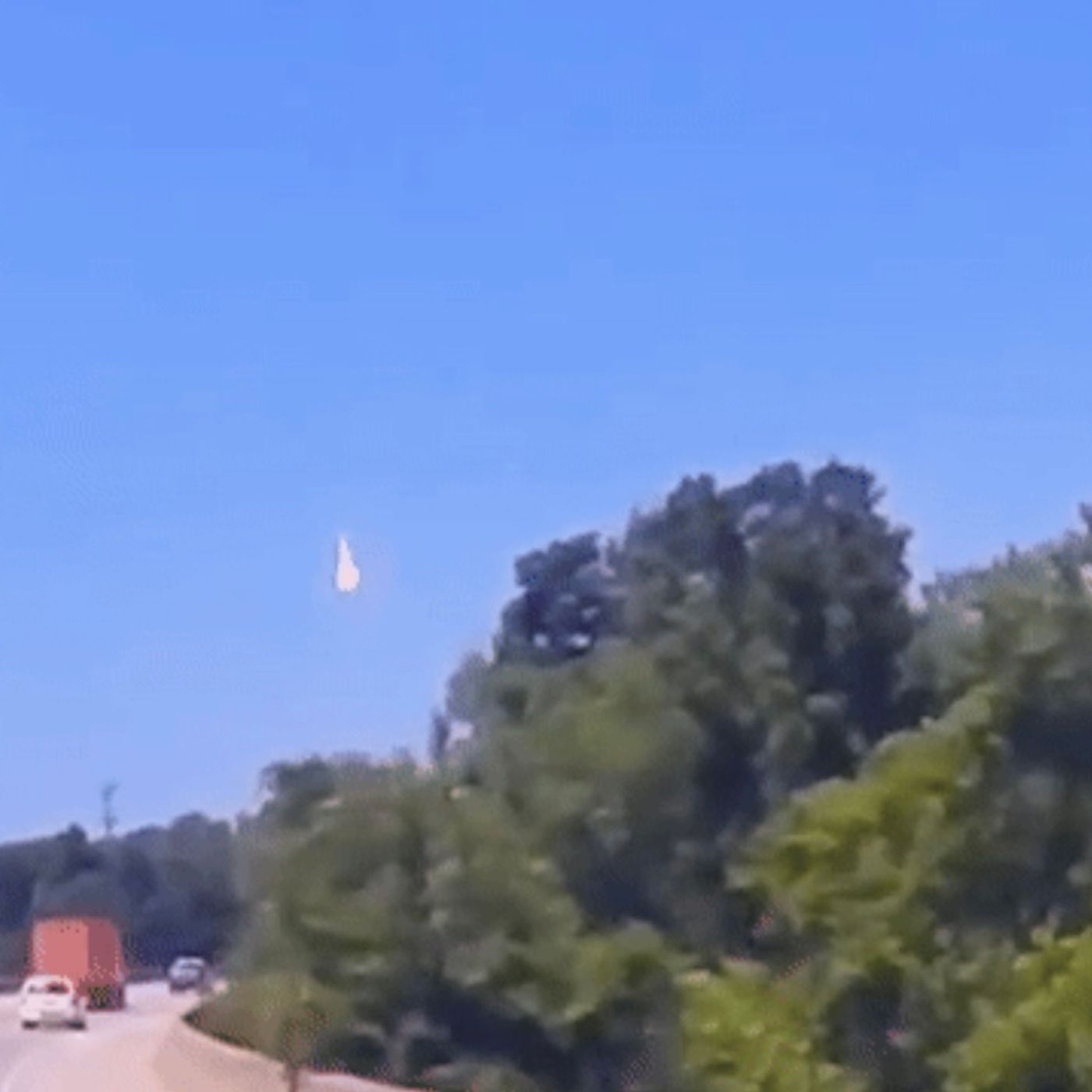
Dr. Bill Cooke of NASA’s Meteoroid Environment Office reports that on June 26, 2025 shortly after noon a beachball sized meteoroid traveling at approximately 30,000 miles per hour broke up about 27 miles above the town o…
354E-382-Martian Debris [not-audio_url] [/not-audio_url]

Duration: 2:01
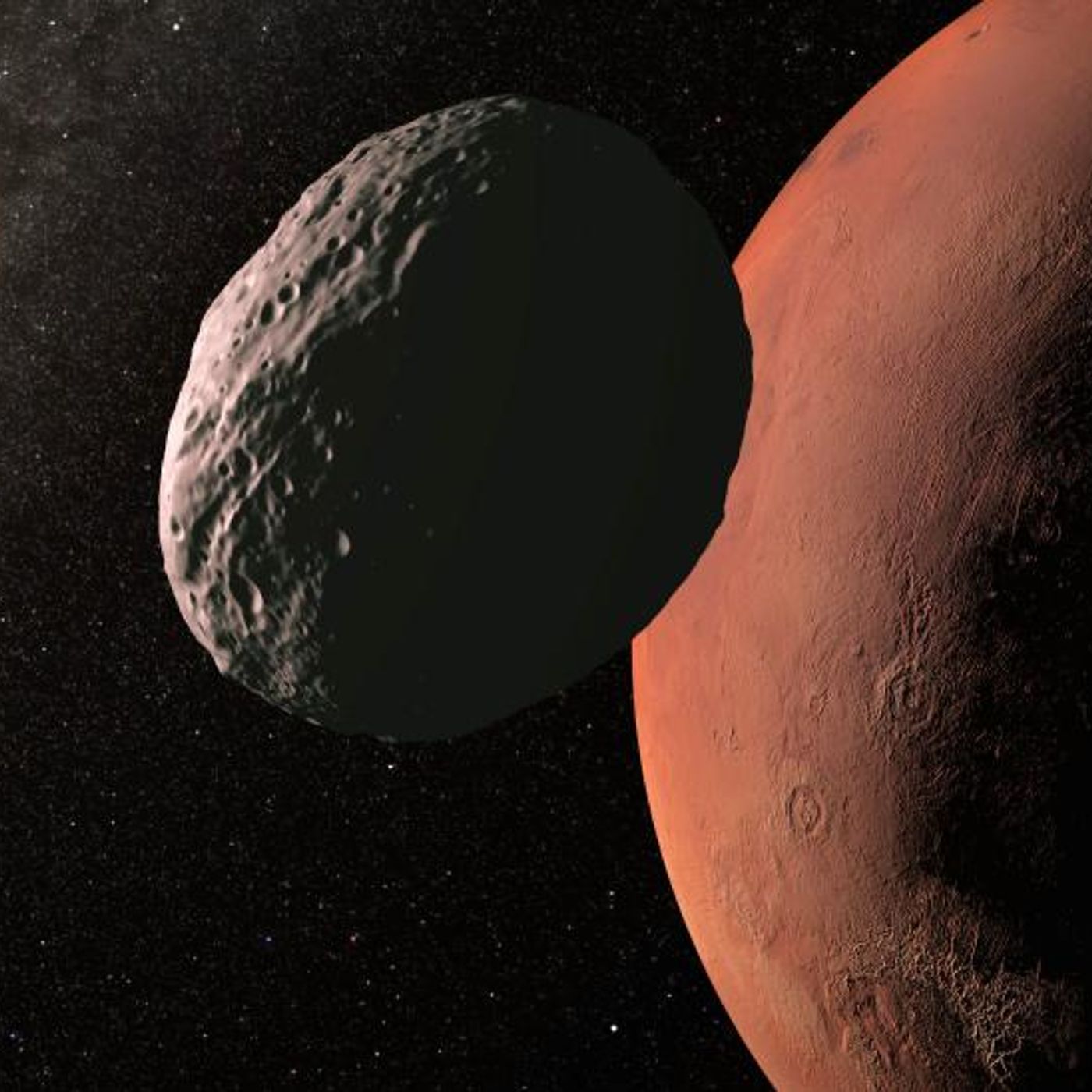
Martian Trojan asteroids have stable orbits around the Sun, leading and trailing the red planet by 60 degrees, where the Sun's and Mars's gravity are balanced. For some time astronomers have considered it unlikely that t…
866-Interstellar Visitor [not-audio_url] [/not-audio_url]

Duration: 2:01
Amazingly, nature occasionally sends an interstellar traveler through our solar system for us to observe. The third such object that astronomers have discovered coming into our solar system from truly deep space is 3I/AT…
353E-381-Peaceful Star [not-audio_url] [/not-audio_url]

Duration: 2:01
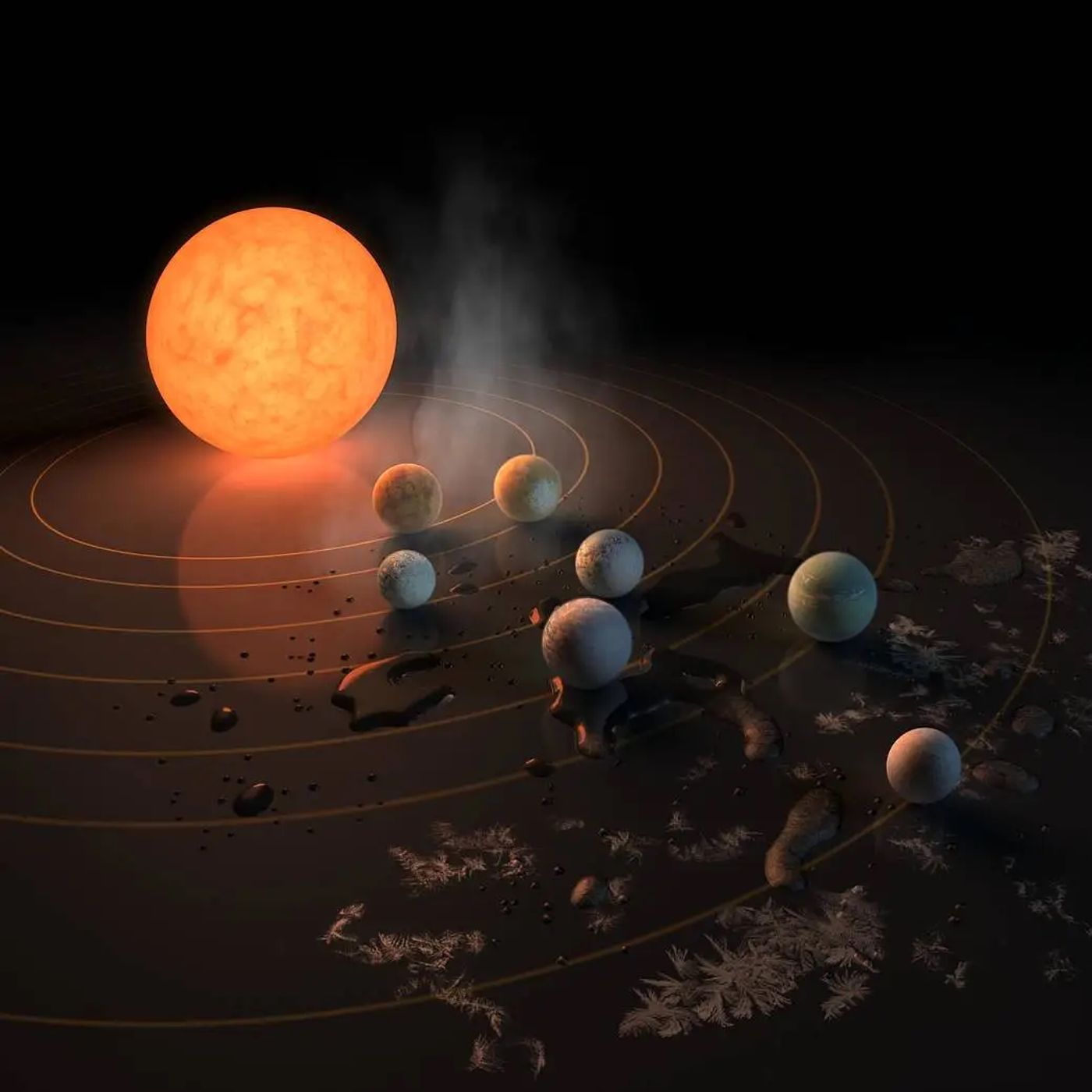
The Sun is our very own well behaved star. It rises and sets in our sky every day and powers and makes possible all life forms on planet Earth. A new appreciation for our Sun is growing as we learn more about other suns…
865-New Potentially Hazardous Asteroid [not-audio_url] [/not-audio_url]

Duration: 2:01
On a a short June night my Catalina Sky Survey teammate Greg Leonard was observing with our 60 inch telescope on Mt. Lemmon, Arizona in the constellation of Ursa Major when a relatively bright fast moving point of light…
352E-379-Flying Mud Balls [not-audio_url] [/not-audio_url]

Duration: 2:01
75% of asteroid hunter's discoveries are called C type asteroids. They are dark, have a high abundance of carbon, consist of clay and silicate rocks, and may have a composition which is up to 22% water. Recently Dr. Phil…
864-Lunar Debris [not-audio_url] [/not-audio_url]

Duration: 2:01
Asteroid 2024 YR4 will not hit the Earth in 2032, has a 4% chance of hitting the moon, and most likely will pass within 900 miles of the lunar surface. If 2024 YR4 were to impact the Moon it could send about the mass of…
351E-376-Active Asteroids [not-audio_url] [/not-audio_url]

Duration: 2:01
When it was first spotted by astronomers at Space Watch on Kitt Peak, 2008 GO98 appeared to be one of many outer main belt asteroids moving through the night sky. 9 years later when my Catalina Sky Survey teammate Greg L…
863-Space Elevator [not-audio_url] [/not-audio_url]

Duration: 2:01
In a recent study Dr. Lynnane George and her co-authors investigate Space Elevator technology to remove materials from Ceres and deliver them to orbital depots around the solar system. The tiny gravity of Ceres, nano-fib…