351E-376-Active Asteroids

351E-376-Active Asteroids

Author: Albert D. Grauer August 26, 2025 Duration: 2:01
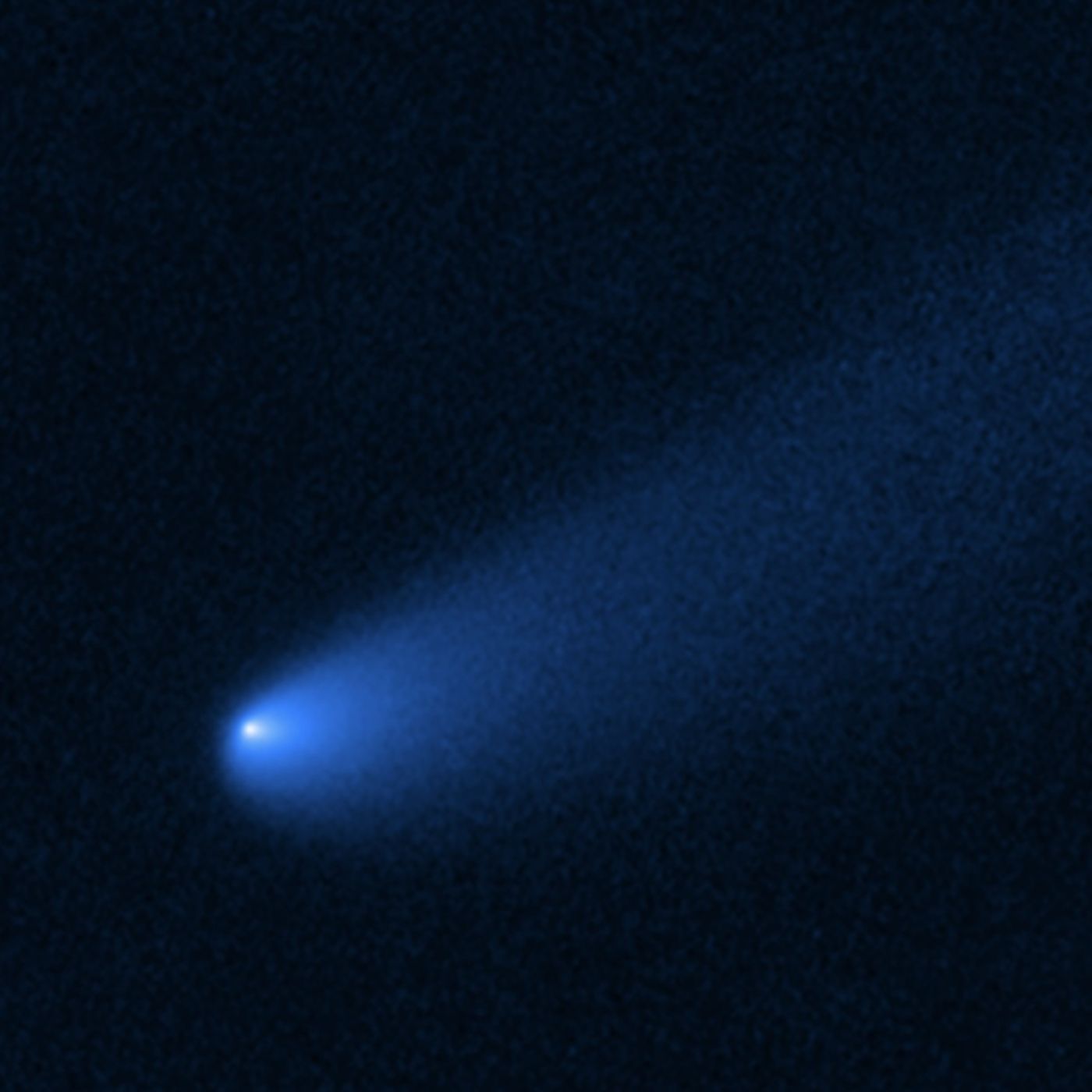
When it was first spotted by astronomers at Space Watch on Kitt Peak, 2008 GO98 appeared to be one of many outer main belt asteroids moving through the night sky. 9 years later when my Catalina Sky Survey teammate Greg Leonard observed it with our 60 inch telescope on Mt. Lemmon it had a coma and a tail like a comet. Active asteroids like 2008 GO98 have asteroid orbits but sometimes show cometary activity which could be caused by a collision with another object and/or by thermal fracturing and ice sublimation caused by the slight warming they obtain from sunlight.

Each episode of Travelers In The Night feels like a quiet, personal conversation under a dark sky. Hosted by astronomer Dr. Albert D. Grauer, this podcast brings the distant cosmos into sharp, intimate focus. Dr. Grauer isn't just an observer; he's an active participant in the hunt, working with the Catalina Sky Survey team that has consistently discovered near-Earth asteroids for years. In these brief and engaging segments, you'll hear firsthand accounts of what it's like to track these ancient celestial travelers-the asteroids and comets that silently pass by our world. The discussions move beyond simple facts to explore the real-world implications of these discoveries, from planetary defense to the sheer wonder of our dynamic solar system. Accompanied by the contemplative music of John Lyell's "Eternity," each installment offers a moment of calm reflection on humanity's place in the universe. It’s a perfect blend of grounded science and cosmic curiosity, making complex astronomical concepts accessible and deeply fascinating. For anyone who has ever looked up and wondered what's out there moving in the dark, this podcast provides a direct line to the front lines of discovery.
Author: Language: English Episodes: 1000

Travelers In The Night
Podcast Episodes
248E-260-Gliding to Space [not-audio_url] [/not-audio_url]

Duration: 2:01
About 20 years ago Dr. Elizabeth Austin began to investigate Polar Vortex winds during the long winter nights near the poles. One of its components, the stratospheric polar night jet, can create 300 mph winds which in tu…
758-Weird Supernova [not-audio_url] [/not-audio_url]

Duration: 2:01
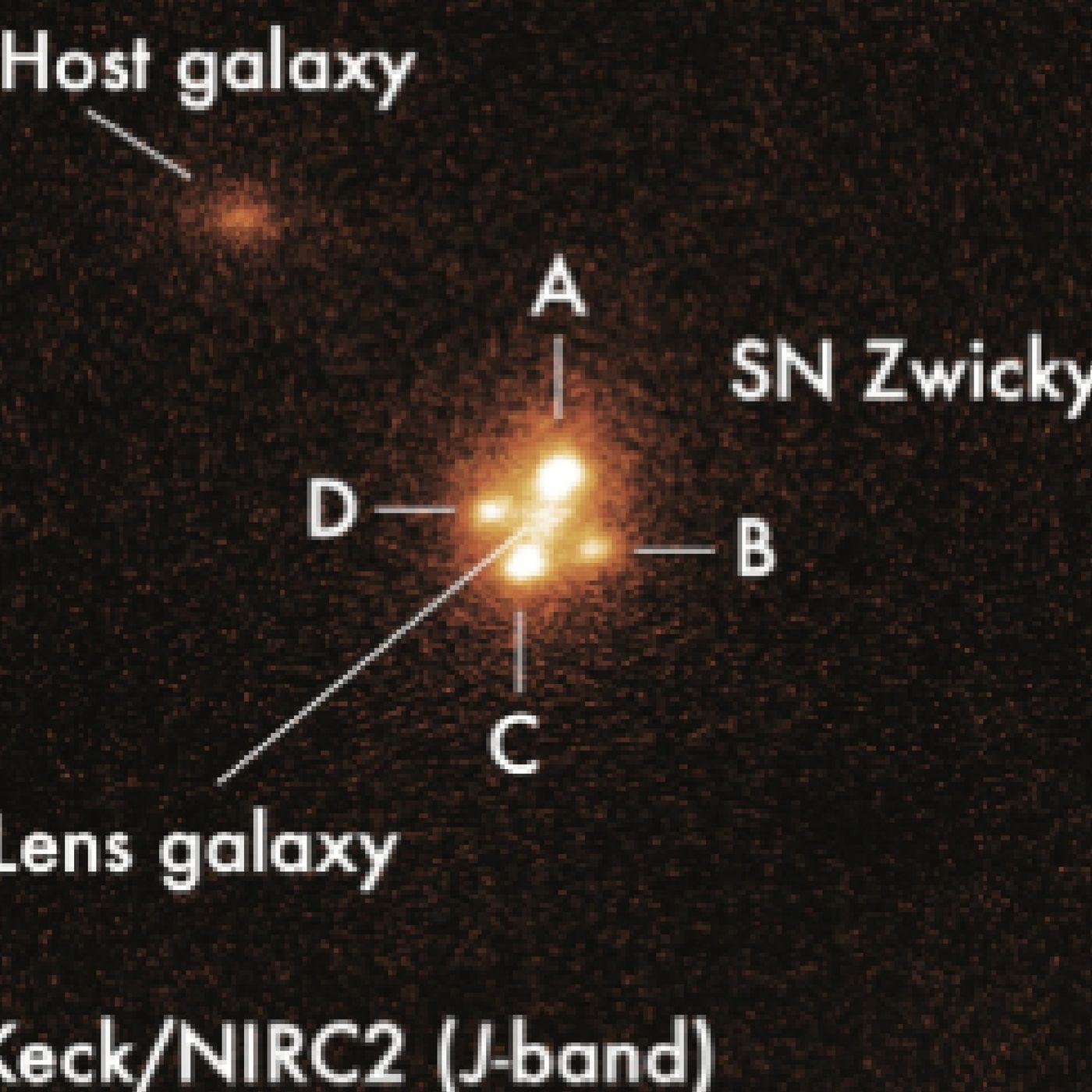
An extremely wide field of view camera, the Zwicky Transient Facility, operated by Caltech on Palomar Mountain in California is able to take images of the entire northern sky every couple of days. This capability has ena…
247E-259-Trans-Neptunian [not-audio_url] [/not-audio_url]

Duration: 2:01
During the course of a single night our telescopes can find more than 10,000 moving objects. Fortunately our software geniuses are able to sort through this pile to allow us to focus on unknown objects which require addi…
757-Alien Signals [not-audio_url] [/not-audio_url]

Duration: 2:01
Project Breakthrough Listen is spending $100 million over 10 years so that radio telescopes can search for signals which may indicate extraterrestrial intelligence.In a recent article in the Astronomical Journal a team o…
246E-258-Odds of Aliens [not-audio_url] [/not-audio_url]

Duration: 2:01
Recently Dr. Adam Frank of the University of Rochester and Dr Woodruff Sullivan of the University of Washington published a paper in which they addressed the question "What are the odds that humans are the only technolog…
756-Nice PHA [not-audio_url] [/not-audio_url]

Duration: 2:01
My Catalina Sky Survey teammate David Rankin was asteroid hunting in the constellation of Cancer with our Schmidt telescope on Mt. Bigelow, Arizona when he discovered a potentially hazardous asteroid, 2023 KM5.Rest assur…
245E-257-Raw Asteroid [not-audio_url] [/not-audio_url]

Duration: 2:01
Most asteroids that we observe have been baked by the Sun for billions of years. As a result, any ices or frozen gases that they may have once possessed are long gone. Comets on the other hand have spent so much time far…
755-Geyser of Life-Maybe [not-audio_url] [/not-audio_url]

Duration: 2:01
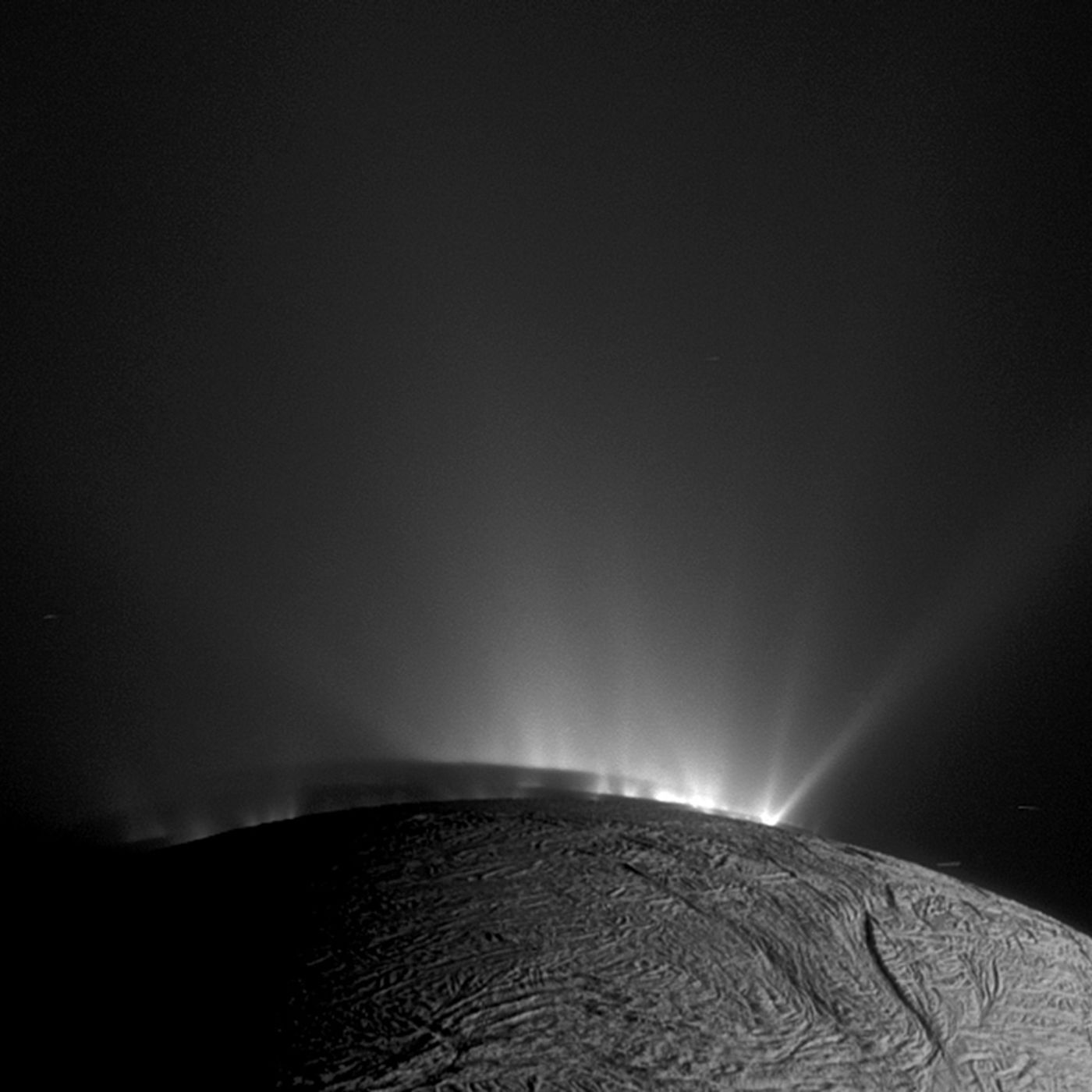
In 2023 the James Webb Space Telescope spotted a geyser of water vapor extending more than 80% of the Earth’s diameter erupting from Saturn’s moon Enceladus. If life does exist in the salty ocean of Enceladus shielded fr…
244E-256-Pale Blue Dot [not-audio_url] [/not-audio_url]

Duration: 2:01
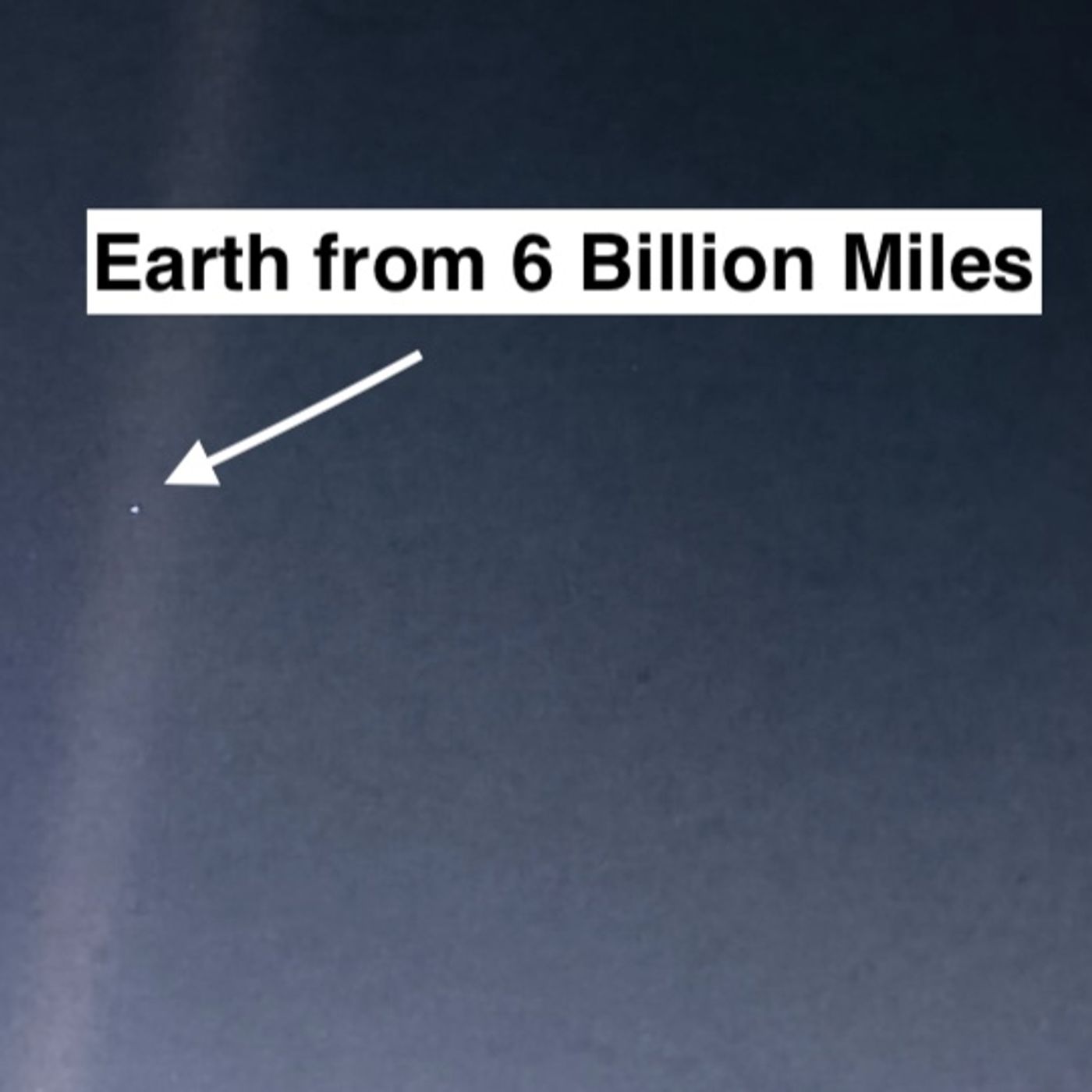
More than 25 years ago Voyager 1 took a picture of the Earth from beyond Pluto's orbit. This image shows our home planet to be an isolated tiny pale blue dot floating in the vastness of space.
754-Very Fast Moving Objects In The Night Sky [not-audio_url] [/not-audio_url]

Duration: 2:01
Very small fast moving asteroids pass through our solar system.About once a month an object like 2023 KU4 enters our atmosphere, releases the energy of approximately 2.4 tons of TNT, explodes at an altitude of about 280,…