354-Returnee

354-Returnee

Author: Albert D. Grauer May 30, 2017 Duration: 2:01
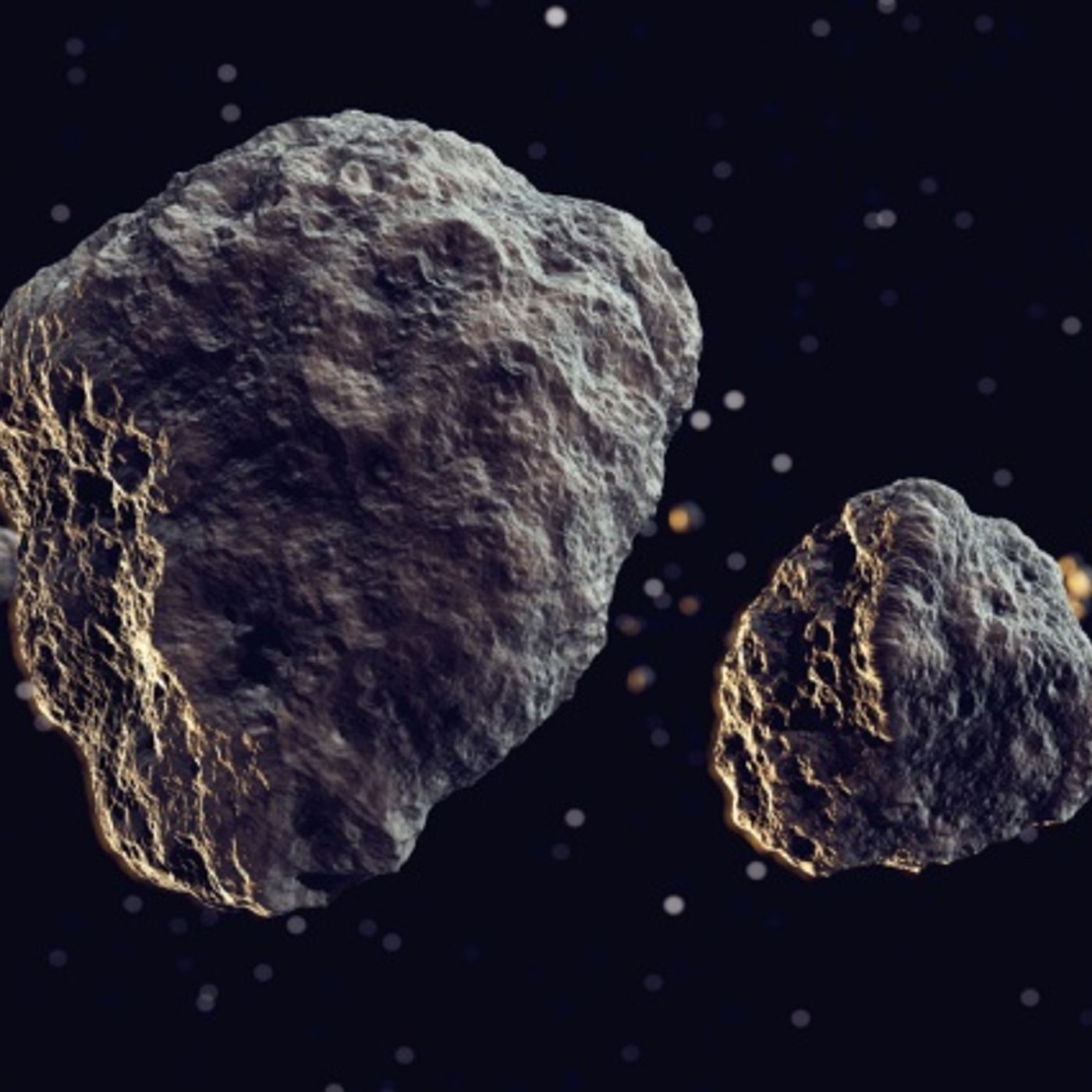
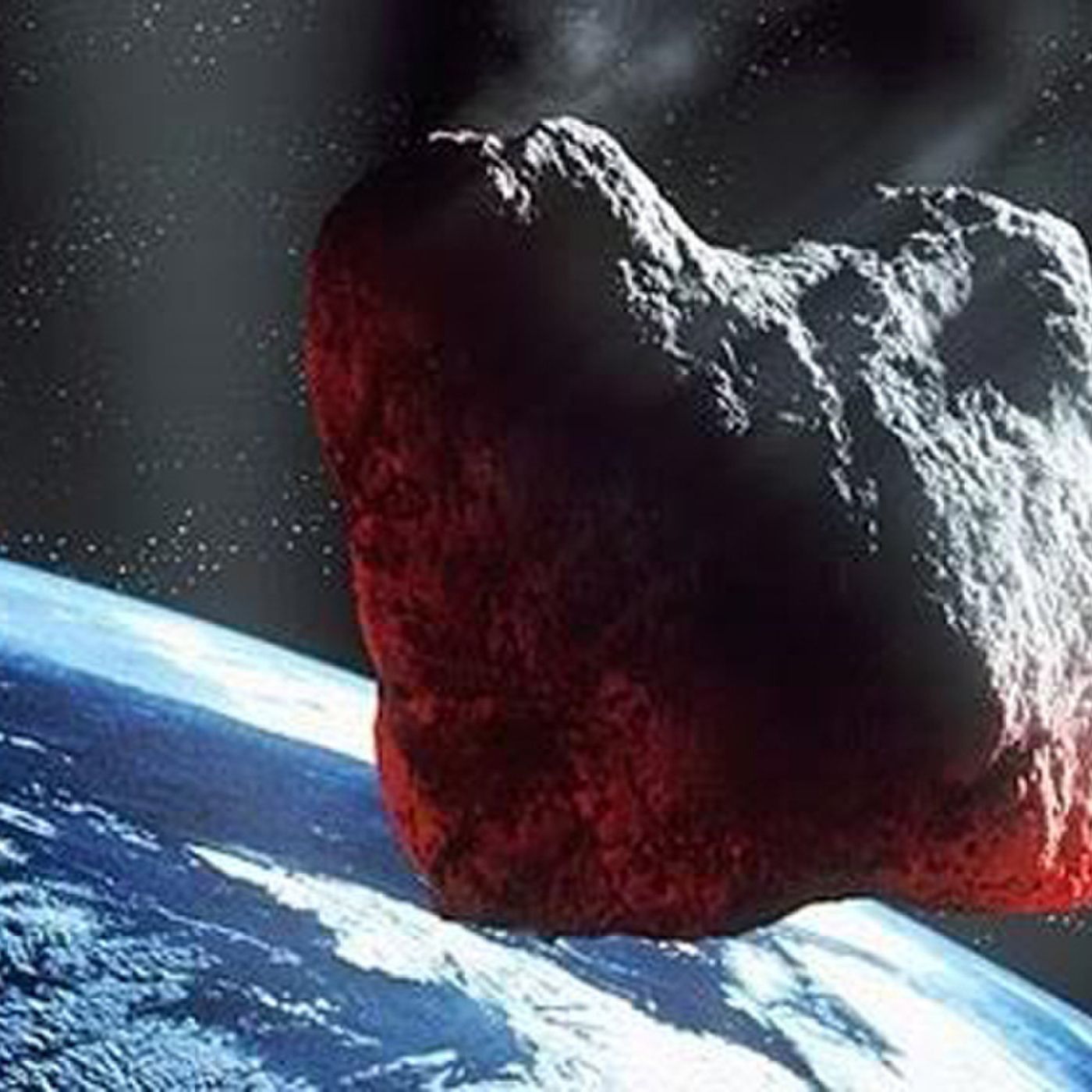
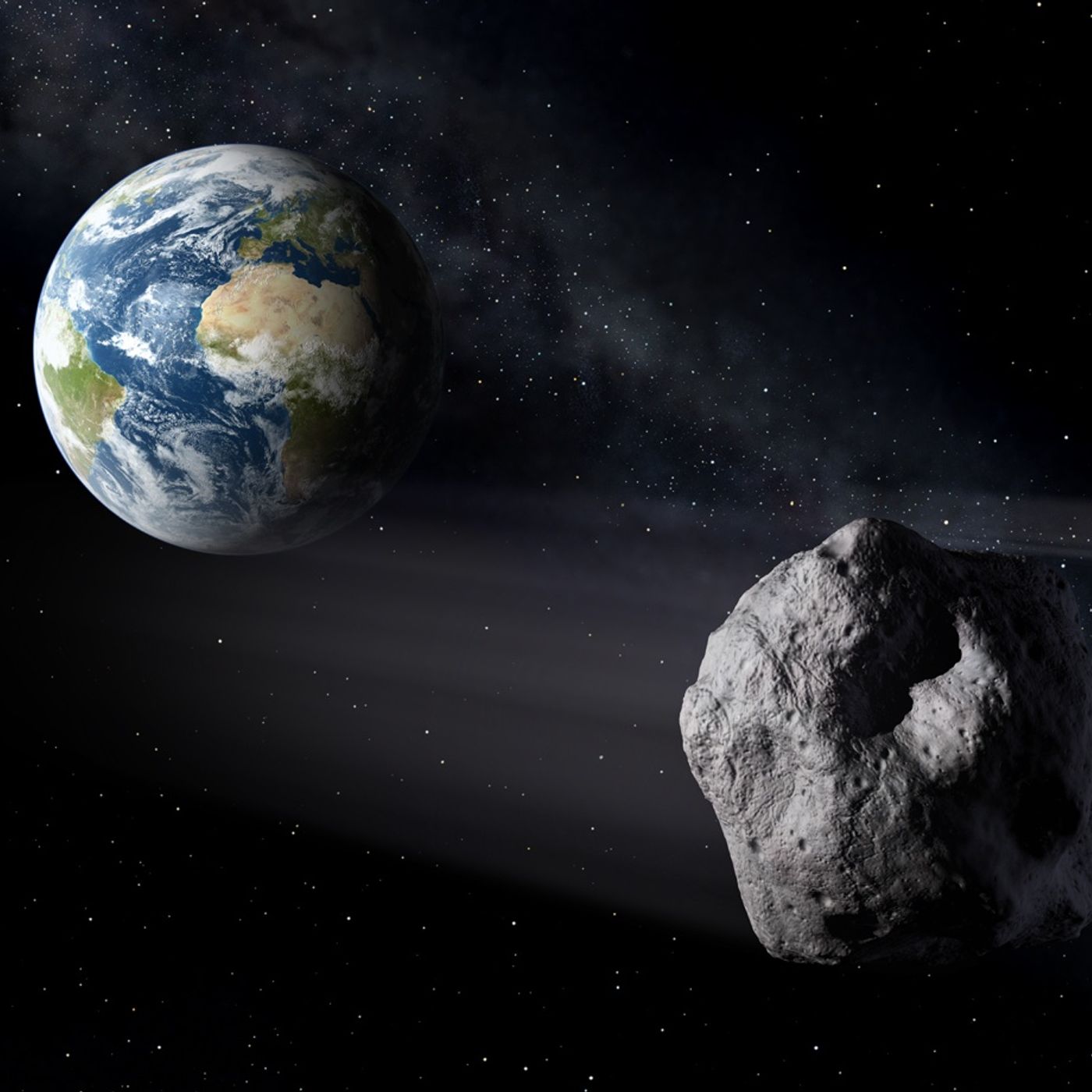
What had appeared as a solitary point of light returns to near Earth to reveal that it is two asteroids in a tight dance.

Each episode of Travelers In The Night feels like a quiet, personal conversation under a dark sky. Hosted by astronomer Dr. Albert D. Grauer, this podcast brings the distant cosmos into sharp, intimate focus. Dr. Grauer isn't just an observer; he's an active participant in the hunt, working with the Catalina Sky Survey team that has consistently discovered near-Earth asteroids for years. In these brief and engaging segments, you'll hear firsthand accounts of what it's like to track these ancient celestial travelers-the asteroids and comets that silently pass by our world. The discussions move beyond simple facts to explore the real-world implications of these discoveries, from planetary defense to the sheer wonder of our dynamic solar system. Accompanied by the contemplative music of John Lyell's "Eternity," each installment offers a moment of calm reflection on humanity's place in the universe. It’s a perfect blend of grounded science and cosmic curiosity, making complex astronomical concepts accessible and deeply fascinating. For anyone who has ever looked up and wondered what's out there moving in the dark, this podcast provides a direct line to the front lines of discovery.
Author: Language: English Episodes: 1000

Travelers In The Night
Podcast Episodes
495-Catching Asteroids [not-audio_url] [/not-audio_url]

Duration: 2:01
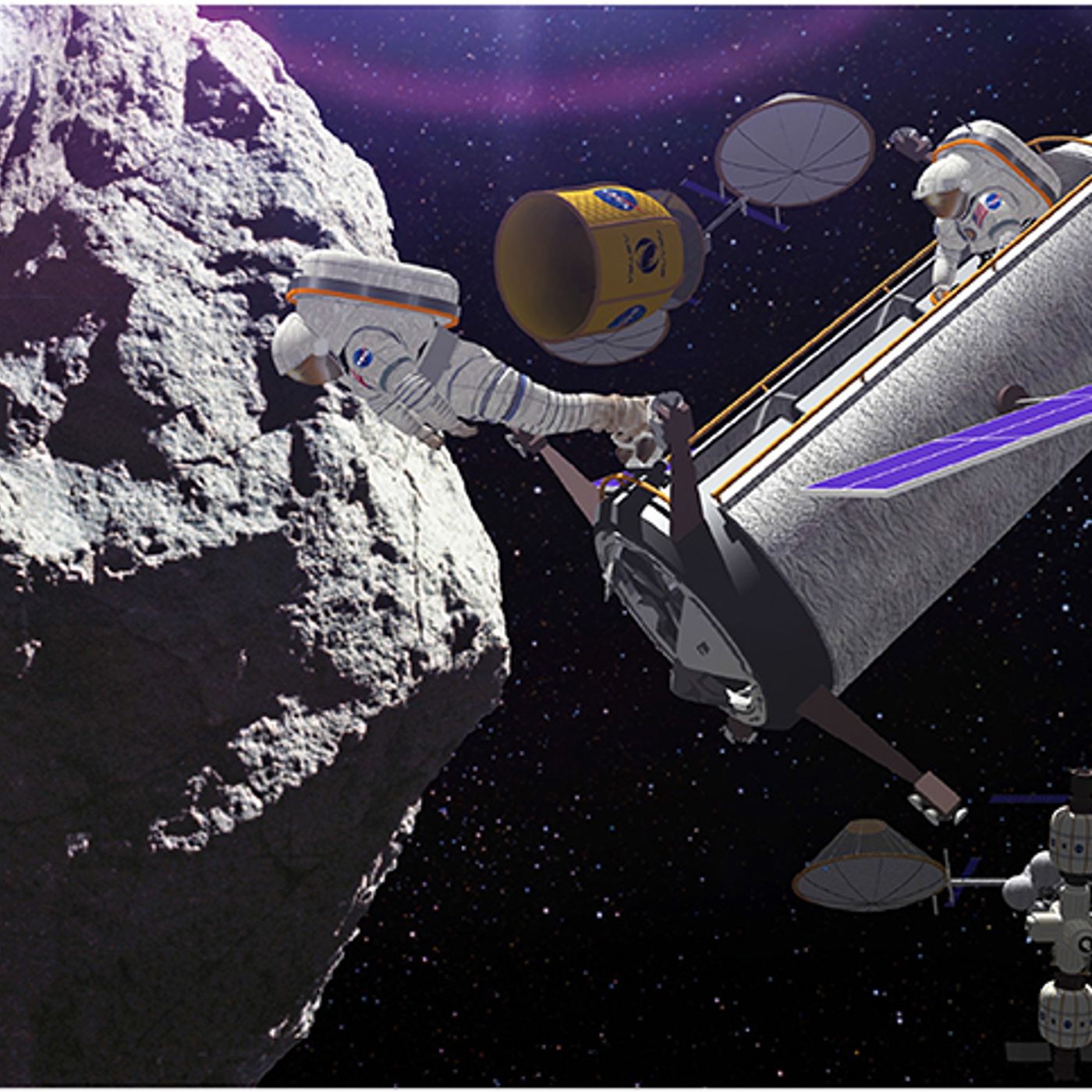
It might be possible to catch an asteroid, place it into Earth orbit, and thus provide a ready source of precious metals and water for space colonists to use.
494-Guard Down [not-audio_url] [/not-audio_url]

Duration: 2:01
In 2018, July and August were cloudy and rainy in both Arizona and Hawaii sidelining the worlds two most productive asteroid hunting surveys. A cost effective way to make the Earth's planetary defense system more weather…
493-Ringed Dynamo [not-audio_url] [/not-audio_url]

Duration: 2:01
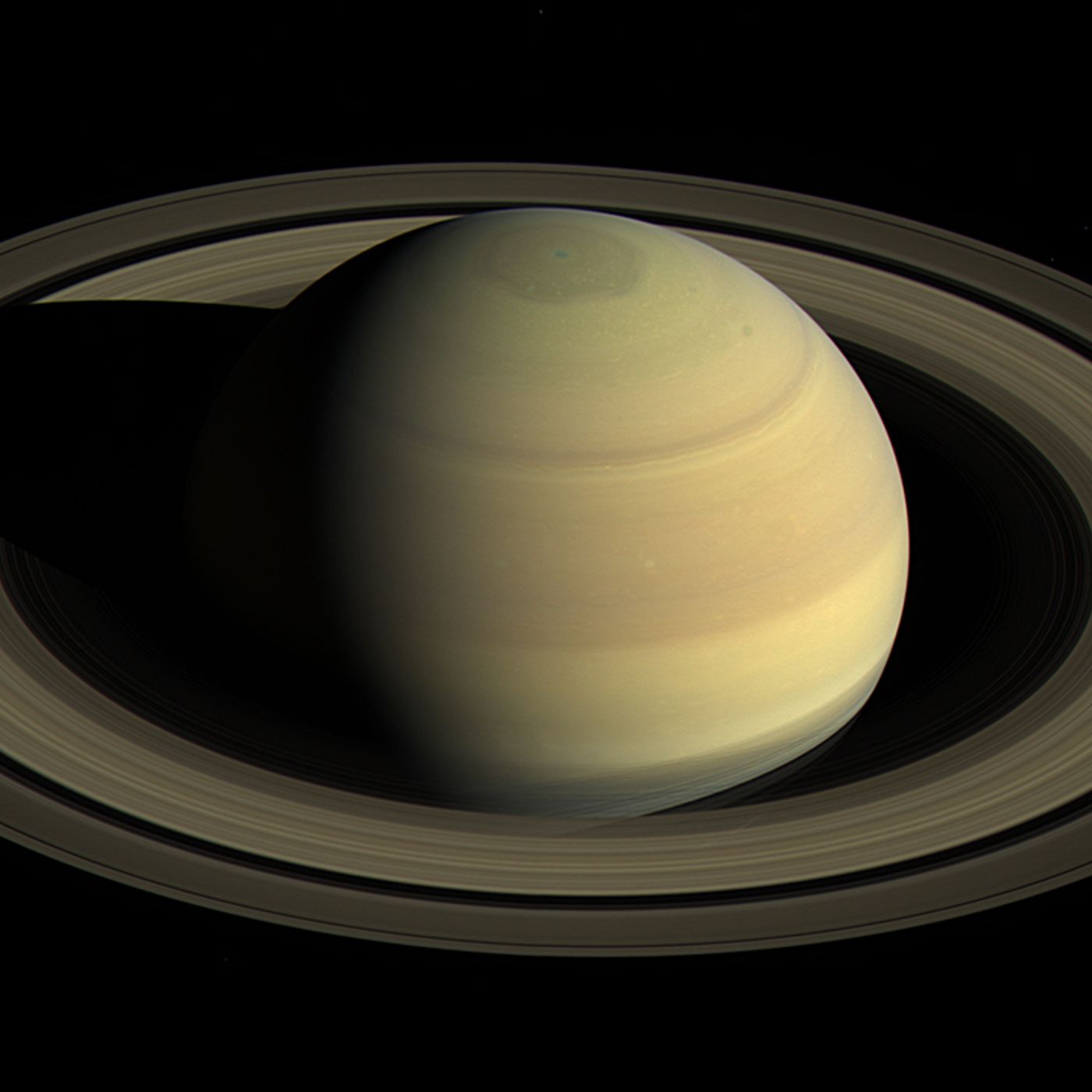
Even though humans have been aware of the planet Saturn from from the dawn of history this beautiful object still offers mysteries for us to explore.
492-Not Human [not-audio_url] [/not-audio_url]

Duration: 2:01
From the time 3 million years ago that our ancestor Lucy walked in what is now Ethiopia until the widespread use of electric lighting began in the 1880s the changing panorama and awe inspiring beauty of the natural night…
491-One Half Inch [not-audio_url] [/not-audio_url]

Duration: 2:01
Fuzzy, spread out, asteroid images due to atmospheric and or equipment produced distortions can cause important objects to slip through an asteroid hunter's discovery images undetected. A careful monitoring of the temper…
490-Mini Moons [not-audio_url] [/not-audio_url]

Duration: 2:01
There are likely to be hundreds smaller than softball sized and perhaps several dozen football to beachball sized, natural Earth mini moons, which are so small and fast moving that they are able to slip through asteroid…
489-Martian Water [not-audio_url] [/not-audio_url]

Duration: 2:01
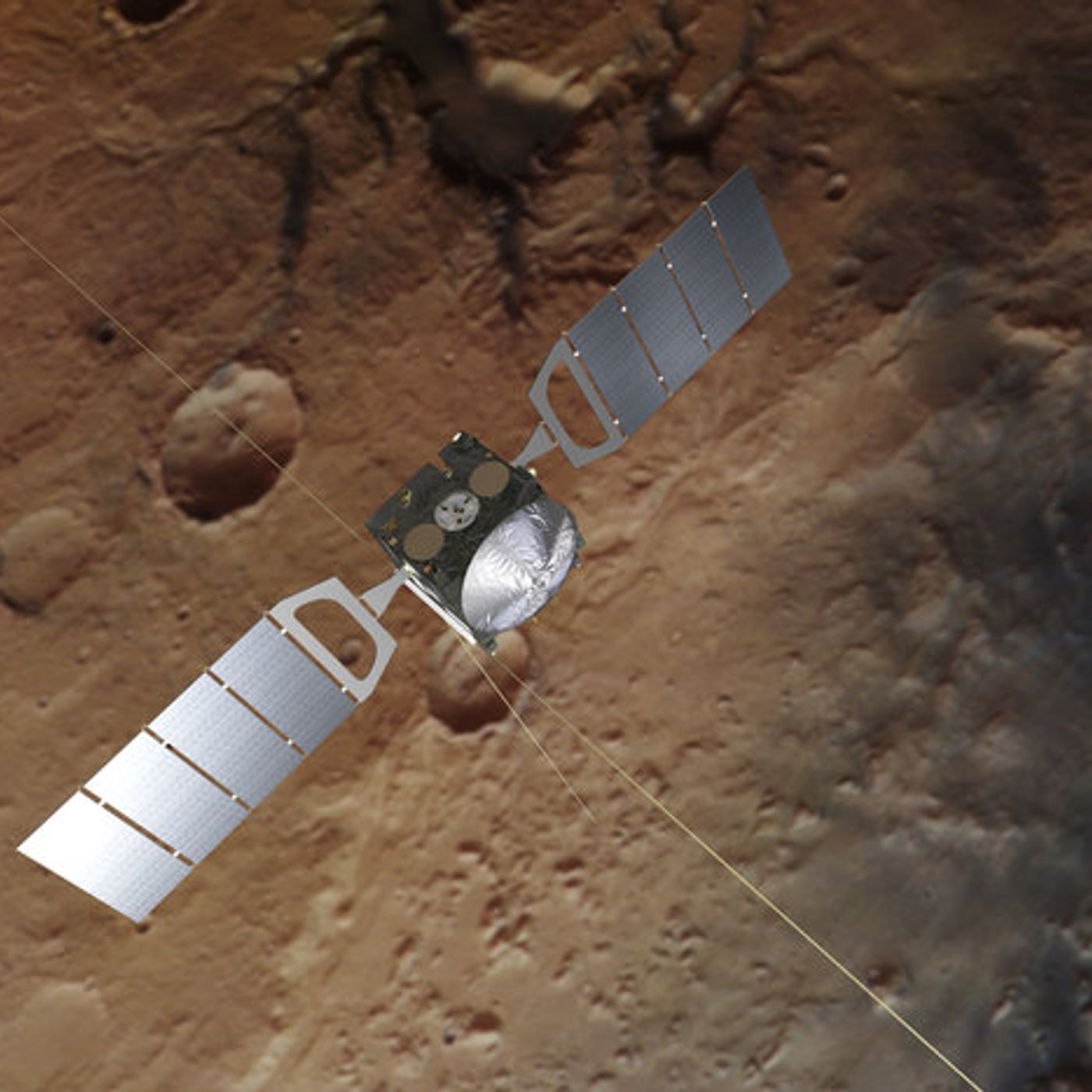
Exciting new research indicates that there could be a lake of liquid water beneath the south Martian polar cap. Further research will be required to determine if this briny pool could be the home of martian creatures.
488-20 years [not-audio_url] [/not-audio_url]

Duration: 2:01
It has been 20 years since the world woke up to the news that a half mile diameter asteroid, 1997 XF11, discovered by Space Watch on Kitt Peak, had a slight chance of impacting the Earth in 2028. The NASA and JPL's Cente…
487-Touching The Sun [not-audio_url] [/not-audio_url]

Duration: 2:01
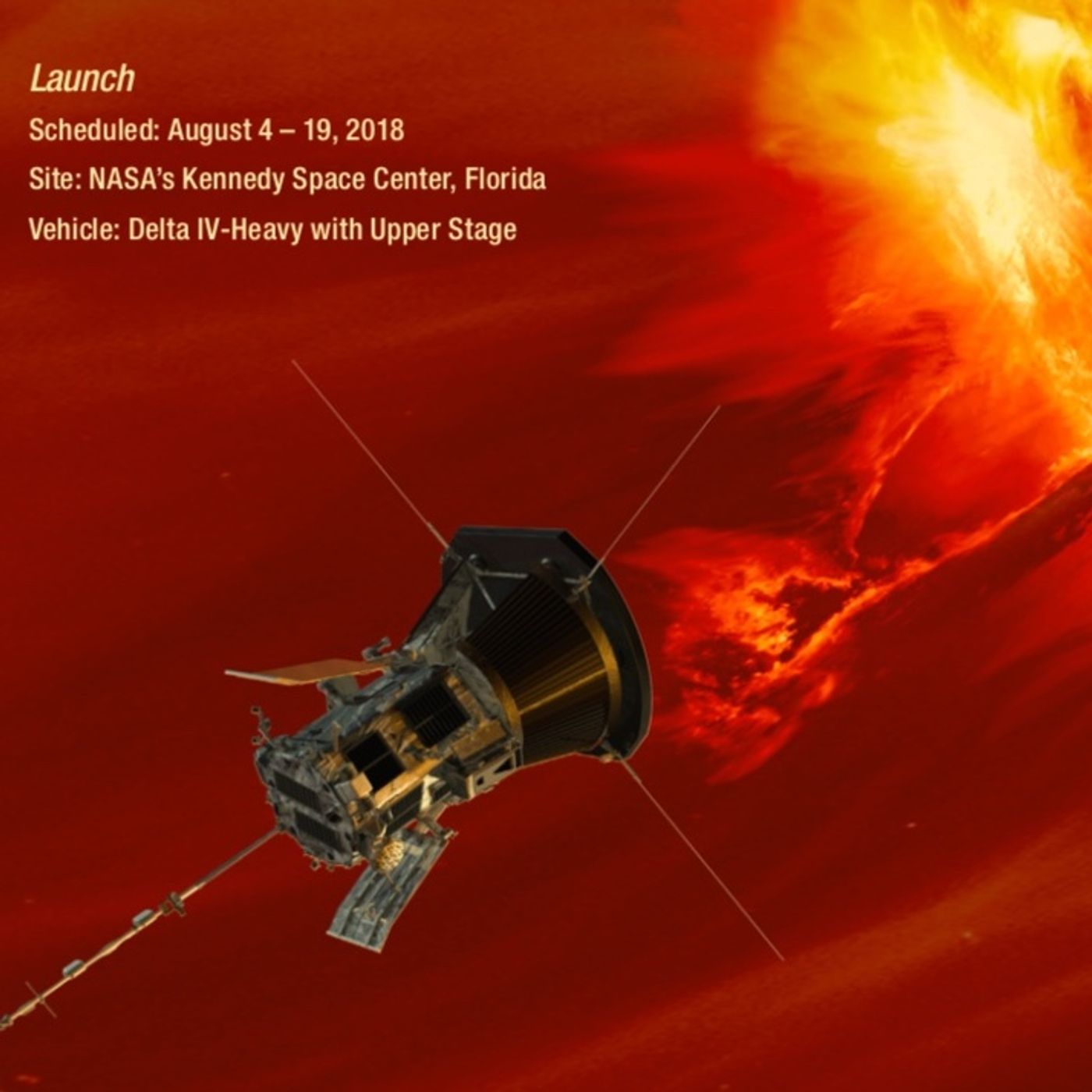
Imagine a spacecraft traveling at a speed that would take it from New York to Tokyo in less than a minute, a mere 4 million miles from the surface of our Sun, where it would be exposed to about 500 times the solar radiat…
486-Martian Storms [not-audio_url] [/not-audio_url]

Duration: 2:01
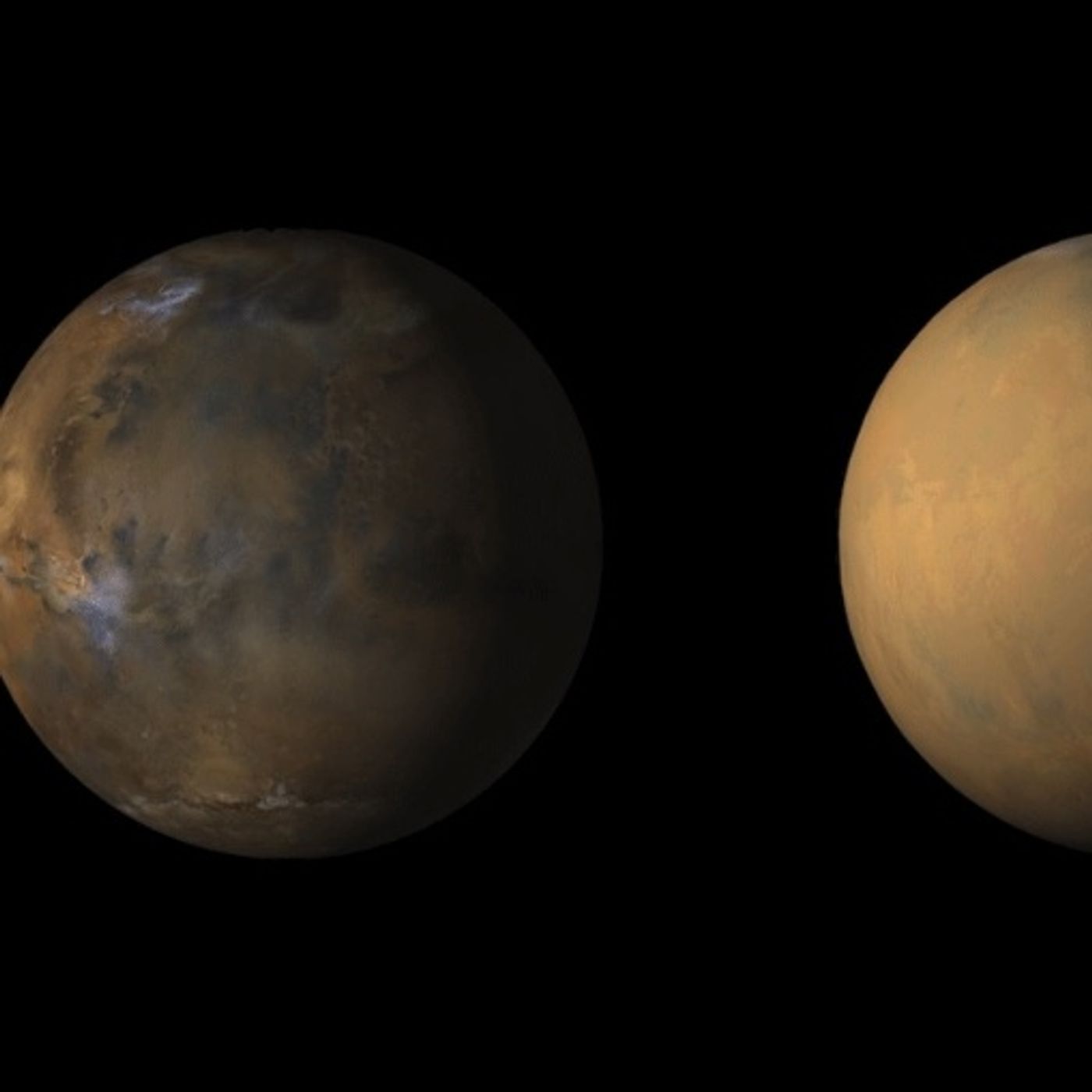
In a few weeks ,as Earth and Mars moved closer together, a dust storm engulfed most of the red planet making it impossible to see its surface features.