358E-389-Tiny Spacecraft

358E-389-Tiny Spacecraft

Author: Albert D. Grauer October 14, 2025 Duration: 2:01
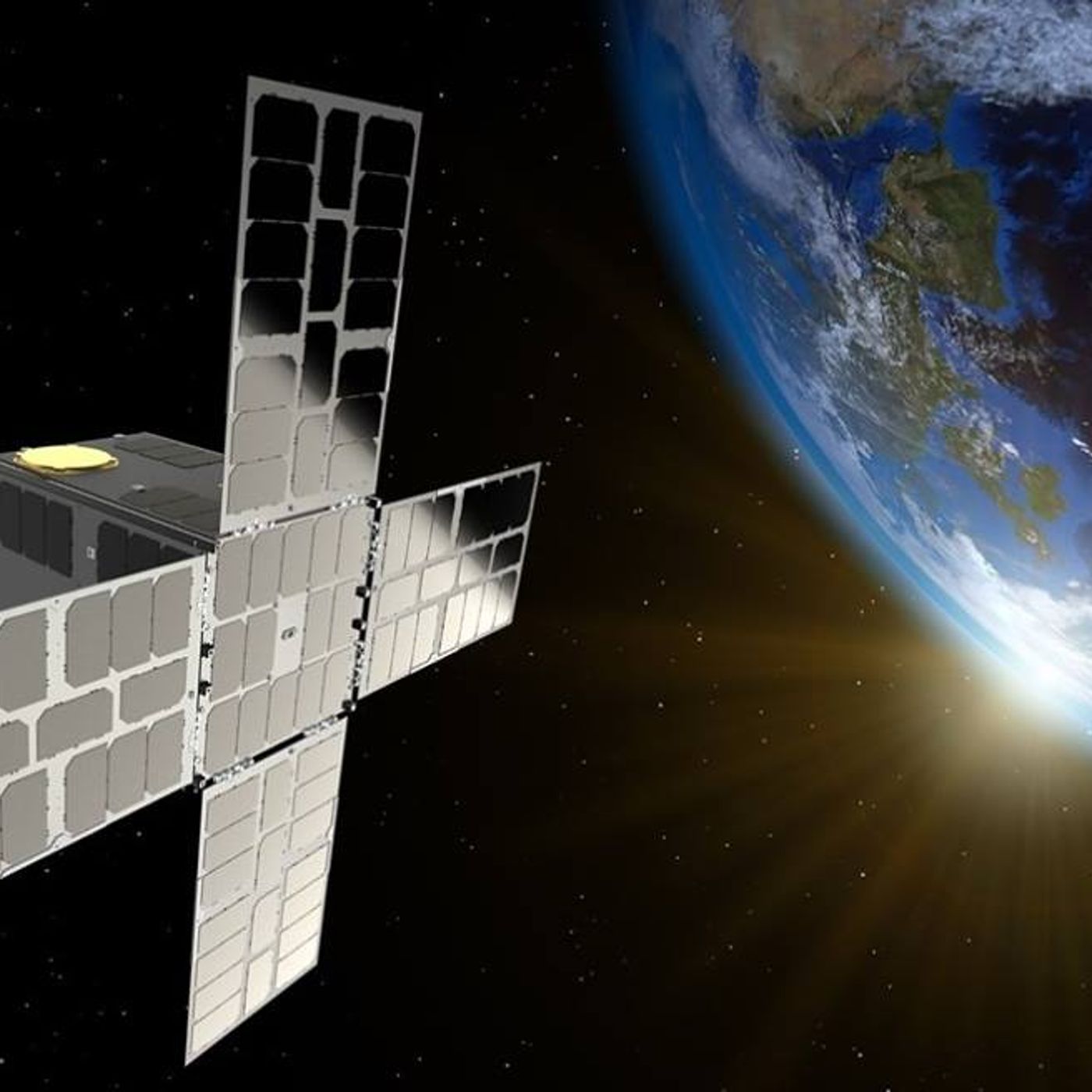
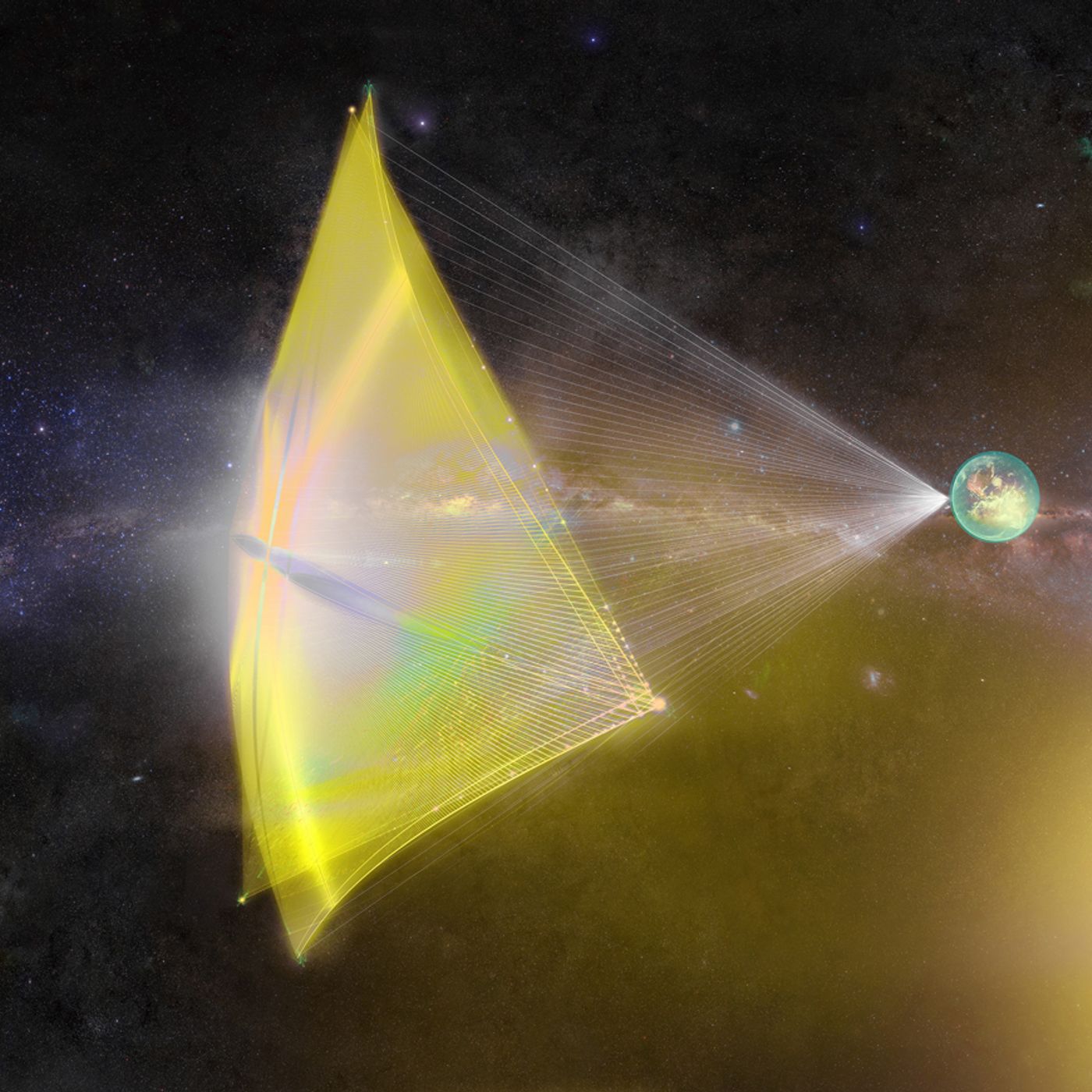
To reach the vicinity of the nearest star, 24 trillion miles away, in less than 20 years, an interstellar space probe would have to travel at a substantial fraction of the speed of light. Newton's laws of motion, published 300 years ago, predict that the greater the mass of an object the greater is the force required to increase it's velocity. In order to alleviate the need for the virtually unaffordable amount of energy required to accelerate a normal sized spacecraft to a speed of 20% of the speed of light, the Breakthrough Starshot program has funded the creation of 'Sprite' , the world's smallest spacecraft. About the size of a saltine cracker and having a mass of less than 2 dimes, the single-board Sprite spacecraft has all the essentials; solar panels, computing electronics, thermometers, gyroscopes, radio communication equipment and more. Working prototypes have been launched into Earth orbit by the Indian Space Research Organization attached to the Italian Max Valier and Latvian Ventra satellites. One of them has sent back signals which have been received by Cornell University's ground station. Dr. Zac Manchester who started the Sprite Spacecraft program while earning a PhD at Cornell University envisions using tiny spacecraft to explore near Earth Space as well as asteroids and moons in our solar system. In the future, fleets of the decedents of Sprite could be sent to explore intriguing planets in nearby alien solar systems. These tiny explorers will be propelled by high power Earth bound lasers directed at their solar sails and could reach and explore distant planets in a reasonable amount of time.

Each episode of Travelers In The Night feels like a quiet, personal conversation under a dark sky. Hosted by astronomer Dr. Albert D. Grauer, this podcast brings the distant cosmos into sharp, intimate focus. Dr. Grauer isn't just an observer; he's an active participant in the hunt, working with the Catalina Sky Survey team that has consistently discovered near-Earth asteroids for years. In these brief and engaging segments, you'll hear firsthand accounts of what it's like to track these ancient celestial travelers-the asteroids and comets that silently pass by our world. The discussions move beyond simple facts to explore the real-world implications of these discoveries, from planetary defense to the sheer wonder of our dynamic solar system. Accompanied by the contemplative music of John Lyell's "Eternity," each installment offers a moment of calm reflection on humanity's place in the universe. It’s a perfect blend of grounded science and cosmic curiosity, making complex astronomical concepts accessible and deeply fascinating. For anyone who has ever looked up and wondered what's out there moving in the dark, this podcast provides a direct line to the front lines of discovery.
Author: Language: English Episodes: 1000

Travelers In The Night
Podcast Episodes
404-Jess's Find [not-audio_url] [/not-audio_url]

Duration: 2:01
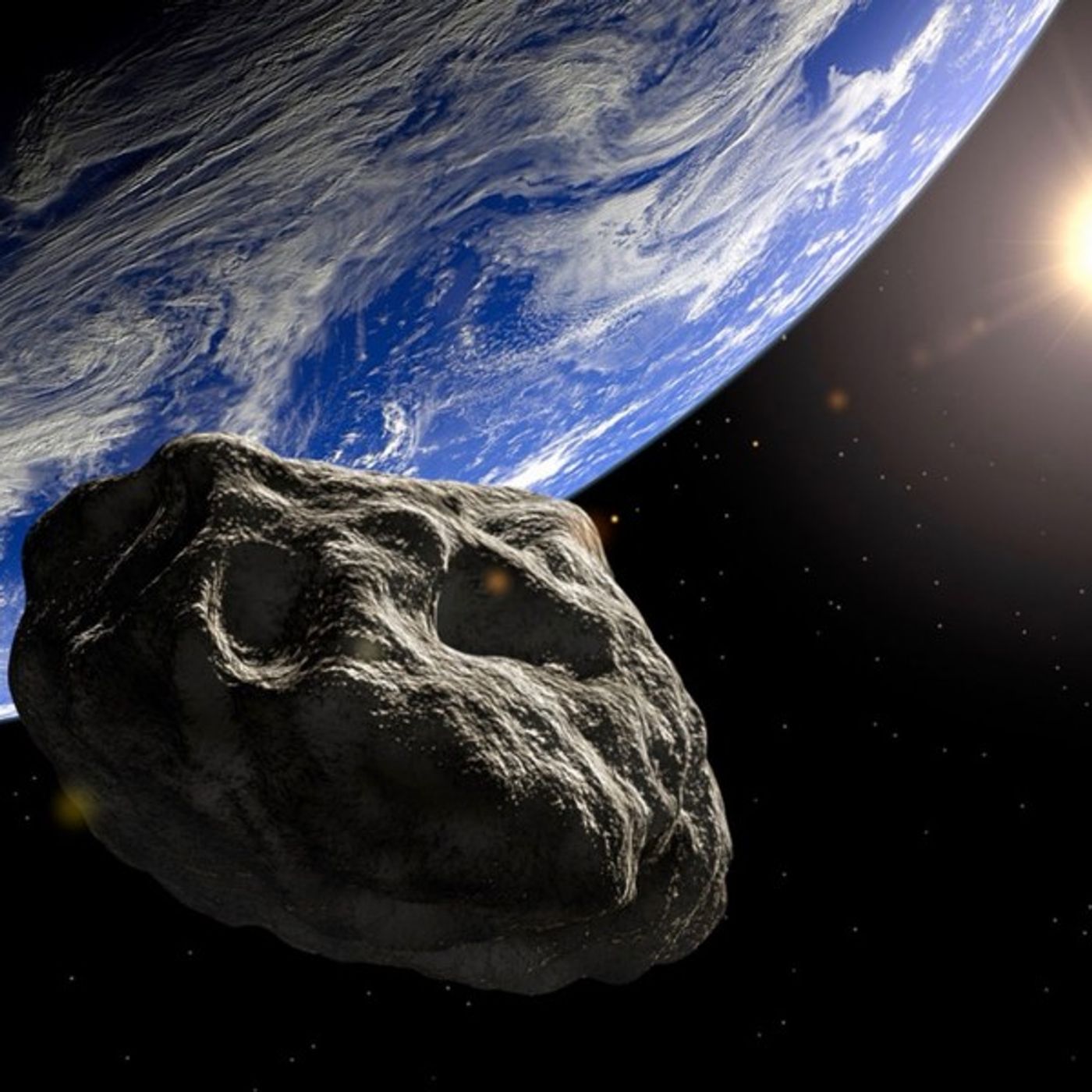
Large undiscovered Earth approaching asteroids are still out there.
403-Double Comet [not-audio_url] [/not-audio_url]

Duration: 2:01
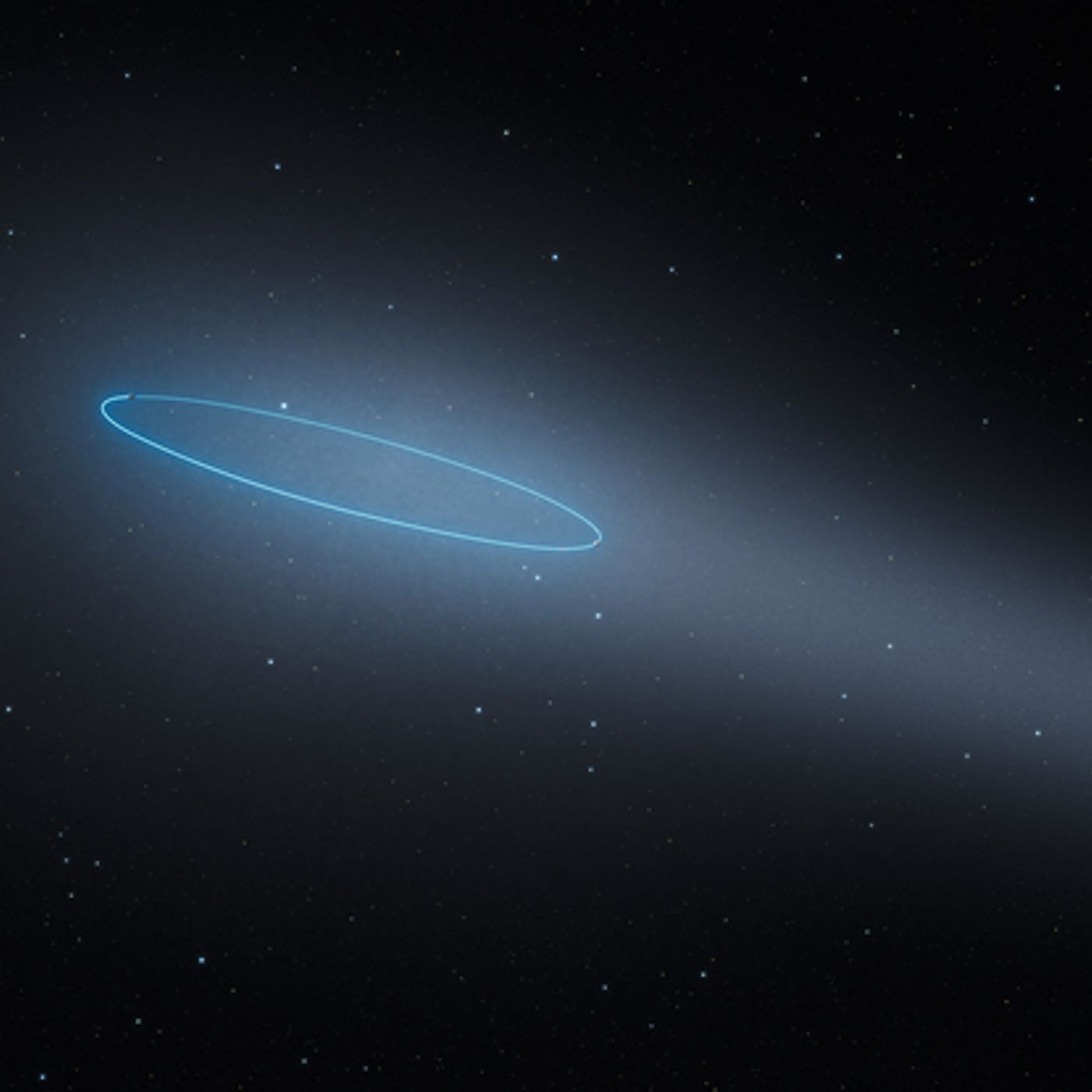
A strange object consisting of two mile diameter asteroids surrounded by a gas cloud is orbiting our Sun.
402-Above Scotland [not-audio_url] [/not-audio_url]

Duration: 2:01
The CubeSat industry is making relatively low cost exploration of space possible and is creating heretofore undreamed of opportunities for the human exploration of space.
401-Night Vision [not-audio_url] [/not-audio_url]

Duration: 2:01
Experience the wonders of the Universe first hand using your night vision.
400-Roving Venus [not-audio_url] [/not-audio_url]

Duration: 2:01
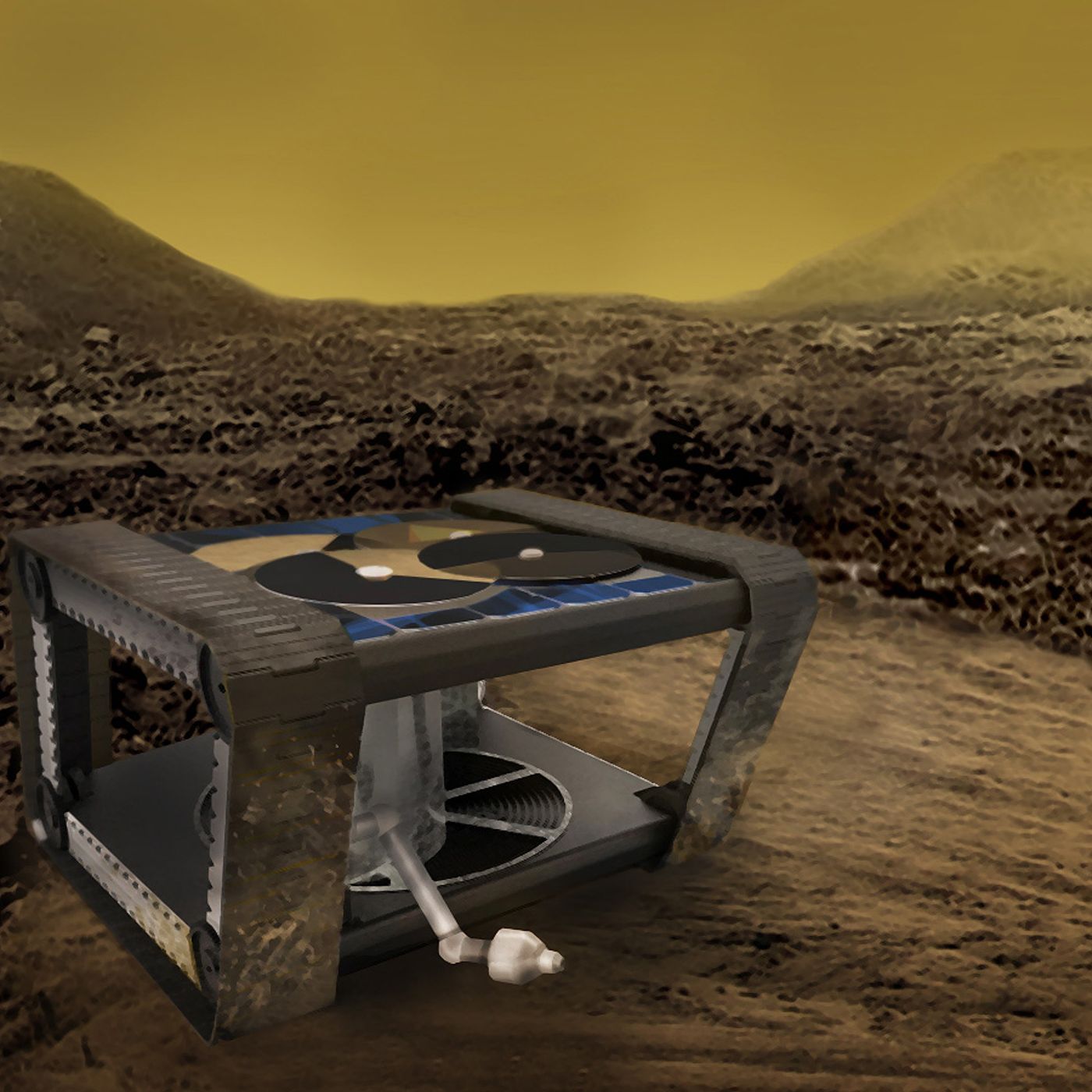
To Survive on Venus where the temperature is 864F and the surface air pressure is 90 times that of Earth, NASA and JPL engineers are exploring the concept of avoiding the use of modern temperature sensitive electronics b…
399-Moons of Florence [not-audio_url] [/not-audio_url]

Duration: 2:01
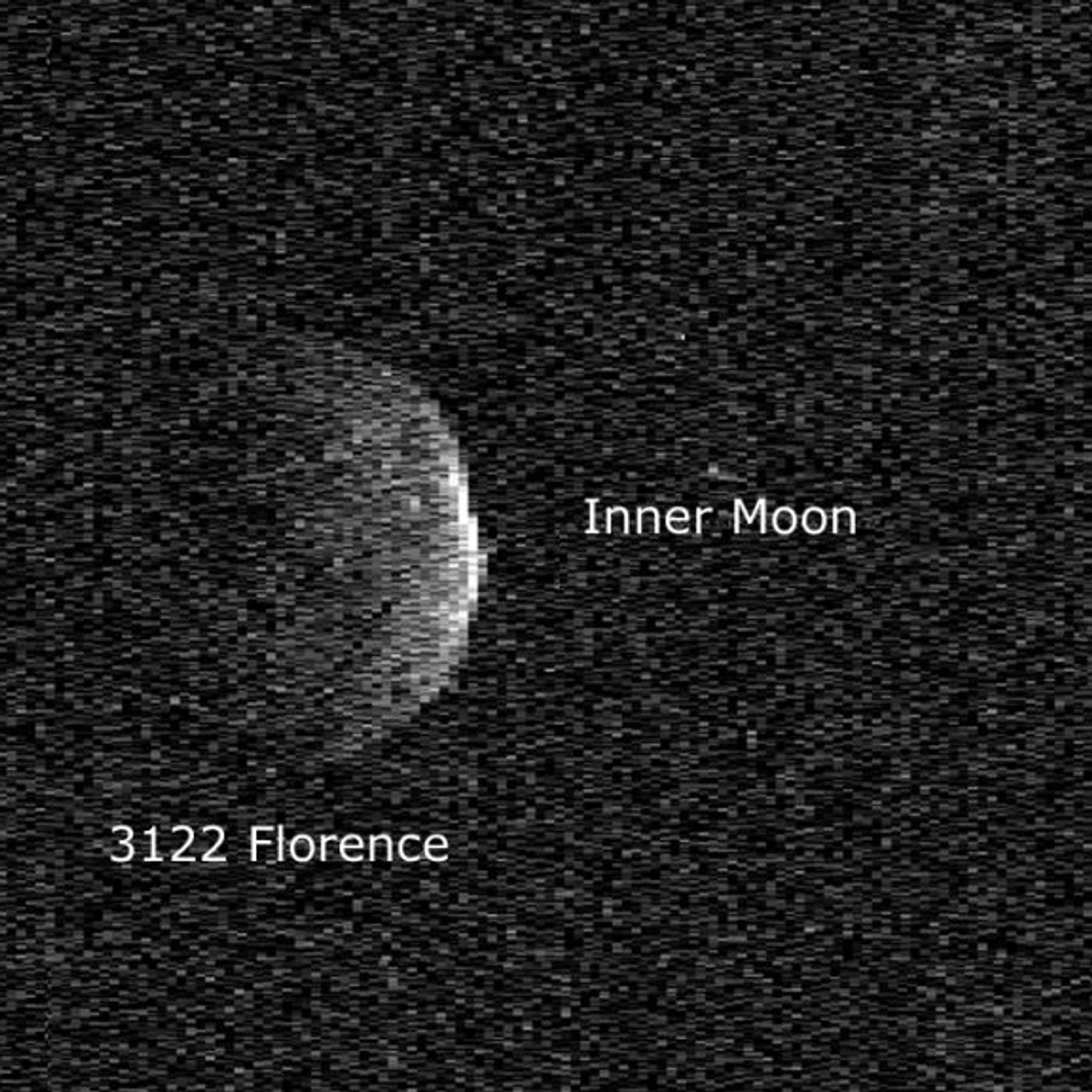
The largest asteroid to come near the Earth in 100 years has two moons.
398-Mars Rocks [not-audio_url] [/not-audio_url]

Duration: 2:01
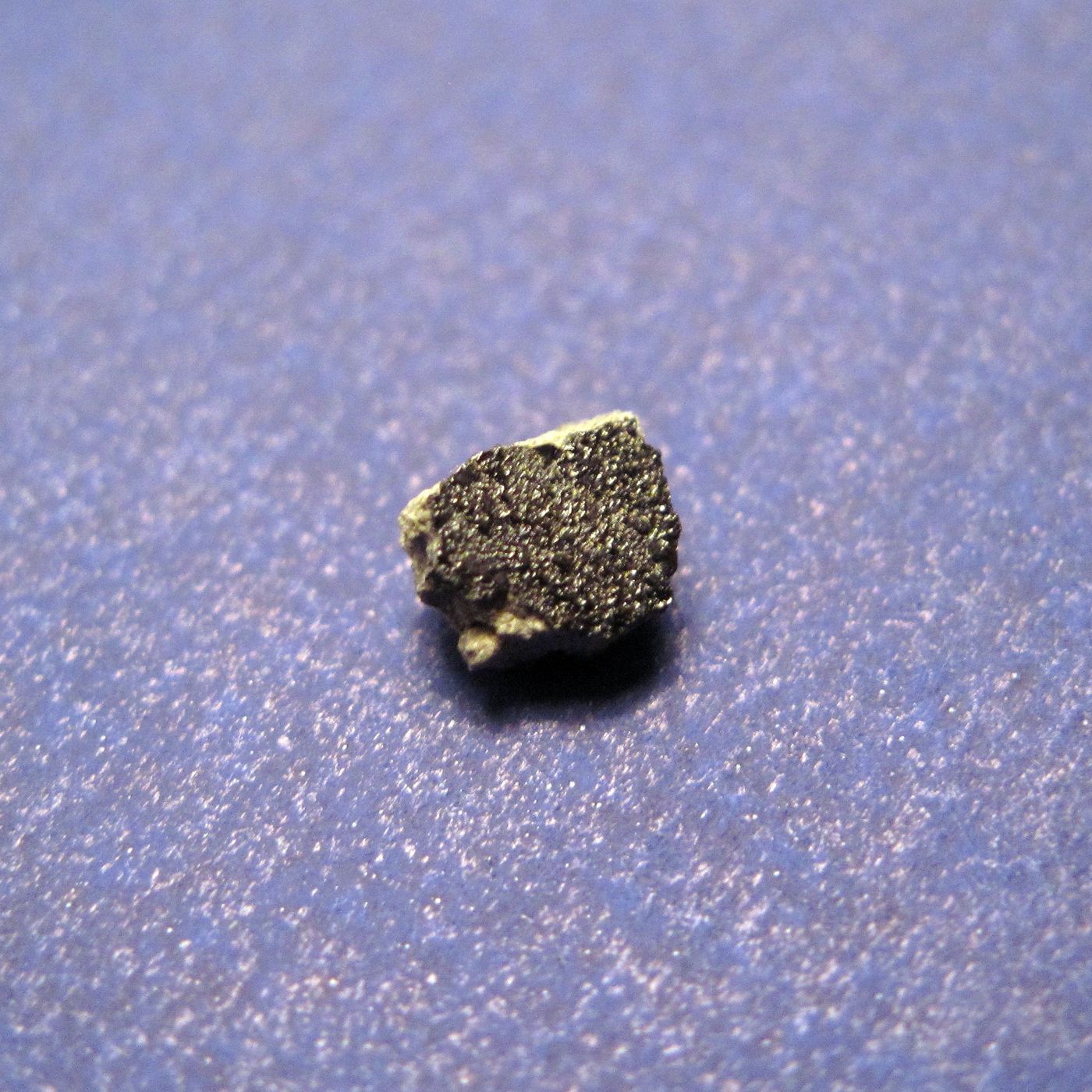
A visitor from Mars lands near Tata, Morocco on July 11, 2011. Pieces of it are worth 10 times their weight in Gold.
397-Spotting Meteors [not-audio_url] [/not-audio_url]

Duration: 2:01
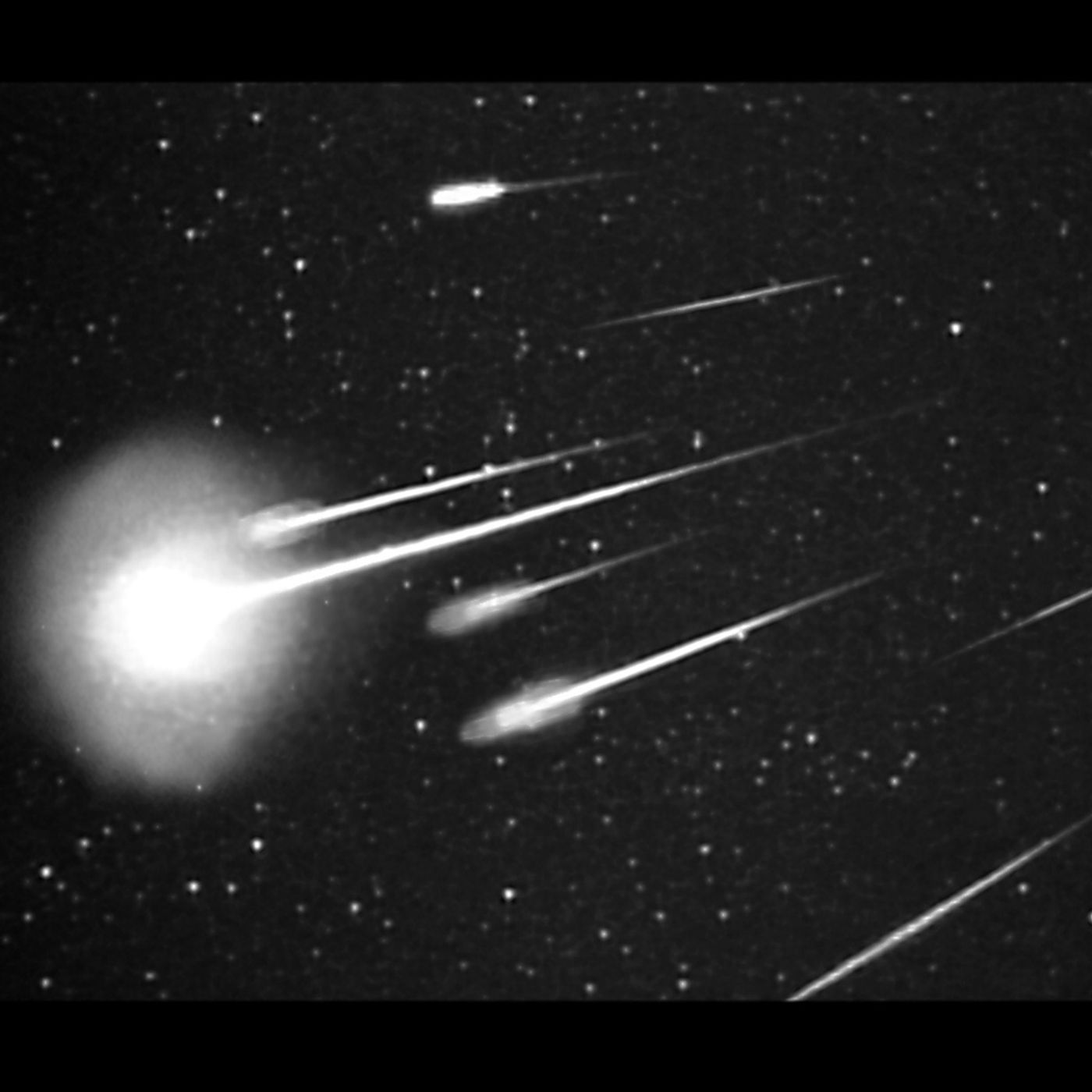
Meteors, shooting stars, or falling stars are different names for the streaks of light in the night sky which are in reality the dying embers of tiny asteroids. Observing a meteor shower can be a WOW inspiring experience…
396-Jupiter [not-audio_url] [/not-audio_url]

Duration: 2:01
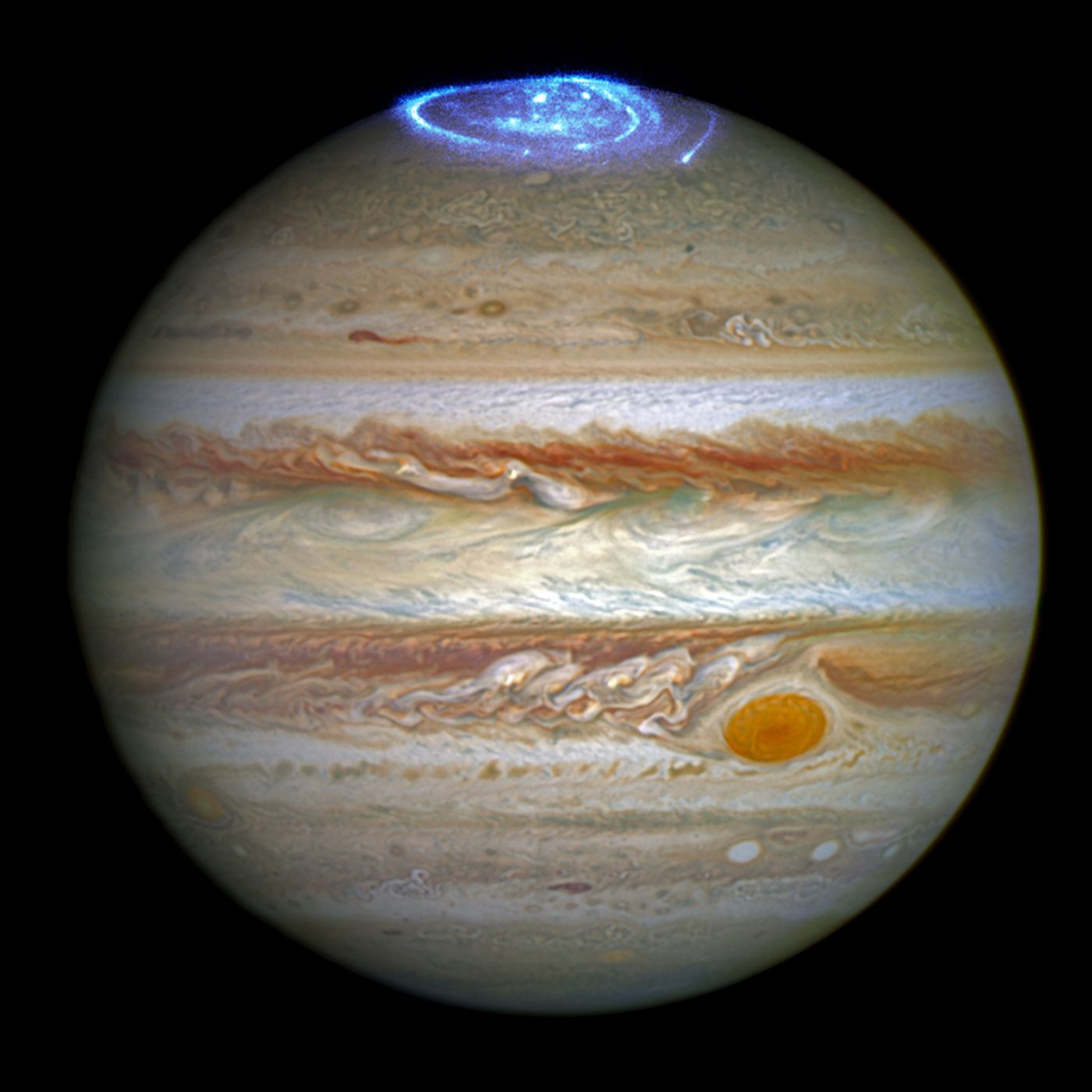
Jupiter has been observed by humans through out history, shaped our solar system, and made it possible for Earth to form.
395-House Sized Space Rocks [not-audio_url] [/not-audio_url]

Duration: 2:01
There are approximately 3.2 million Earth approaching asteroids similar in size to the Chelyabinsk impactor which injured nearly 1,500 people and damaged more than 7,000 buildings in February of 2013.