365E-397-Spotting Meteors

365E-397-Spotting Meteors

Author: Albert D. Grauer December 2, 2025 Duration: 2:01
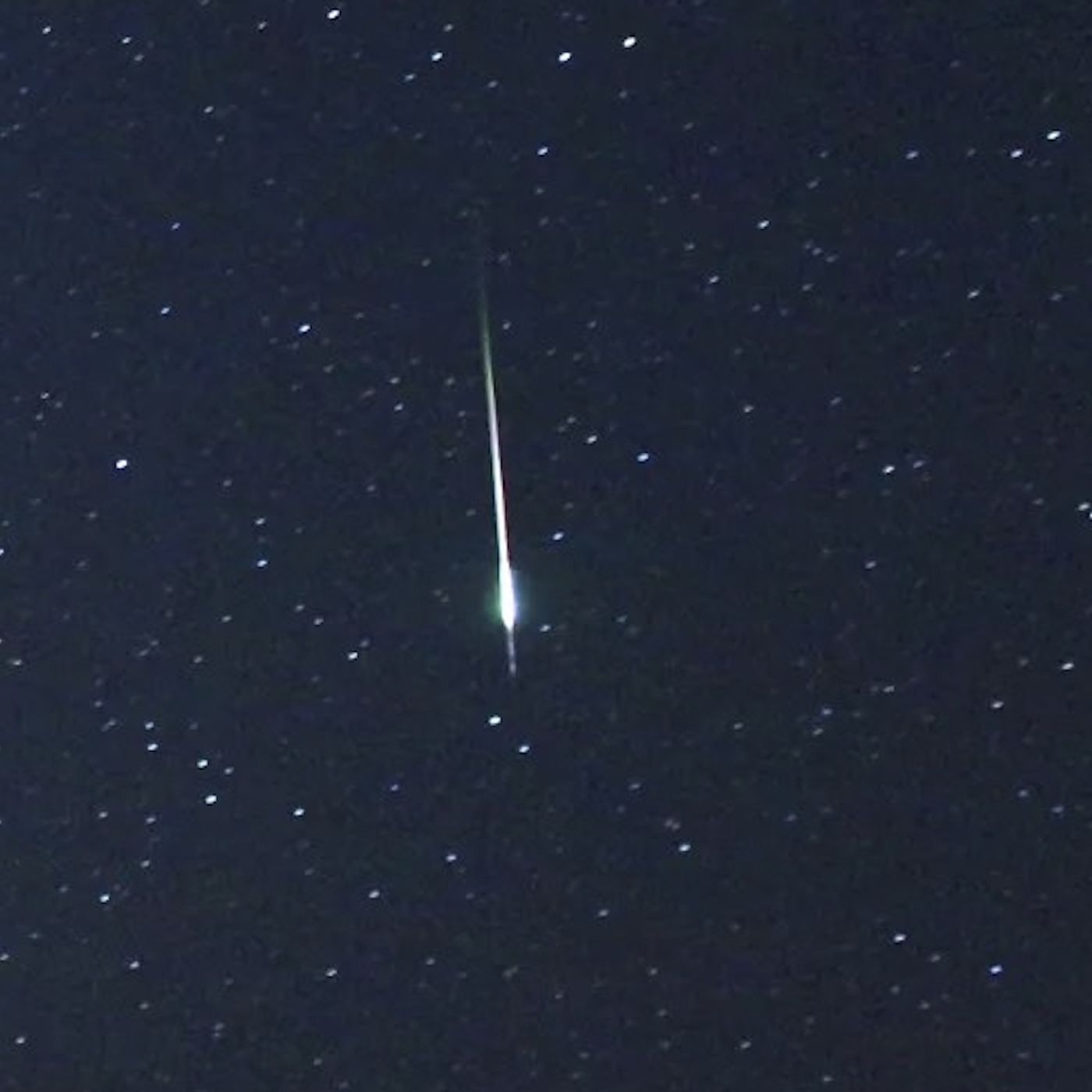
Meteors, shooting stars, or falling stars are different names for the streaks of light in the night sky which are in reality the dying embers of tiny asteroids. These small interplanetary travelers were speeding along at between 7 and 44 miles per second when they entered the Earth's atmosphere. In space, they are called meteoroids and typically ranged in size from that of a grain of sand to perhaps ones as big as of a piece of driveway gravel. Large space pebbles can produce fireballs which are brighter than the planet Venus. Most meteors burn up 50-70 miles above you, however, a very few of them produce fragments which fall to the Earth's surface. In rare occasions meteor observers are able to walk up to such a fallen space rock which is called a fall. The best time to view meteors is generally after midnight on a clear, moonless night. You will see many more meteors in a rural area than under city lights. On nights not during a meteor shower, you may expect to view sporadic meteors at the rate of between 2 and 16 per hour. Some meteor showers produce more than 100 events per hour. Rarely you will have a chance to view a meteor storm which will give you the feeling that you are seeing the Earth move through space. In 1966 one of these storms produced a WOW inspiring 40 meteors per second. During the year, there are a dozen major meteor showers. Check out the International Meteor Organization Calendar for a complete listing of the dates of meteor showers as well as how bright the moon will be on those dates. Happy viewing.

Each episode of Travelers In The Night feels like a quiet, personal conversation under a dark sky. Hosted by astronomer Dr. Albert D. Grauer, this podcast brings the distant cosmos into sharp, intimate focus. Dr. Grauer isn't just an observer; he's an active participant in the hunt, working with the Catalina Sky Survey team that has consistently discovered near-Earth asteroids for years. In these brief and engaging segments, you'll hear firsthand accounts of what it's like to track these ancient celestial travelers-the asteroids and comets that silently pass by our world. The discussions move beyond simple facts to explore the real-world implications of these discoveries, from planetary defense to the sheer wonder of our dynamic solar system. Accompanied by the contemplative music of John Lyell's "Eternity," each installment offers a moment of calm reflection on humanity's place in the universe. It’s a perfect blend of grounded science and cosmic curiosity, making complex astronomical concepts accessible and deeply fascinating. For anyone who has ever looked up and wondered what's out there moving in the dark, this podcast provides a direct line to the front lines of discovery.
Author: Language: English Episodes: 100

Travelers In The Night
Podcast Episodes
339E-359-Ice World [not-audio_url] [/not-audio_url]

Duration: 2:01
Recently Dr. Yossi Shvartzvald led a team which published their discovery of an Earth sized planet using microlensing in the Astrophysical Journal Letters. The newly discovered planet OGLE-2016-BLG-1195Lb orbits a small…
851-Scientists Views Odds of Aliens [not-audio_url] [/not-audio_url]

Duration: 2:01
In a recent paper published in Nature Astronomy entitled “Surveys of the scientific community on the existence of extraterrestrial life” Dr. Peter Vickers and his team of 10 co-authors report the results of their survey…
338E-357-Double Trouble [not-audio_url] [/not-audio_url]

Duration: 2:01
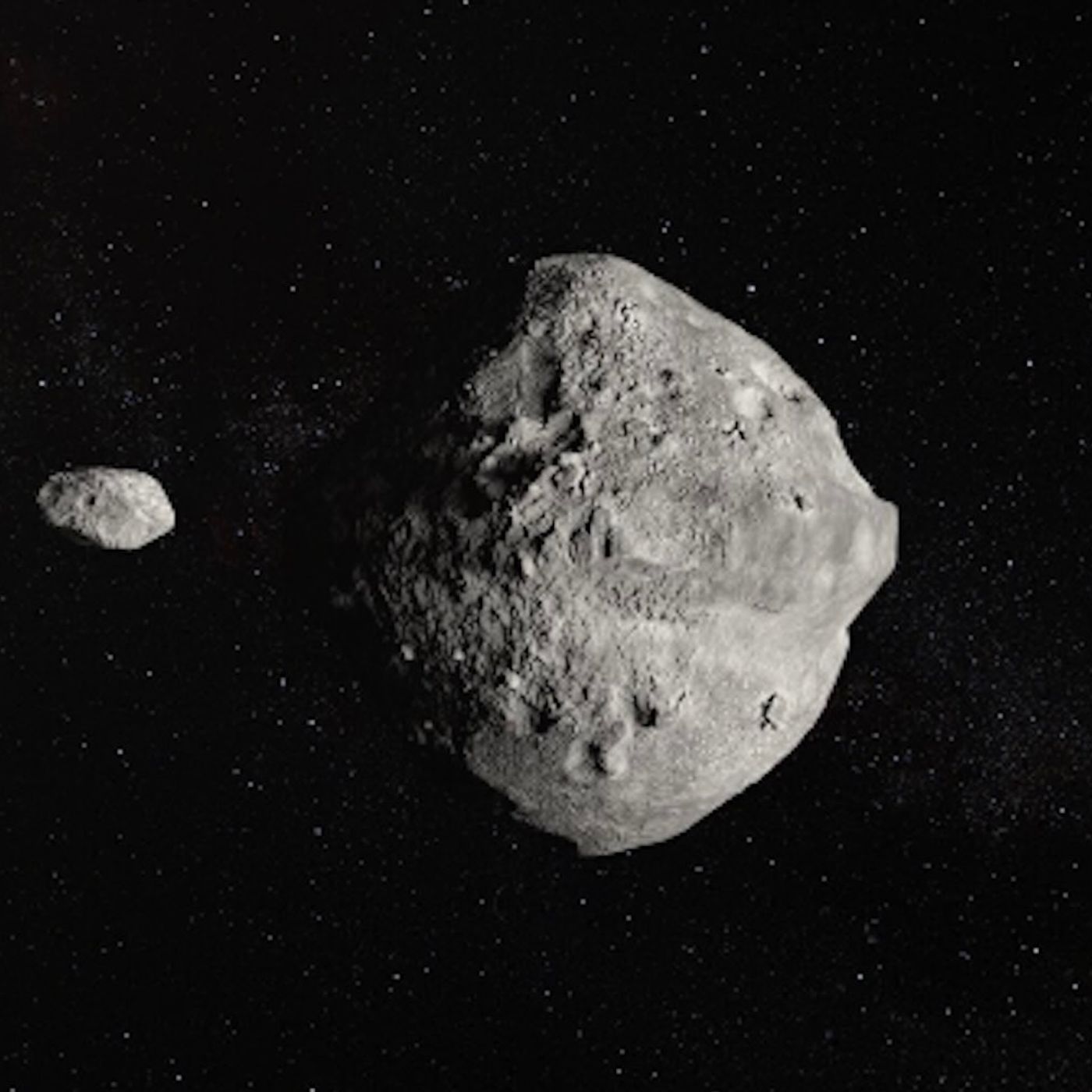
When I discovered 2014 JO25 with the NASA funded Catalina Sky Survey's 60 inch telescope on May 5, 2014, it appeared as a single point of light as it moved past us. As 2014 JO25 approached the Earth from the direction of…
850-Who Owns A Space Rock [not-audio_url] [/not-audio_url]

Duration: 2:01
Since there is a world wide market for meteorites some of which can be sold for millions of dollars, on line, the question of ownership becomes important.
337E-356-Seeds [not-audio_url] [/not-audio_url]

Duration: 2:01
When a fleet of interstellar spaceships leaves our solar system for a planet circling a nearby star the most important of all of the riches that human explorers will carry with them will be libraries of our planet's DNA…
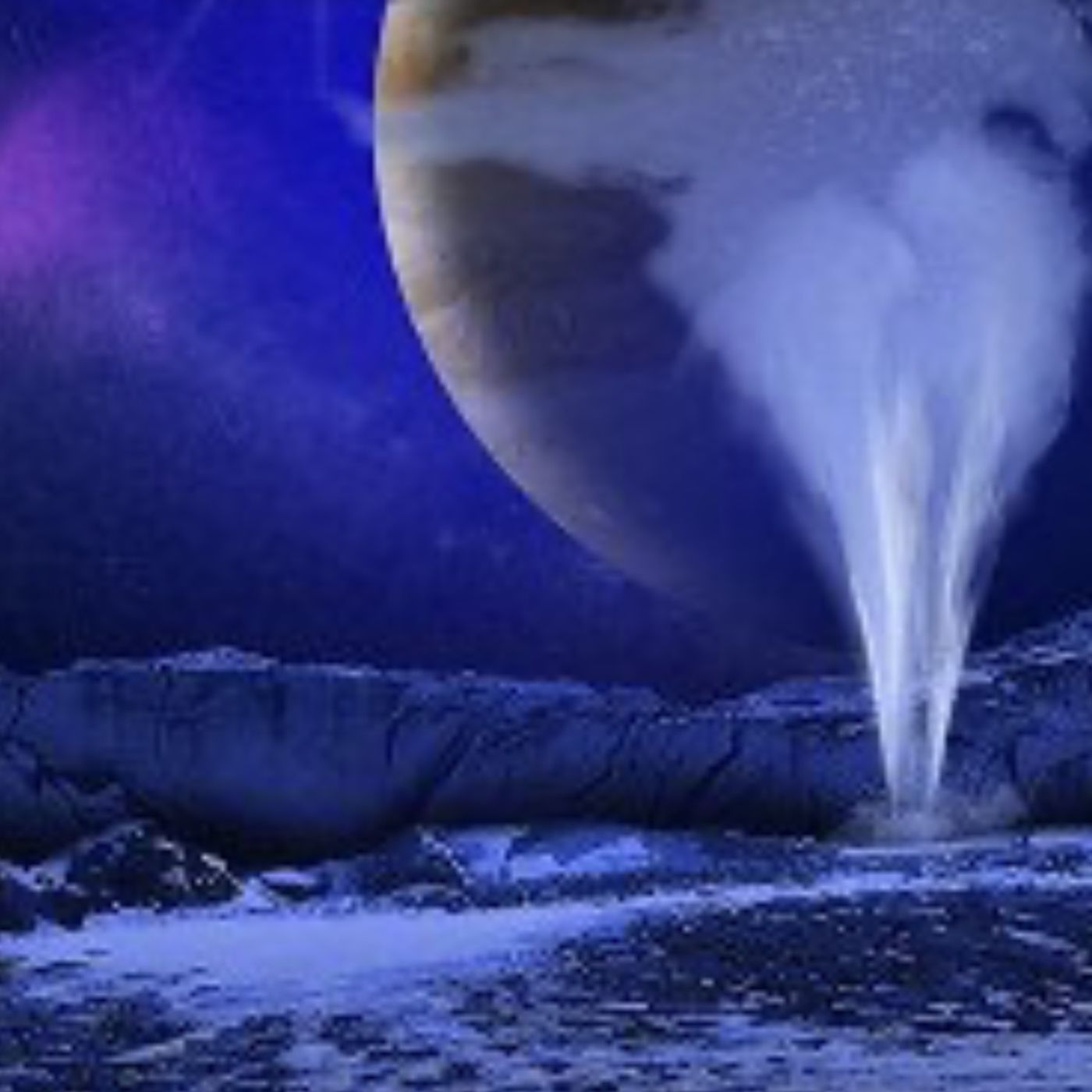
849-Europa-Clipper [not-audio_url] [/not-audio_url]

Duration: 2:01
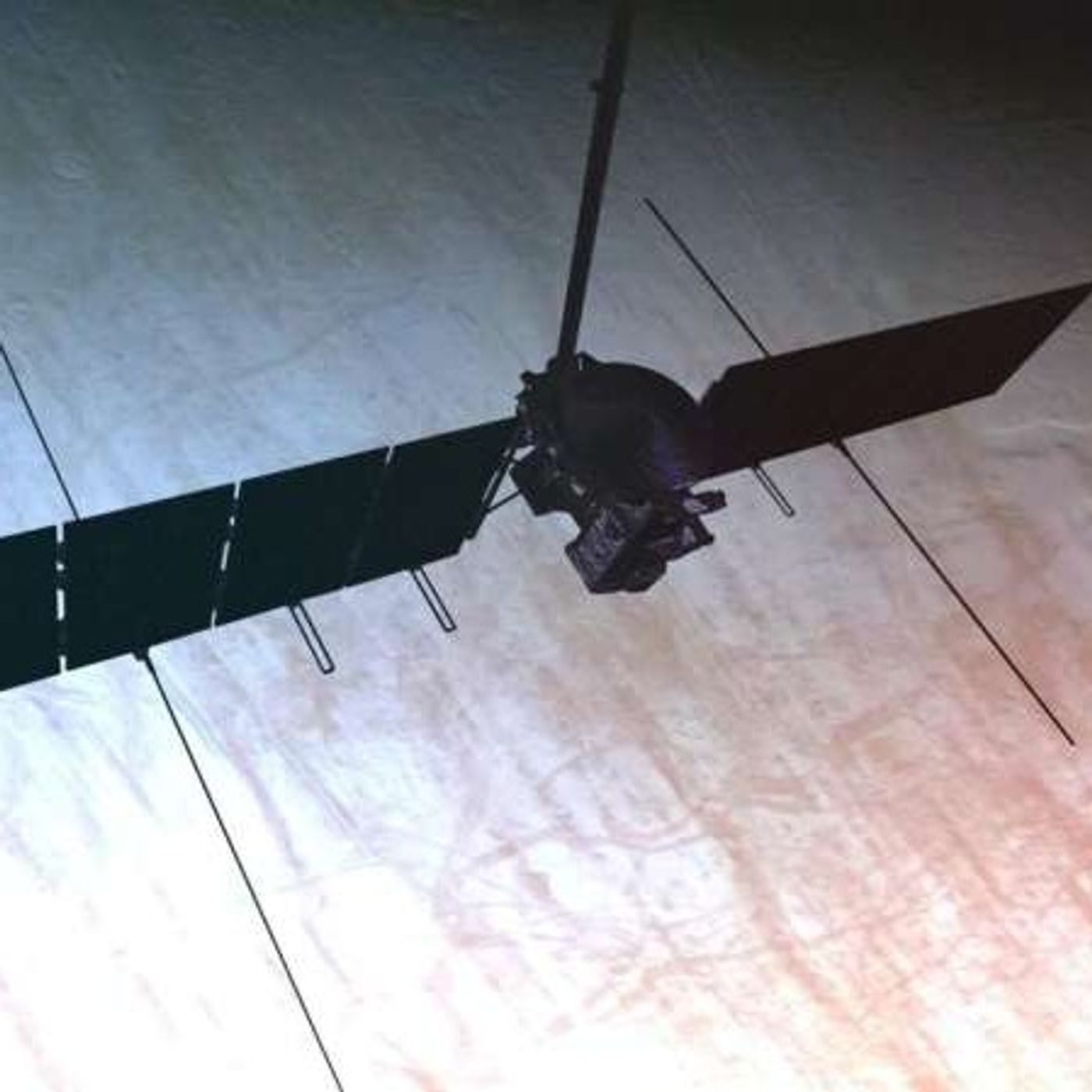
NASA’s Europa Clipper was launched October 14, 2024 on a mission to conduct a detailed study of Jupiter’s Moon Europa. The space craft will travel some 1.8 billion miles and should reach Jupiter in April 2030. This missi…
336E-355-2 Suns [not-audio_url] [/not-audio_url]

Duration: 2:01
The NASA Kepler Spacecraft has discovered more than 2,000 planets which have been confirmed to be orbiting distant stars. It performs this remarkable feat by imaging more than 145,000 stars simultaneously to observe and…
848-C.2024 E1 (Wierzchos) [not-audio_url] [/not-audio_url]

Duration: 2:01
On March 3, 2024 my Catalina Sky Survey teammate Kacper Wierzchos was asteroid hunting with our 60 inch telescope on Mt. Lemmon, Arizona when he spotted a fuzzy object in the constellation of Draco. After Kacper reported…
335E-354-Returnee [not-audio_url] [/not-audio_url]

Duration: 2:01
On May 5, 2014 when I discovered 2014 JO25 with the Catalina Sky Survey's 60 inch telescope on Mt. Lemmon, Arizona it was the brightest, fastest asteroid I had ever seen. In April of 2017, 2014 JO25 returned to come with…

«1...678910