370E-403-Double Comet

370E-403-Double Comet

Author: Albert D. Grauer January 6, 2026 Duration: 2:01
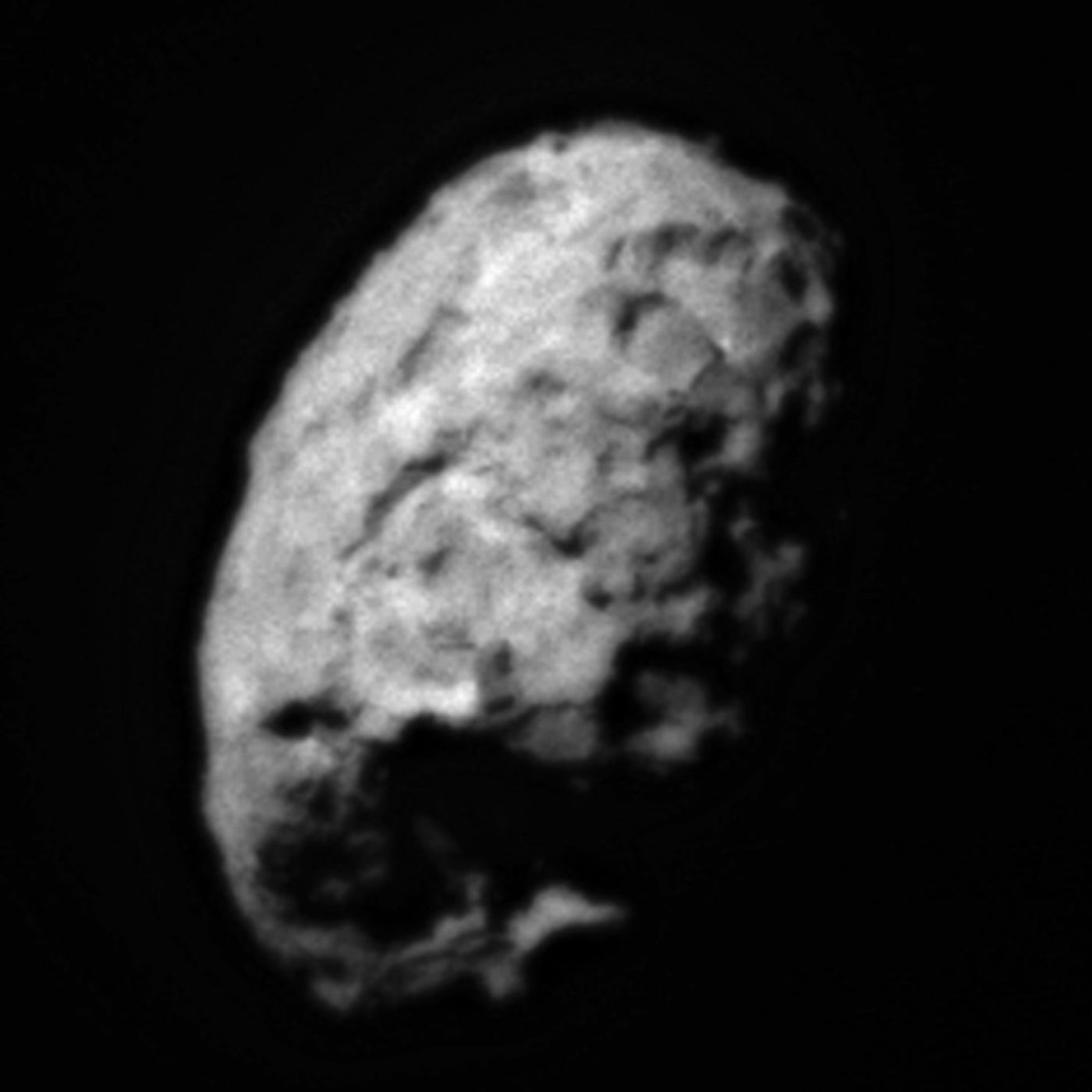
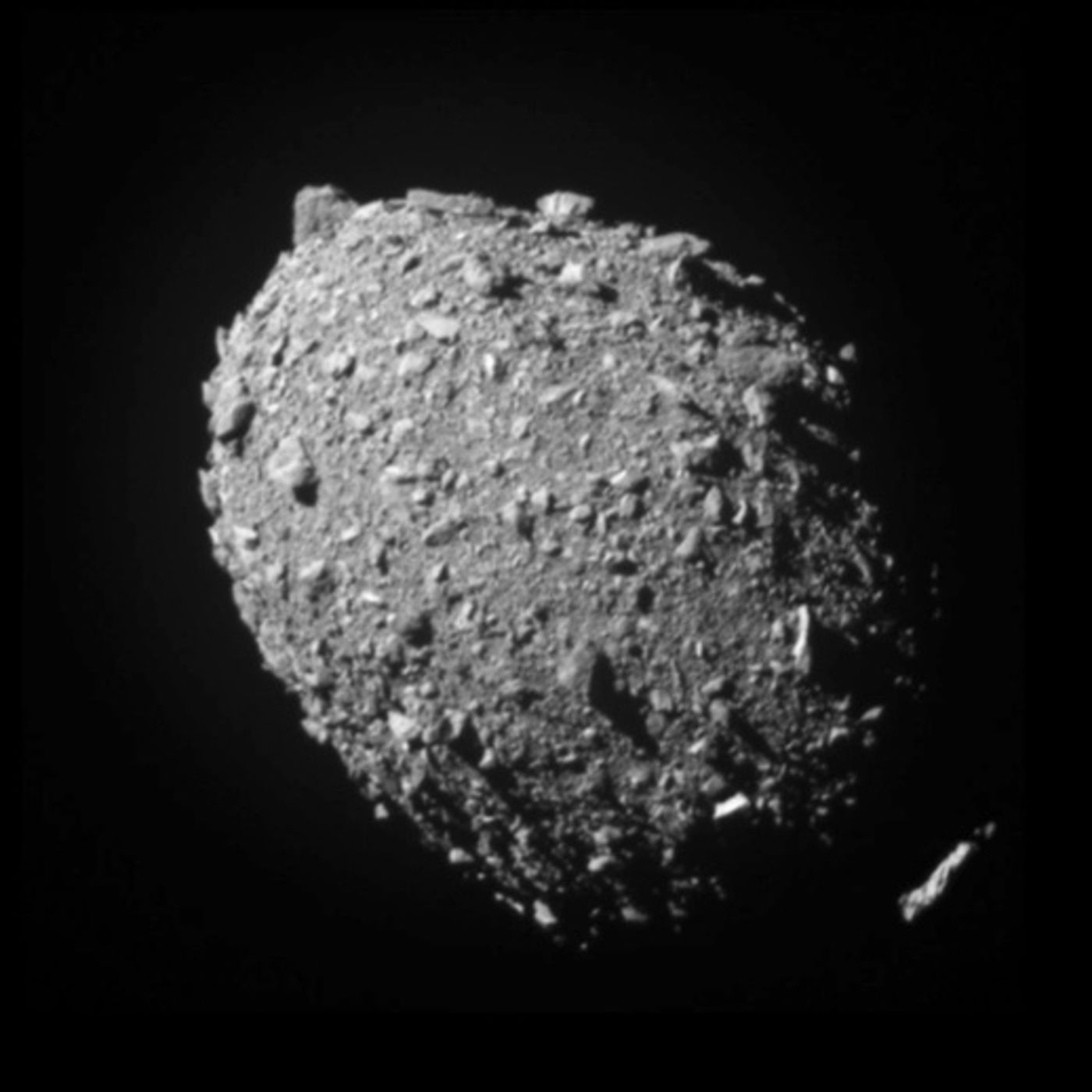
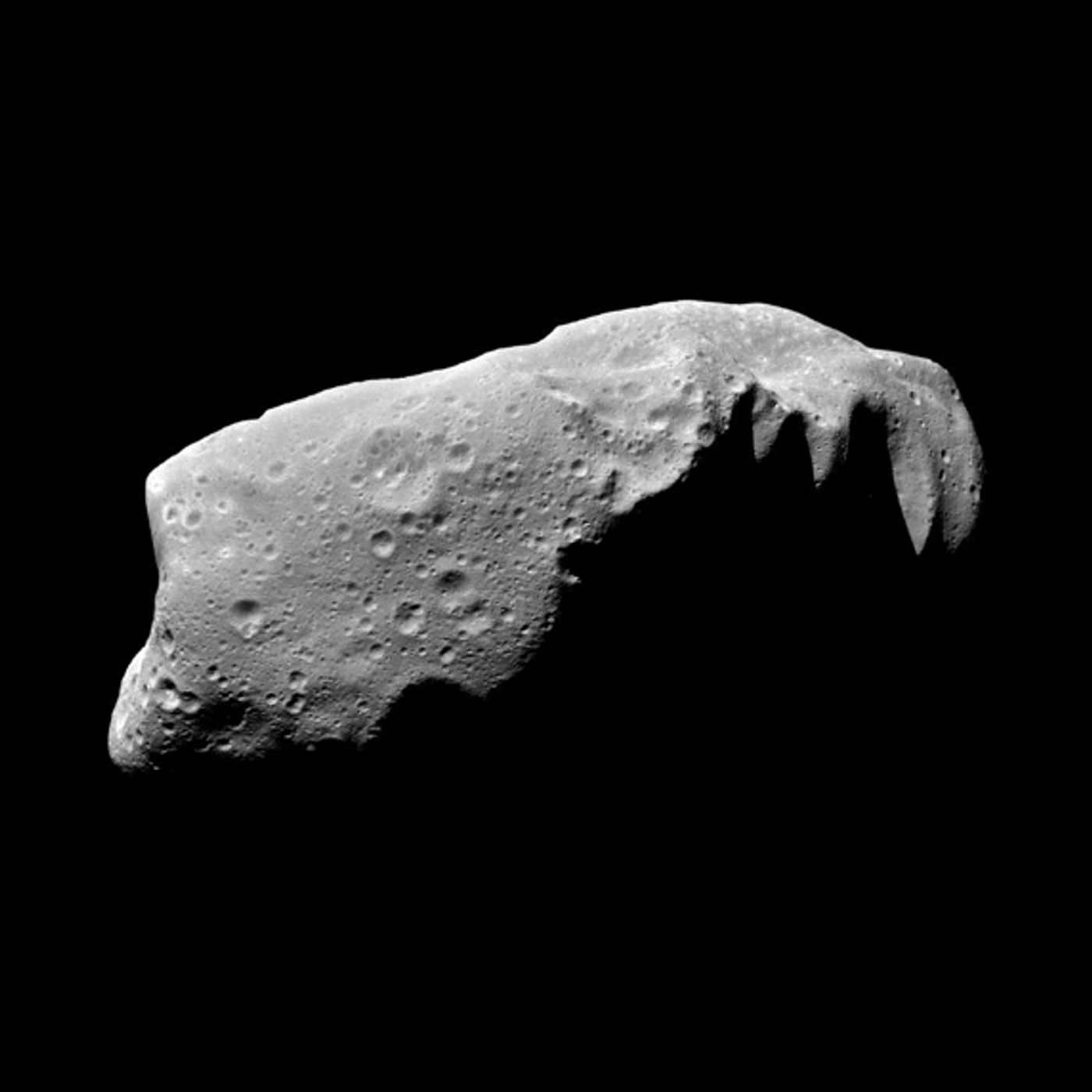
In November of 2006, University of Arizona's Spacewatch astronomers on Kitt Peak discovered a faint moving point of light in the night sky which appeared to be a garden variety main belt asteroid orbiting the Sun between Mars and Jupiter. The Minor Planet Center calculated it's orbit and gave it the name 2006 VW139. Five years later when it again moved closest to the Sun the Pan-STARRS group in Hawaii discovered that 2006 VW139 is surrounded by a gas cloud like a comet and it was given a comet designation, 288P. My Catalina Sky Survey teammate Steve Larson is a member of the team of astronomers who use the Hubble Space Telescope to observe asteroids which have comet like burps. Observations by the Hubble Space Telescope between August 2016 and January 2017 clearly show 288P to be two similar, mile diameter, asteroids orbiting each other about 60 miles apart, surrounded by a gas cloud, as they move about the Sun. The Hubble team estimates that about 5,000 years ago this strange object was formed when a rapidly rotating comet nucleus came apart into two large pieces. It's gas cloud is likely to come from volatile ices like carbon dioxide and water vapor which were liberated by solar heating. Objects like this one are very interesting since they may have had a role in bringing water to a bone dry Earth in the early days of our solar system.

Each episode of Travelers In The Night feels like a quiet, personal conversation under a dark sky. Hosted by astronomer Dr. Albert D. Grauer, this podcast brings the distant cosmos into sharp, intimate focus. Dr. Grauer isn't just an observer; he's an active participant in the hunt, working with the Catalina Sky Survey team that has consistently discovered near-Earth asteroids for years. In these brief and engaging segments, you'll hear firsthand accounts of what it's like to track these ancient celestial travelers-the asteroids and comets that silently pass by our world. The discussions move beyond simple facts to explore the real-world implications of these discoveries, from planetary defense to the sheer wonder of our dynamic solar system. Accompanied by the contemplative music of John Lyell's "Eternity," each installment offers a moment of calm reflection on humanity's place in the universe. It’s a perfect blend of grounded science and cosmic curiosity, making complex astronomical concepts accessible and deeply fascinating. For anyone who has ever looked up and wondered what's out there moving in the dark, this podcast provides a direct line to the front lines of discovery.
Author: Language: English Episodes: 1000

Travelers In The Night
Podcast Episodes
253E-265-Dancing with Earth [not-audio_url] [/not-audio_url]

Duration: 2:01
The Moon is the Earth's long time dancing partner. This unequal pair revolve about a teeter totter type balance point which in turn orbits the Sun every 365 and a quarter days. A small asteroid has become a third partner…
763-Hogan's Big Rock [not-audio_url] [/not-audio_url]

Duration: 2:01
My Catalina Sky Survey teammate Josh Hogan was asteroid hunting in the constellation Sextans with our 60 inch telescope on Mt. Lemmon, Arizona when he discovered the largest asteroid in nearly a decade
252E-264-Tough Guy [not-audio_url] [/not-audio_url]

Duration: 2:01
A tough rocky asteroid makes close approaches to the Sun.
762-Kacper's PHA [not-audio_url] [/not-audio_url]

Duration: 2:01
An object like 2023 MN5 impacts Earth once every 90,000 years or so creating a crater 5 miles in diameter an 1800 feet deep in sedimentary rock. 50 miles from the impact of such an object observers would feel the effects…
251E-263-Catching Shadows [not-audio_url] [/not-audio_url]

Duration: 2:01
Students and teachers are doing real science by measuring the shadows cast by distant objects in our solar system.For years humans knew Pluto, the first Trans-Neptunian object to be discovered, only as a moving point of…
761-Allesandra's Duo [not-audio_url] [/not-audio_url]

Duration: 2:01
In less than two hours my Catalina Sky Survey teammate Allesandra Serrano discovered two small fast moving space rocks. Both of them passed through the Earth-Moon system unimpeded. Other space rocks are not so lucky.
250E-262-Shooting Star's Daddy [not-audio_url] [/not-audio_url]

Duration: 2:01
The source of the Geminid Meteor shower each December is a strange little asteroid.
760-Discover an Asteroid [not-audio_url] [/not-audio_url]

Duration: 2:01
Carson Fuls, one of my Catalina Sky Survey teammates, is leading the effort that will allow you to join our NASA funded adventure in asteroid hunting and discovery. You will learn how to scan our nightly archival images…
249E-261-Cool Star Homes [not-audio_url] [/not-audio_url]

Duration: 2:01
Recently Dr. Michael Gillon of the University of Liege in Belgium and a team of astronomers hypothesized since that approximately 2/3 of the stars in our neighborhood are red dwarf stars some of them might host inhabitab…
759-Number 7 [not-audio_url] [/not-audio_url]

Duration: 2:01
Hungarian astronomer and geography teacher Krisztián Sárneczky was asteroid hunting in the constellation of Lynx with 0.6m (24 inch) telescope at the Piszkéstető station in the Mátra Mountains when an unknown object stre…