370E-403-Double Comet

370E-403-Double Comet

Author: Albert D. Grauer January 6, 2026 Duration: 2:01
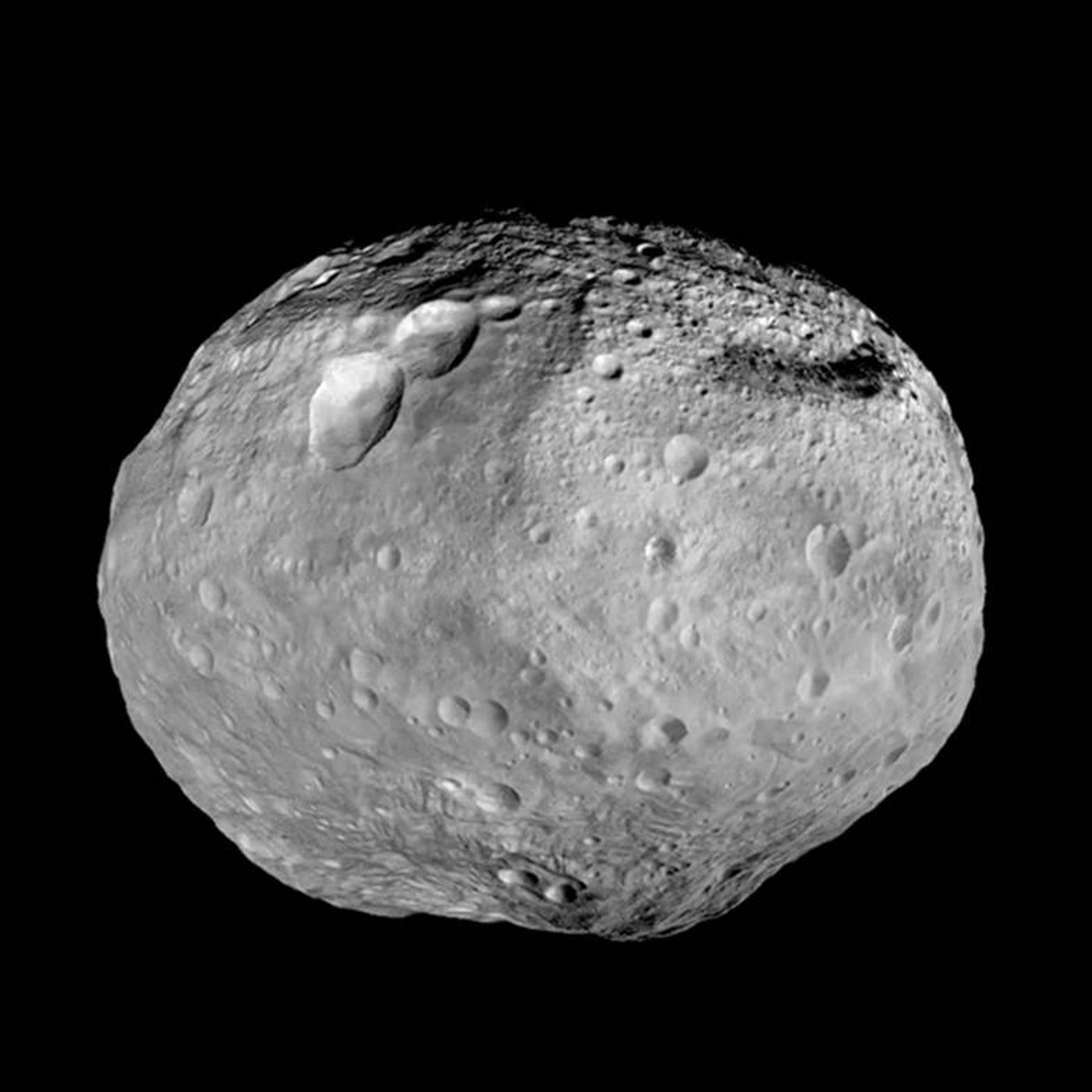
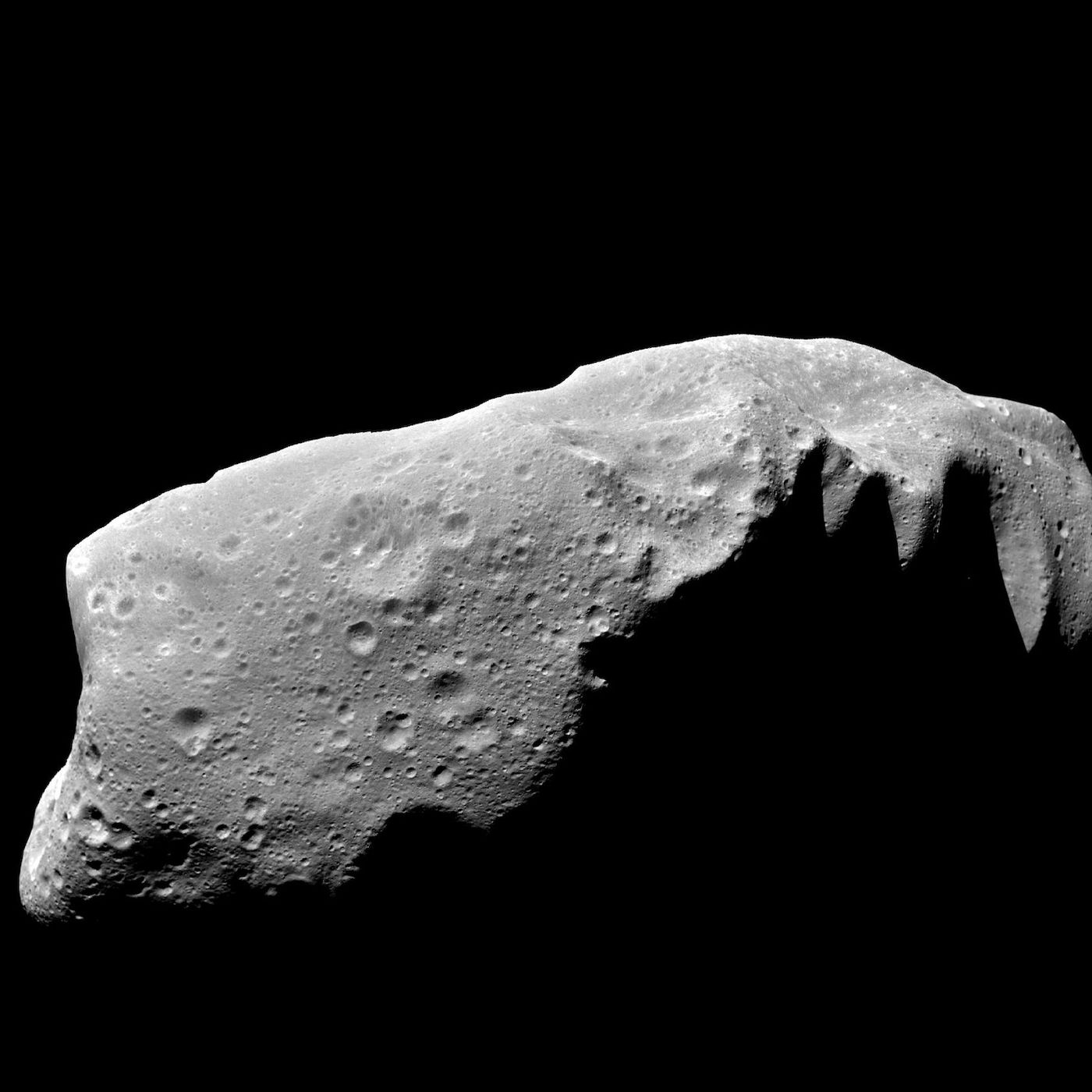
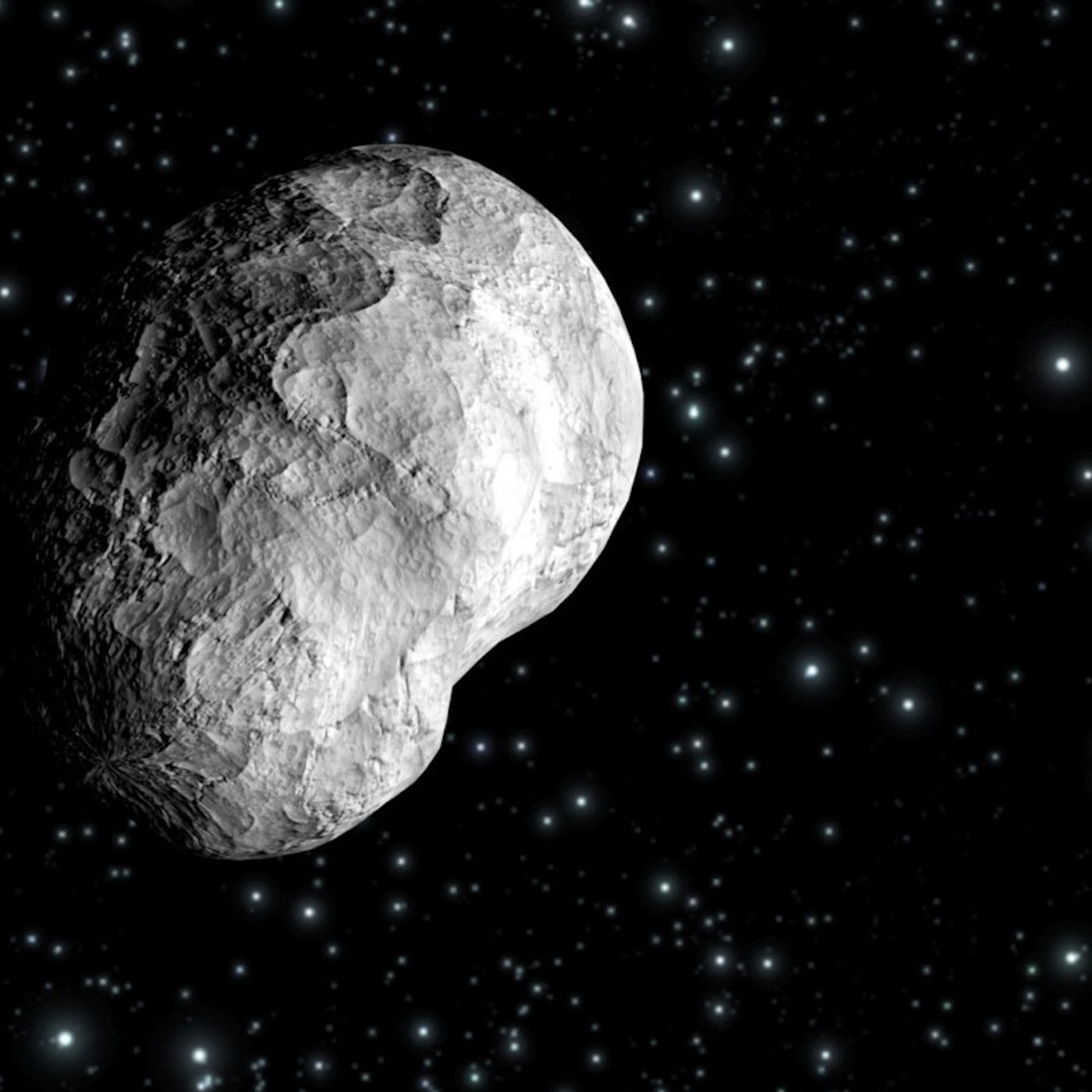
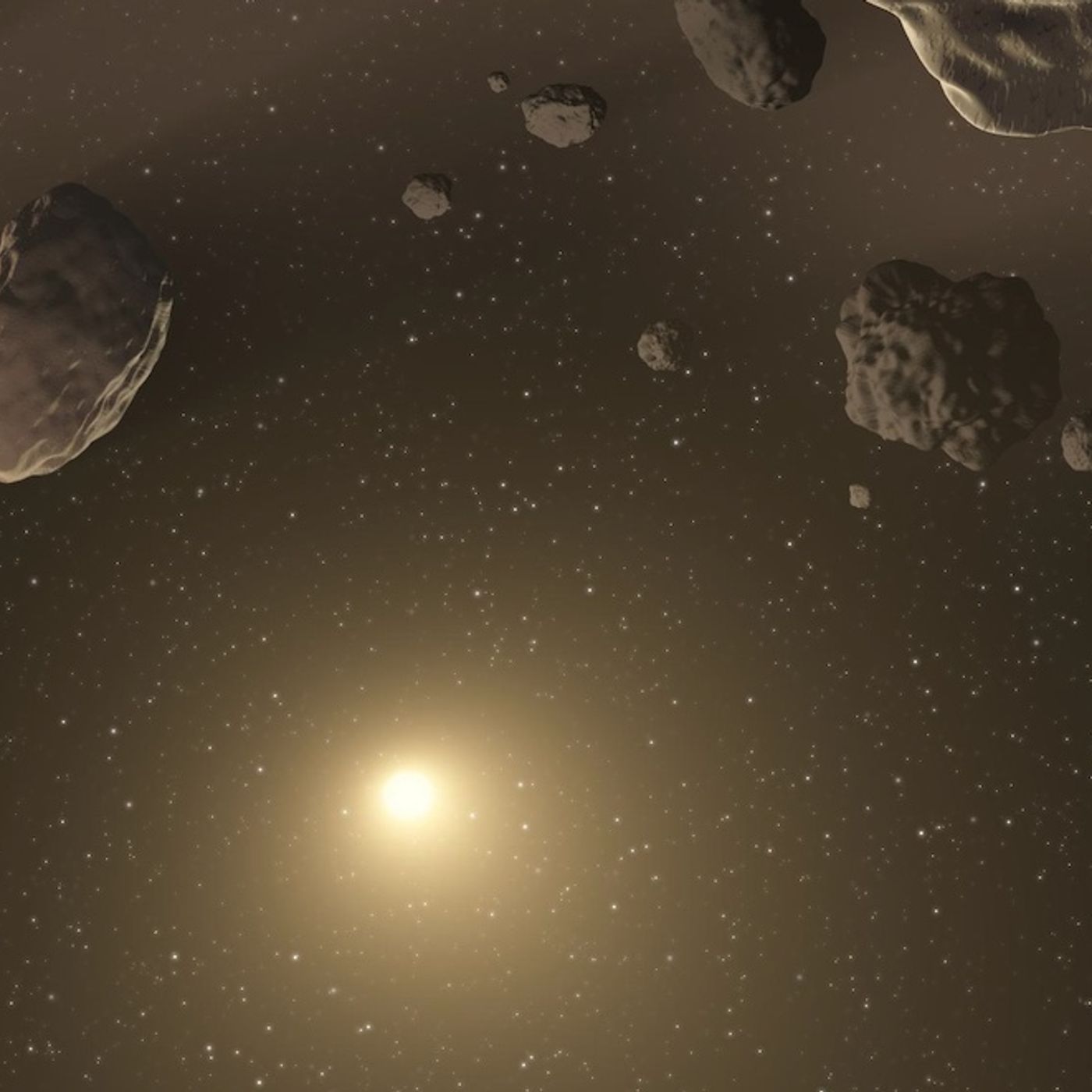
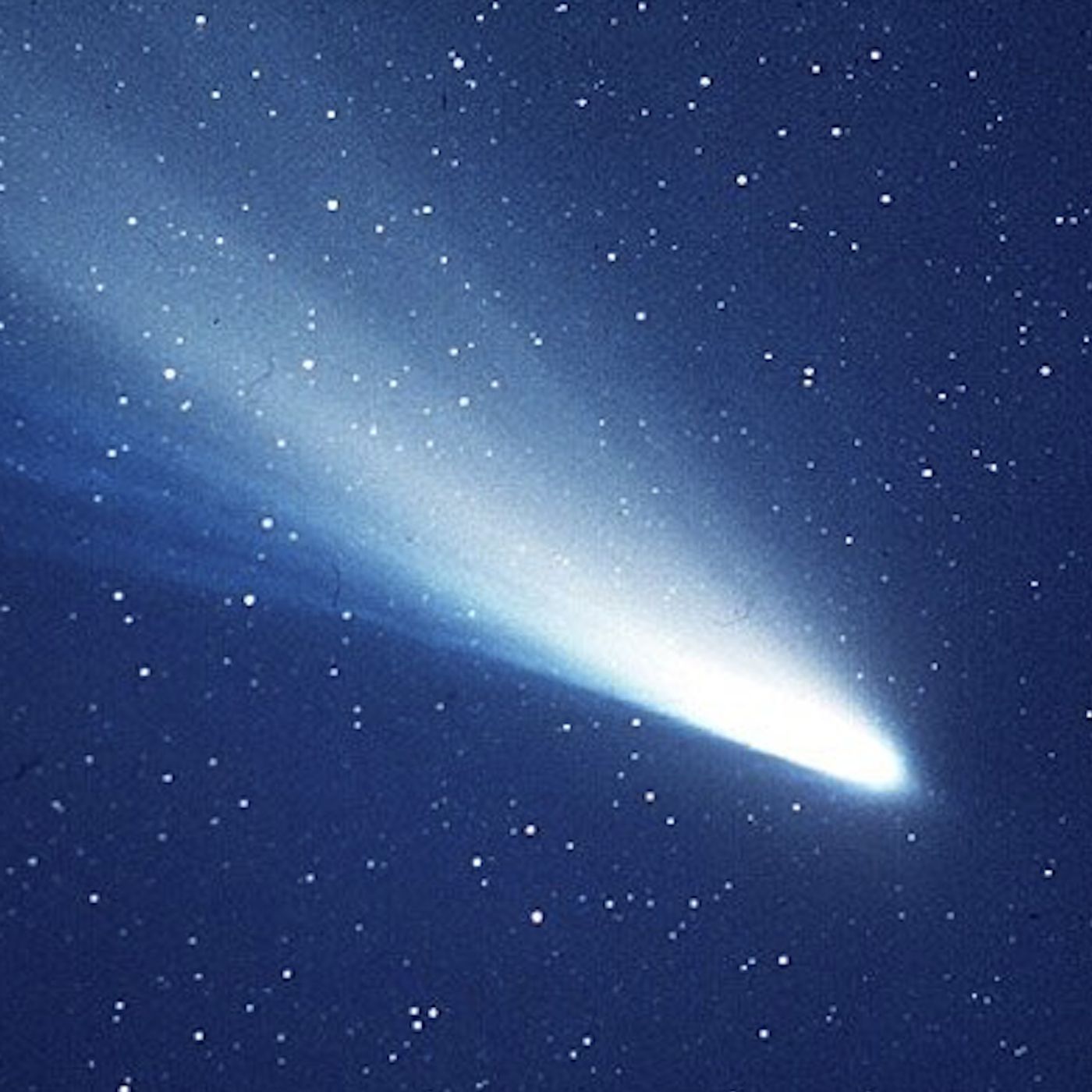
In November of 2006, University of Arizona's Spacewatch astronomers on Kitt Peak discovered a faint moving point of light in the night sky which appeared to be a garden variety main belt asteroid orbiting the Sun between Mars and Jupiter. The Minor Planet Center calculated it's orbit and gave it the name 2006 VW139. Five years later when it again moved closest to the Sun the Pan-STARRS group in Hawaii discovered that 2006 VW139 is surrounded by a gas cloud like a comet and it was given a comet designation, 288P. My Catalina Sky Survey teammate Steve Larson is a member of the team of astronomers who use the Hubble Space Telescope to observe asteroids which have comet like burps. Observations by the Hubble Space Telescope between August 2016 and January 2017 clearly show 288P to be two similar, mile diameter, asteroids orbiting each other about 60 miles apart, surrounded by a gas cloud, as they move about the Sun. The Hubble team estimates that about 5,000 years ago this strange object was formed when a rapidly rotating comet nucleus came apart into two large pieces. It's gas cloud is likely to come from volatile ices like carbon dioxide and water vapor which were liberated by solar heating. Objects like this one are very interesting since they may have had a role in bringing water to a bone dry Earth in the early days of our solar system.

Each episode of Travelers In The Night feels like a quiet, personal conversation under a dark sky. Hosted by astronomer Dr. Albert D. Grauer, this podcast brings the distant cosmos into sharp, intimate focus. Dr. Grauer isn't just an observer; he's an active participant in the hunt, working with the Catalina Sky Survey team that has consistently discovered near-Earth asteroids for years. In these brief and engaging segments, you'll hear firsthand accounts of what it's like to track these ancient celestial travelers-the asteroids and comets that silently pass by our world. The discussions move beyond simple facts to explore the real-world implications of these discoveries, from planetary defense to the sheer wonder of our dynamic solar system. Accompanied by the contemplative music of John Lyell's "Eternity," each installment offers a moment of calm reflection on humanity's place in the universe. It’s a perfect blend of grounded science and cosmic curiosity, making complex astronomical concepts accessible and deeply fascinating. For anyone who has ever looked up and wondered what's out there moving in the dark, this podcast provides a direct line to the front lines of discovery.
Author: Language: English Episodes: 1000

Travelers In The Night
Podcast Episodes
228E-240-Why [not-audio_url] [/not-audio_url]

Duration: 2:01
What motivates asteroid hunters?Large dangerous asteroids are still out there to find.
738-Tiny Visitor(526) [not-audio_url] [/not-audio_url]

Duration: 2:01
A tiny space rock passes through the cloud of communications satellites surrounding the Earth.
227E-239-Martian Lakes [not-audio_url] [/not-audio_url]

Duration: 2:01
We may be able to learn about the possibilities of life on Mars by studying land forms on the Tibetan Plateau here on Earth.
737-Collision(525) [not-audio_url] [/not-audio_url]

Duration: 2:01
I was asteroid hunting with our 60 inch telescope on Mt. Lemmon, Arizona when my Catalina Sky Survey teammate Steve Larson sent me an email requesting that I obtain some images of the asteroid 6478 Gault. Several days ea…
226E-238-Now Three [not-audio_url] [/not-audio_url]

Duration: 2:01
The Catalina Sky Survey now operates three telescopes, 24 nights per month, in the Catalina mountains north of Tucson, Arizona.The Catalina Sky Survey began with the University of Arizona's 30 inch Schmidt Telescope on M…
736-Home Wrecker(524) [not-audio_url] [/not-audio_url]

Duration: 2:01
The extremely remote chance that a dangerous mountain sized space rock has our number on it is what keeps my team going to our four telescopes in the Catalina Mountains north of Tucson, Arizona.
225E-237-Lost [not-audio_url] [/not-audio_url]

Duration: 2:01
The asteroid named for Mildred Shapley Matthews was lost in the solar system for 75 years.In 1916 the 60 inch Hale telescope on Mt. Wilson, California was the largest telescope in the world. Seth Nicholson and Harlow Sha…
735-One Thousand(523) [not-audio_url] [/not-audio_url]

Duration: 2:01
For the first time in history, an asteroid hunting team, the Catalina Sky Survey, has discovered more than 1,000 Earth approaching asteroids in a single year. They are an interesting part of our environment.
224E-236-Enceladus's Ocean [not-audio_url] [/not-audio_url]

Duration: 2:01
Pound for pound Saturn's moon Enceladus is the brightest object in our solar system. It is so shiny that it reflects most of the sunlight that strikes it. Since Enceladus absorbs little sunlight it's surface is 330 degre…
734-Comets Africano(522) [not-audio_url] [/not-audio_url]

Duration: 2:01
During Comet C/2018 V4 Africano's last visit to the inner solar system humans were erecting the outer ring at Stonehenge. At the rate human's are changing the Earth's climate who can guess what will be happening on Earth…