370E-403-Double Comet

370E-403-Double Comet

Author: Albert D. Grauer January 6, 2026 Duration: 2:01
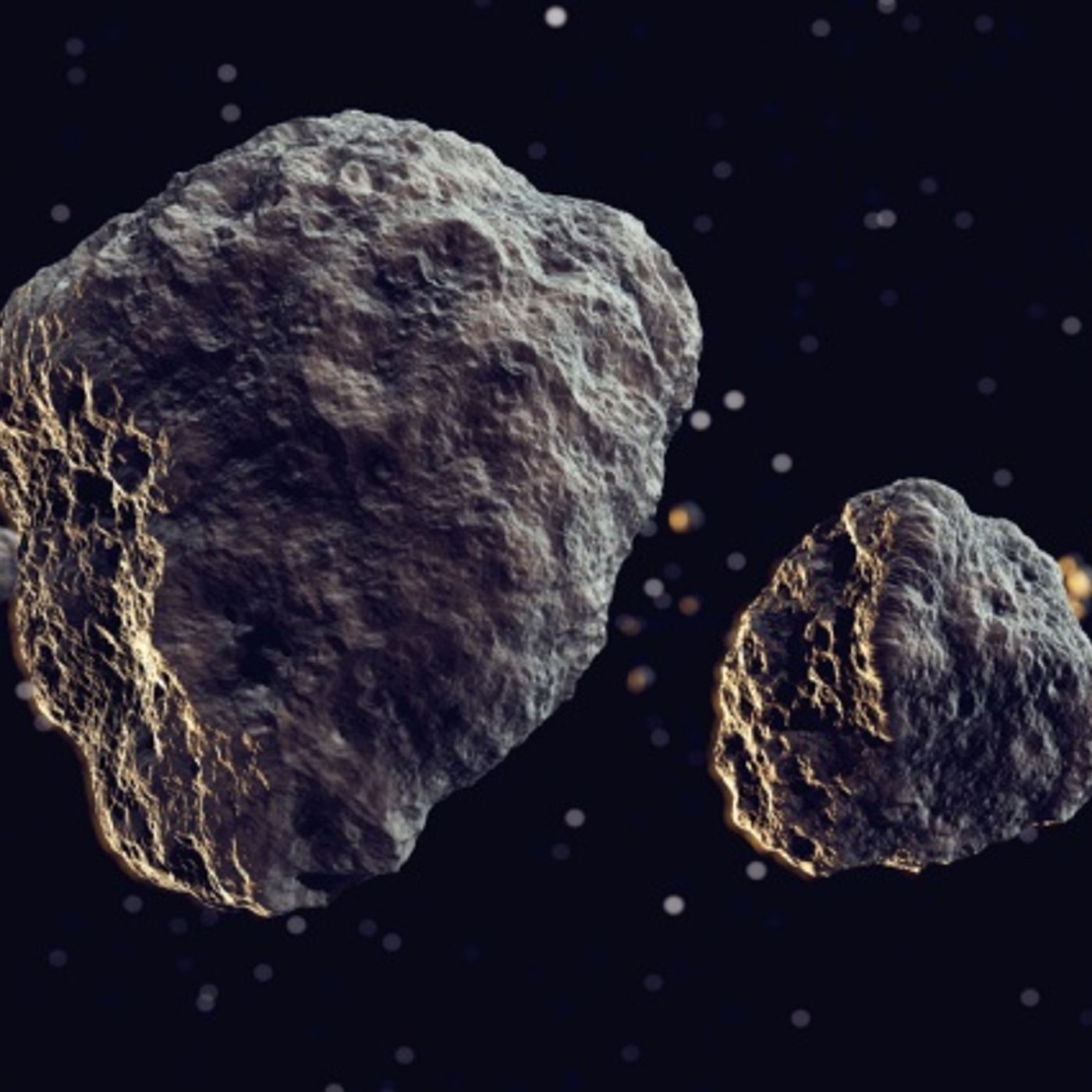
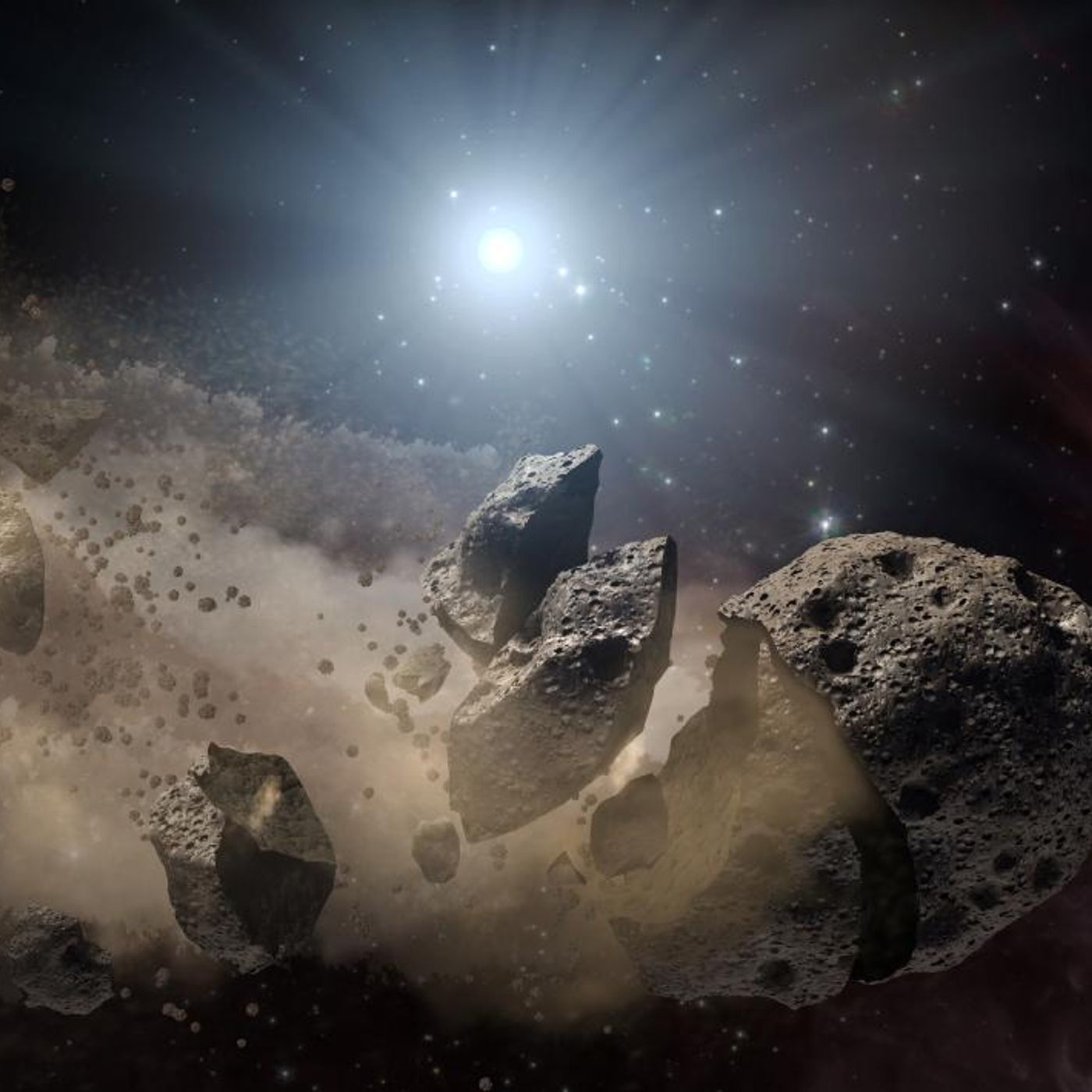
In November of 2006, University of Arizona's Spacewatch astronomers on Kitt Peak discovered a faint moving point of light in the night sky which appeared to be a garden variety main belt asteroid orbiting the Sun between Mars and Jupiter. The Minor Planet Center calculated it's orbit and gave it the name 2006 VW139. Five years later when it again moved closest to the Sun the Pan-STARRS group in Hawaii discovered that 2006 VW139 is surrounded by a gas cloud like a comet and it was given a comet designation, 288P. My Catalina Sky Survey teammate Steve Larson is a member of the team of astronomers who use the Hubble Space Telescope to observe asteroids which have comet like burps. Observations by the Hubble Space Telescope between August 2016 and January 2017 clearly show 288P to be two similar, mile diameter, asteroids orbiting each other about 60 miles apart, surrounded by a gas cloud, as they move about the Sun. The Hubble team estimates that about 5,000 years ago this strange object was formed when a rapidly rotating comet nucleus came apart into two large pieces. It's gas cloud is likely to come from volatile ices like carbon dioxide and water vapor which were liberated by solar heating. Objects like this one are very interesting since they may have had a role in bringing water to a bone dry Earth in the early days of our solar system.

Each episode of Travelers In The Night feels like a quiet, personal conversation under a dark sky. Hosted by astronomer Dr. Albert D. Grauer, this podcast brings the distant cosmos into sharp, intimate focus. Dr. Grauer isn't just an observer; he's an active participant in the hunt, working with the Catalina Sky Survey team that has consistently discovered near-Earth asteroids for years. In these brief and engaging segments, you'll hear firsthand accounts of what it's like to track these ancient celestial travelers-the asteroids and comets that silently pass by our world. The discussions move beyond simple facts to explore the real-world implications of these discoveries, from planetary defense to the sheer wonder of our dynamic solar system. Accompanied by the contemplative music of John Lyell's "Eternity," each installment offers a moment of calm reflection on humanity's place in the universe. It’s a perfect blend of grounded science and cosmic curiosity, making complex astronomical concepts accessible and deeply fascinating. For anyone who has ever looked up and wondered what's out there moving in the dark, this podcast provides a direct line to the front lines of discovery.
Author: Language: English Episodes: 1000

Travelers In The Night
Podcast Episodes
424-Long Winter Nights [not-audio_url] [/not-audio_url]

Duration: 2:01
Long Winter nights with good seeing, from start to finish, are those on which the asteroid hunter makes new discoveries while being treated to views of millions of stars, gas clouds, and galaxies which inspire a child li…
423-Silent ET [not-audio_url] [/not-audio_url]

Duration: 2:01
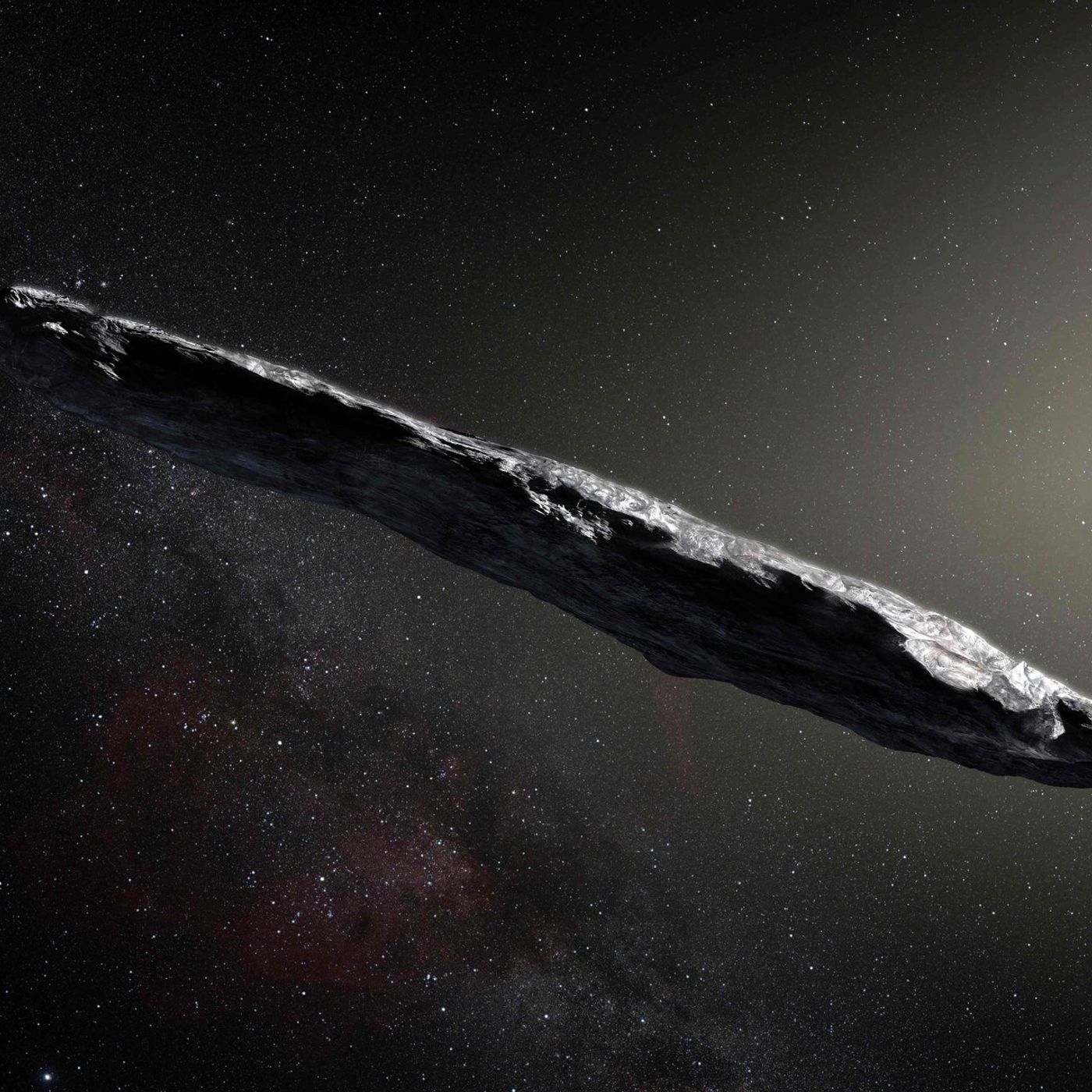
The hypothesis that Oumuamua, the interstellar space rock, is an alien probe is pretty farfetched, however, how it came to have it's current shape is almost equally hard to imagine.
422-Almost Dangerous [not-audio_url] [/not-audio_url]

Duration: 2:01
A large asteroid barely missies being classified by NASA as potentially hazardous. It may be a good candidate for asteroid miners.
421-New Aten [not-audio_url] [/not-audio_url]

Duration: 2:01
Aten asteroids can make close approaches to Earth. They are difficult to discover because they spend most of their time inside our orbit with their illuminated side facing away from us.
420-Dry Sands [not-audio_url] [/not-audio_url]

Duration: 2:01
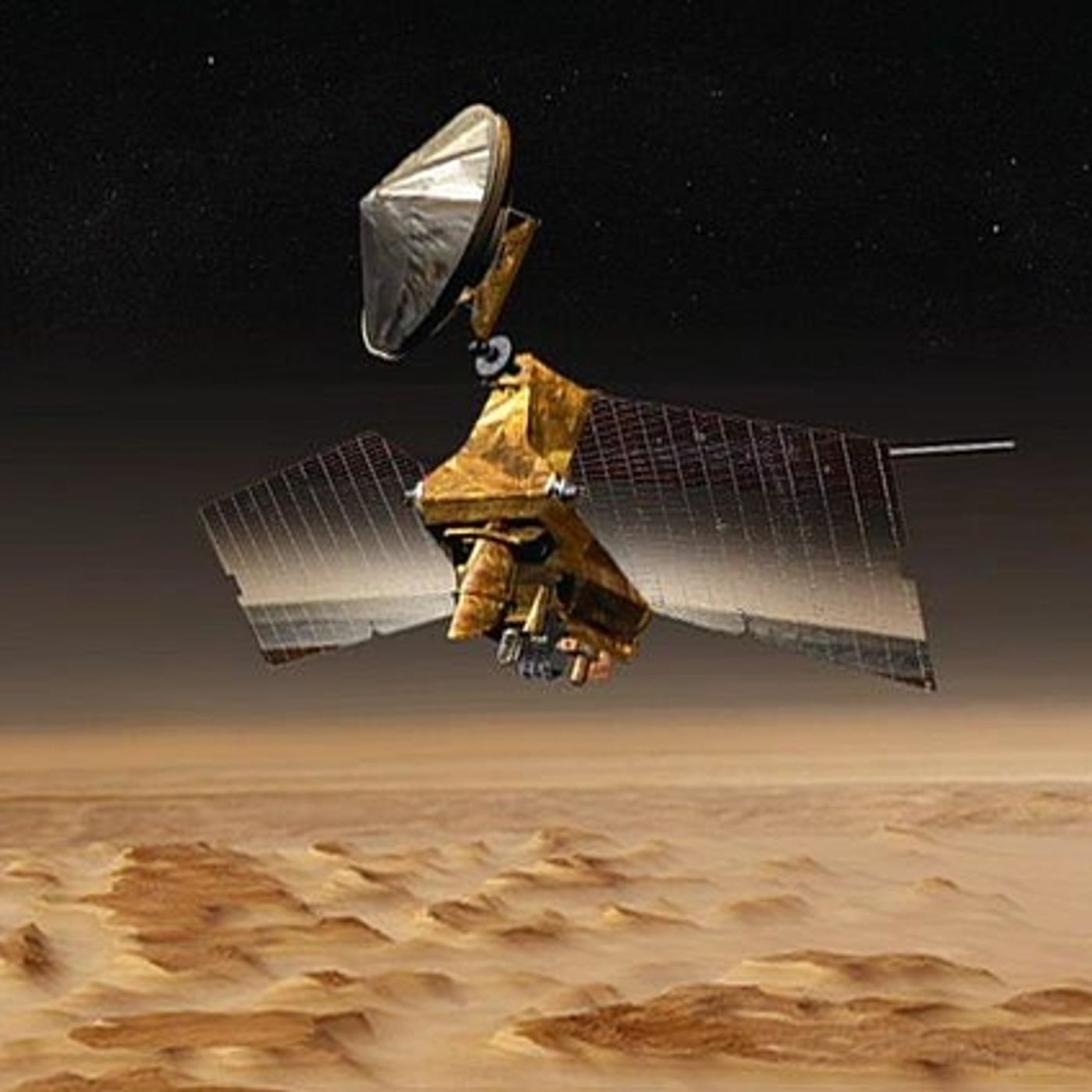
Intriguing features which change with the Martian seasons mimic flows of liquid water on the Earth's surface.
419-ET's Cigar [not-audio_url] [/not-audio_url]

Duration: 2:01
The first alien object to observed visiting our solar system arrives from truly deep space and leaves us with the mystery of what it is and how it got that way.
418-Fireball II [not-audio_url] [/not-audio_url]

Duration: 2:01
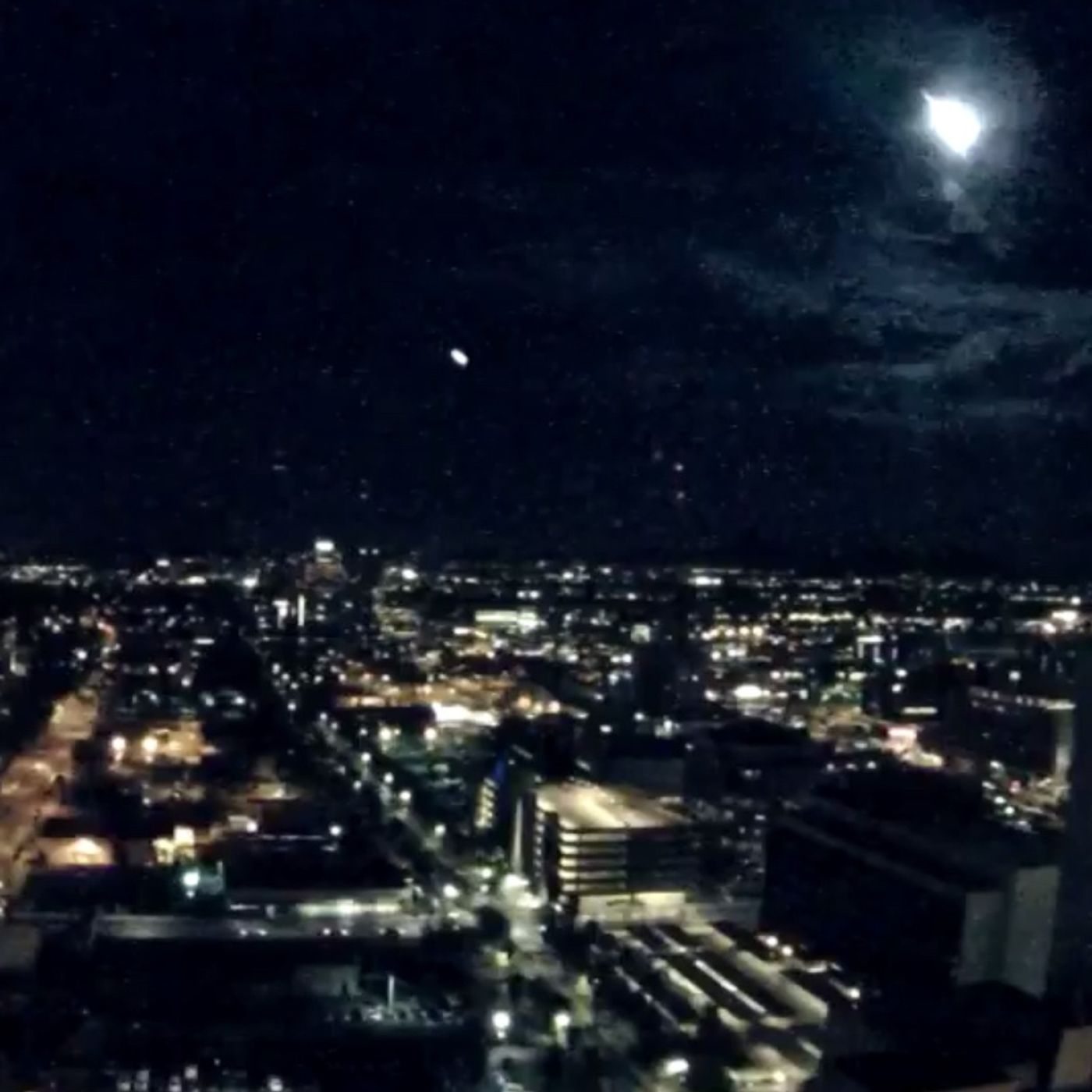
A thousand meteors brighter than the planet Venus enter the Earth's atmosphere every day. The record of one of them on your dash cam can reveal where it came from and where to find pieces of it on the ground.
417-Red Dwarf Planets [not-audio_url] [/not-audio_url]

Duration: 2:01
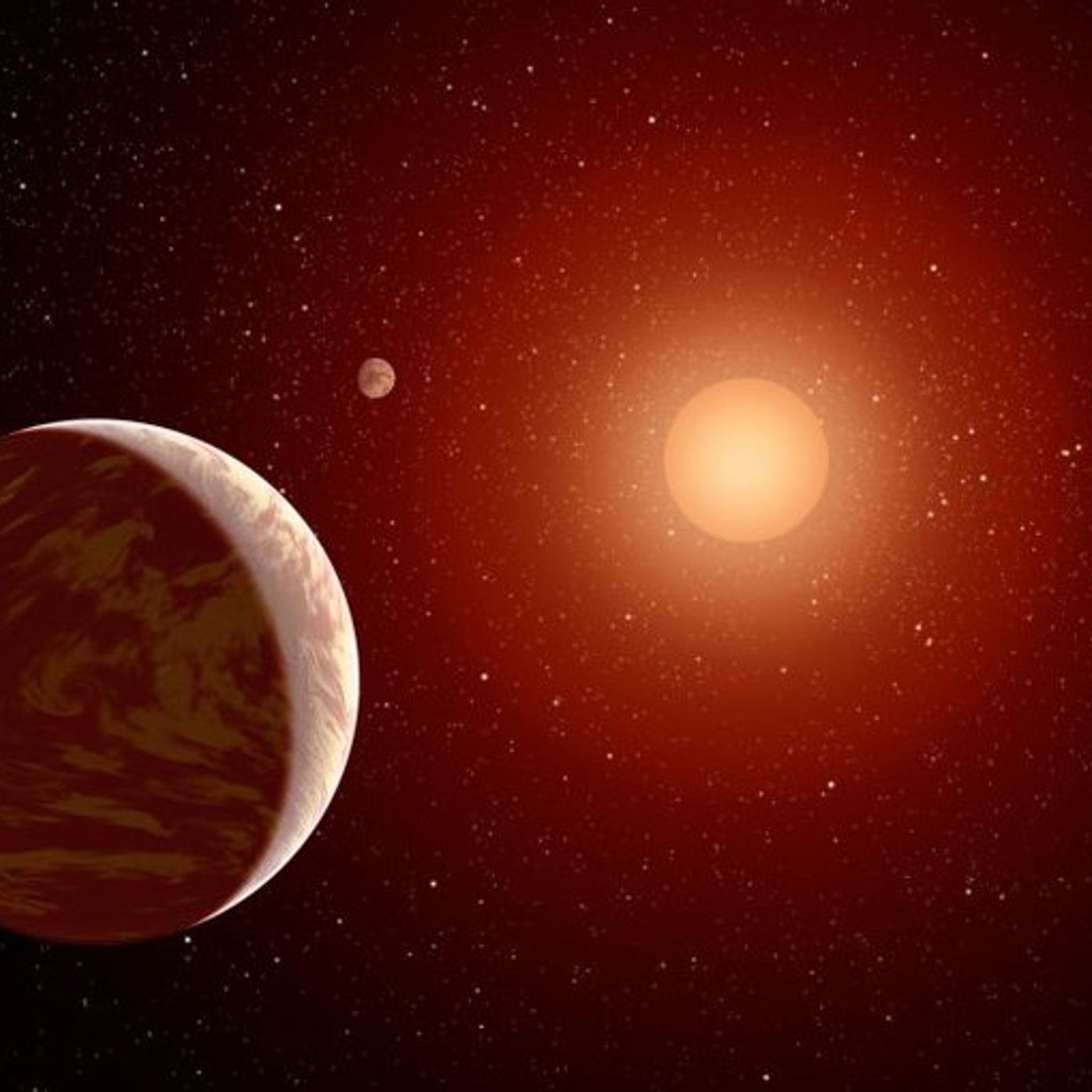
Earth like planets are being discovered circling the most common type of star in our neighborhood of the Milky Way galaxy.
416-Odd Ball [not-audio_url] [/not-audio_url]

Duration: 2:01
A small asteroid soars into the lonely space high above and below the plane of our solar system.
415-Well Done [not-audio_url] [/not-audio_url]

Duration: 2:01
A three football field sized asteroid survives on a harrowing path around our Sun.