371E-405-Kiwi Nights

371E-405-Kiwi Nights

Author: Albert D. Grauer January 13, 2026 Duration: 2:01
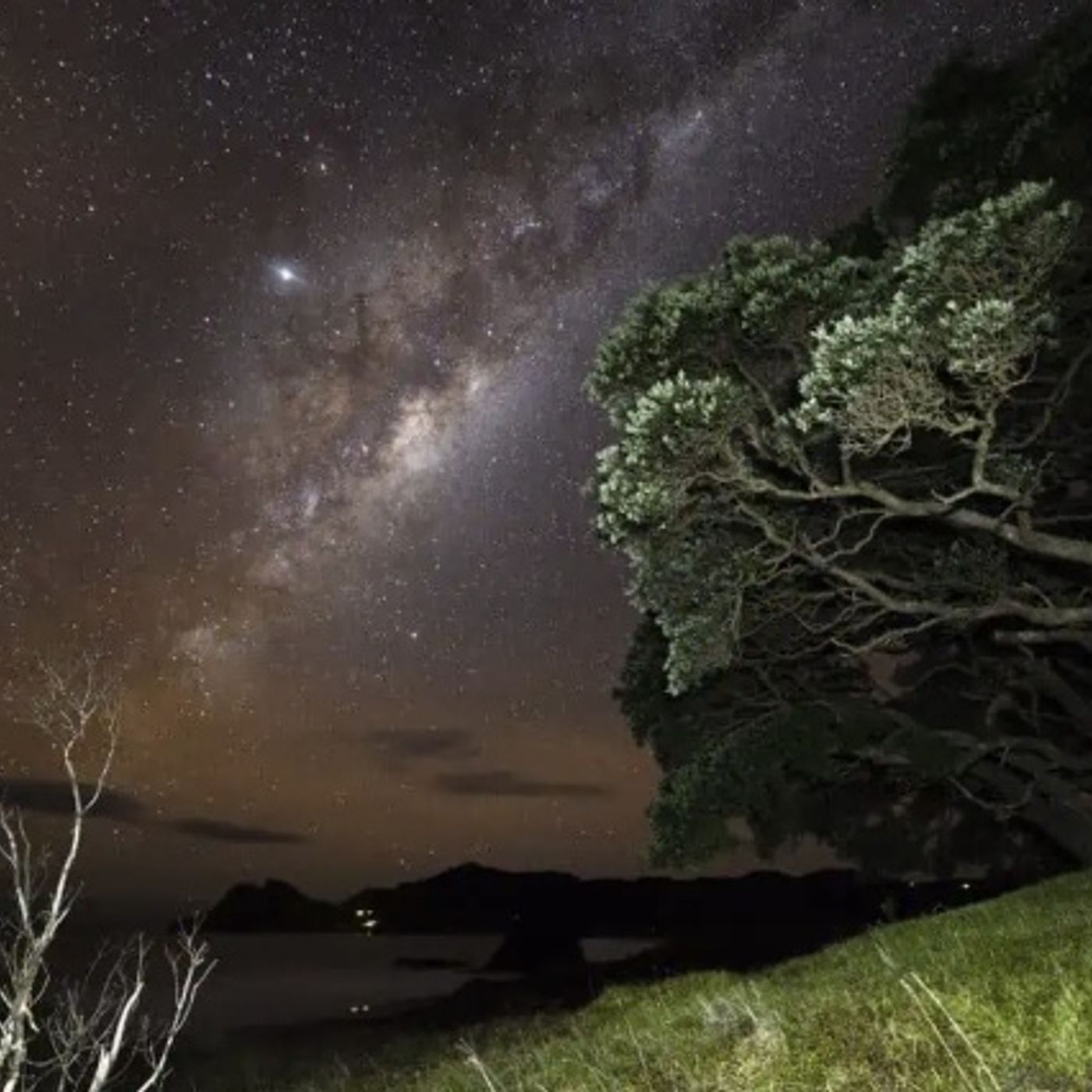
New Zealand's 4.5 million people are concentrated in three major population centers which to various degrees suffer from the modern plague of light pollution. However, most of New Zealand's large rural areas and land reserves, covering an area as large as the UK, have unpolluted natural night skies. A completely unique place to experience New Zealand's natural night sky is the Aotea [ Ah - yoh - tee - ah]-Great Barrier Island International Dark Sky Sanctuary. It encompasses New Zealand's, 110 square mile, sixth largest island, which is located about 62 miles from central Auckland. It is easily accessible by boat or a short airline flight. The island's 1000 residents are employed by agriculture and tourism. They value the natural night sky and function without externally generated electricity or street lights and fully support the preservation of their prestine night sky. In the daytime Great Barrier Island offers wonderful beaches and hikes. When the sun sets the night sky becomes alive with its own natural lights. Night sky measurements by Auckland Astronomer Nalayini [ Na - laa - i - ni] Davies and her collaborators have proved that the Great Barrier Island's natural night skies are second to none on planet Earth. Using the unaided eye, a set of binoculars, or a small telescope an observer on the Great Barrier Island is treated to spectacular views of the center of the Milky Way, the clouds of Magellan the nearest galaxies to us, the nearest stars, as well as numerous star clusters, meteors, comets, and other wonders of the natural night sky. Perhaps this unique spot deserves a place on your bucket list.

Each episode of Travelers In The Night feels like a quiet, personal conversation under a dark sky. Hosted by astronomer Dr. Albert D. Grauer, this podcast brings the distant cosmos into sharp, intimate focus. Dr. Grauer isn't just an observer; he's an active participant in the hunt, working with the Catalina Sky Survey team that has consistently discovered near-Earth asteroids for years. In these brief and engaging segments, you'll hear firsthand accounts of what it's like to track these ancient celestial travelers-the asteroids and comets that silently pass by our world. The discussions move beyond simple facts to explore the real-world implications of these discoveries, from planetary defense to the sheer wonder of our dynamic solar system. Accompanied by the contemplative music of John Lyell's "Eternity," each installment offers a moment of calm reflection on humanity's place in the universe. It’s a perfect blend of grounded science and cosmic curiosity, making complex astronomical concepts accessible and deeply fascinating. For anyone who has ever looked up and wondered what's out there moving in the dark, this podcast provides a direct line to the front lines of discovery.
Author: Language: English Episodes: 100

Travelers In The Night
Podcast Episodes
857-Gila Cliff Dwellings [not-audio_url] [/not-audio_url]

Duration: 2:01
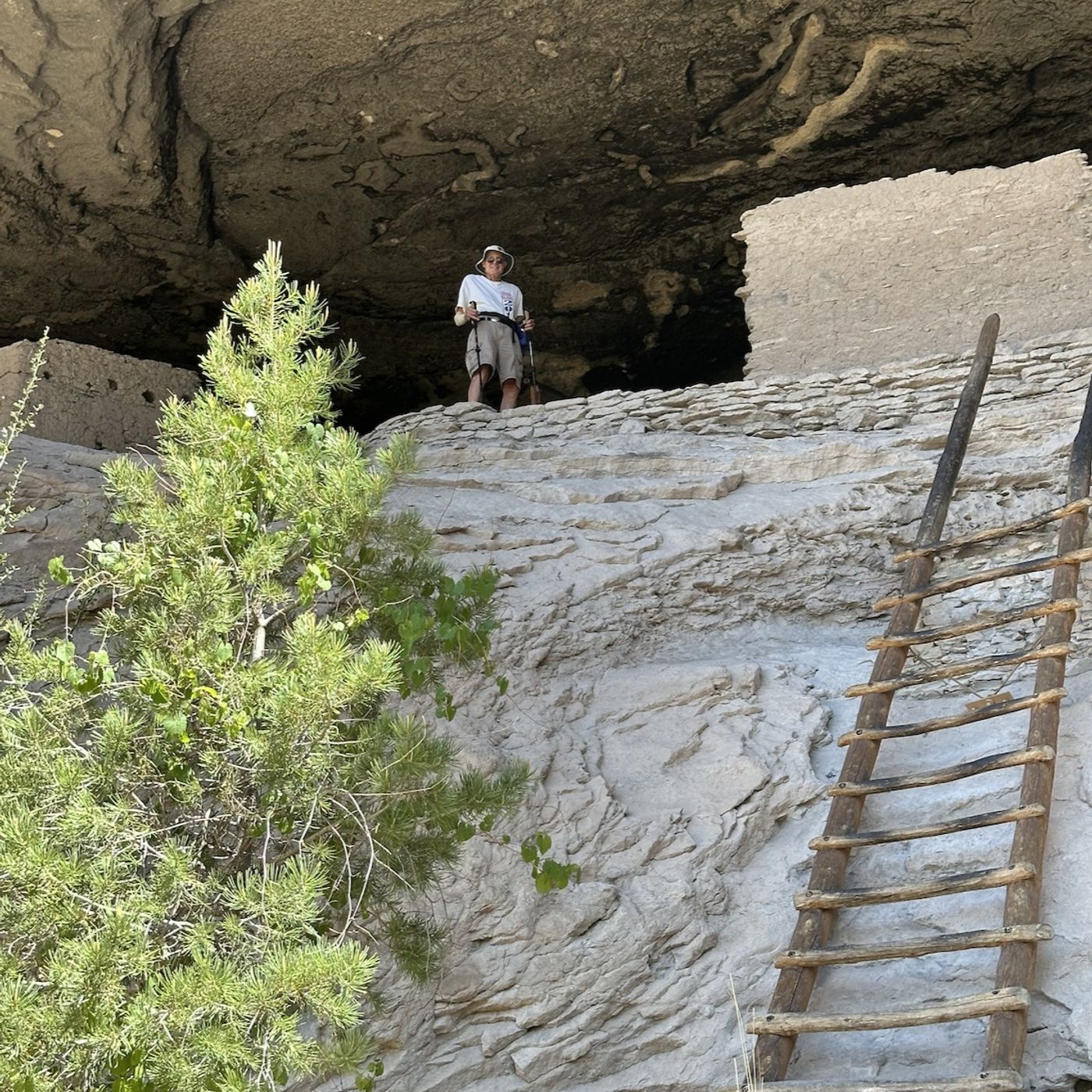
Recently my Catalina Sky Survey teammate Dr. Hannes Gröller and I traveled to the Gila Cliff Dwellings National Monument to install two night sky meters which will enable this wonderful national treasure to become an int…
344E-367-Future Impactor [not-audio_url] [/not-audio_url]

Duration: 2:01
My Catalina Sky Survey teammate Carson Fuls discovered a 33 foot diameter asteroid which has about a 1.1% chance of impacting the Earth on 569 encounters with our planet between 2045 and 2116. Its name is 2017 LD. It is…
856-Big One [not-audio_url] [/not-audio_url]

Duration: 2:01
My Catalina Sky Survey teammate Vivian Carvajal was asteroid hunting in the constellation of Cepheus with our small but mighty Schmidt telescope on Mt. Bigelow, Arizona when she discovered 2025 JB1.Fortunately on its cur…
343E-366-3 Explorers [not-audio_url] [/not-audio_url]

Duration: 2:01
Recently, my Grandsons, Dane and Hank joined our asteroid hunting team at the Catalina Sky Survey 60 inch telescope on Mt. Lemmon. The most interesting of our discoveries, 2017 KJ32 is only 16 feet in diameter, orbits th…
855-Planetary Defense [not-audio_url] [/not-audio_url]

Duration: 2:01
In 2016 NASA created the Planetary Defense Coordination Office to manage the mission of finding, tracking, and studying asteroids and comets which could pose an impact threat to our home planet.The NASA documentary “Plan…
342E-365-Tabby's Star [not-audio_url] [/not-audio_url]

Duration: 2:01
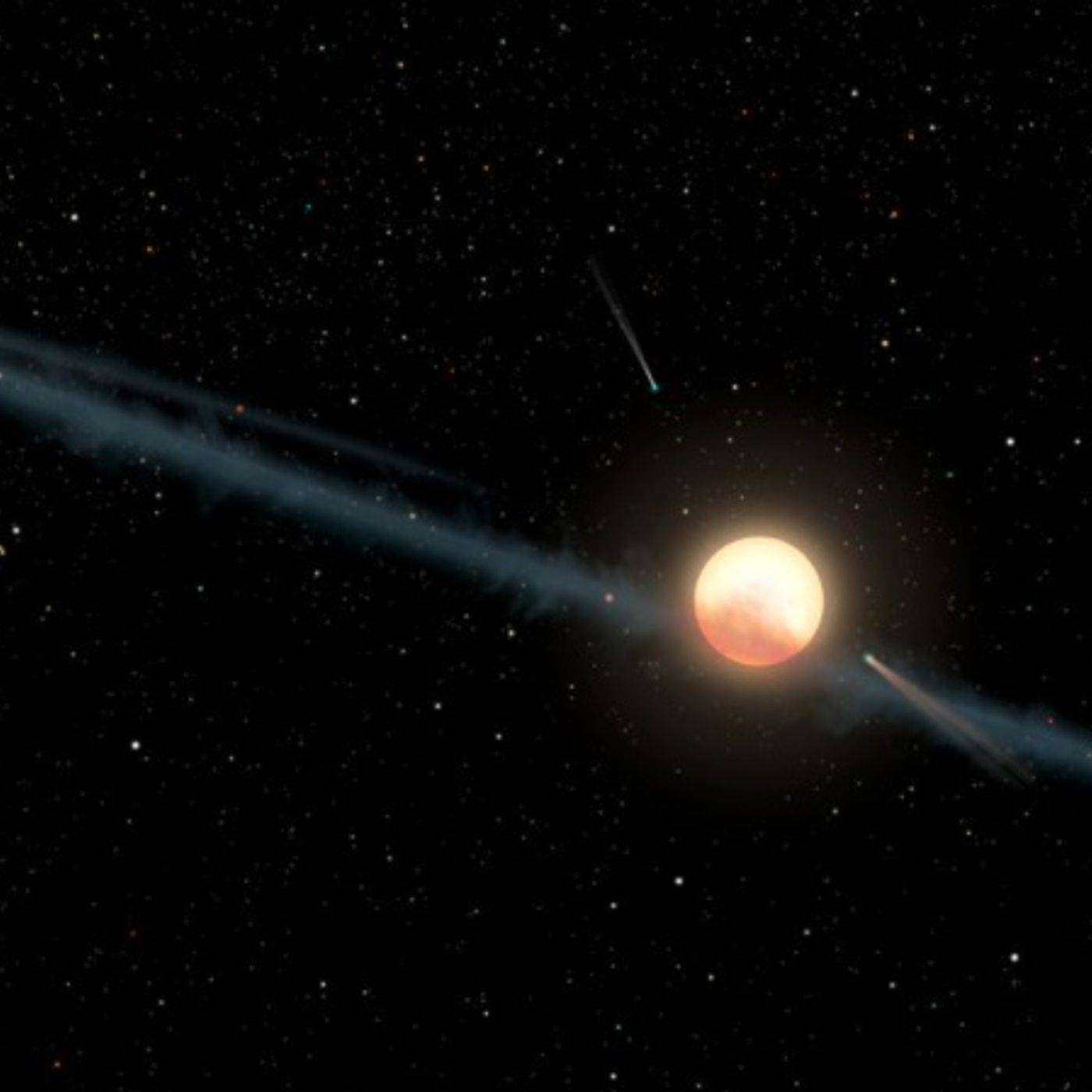
The mystery of Tabby's star began to unfold when in 2015 Dr. Tabetha S. Boyajian [boy-AA-jee-uhn] of Louisiana State University and her team published a paper describing the irregular dips in the light output of what oth…
854-Weird Planet Exotic Life? [not-audio_url] [/not-audio_url]

Duration: 2:01
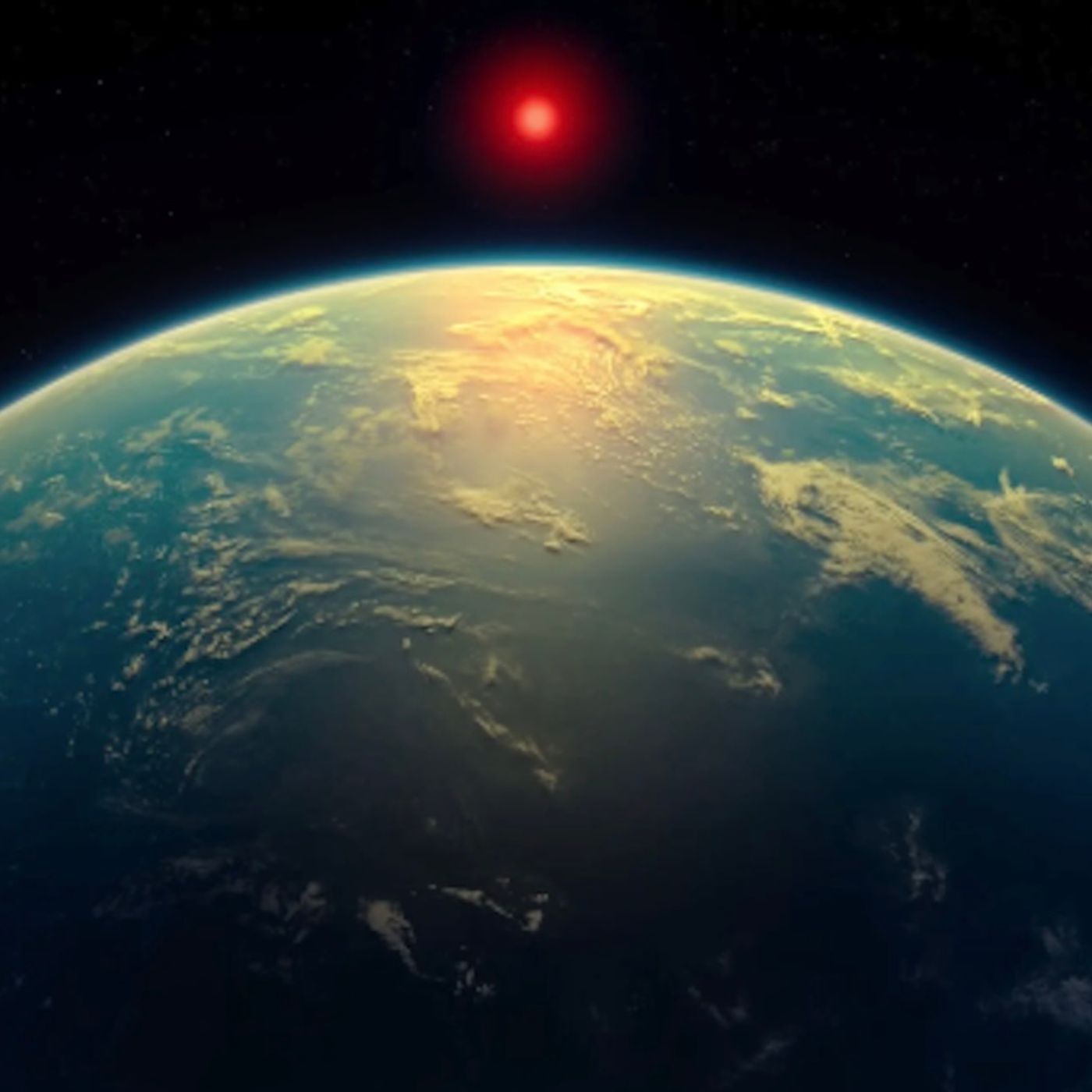
Data are consistent with the hypothesis that the planet K2-18b is a Hycean planet with a warm liquid water ocean teaming with life and a thin hydrogen rich atmosphere containing methane and other molecules containing car…
341E-364-Laser Surfing [not-audio_url] [/not-audio_url]

Duration: 2:01
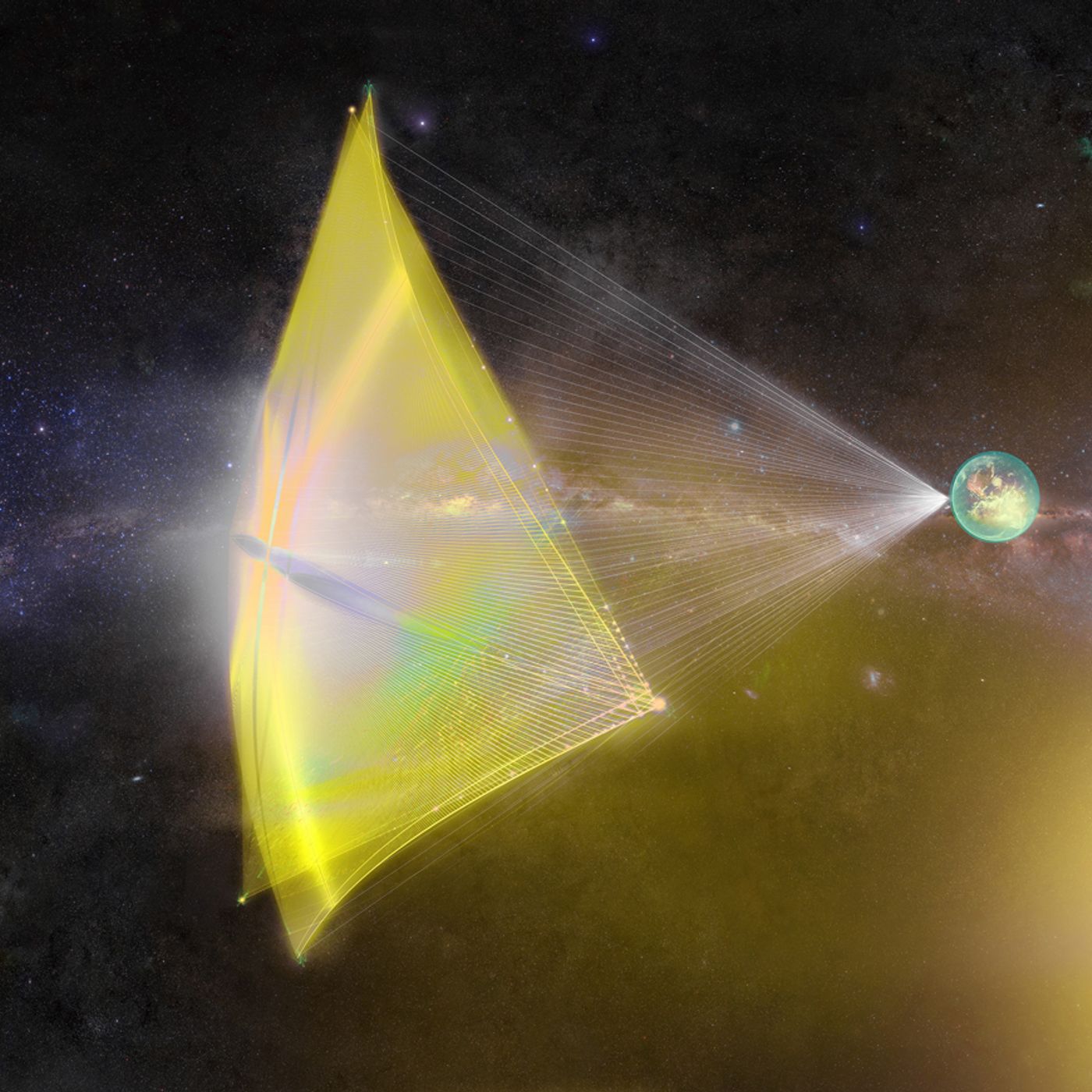
When we find a planet which appears to have the chemical signs of living organisms in its atmosphere, the desire to take a close up look at it will be hard to contain. In a Scientific American article, Lee Billings descr…
853-Tardigrade [not-audio_url] [/not-audio_url]

Duration: 2:01
In the search for life on Mars, Europa, Titan, and elsewhere in the universe astro-biologists are scouring the Earth for creatures tough enough to flourish under really difficult conditions. So far the leading species ar…
852-Landing On Mars [not-audio_url] [/not-audio_url]

Duration: 2:01
The good news is a Mars landing by human colonists and their equipment seems technically feasible given a large budget of cash and grit.