374E-408-Earth's Pet Rock

374E-408-Earth's Pet Rock

Author: Albert D. Grauer February 3, 2026 Duration: 2:01
On it's gravitational leash, Earth's pet space rock, 2016 HO3, accompanies us at a distance of between 38 and 100 times the Moon's distance from Earth as we both travel about the Sun. As this tiny asteroid orbits the Sun it spends about half of it's time inside the Earth's orbit where it moves faster and passes ahead of us and the other half of it's yearly path outside of our orbit which causes it to lag behind our home planet. Since it's discovery little has been known about Earth's pet space rock leaving some to speculate that perhaps it is an old rocket booster or other piece of space junk. To answer this question, Dr. Vishnu Reddy of the University of Arizona's Lunar and Planetary Laboratory headed up a team of astronomers who used the University of Arizona's Large Binocular Telescope and the Discovery Channel's Telescope to determine some of it's properties. This team of researchers found that 2016 HO3 is indeed a natural object about 100 to 300 feet in diameter, rotates about once every 28 minutes, and is made of material similar to meteorites which have landed on Earth. Our pet space rock, 2016 HO3, has apparently been in it's present relationship to Earth for a hundred years and is likely to remain so for hundreds of years to come. Even though 2016 HO3 is not gravitationally bound to the Earth, the combination of the Sun's and Earth's gravitational pulls keeps it relatively near making it easy to reach and thus is an ideal candidate for visits by human or robotic spacecraft.

Each episode of Travelers In The Night feels like a quiet, personal conversation under a dark sky. Hosted by astronomer Dr. Albert D. Grauer, this podcast brings the distant cosmos into sharp, intimate focus. Dr. Grauer isn't just an observer; he's an active participant in the hunt, working with the Catalina Sky Survey team that has consistently discovered near-Earth asteroids for years. In these brief and engaging segments, you'll hear firsthand accounts of what it's like to track these ancient celestial travelers-the asteroids and comets that silently pass by our world. The discussions move beyond simple facts to explore the real-world implications of these discoveries, from planetary defense to the sheer wonder of our dynamic solar system. Accompanied by the contemplative music of John Lyell's "Eternity," each installment offers a moment of calm reflection on humanity's place in the universe. It’s a perfect blend of grounded science and cosmic curiosity, making complex astronomical concepts accessible and deeply fascinating. For anyone who has ever looked up and wondered what's out there moving in the dark, this podcast provides a direct line to the front lines of discovery.
Author: Language: English Episodes: 100

Travelers In The Night
Podcast Episodes
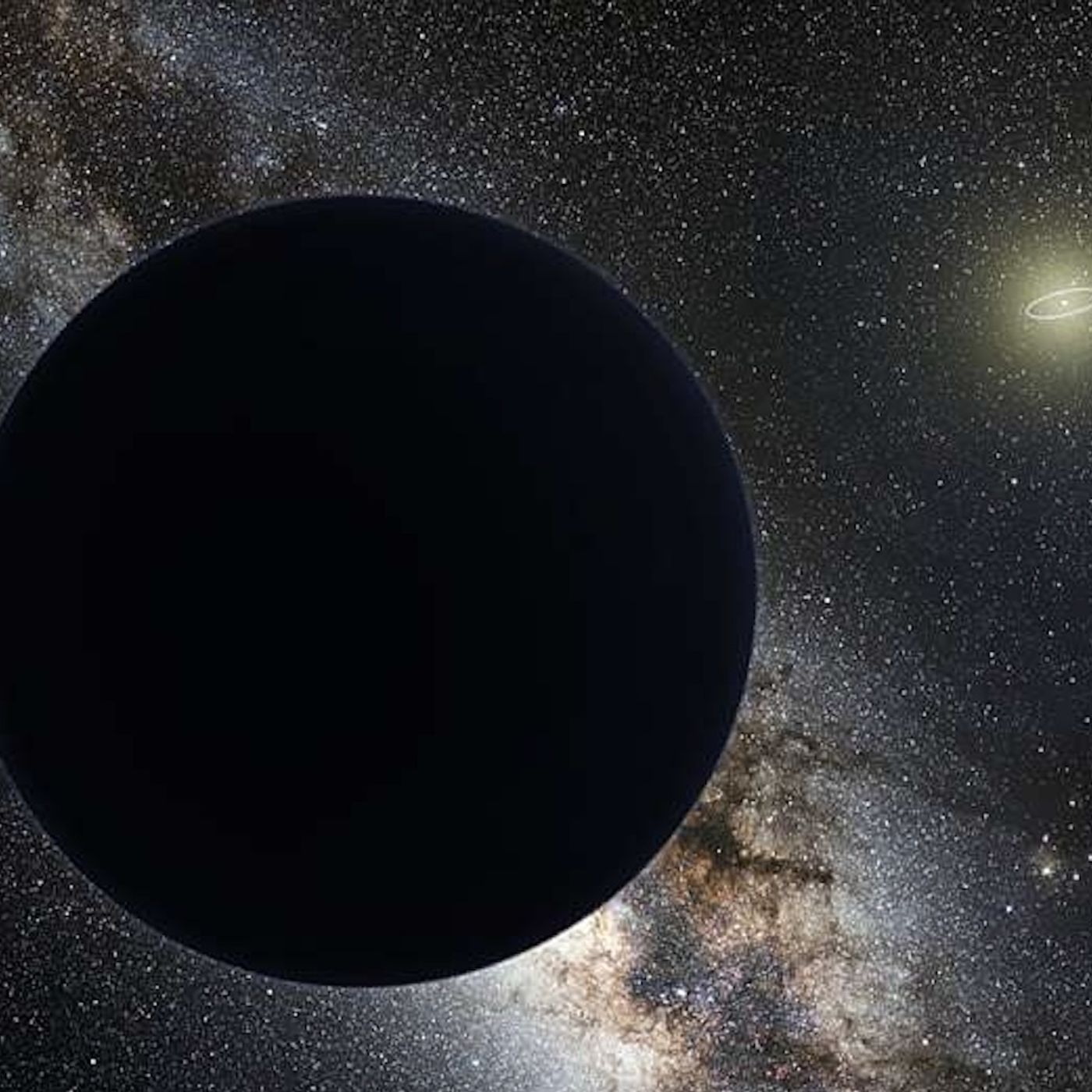
862-New Planet 9 Search [not-audio_url] [/not-audio_url]

Duration: 2:01
Recently, using data from the Japanese infrared telescope AKARI, Dr. Amos Y.A. Chen and his collaborators published a paper in the Publications of the Astronomical Society of Australia which predicts the approximate posi…
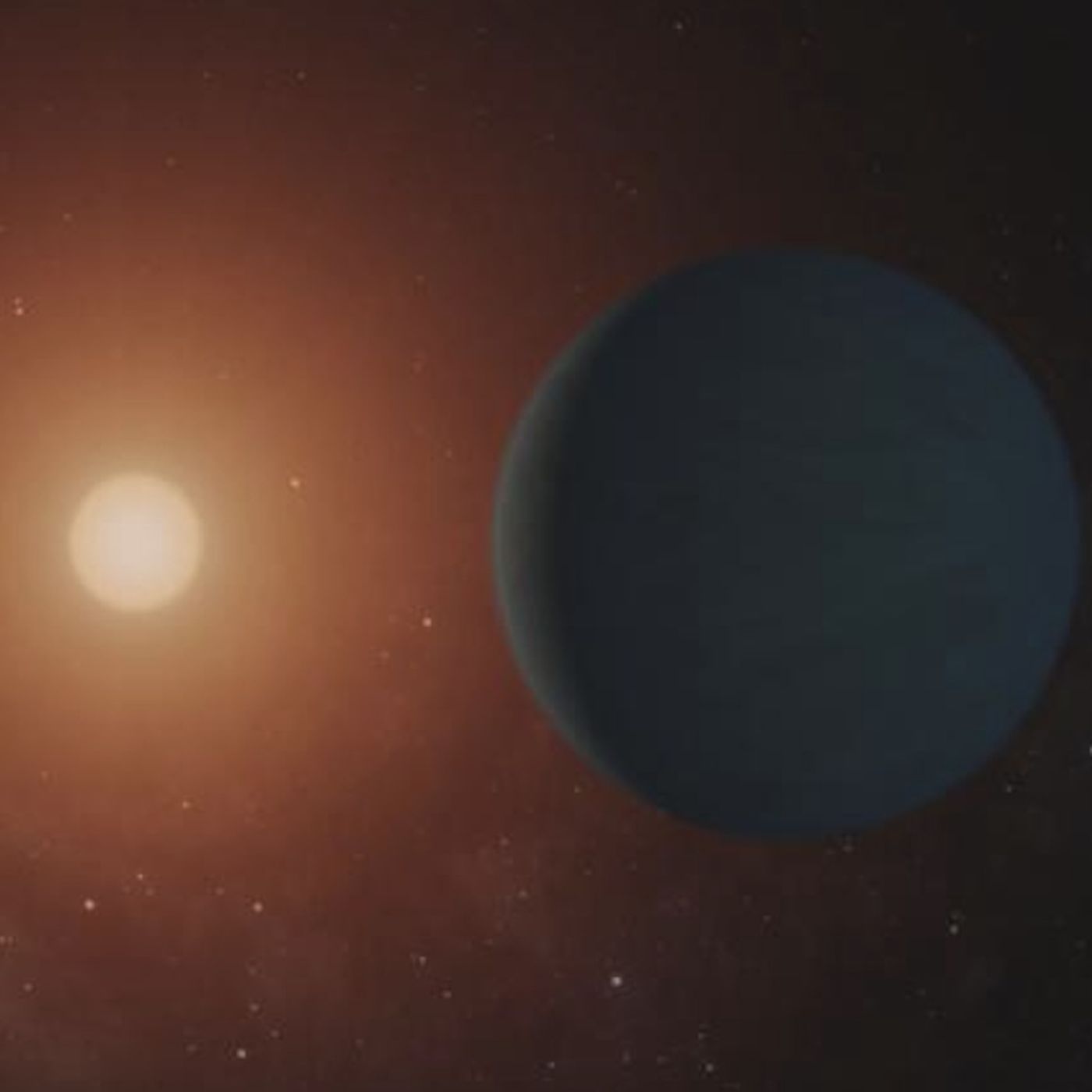
349E-372-Trappist-1 Planets [not-audio_url] [/not-audio_url]

Duration: 2:01
The Trappist-1 planetary system located about 40 light years away in the constellation of Aquarius consists of a small red dwarf star and 7 Earth sized planets. By carefully studying changes in the planet's transit timin…
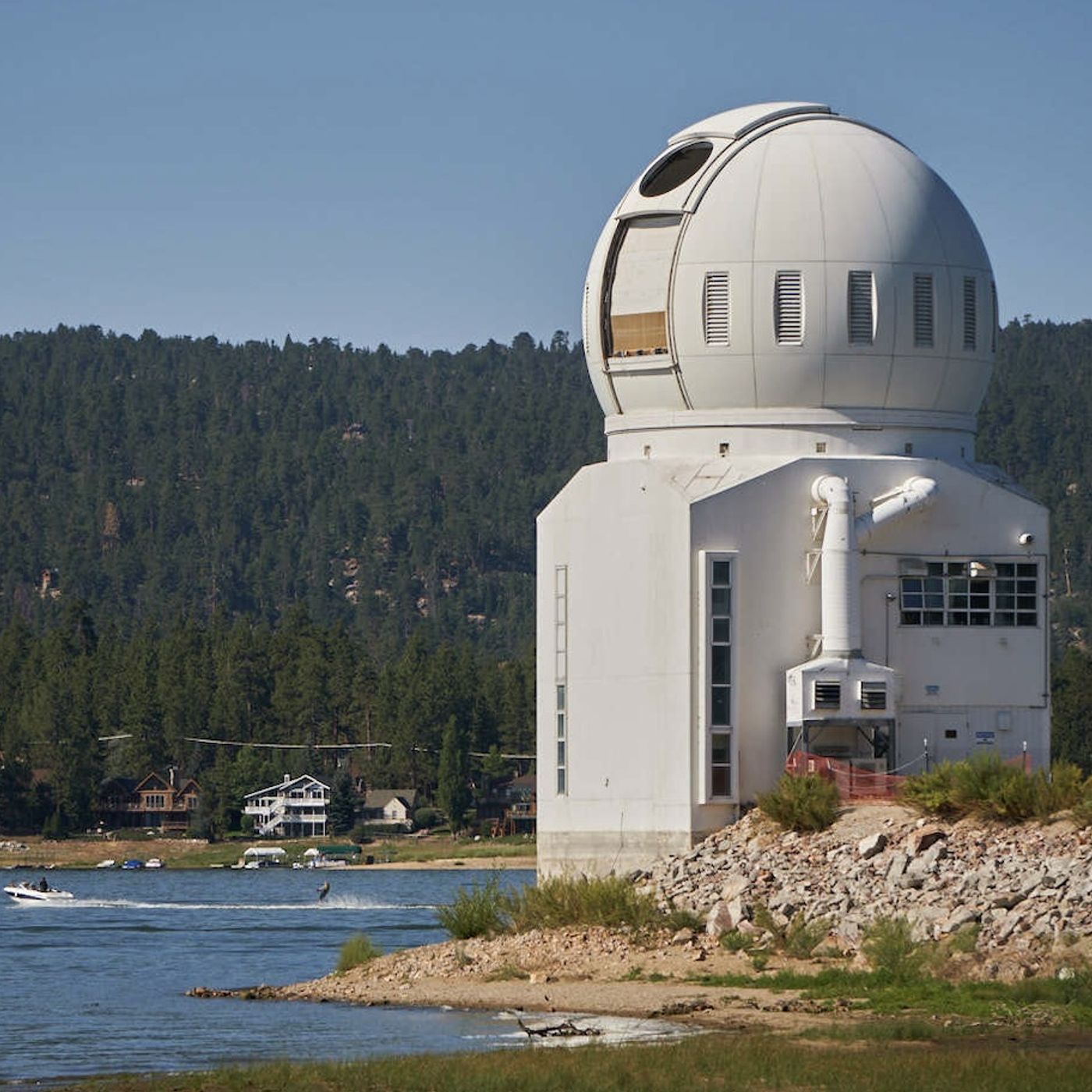
861-Big Bear Observatory [not-audio_url] [/not-audio_url]

Duration: 2:01
Big Bear Solar Observatory is a unique facility operated by the New Jersey Institute of Technology. Its 1.6 meter Goode Solar Telescope is located on the north side of Big Bear Lake at an elevation of 6,760 feet above se…
348E-371-2 Headed Space Worm [not-audio_url] [/not-audio_url]

Duration: 2:01
Humans are moving towards a day when there are space colonies in orbit, on the Moon, and the planet Mars, places where the force of gravity ranges between zero and 38% of what we experience every day. What effect will su…
860-Worlds Largest Solar Telescope [not-audio_url] [/not-audio_url]

Duration: 2:01
The US National Science Foundation’s Daniel K. Inouye Solar Telescope is the worlds largest solar telescope. It is perched 10,000 feet above sea level on the top of Haleakalā on the Hawaiian island Maui. Its location and…
347E-370-Life's Parts [not-audio_url] [/not-audio_url]

Duration: 2:01
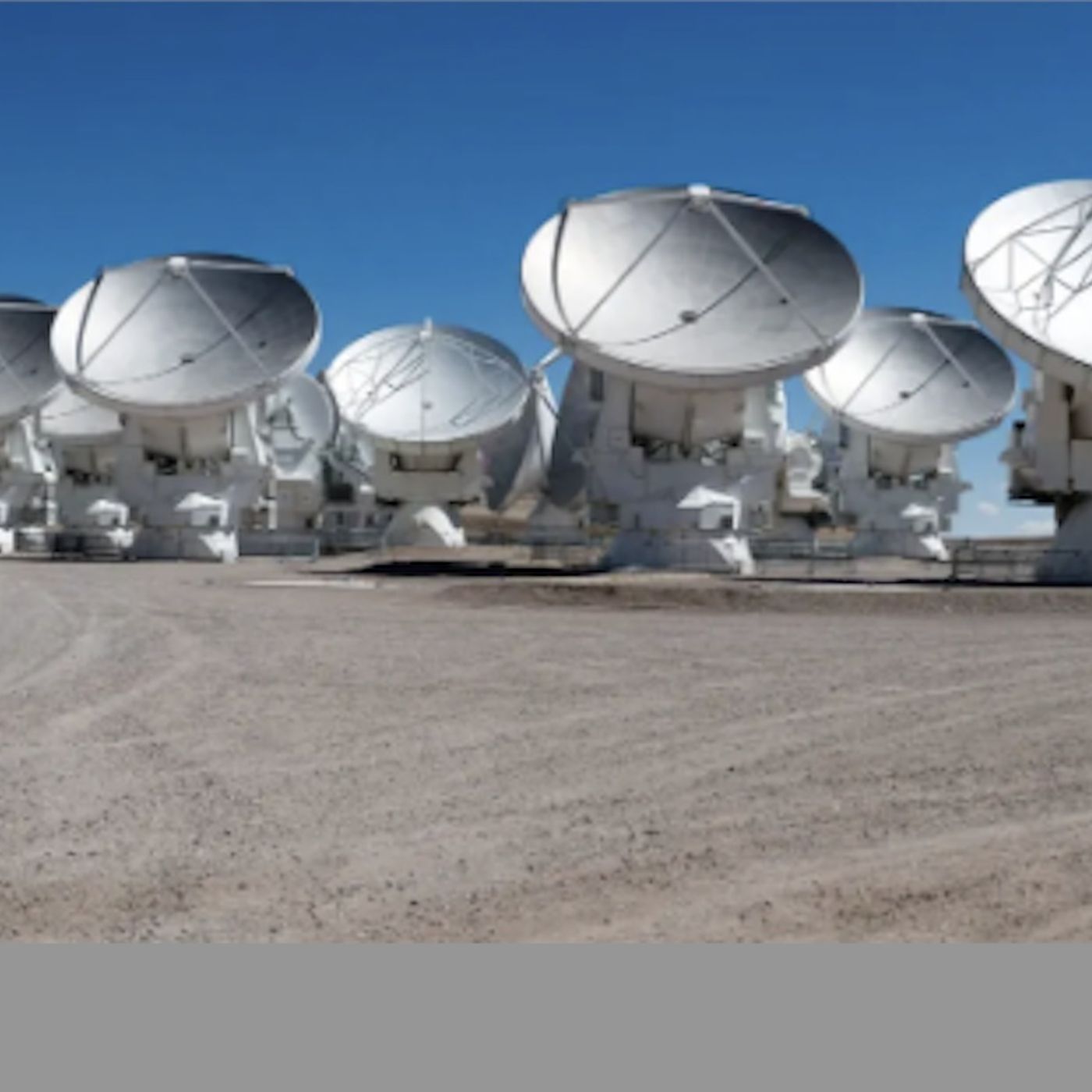
24 hours a day, 16,600 feet above sea level in the high dry desert of northern Chile, the 66 antennas of 1.4 billion dollar Atacama Large Millimeter/submillimeter Array or ALMA receives signals located between the infrar…
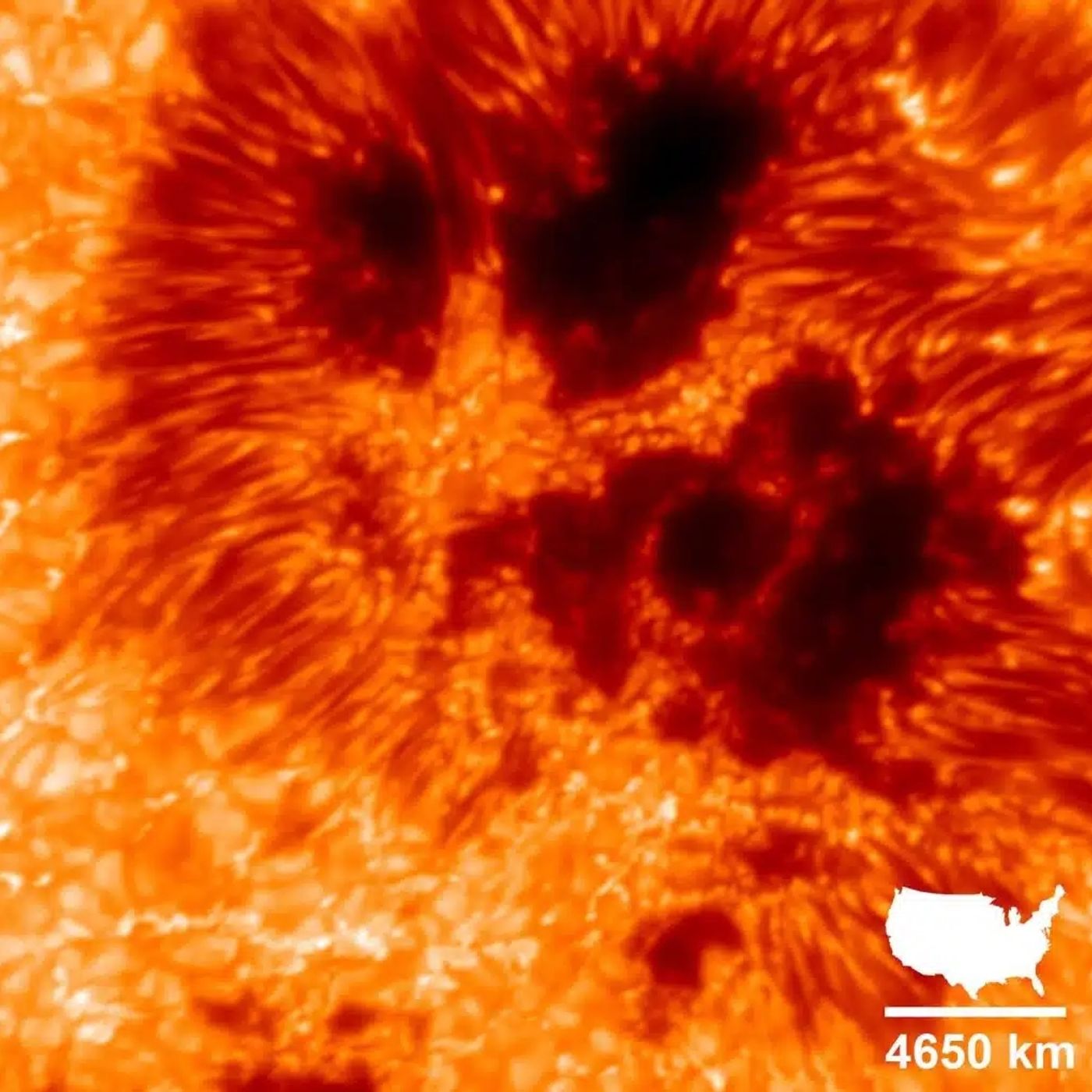
859-Powerful Solar Storm [not-audio_url] [/not-audio_url]

Duration: 2:01
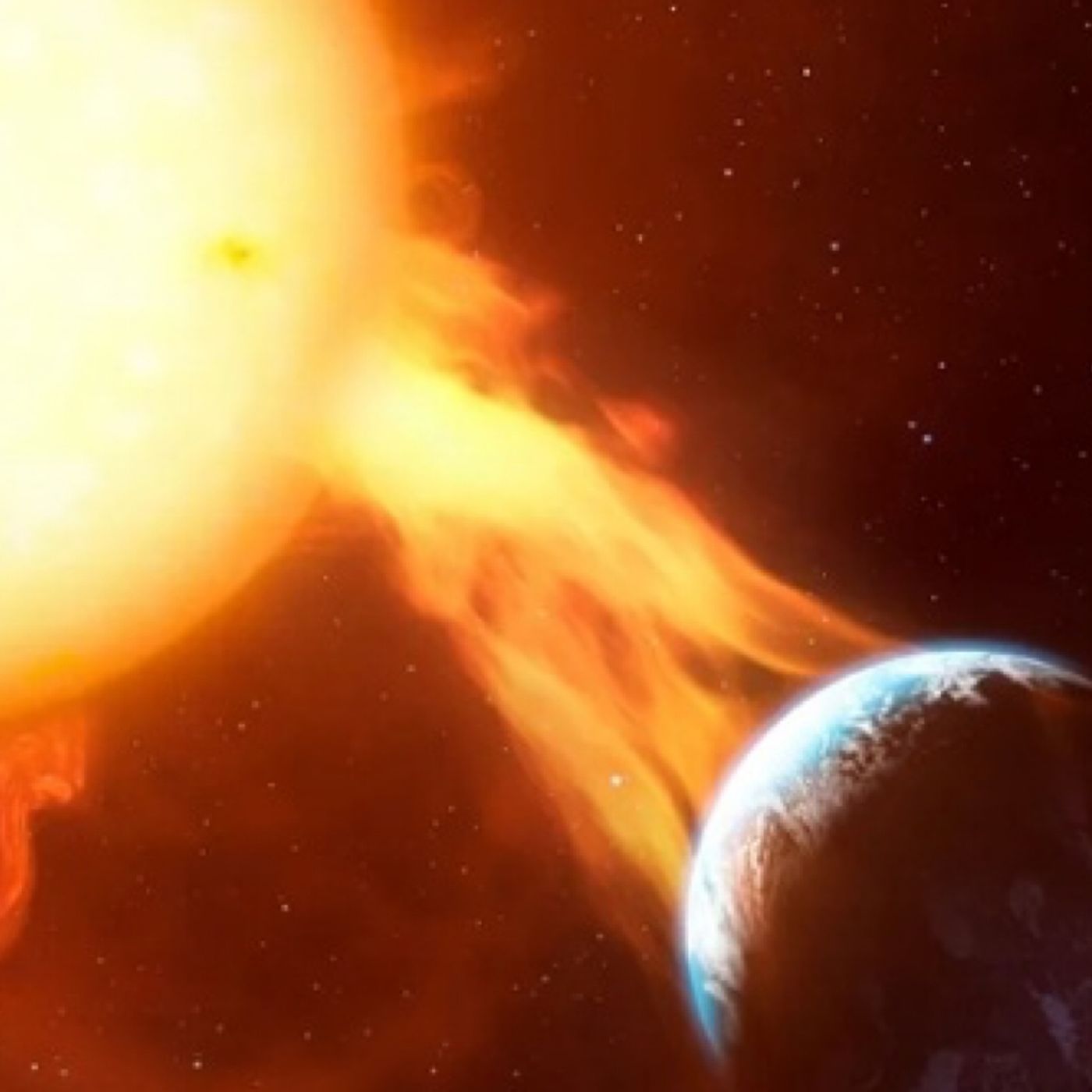
After the Earth the Sun is the most important object for human beings in the Universe. It is the energy source which produces our food and is the source for all of the energy and motion around us except for geothermal an…
346E-369-Finding Treasure [not-audio_url] [/not-audio_url]

Duration: 2:01
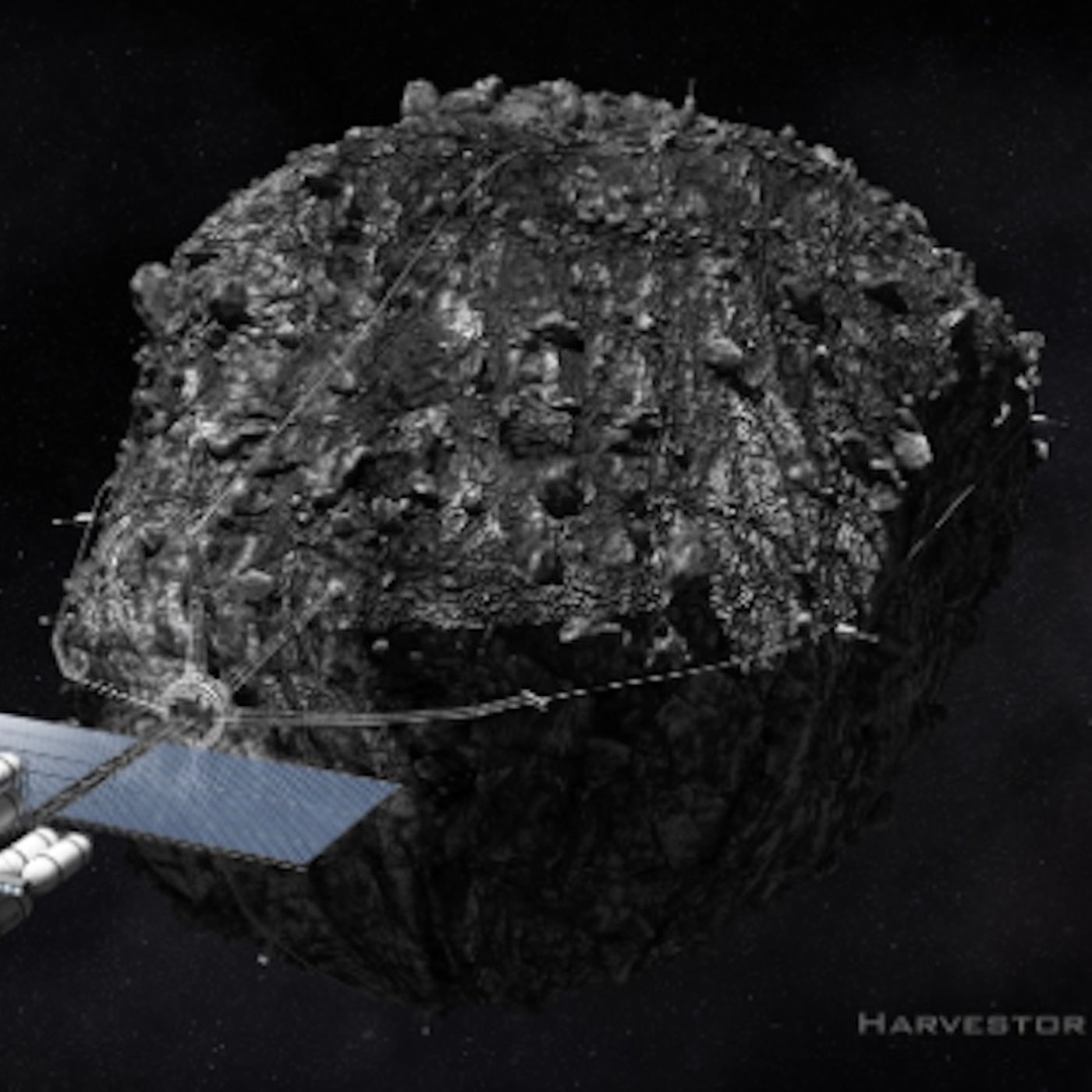
The energy required to lift water, food, and construction materials from the Earth's surface is very expensive. Asteroids come relatively close to Earth and could provide space colonists with metals, carbon, water, and t…
858-Vanishing Dark and Quiet [not-audio_url] [/not-audio_url]

Duration: 2:01
Sadly humans seem to be in the process of creating a cosmic land fill which will blot out much of the cosmos.
345E-368-Asteroid Alert [not-audio_url] [/not-audio_url]

Duration: 2:01
When Asteroid hunters discover a new object it is given a score ranging from 0 which means it is likely to be a distant main belt asteroid up to 100 which means that it is likely to come near to us. Each newly discovered…