376E-412-Tiny Space Rock

376E-412-Tiny Space Rock

Author: Albert D. Grauer February 17, 2026 Duration: 2:01
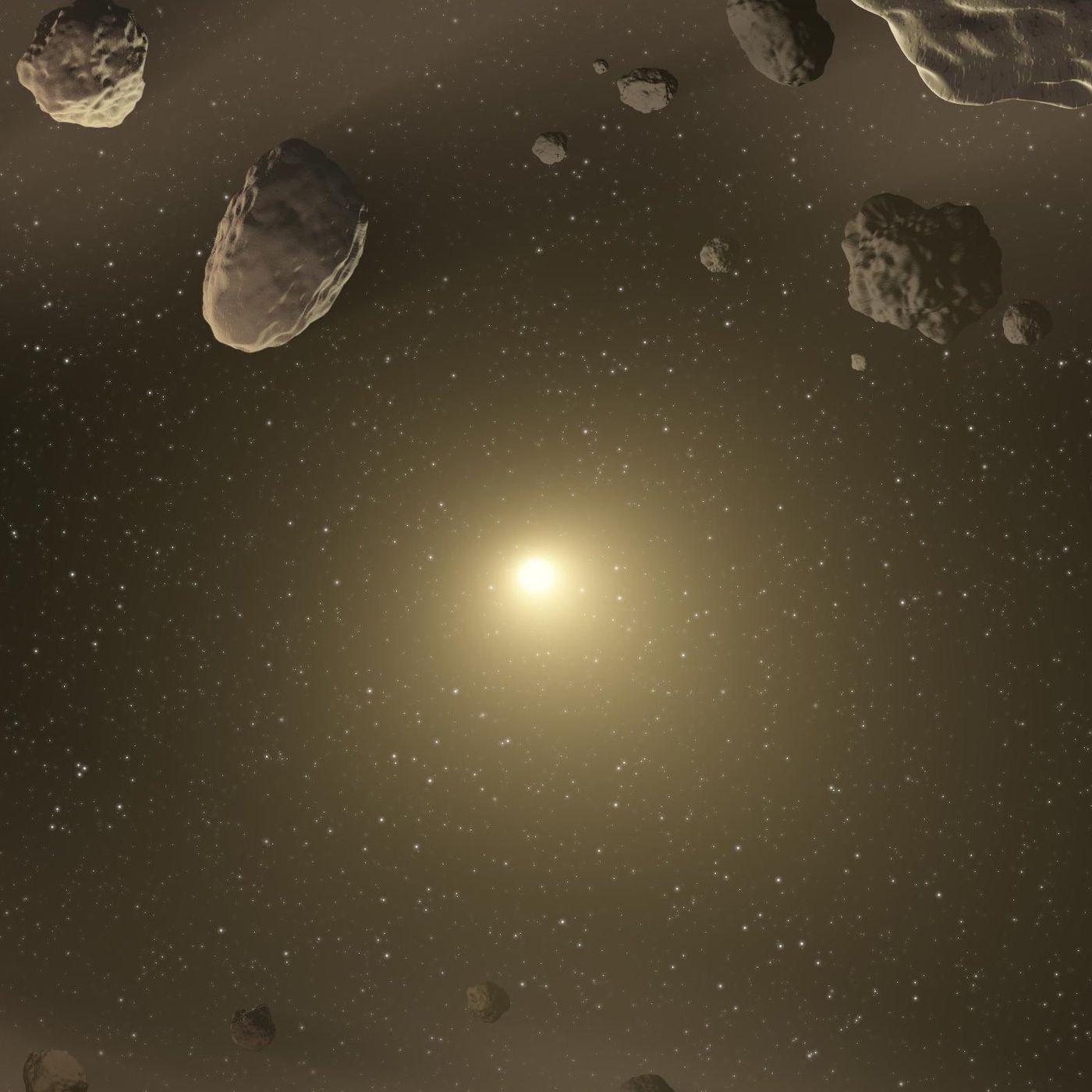
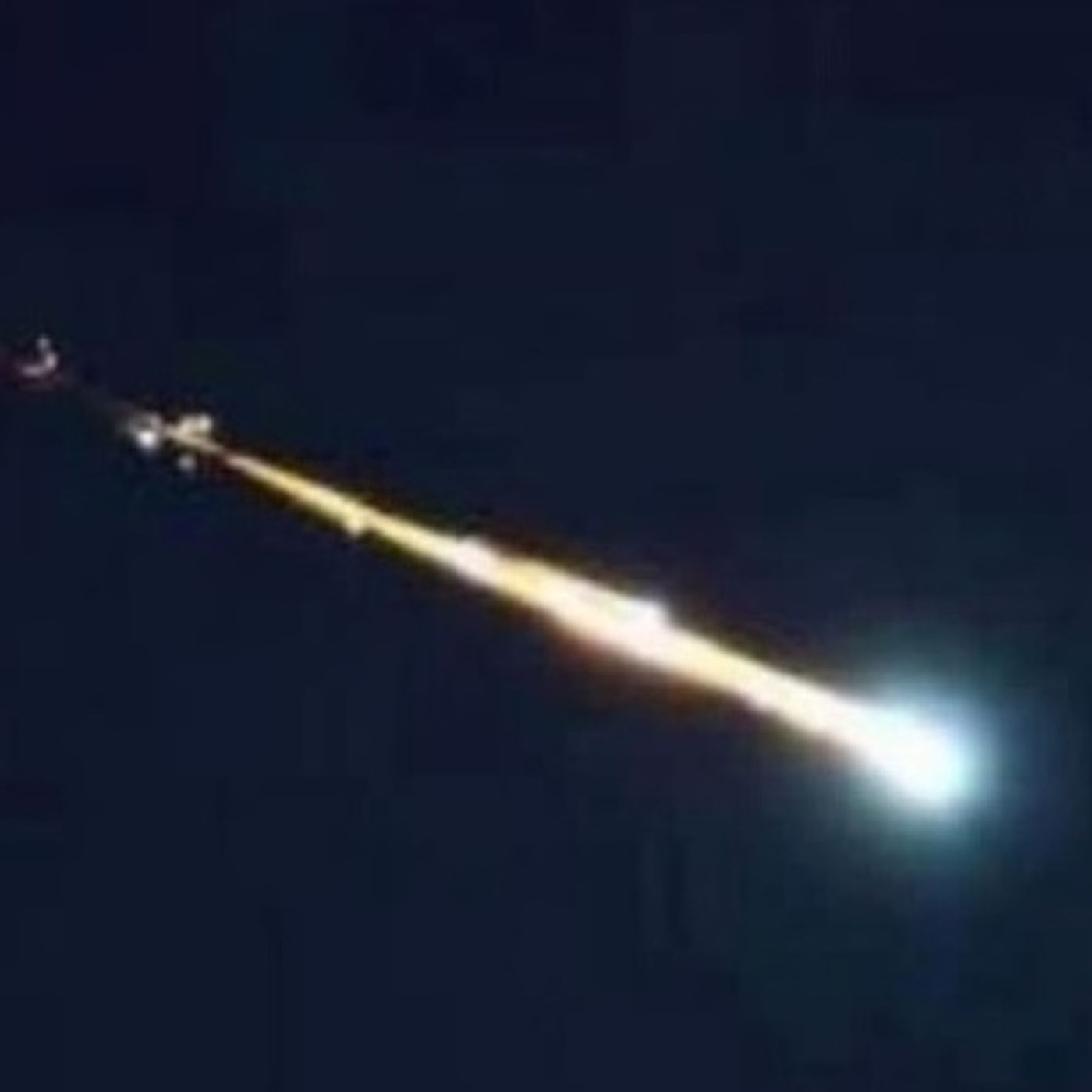
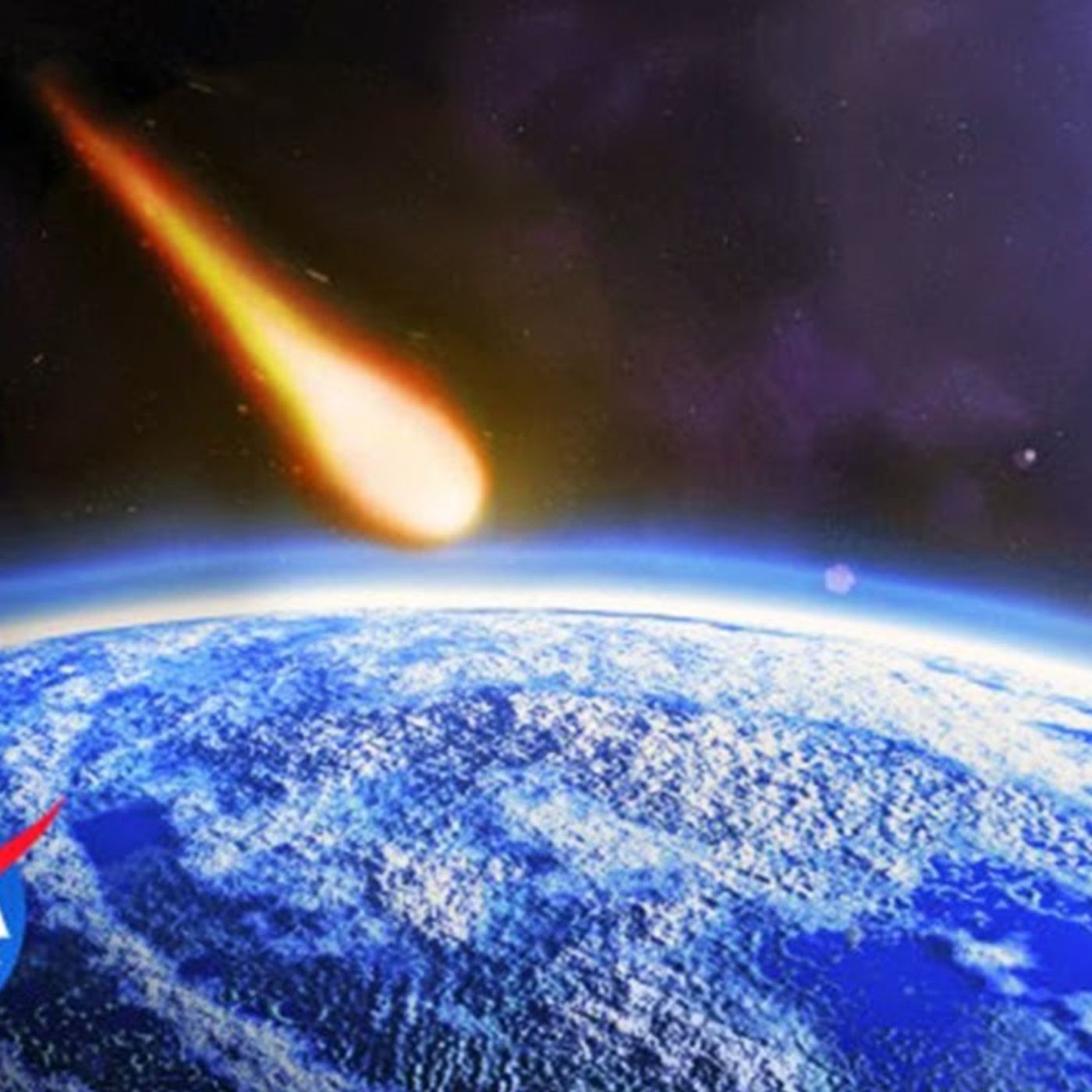
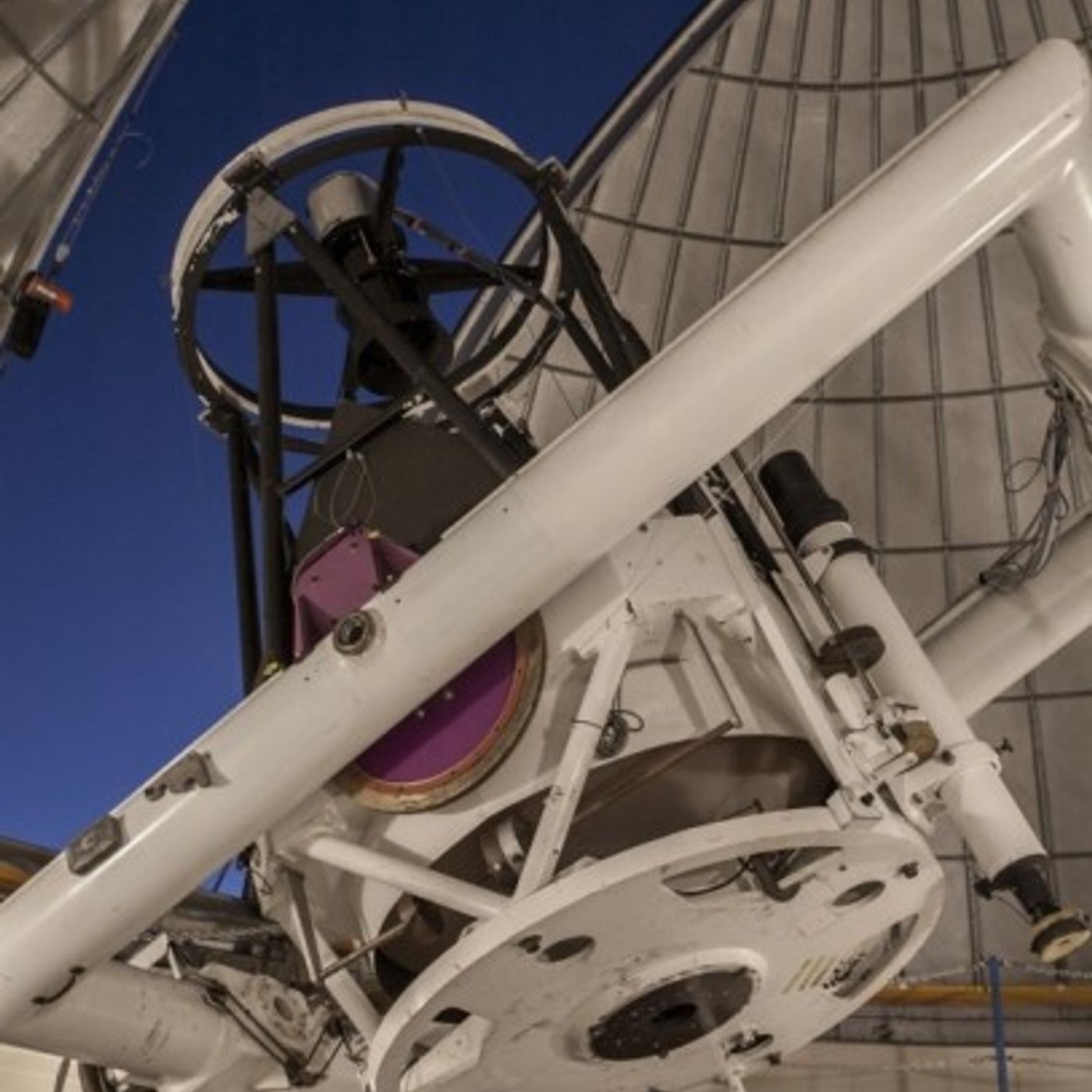
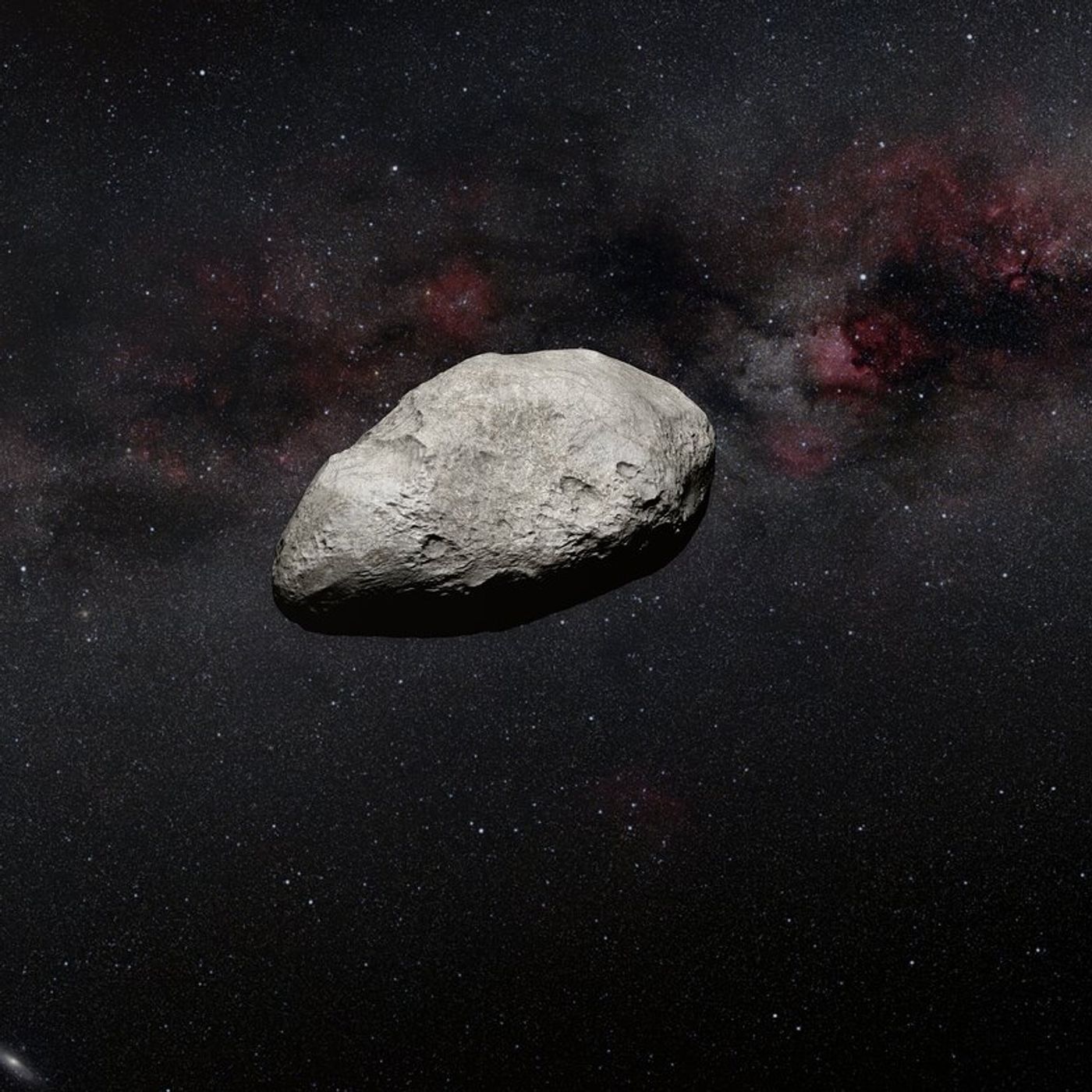
Eighteen hours before my Catalina Sky Survey teammate Rose Matheny first spotted a small space rock with our Schmidt telescope on Mt. Bigelow, Arizona it had passed less than the Earth's diameter from the surface of our planet. Rose was able to discover this Smart Car sized space rock after it moved out of the Sun's glare. At this point it was about the Moon's distance from her and was traveling away at 3.4 mi/s. After Rose posted her discovery observations on the Minor Planet Center's Near Earth Object Confirmation page, for the next 24 hours it was tracked by telescopes in Spain, Illinois, and Arizona. Scientists at the Minor Planet Center used these data to calculate it's orbit around the Sun, estimate it's size and give it the name 2017 UJ2. This small asteroid had come near the Earth in 1978 but was invisible to the technology which astronomers had available at the time. 2017 UJ2 will not come close enough for us to detect in the foreseeable future, however, there are likely to be tens of millions of others like it which can come close to Earth. A small asteroid the size of Rose's discovery is likely to enter our atmosphere at least once a year and explodes at about 4 times higher than airliners fly. If such an event happened at night and you were lucky enough to see it you would be treated to a fantastic light show. If you are as lucky as a power ball winner you might even be able to find a piece of it on the ground.

Each episode of Travelers In The Night feels like a quiet, personal conversation under a dark sky. Hosted by astronomer Dr. Albert D. Grauer, this podcast brings the distant cosmos into sharp, intimate focus. Dr. Grauer isn't just an observer; he's an active participant in the hunt, working with the Catalina Sky Survey team that has consistently discovered near-Earth asteroids for years. In these brief and engaging segments, you'll hear firsthand accounts of what it's like to track these ancient celestial travelers-the asteroids and comets that silently pass by our world. The discussions move beyond simple facts to explore the real-world implications of these discoveries, from planetary defense to the sheer wonder of our dynamic solar system. Accompanied by the contemplative music of John Lyell's "Eternity," each installment offers a moment of calm reflection on humanity's place in the universe. It’s a perfect blend of grounded science and cosmic curiosity, making complex astronomical concepts accessible and deeply fascinating. For anyone who has ever looked up and wondered what's out there moving in the dark, this podcast provides a direct line to the front lines of discovery.
Author: Language: English Episodes: 1000

Travelers In The Night
Podcast Episodes
519-Greg's Comet [not-audio_url] [/not-audio_url]

Duration: 2:01
The discovery of a Jupiter family comet whose fate is to become a garden variety main belt asteroid.
6E- 15-Suppose An Asteroid Is On A Collision Course With Earth [not-audio_url] [/not-audio_url]

Duration: 2:01
Over geologic times, the impacts of objects from space have produced significant changes to our planet's biosphere. Earth threatening asteroids present a complicated challenge due to the wide range of compositions, sizes…
518-Busy Night [not-audio_url] [/not-audio_url]

Duration: 2:01
On Halloween night while observing with the Catalina Sky Survey's 60 inch telescope on Mt. Lemmon, Arizona I discovered 21 space rocks streaking through the night sky. The most interesting one could be the destination of…
5E-13-The Tunguska Event [not-audio_url] [/not-audio_url]

Duration: 2:01
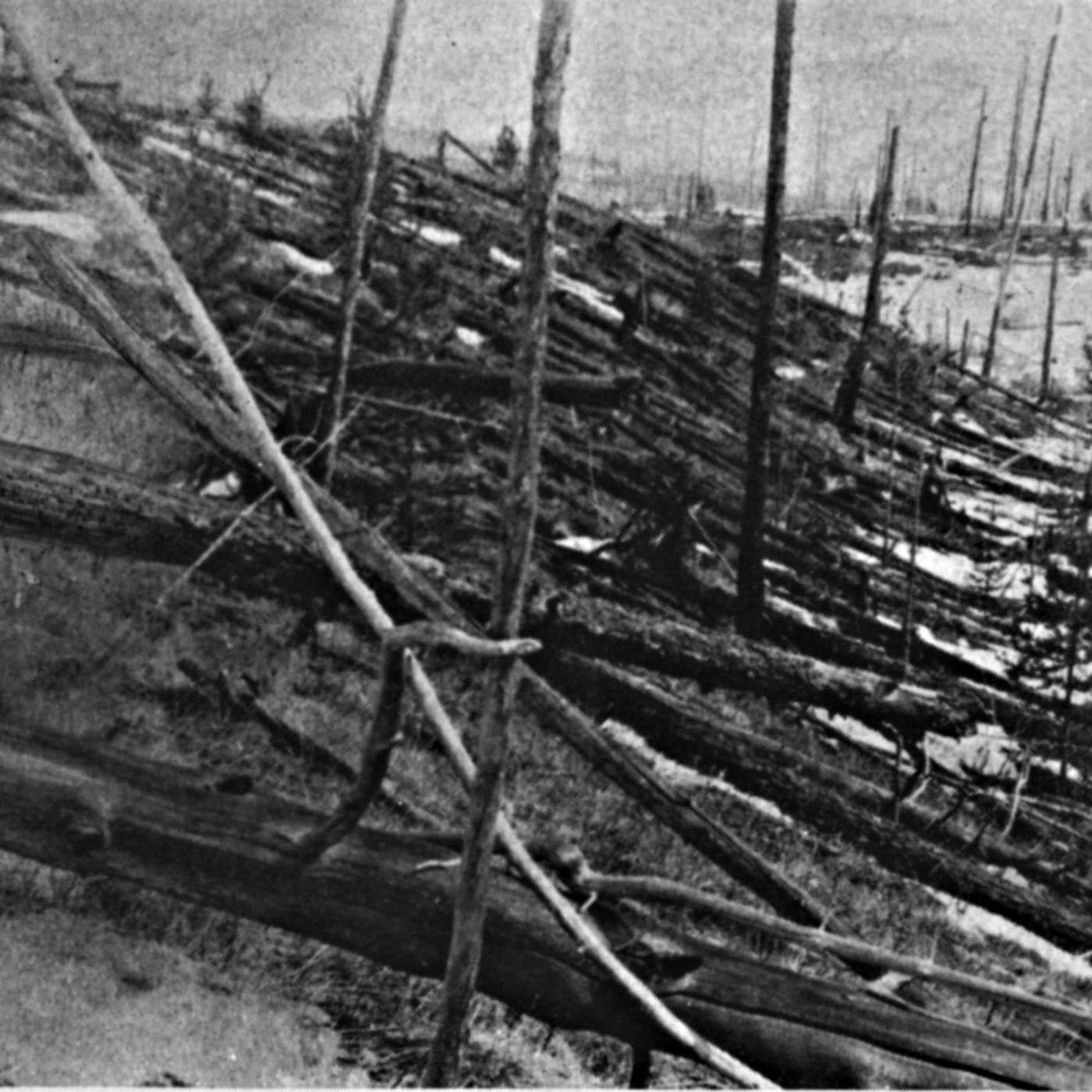
The Tunguska [ Tun·gu·ska] event occurred on June 30, 1908. It appears to have been caused by a small asteroid or comet which exploded 3-6 miles above the Earth's surface. It is the largest impact event in recorded histo…
517-Close Again [not-audio_url] [/not-audio_url]

Duration: 2:01
As asteroid hunters equipment and skills continue to improve we will be able to find and track some of these tiny impactors and perhaps be able to suggest where to find pieces of one of them on the ground.
4E-8-A Bad Day for the Dinosaurs [not-audio_url] [/not-audio_url]

Duration: 2:01
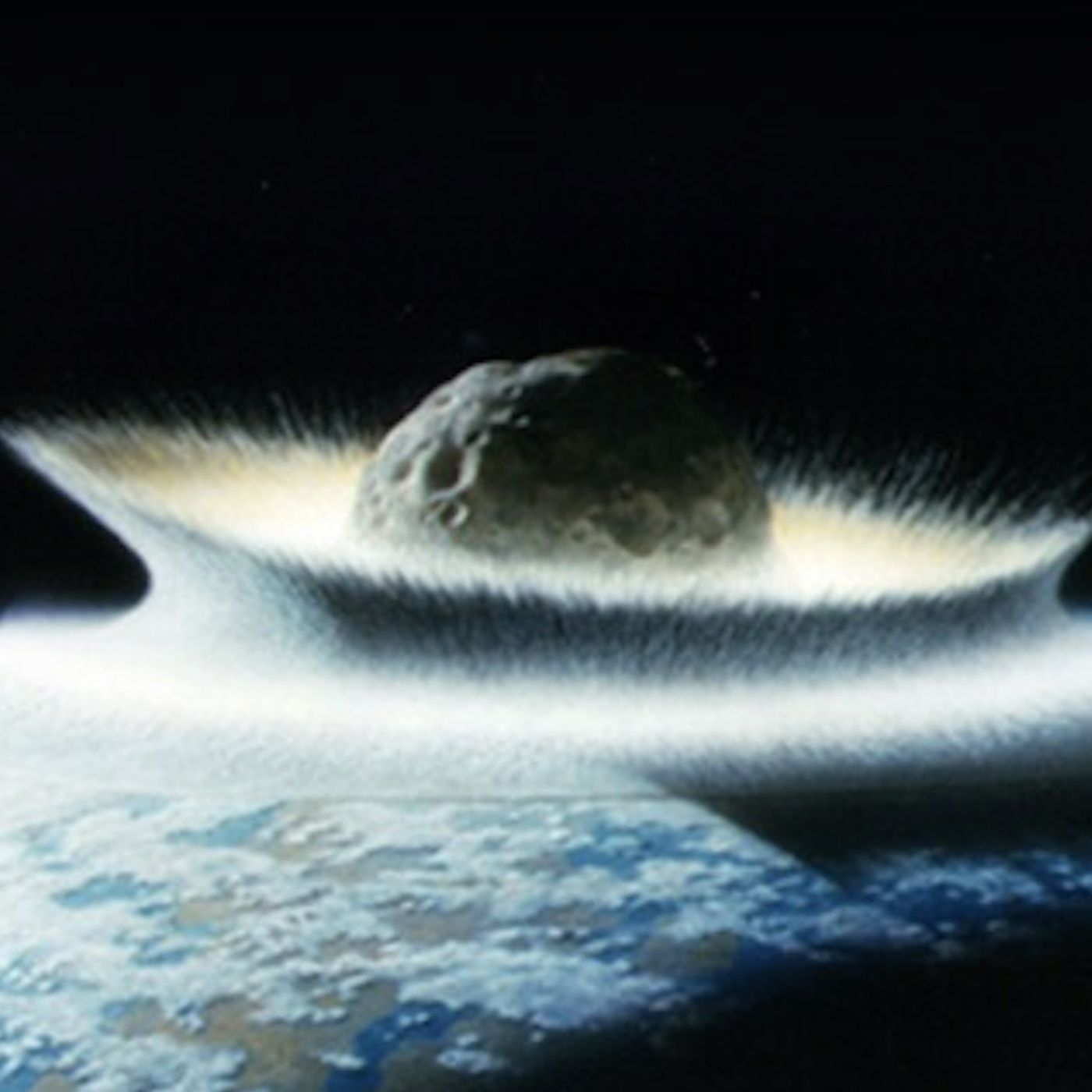
Scientific evidence suggests that it was a bad day for non-avian dinosaurs when a large asteroid or a comet crashed into the Earth about 66 million years ago. Some species, including mammals, flourished under the changed…
516-Space Weather [not-audio_url] [/not-audio_url]

Duration: 2:01
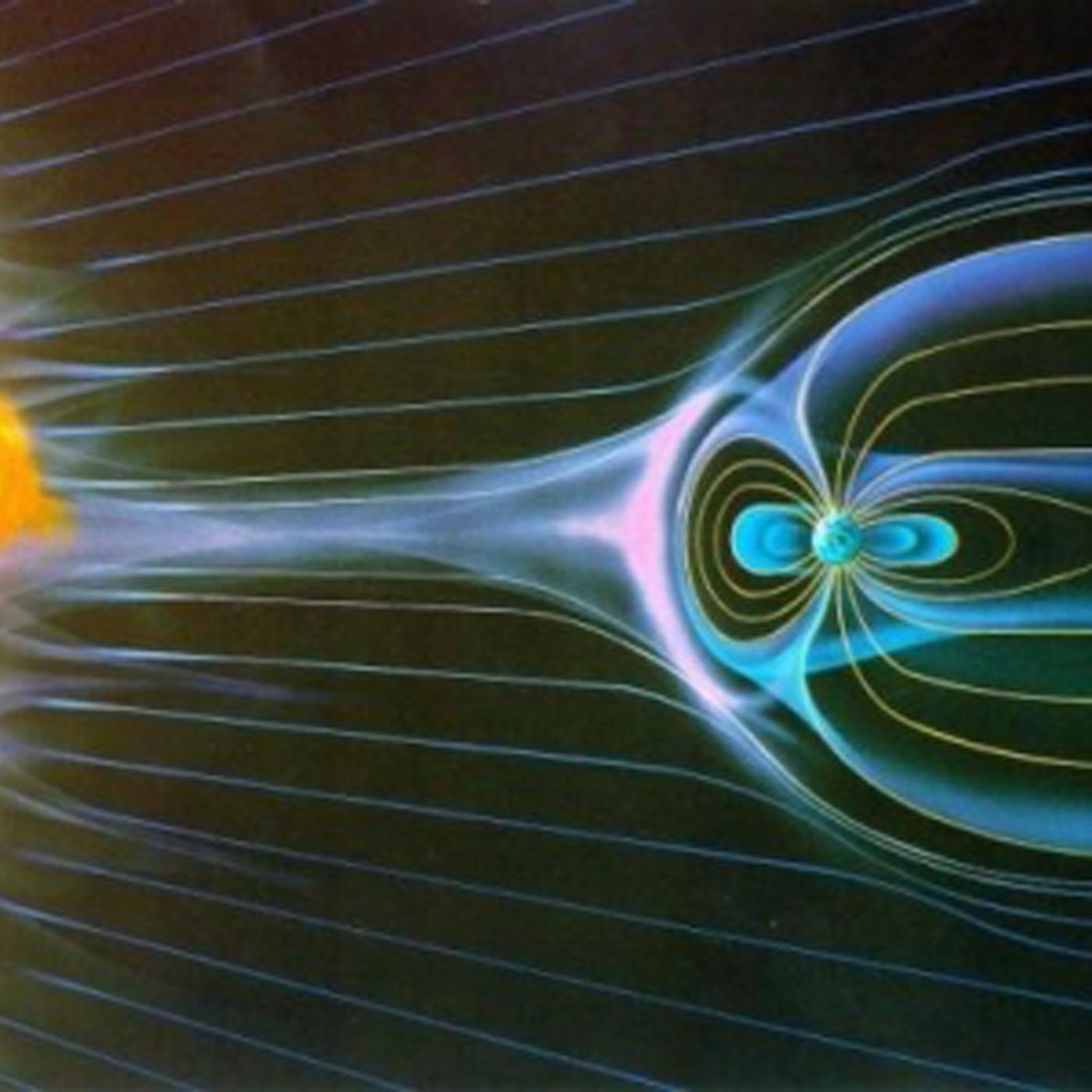
Space is not all that far away. If a powerful solar eruption in 2012 had happened a week earlier, the blast of radiation would have caused wide spread power blackouts disabling everything that plugs into a wall socket as…
3E-3-Finding Earth Approaching Objects [not-audio_url] [/not-audio_url]

Duration: 2:01
Using 2 telescopes near Tucson Arizona, the NASA funded, Catalina Sky Survey searches for Earth Approaching Objects. The method is to take 4 images of the same part of the sky spaced out over 45 minutes. These images are…
515-Dust Moons [not-audio_url] [/not-audio_url]

Duration: 2:01
The discovery of two large ghostly neighbors approximately 65,000 by 45,000 miles in size at the L4 and L5 sites approximately 250,000 miles from both the Earth and Moon.
2E-Voyager I's Baby Step [not-audio_url] [/not-audio_url]

Duration: 2:01
Looking into the sky on a clear-dark night, have you wondered what it would be like to travel in deep space?