379E-415-Well Done

379E-415-Well Done

Author: Albert D. Grauer March 10, 2026 Duration: 2:01
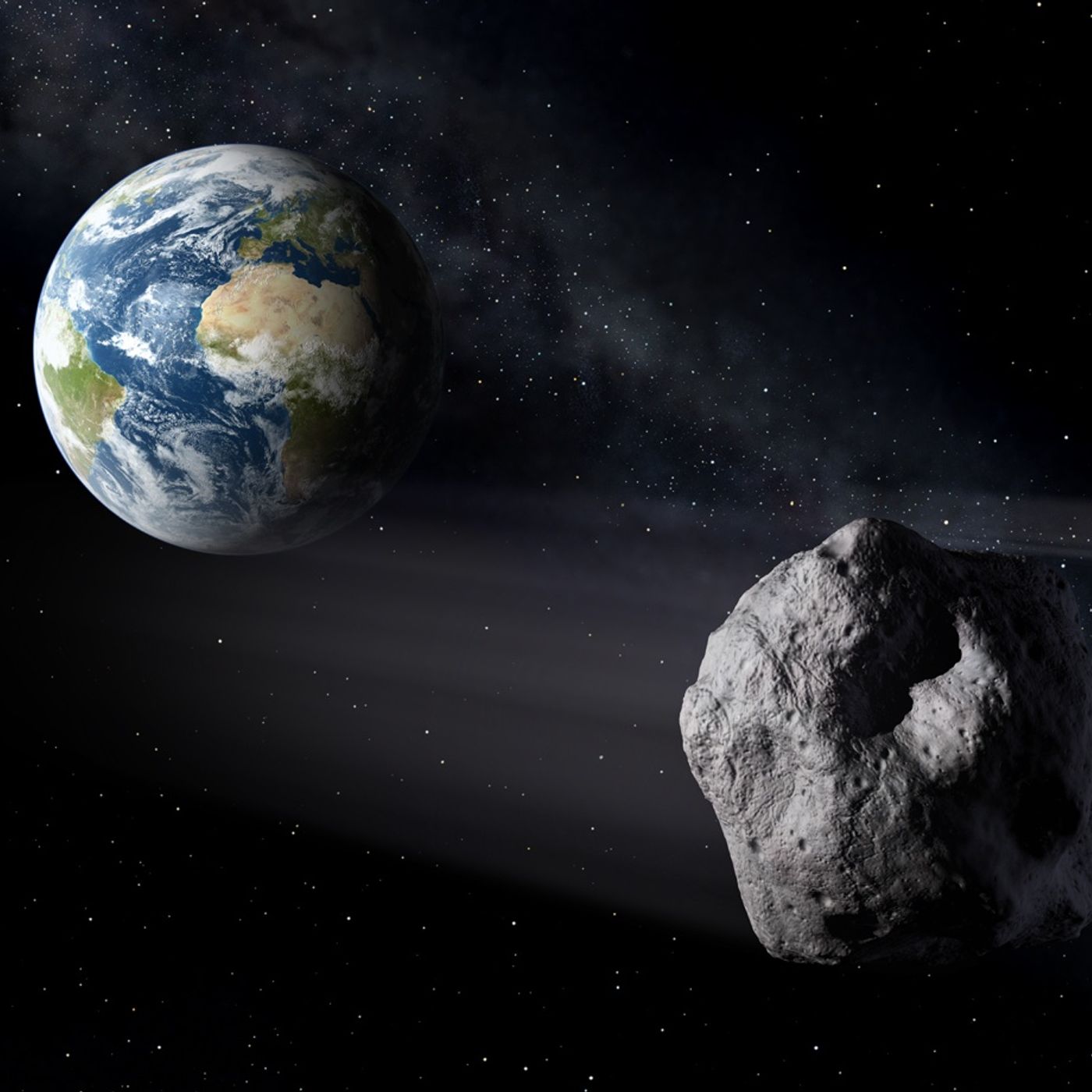
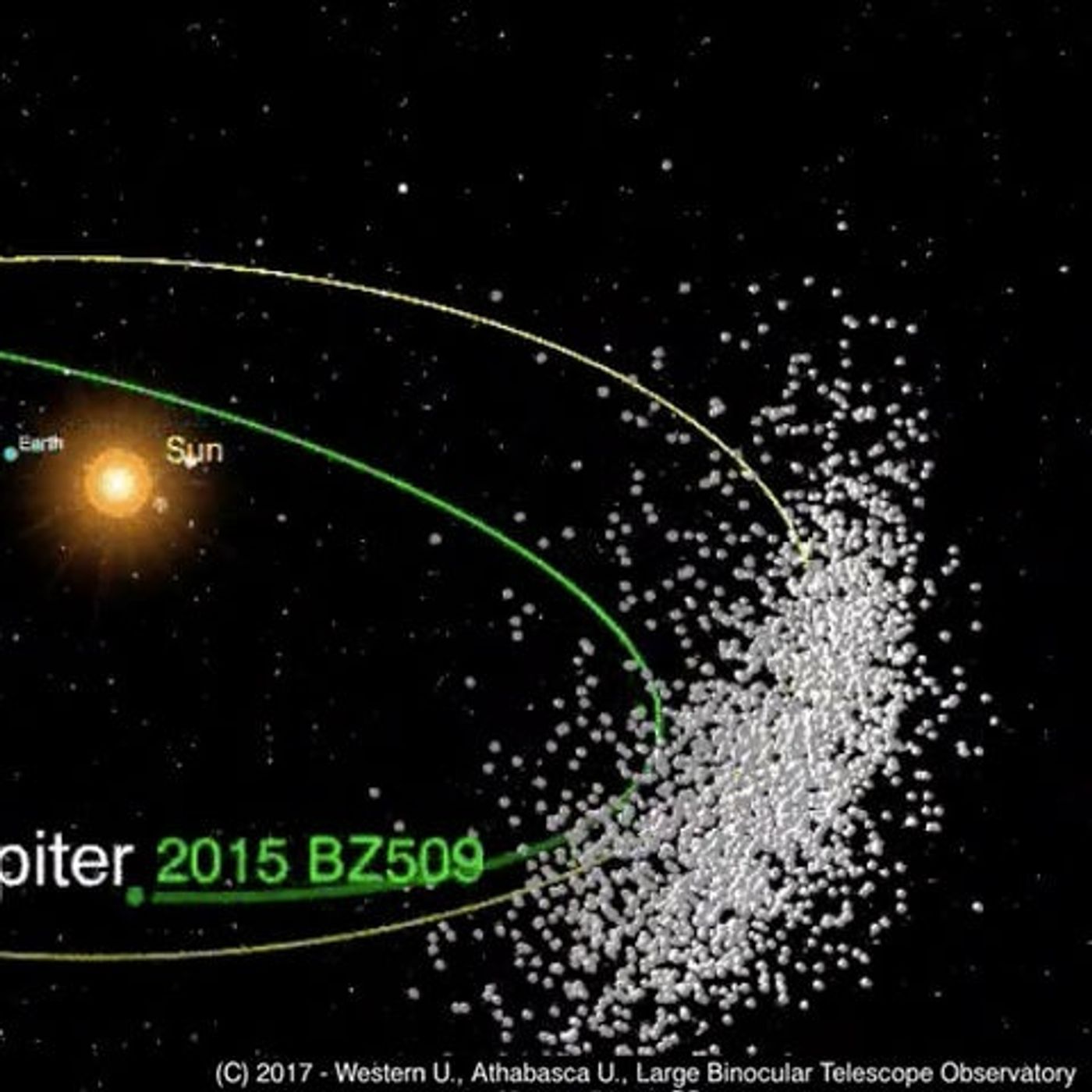
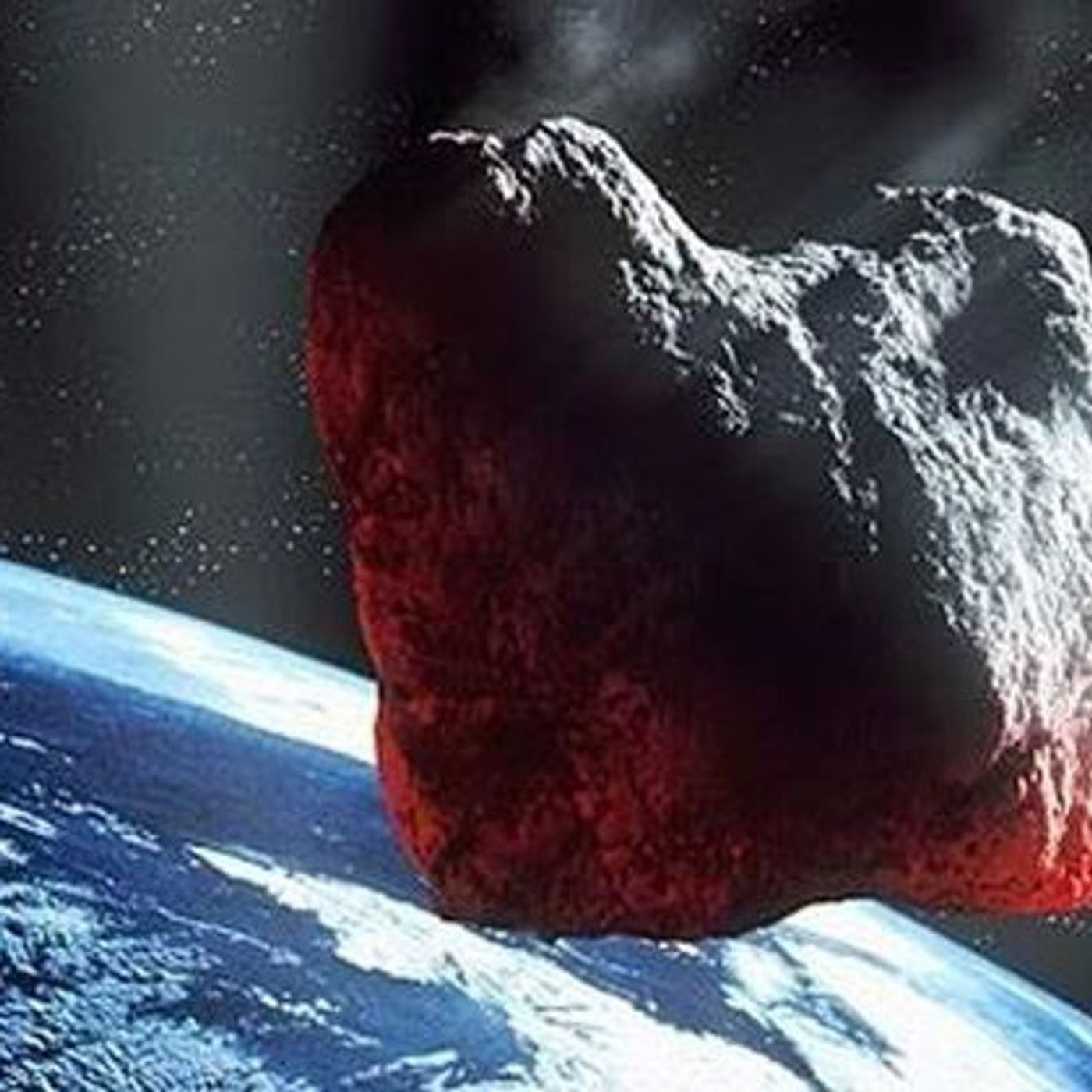
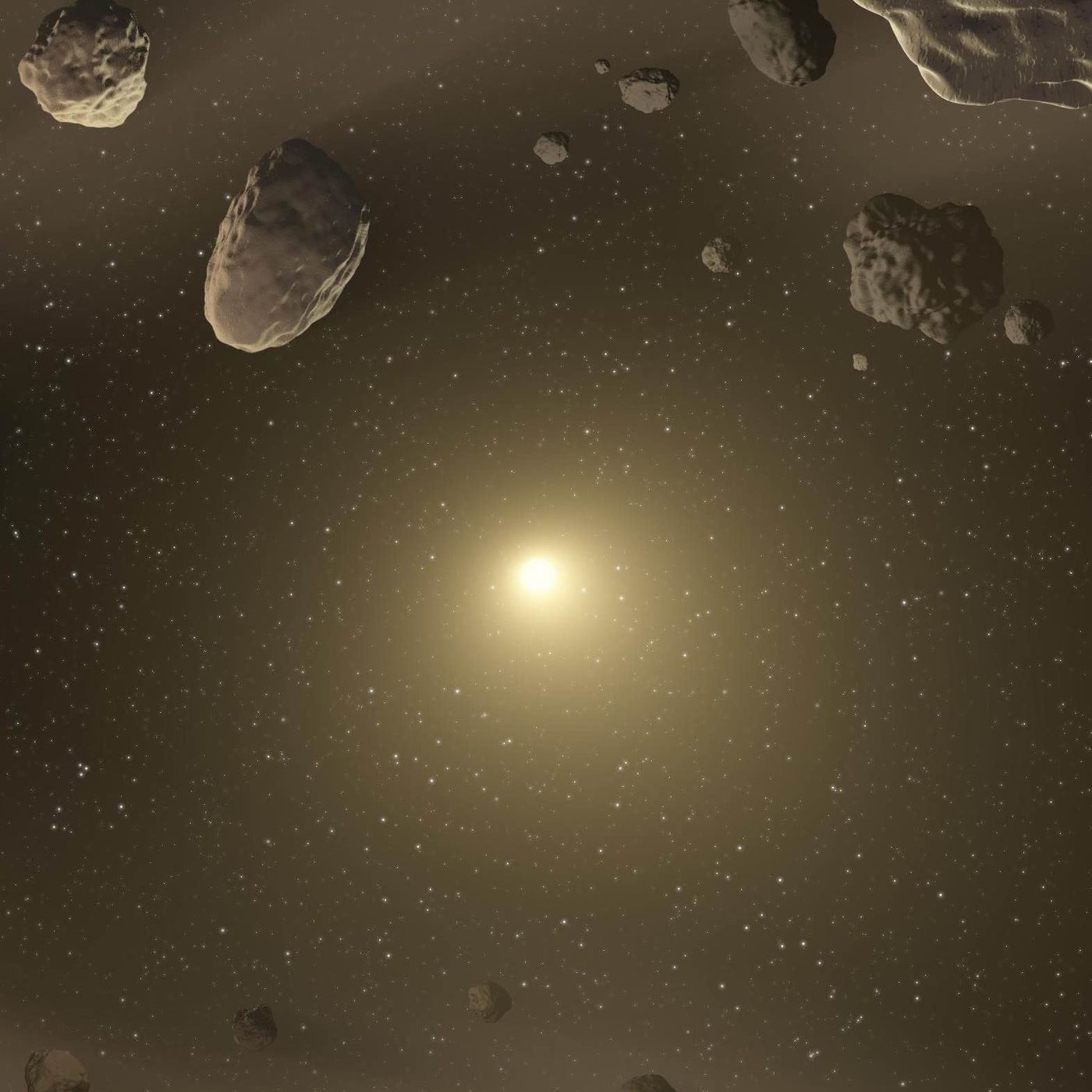
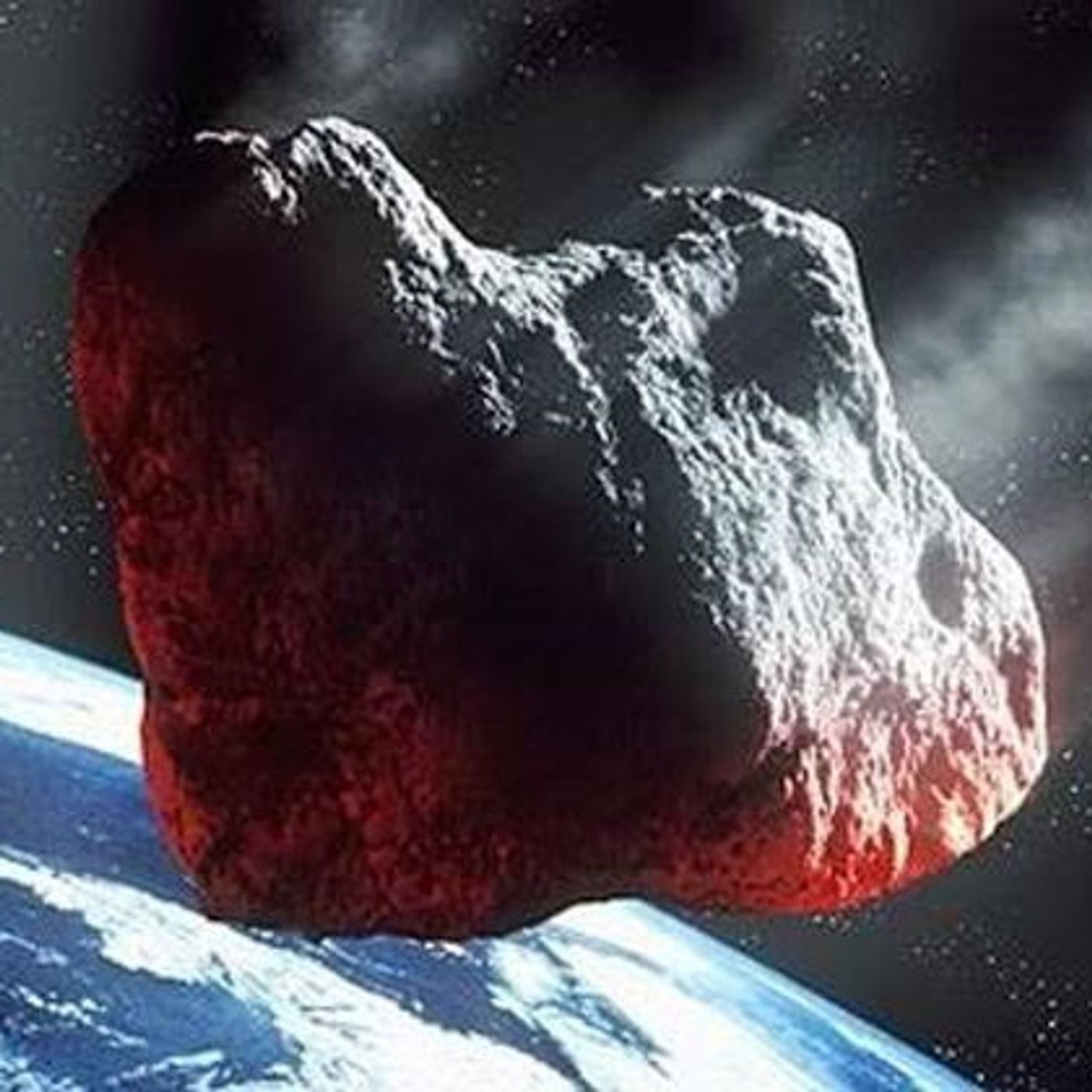
Once every 1,435 days , a 780 foot diameter space rock that my Catalina Sky Survey teammate Carson Fuls discovered makes an annihilation defying close approach to our star. At it's nearest point to the Sun, Carson's well done space rock is traveling at an amazing 93 miles per second and receives 26 times the amount of solar radiation that heats the surface of the planet Mercury to 800F. After Carson first discovered his heat resistant space rock traveling towards it's next hot date with the Sun, it was observed by telescopes in New Mexico, Arizona, Hawaii, and England. These data allowed scientists at the Minor Planet Center to calculate it's orbit around the Sun, estimate it's size, and give it the name 2017 TC1. 2017 TC1 crosses the orbits of Mars, Earth, Venus, and Mercury and can come relatively close to Jupiter on it's extremely elliptical orbit about the Sun. It is possible that in the very distant past the giant planet Jupiter's pull on 2017 TC1 sent it on it's current path around the Sun. In September of 2021, 2017 TC1 will once again be bright enough for asteroid hunters to track as it makes another close approach to our Sun. At this time astronomers with be able to measure the pattern of colors that 2017 TC1 reflects which will reveal it's surface chemical composition. Until then we are left to wonder how it is possible for a space rock to survive on such a harrowing path.

Each episode of Travelers In The Night feels like a quiet, personal conversation under a dark sky. Hosted by astronomer Dr. Albert D. Grauer, this podcast brings the distant cosmos into sharp, intimate focus. Dr. Grauer isn't just an observer; he's an active participant in the hunt, working with the Catalina Sky Survey team that has consistently discovered near-Earth asteroids for years. In these brief and engaging segments, you'll hear firsthand accounts of what it's like to track these ancient celestial travelers-the asteroids and comets that silently pass by our world. The discussions move beyond simple facts to explore the real-world implications of these discoveries, from planetary defense to the sheer wonder of our dynamic solar system. Accompanied by the contemplative music of John Lyell's "Eternity," each installment offers a moment of calm reflection on humanity's place in the universe. It’s a perfect blend of grounded science and cosmic curiosity, making complex astronomical concepts accessible and deeply fascinating. For anyone who has ever looked up and wondered what's out there moving in the dark, this podcast provides a direct line to the front lines of discovery.
Author: Language: English Episodes: 1000

Travelers In The Night
Podcast Episodes
354-Returnee [not-audio_url] [/not-audio_url]

Duration: 2:01
What had appeared as a solitary point of light returns to near Earth to reveal that it is two asteroids in a tight dance.
353-Backwards [not-audio_url] [/not-audio_url]

Duration: 2:01
A 2 mile diameter object bucks the solar system traffic by traveling in a direction backwards to all of the planets.
352-Worth Tracking [not-audio_url] [/not-audio_url]

Duration: 2:01
Asteroid Hunters Have Found A Very Large Potentially Close Approaching Space Rock.
351-Another Close One [not-audio_url] [/not-audio_url]

Duration: 2:01
Small Space Rocks Are Part of Our Environment.
350-Asteroid Defense [not-audio_url] [/not-audio_url]

Duration: 2:01
Earth approaching asteroids are part of our environment.
349-Big and Fast [not-audio_url] [/not-audio_url]

Duration: 2:01
Large dangerous asteroids can still appear out of nowhere.
348-16 [not-audio_url] [/not-audio_url]

Duration: 2:01
A snap shot of the kinds of objects which constantly streak past our Earth.
347-Your Space Rock [not-audio_url] [/not-audio_url]

Duration: 2:01
Holding an object older than any other rock on the ground which is billions of years old and has traveled an unimaginable distance to be with you will be your payoff.
346-Arctic Ice [not-audio_url] [/not-audio_url]

Duration: 2:01
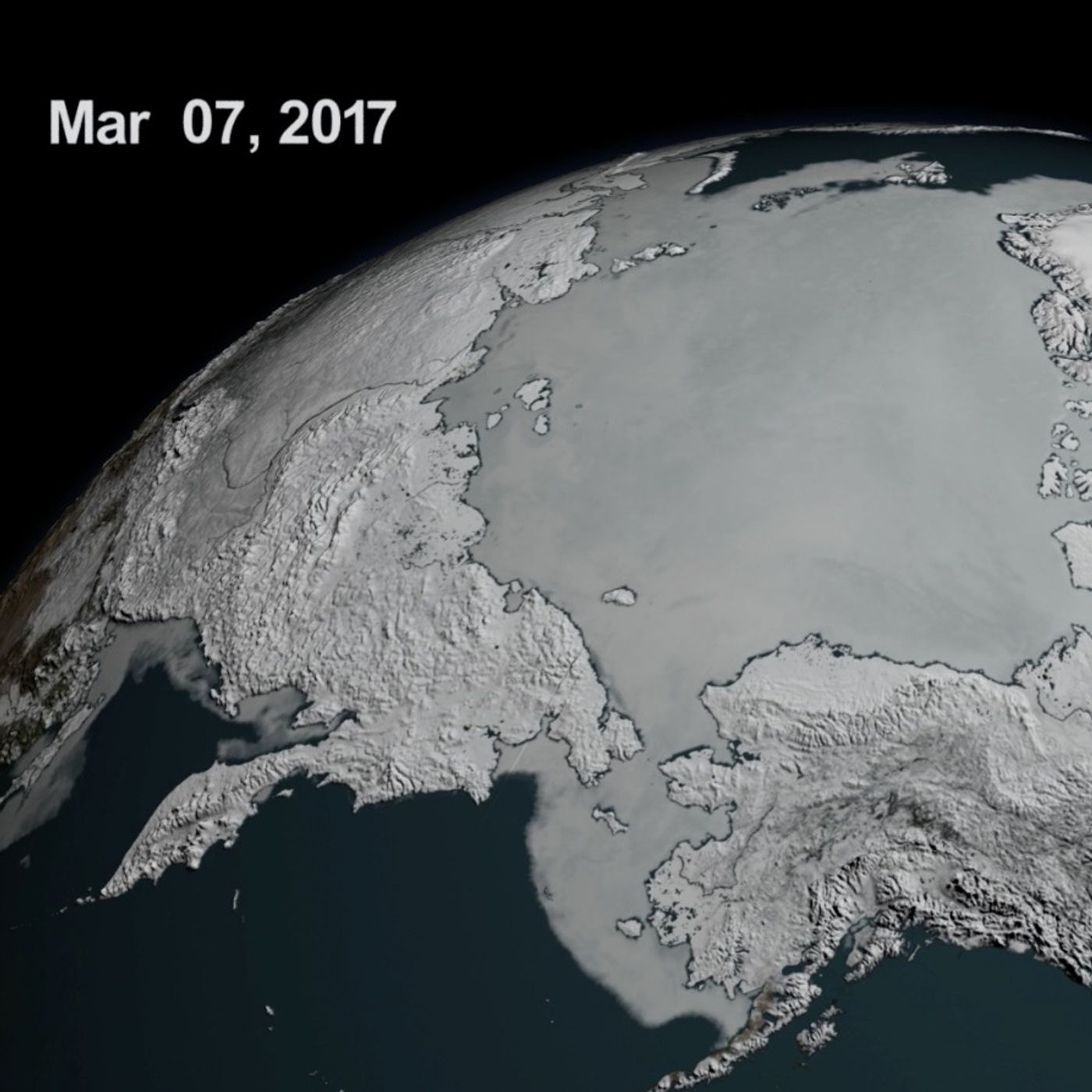
The polar ice caps are the smallest in recorded history. Get Ready for wild weather.
345-364days [not-audio_url] [/not-audio_url]

Duration: 2:01
Interesting objects are zipping by us.