380E-416-Odd Ball

380E-416-Odd Ball

Author: Albert D. Grauer March 17, 2026 Duration: 2:01
The orbits of the planets are closely aligned with the extension of the Sun's equator into space and are contained within the flattened disk of material which forms the plane solar system. Most asteroids have orbits with inclinations or tilts to the solar system's plane which are less than 20 degrees. Thus, when my Catalina Sky Survey teammate Rose Matheny discovered a small space rock which soars into the lonely space high above and below our solar system's plane, it got our attention. As with all of our asteroid discoveries, Rose had no idea of what kind of object she had discovered with our Schmidt Telescope on Mt. Bigelow, Arizona until it had been tracked by observers around the world. The Minor Planet Center used the data from 14 different telescopes to calculate an orbit, estimate a size, and give the new object the name, 2017 TF4. Rose's odd ball near Earth Apollo asteroid discovery , 2017 TF4, has an orbit which is tilted by 60 degrees to the plane of our solar system. It's inclination or tilt is greater than 99.5% of the other 8,000 known Earth approaching Apollo asteroids. 2017 TF4, Rose's 260 foot diameter discovery orbits the Sun at about the same distance as the Earth once every 414 days. Perhaps as asteroid hunters discover additional small objects with orbits similar to Rose's discovery we will be able to trace them back to when they were created by a catastrophic collision long ago.

Each episode of Travelers In The Night feels like a quiet, personal conversation under a dark sky. Hosted by astronomer Dr. Albert D. Grauer, this podcast brings the distant cosmos into sharp, intimate focus. Dr. Grauer isn't just an observer; he's an active participant in the hunt, working with the Catalina Sky Survey team that has consistently discovered near-Earth asteroids for years. In these brief and engaging segments, you'll hear firsthand accounts of what it's like to track these ancient celestial travelers-the asteroids and comets that silently pass by our world. The discussions move beyond simple facts to explore the real-world implications of these discoveries, from planetary defense to the sheer wonder of our dynamic solar system. Accompanied by the contemplative music of John Lyell's "Eternity," each installment offers a moment of calm reflection on humanity's place in the universe. It’s a perfect blend of grounded science and cosmic curiosity, making complex astronomical concepts accessible and deeply fascinating. For anyone who has ever looked up and wondered what's out there moving in the dark, this podcast provides a direct line to the front lines of discovery.
Author: Language: English Episodes: 1000

Travelers In The Night
Podcast Episodes
358E-389-Tiny Spacecraft [not-audio_url] [/not-audio_url]

Duration: 2:01
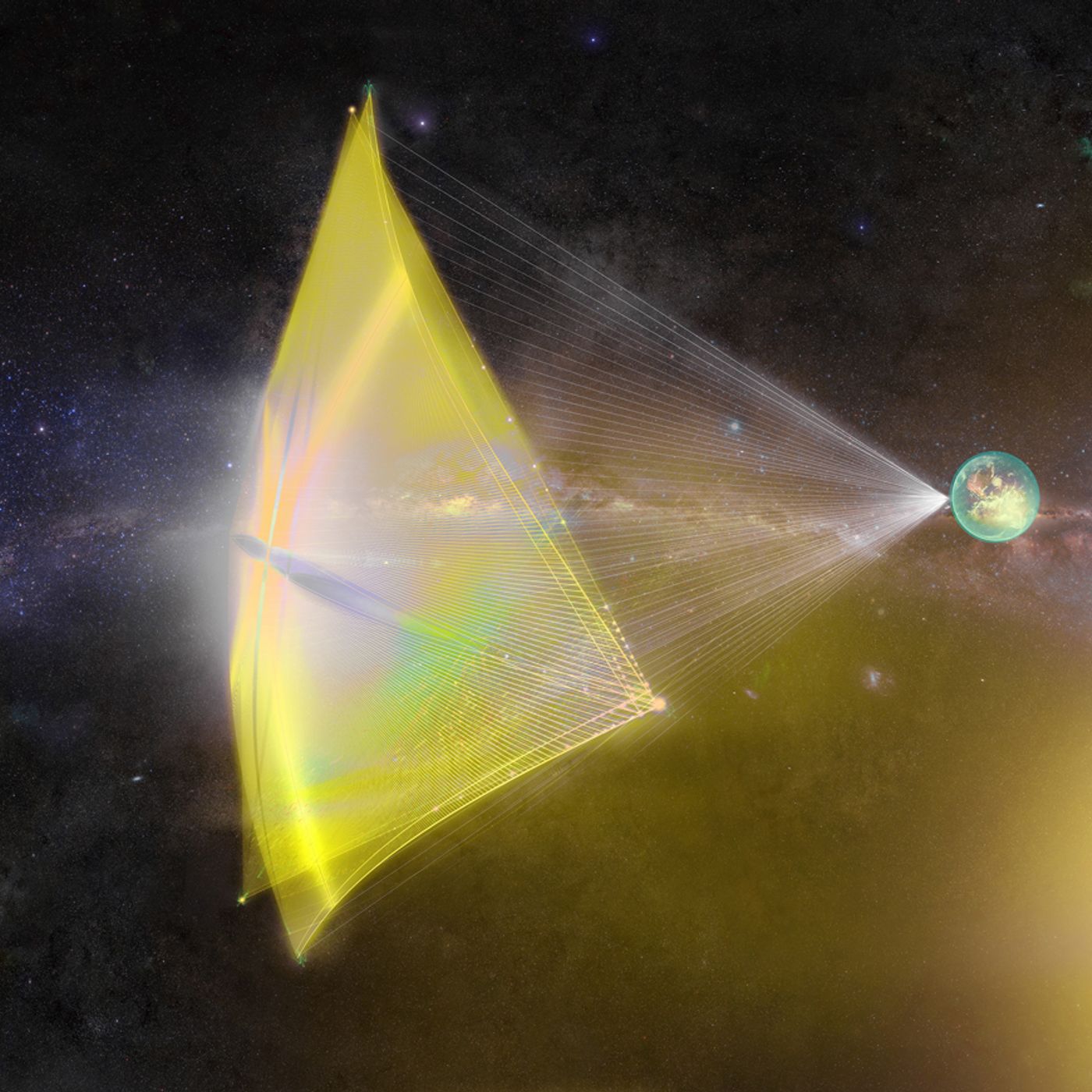
To reach the vicinity of the nearest star, 24 trillion miles away, in less than 20 years, an interstellar space probe would have to travel at a substantial fraction of the speed of light. Newton's laws of motion, publish…
870-Satellite Ashes [not-audio_url] [/not-audio_url]

Duration: 2:01
50 years ago scientists found that Chlorofluorocarbons or CFC chemicals in widespread use in refrigeration, air conditioning , and hair spray were beginning to damage the ozone layer in the Earth’s stratosphere which blo…
357E-388-40 years [not-audio_url] [/not-audio_url]

Duration: 2:01
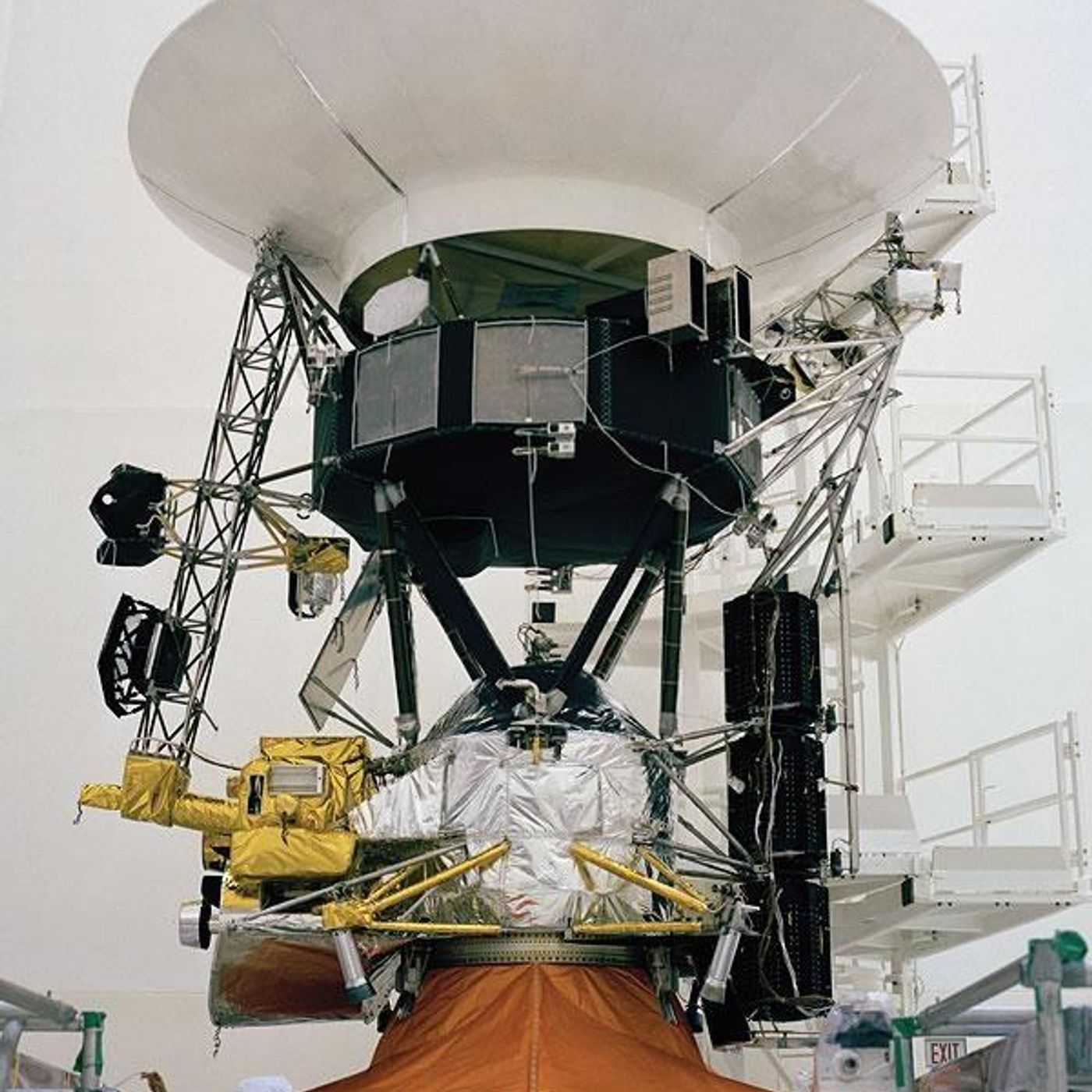
Looking at the stars on a clear dark night, far from the artificial air glow humanity creates, have you ever wondered what it would be like to travel in truly deep interstellar space? 40 years after their launches in 197…
869-Taurid Resonant Swarm [not-audio_url] [/not-audio_url]

Duration: 2:01
The planets, millions of asteroids, tens of thousands of comets, distant icy worlds, and countless other bits and pieces of material orbit the Sun. A group of such co-orbiting objects is called the Taurid complex or swar…
356E-386-Interplanetary Sand Traps [not-audio_url] [/not-audio_url]

Duration: 2:01
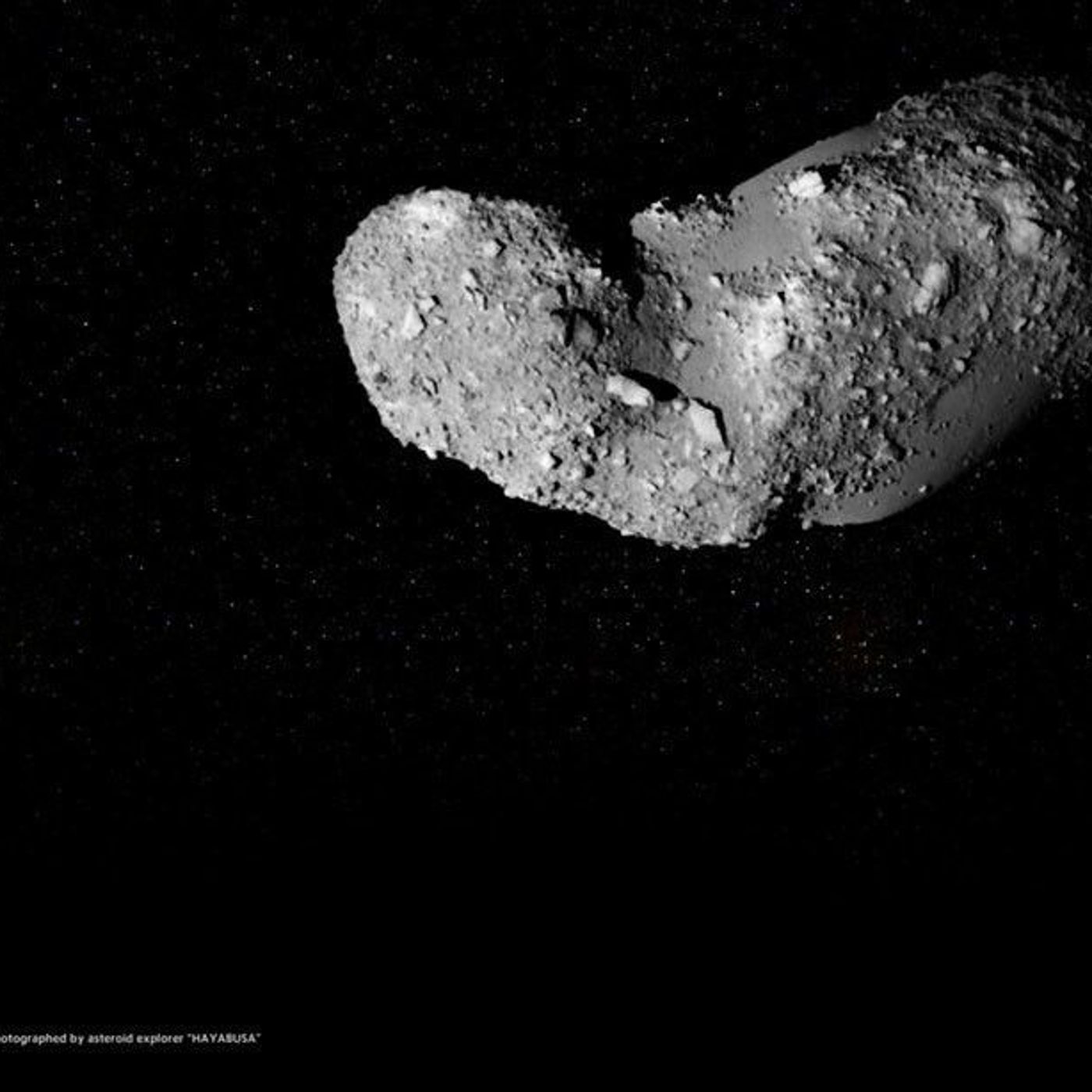
When the Japanese spacecraft Hayabusa [Hi ya Boo sa] visited the near Earth asteroid Itokawa in 2005 it found this 2000 foot by 800 foot elliptical world to have a variety of surface features. Instead of being a solid ob…
868-Inside Venus [not-audio_url] [/not-audio_url]

Duration: 2:01
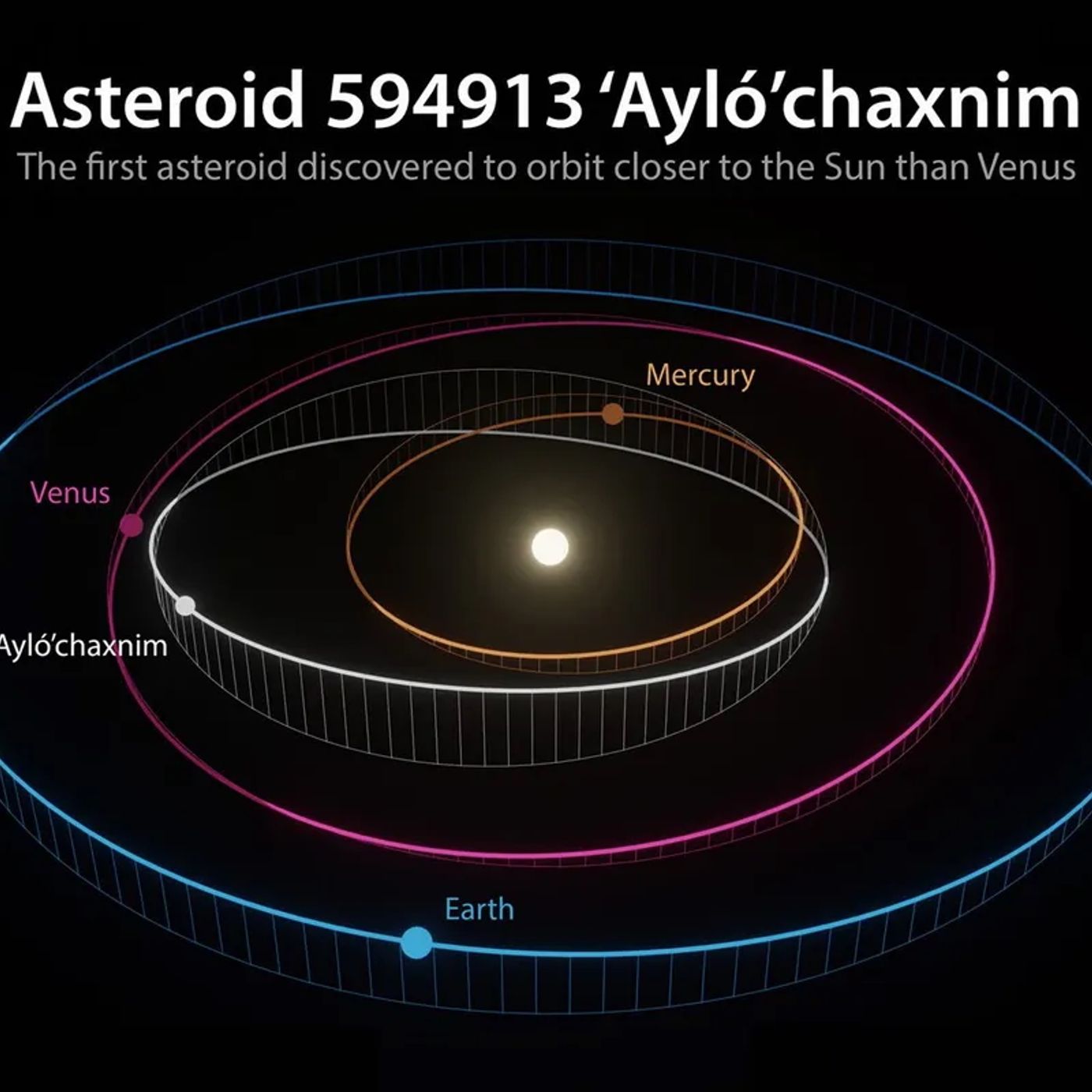
Astronomers have discovered some 1.4 million asteroids. Approximately 35,000 of these space rocks come near Earth. Less than 40 of them are classified as being Atira asteroids whose orbits lie entirely within the Earth’s…
355E-383-Moon Water [not-audio_url] [/not-audio_url]

Duration: 2:01
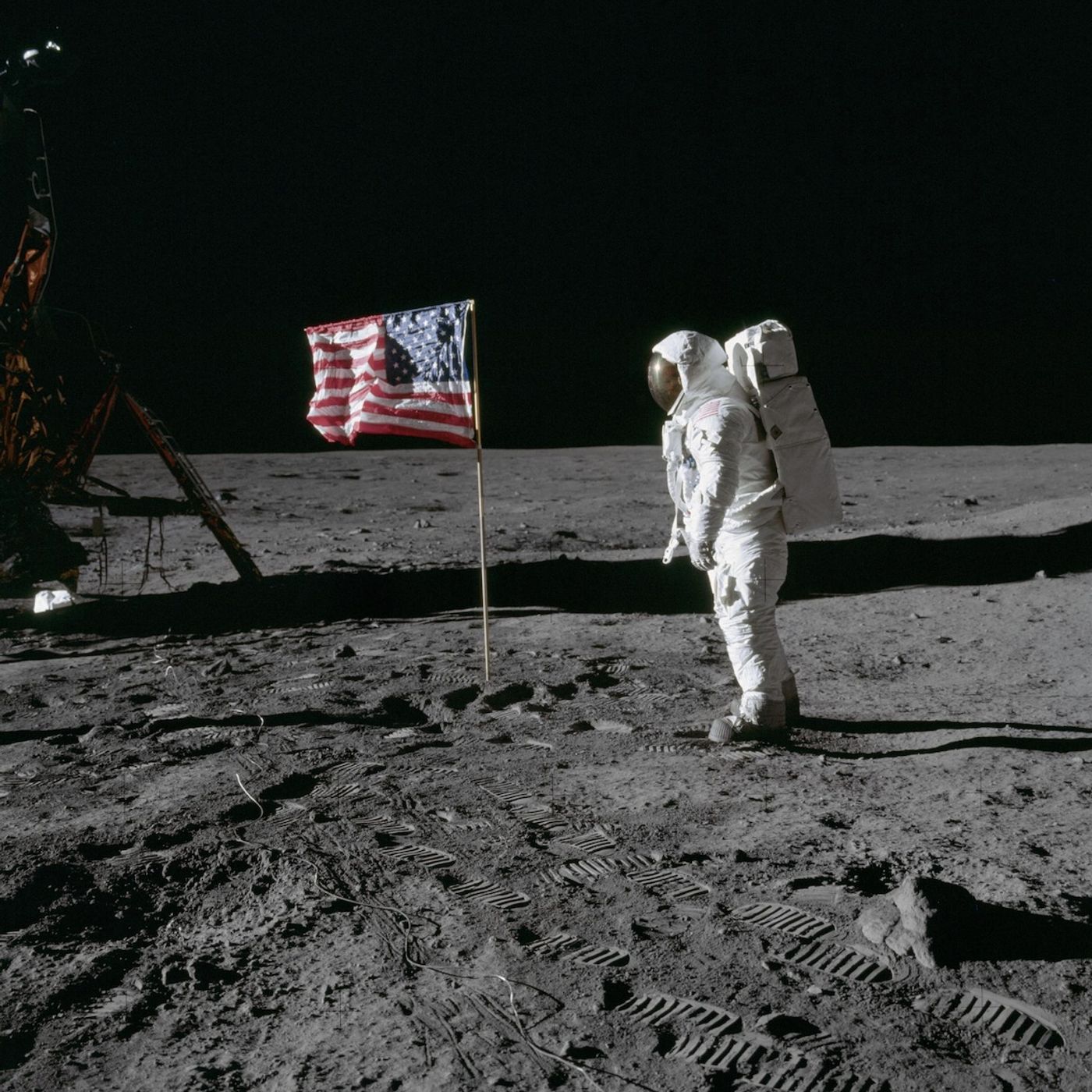
The lunar roving, battery powered, 4 wheel drive "Moon Buggy" allowed astronauts on Apollo 15, 16, and 17 to travel 8 mph on the lunar surface with a maximum range of approximately 4.7 mi. Some of the rocks that these sp…
867-Daytime Fireball [not-audio_url] [/not-audio_url]

Duration: 2:01
Dr. Bill Cooke of NASA’s Meteoroid Environment Office reports that on June 26, 2025 shortly after noon a beachball sized meteoroid traveling at approximately 30,000 miles per hour broke up about 27 miles above the town o…
354E-382-Martian Debris [not-audio_url] [/not-audio_url]

Duration: 2:01
Martian Trojan asteroids have stable orbits around the Sun, leading and trailing the red planet by 60 degrees, where the Sun's and Mars's gravity are balanced. For some time astronomers have considered it unlikely that t…
866-Interstellar Visitor [not-audio_url] [/not-audio_url]

Duration: 2:01
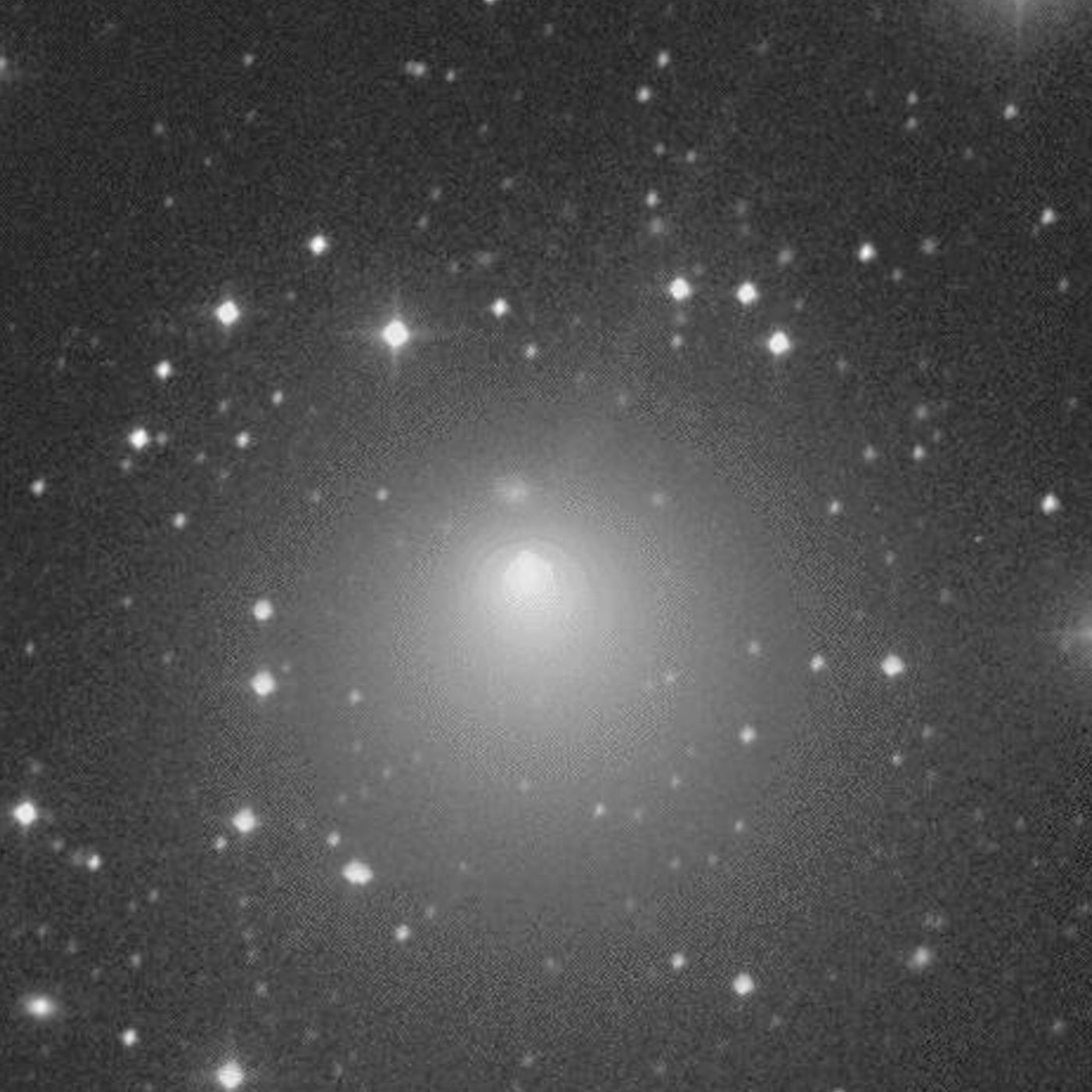
Amazingly, nature occasionally sends an interstellar traveler through our solar system for us to observe. The third such object that astronomers have discovered coming into our solar system from truly deep space is 3I/AT…