381E-417-Red Dwarf Planets

381E-417-Red Dwarf Planets

Author: Albert D. Grauer March 24, 2026 Duration: 2:01
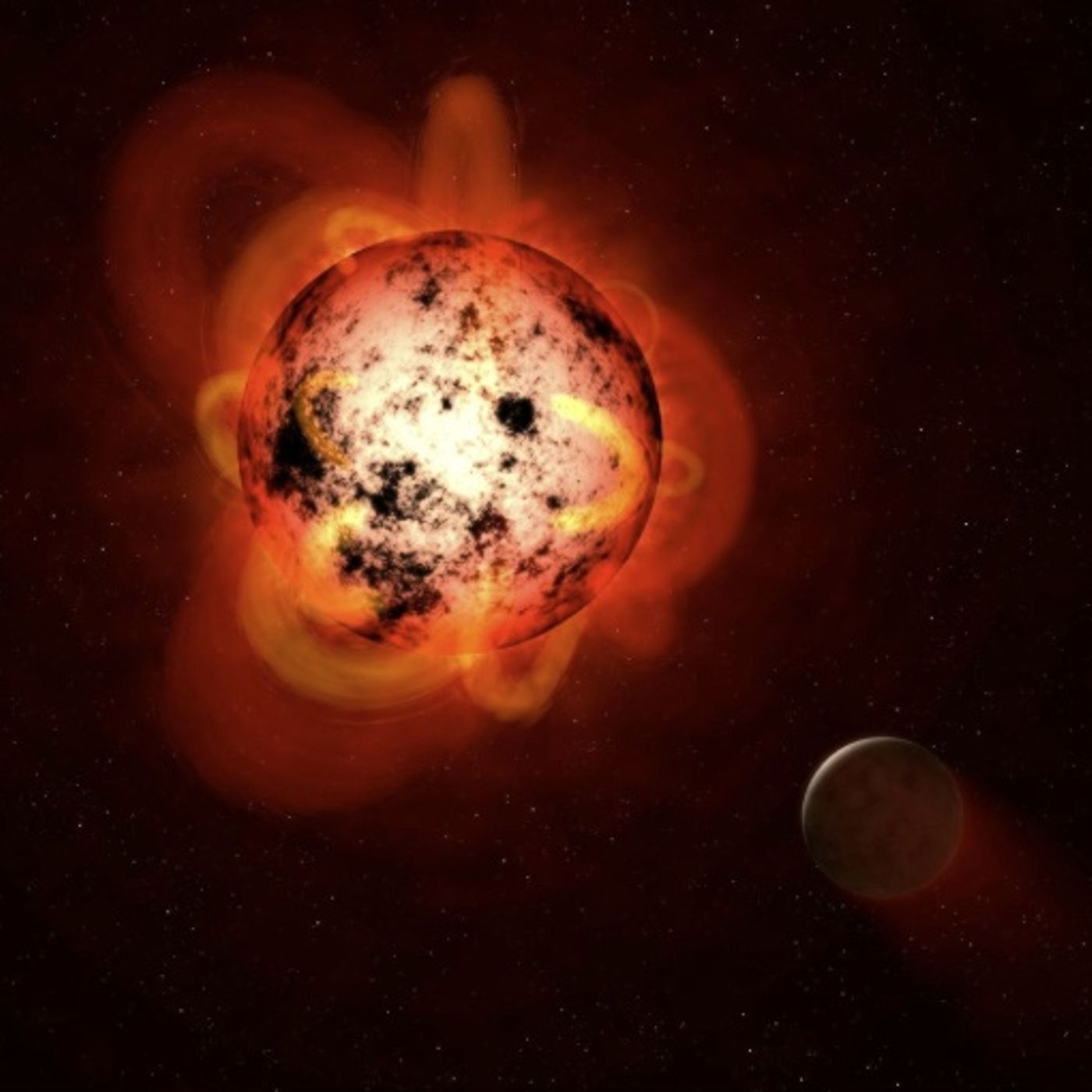
Astronomers continue to be delighted when they discover an Earth sized planet. Scientists were thus very disappointed when the red dwarf star hosting the nearest such planet, Proxima b some 4.2 light years away, turns out to have the nasty habit of emitting bursts of radiation which are likely to sterilize and/or remove the atmospheres of it's family of planets. Recently, hope of finding a nearby Earth was rekindled when scientists at the European Southern observatory in Chile discovered a small planet circling what appears to be a quiet well behaved red dwarf star 11 light years from us. Astronomers are not yet sure that this newly discovered Earth sized planet lies within it's stars habitable zone where liquid water could exist on it's surface. Jumping the gun, ET enthusiasts have beamed a friendly message in the direction of another nearby red dwarf planet system. Their target the super Earth planet, GJ 273b is located some 12.4 light years away near the bright star Sirius in the constellation of Canis Major. At this distance a civilization on GJ 273b could have already received a picture of humanity by deciphering 'I love Lucy' and other TV signals it has been picking up for 50 years or so. The next generation of very large telescopes will allow astronomers to search for the presence of oxygen and other molecules which indicate the presence of life in the atmospheres of nearby worlds. In the mean time we have more reasons to be thankful for what we have here on planet Earth. For Travelers in the Night this is Dr. Al Grauer. Go to travelersinthenight.org program 417 for more information.

Each episode of Travelers In The Night feels like a quiet, personal conversation under a dark sky. Hosted by astronomer Dr. Albert D. Grauer, this podcast brings the distant cosmos into sharp, intimate focus. Dr. Grauer isn't just an observer; he's an active participant in the hunt, working with the Catalina Sky Survey team that has consistently discovered near-Earth asteroids for years. In these brief and engaging segments, you'll hear firsthand accounts of what it's like to track these ancient celestial travelers-the asteroids and comets that silently pass by our world. The discussions move beyond simple facts to explore the real-world implications of these discoveries, from planetary defense to the sheer wonder of our dynamic solar system. Accompanied by the contemplative music of John Lyell's "Eternity," each installment offers a moment of calm reflection on humanity's place in the universe. It’s a perfect blend of grounded science and cosmic curiosity, making complex astronomical concepts accessible and deeply fascinating. For anyone who has ever looked up and wondered what's out there moving in the dark, this podcast provides a direct line to the front lines of discovery.
Author: Language: English Episodes: 1000

Travelers In The Night
Podcast Episodes
348E-371-2 Headed Space Worm [not-audio_url] [/not-audio_url]

Duration: 2:01
Humans are moving towards a day when there are space colonies in orbit, on the Moon, and the planet Mars, places where the force of gravity ranges between zero and 38% of what we experience every day. What effect will su…
860-Worlds Largest Solar Telescope [not-audio_url] [/not-audio_url]

Duration: 2:01
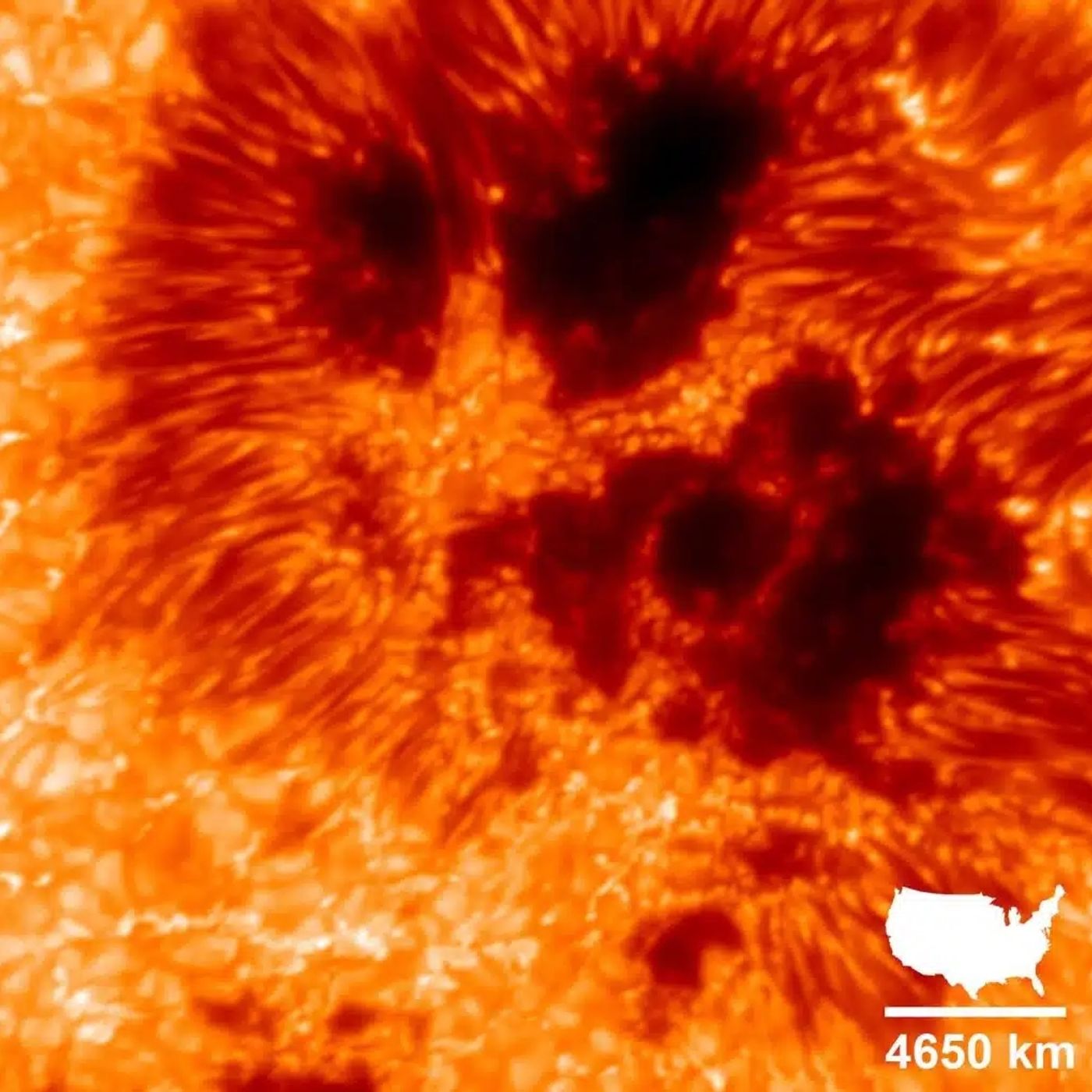
The US National Science Foundation’s Daniel K. Inouye Solar Telescope is the worlds largest solar telescope. It is perched 10,000 feet above sea level on the top of Haleakalā on the Hawaiian island Maui. Its location and…
347E-370-Life's Parts [not-audio_url] [/not-audio_url]

Duration: 2:01
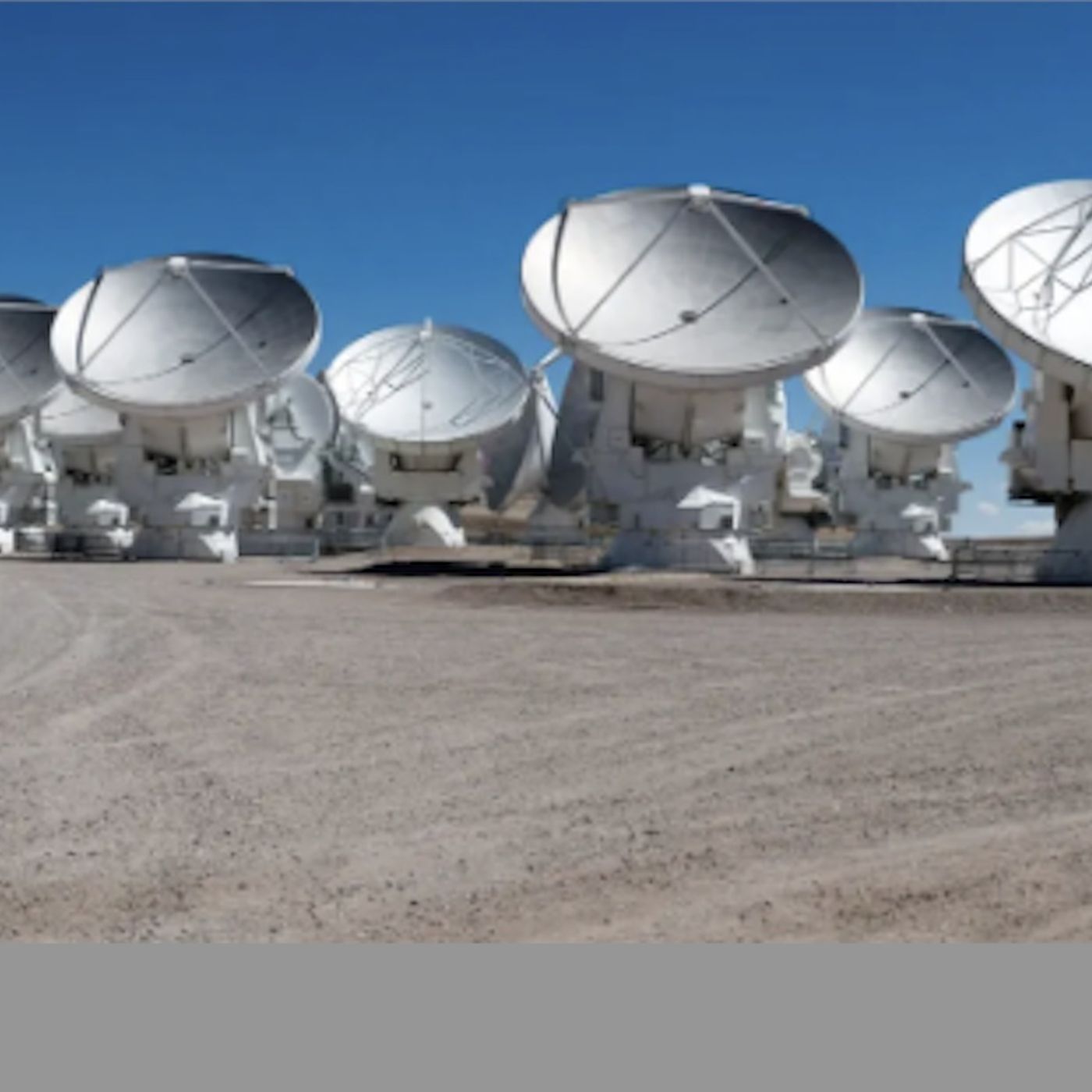
24 hours a day, 16,600 feet above sea level in the high dry desert of northern Chile, the 66 antennas of 1.4 billion dollar Atacama Large Millimeter/submillimeter Array or ALMA receives signals located between the infrar…
859-Powerful Solar Storm [not-audio_url] [/not-audio_url]

Duration: 2:01
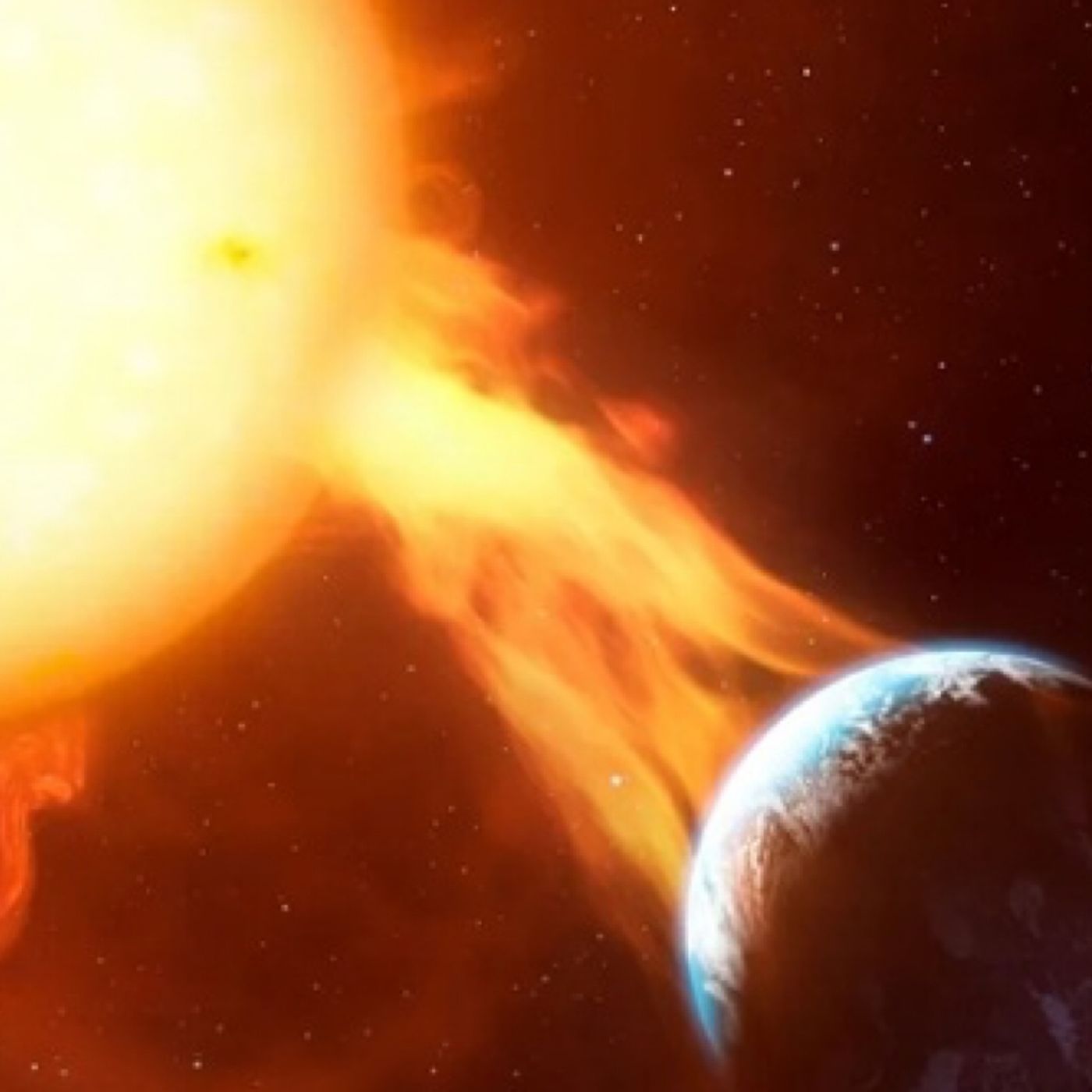
After the Earth the Sun is the most important object for human beings in the Universe. It is the energy source which produces our food and is the source for all of the energy and motion around us except for geothermal an…
346E-369-Finding Treasure [not-audio_url] [/not-audio_url]

Duration: 2:01
The energy required to lift water, food, and construction materials from the Earth's surface is very expensive. Asteroids come relatively close to Earth and could provide space colonists with metals, carbon, water, and t…
858-Vanishing Dark and Quiet [not-audio_url] [/not-audio_url]

Duration: 2:01
Sadly humans seem to be in the process of creating a cosmic land fill which will blot out much of the cosmos.
345E-368-Asteroid Alert [not-audio_url] [/not-audio_url]

Duration: 2:01
When Asteroid hunters discover a new object it is given a score ranging from 0 which means it is likely to be a distant main belt asteroid up to 100 which means that it is likely to come near to us. Each newly discovered…
857-Gila Cliff Dwellings [not-audio_url] [/not-audio_url]

Duration: 2:01
Recently my Catalina Sky Survey teammate Dr. Hannes Gröller and I traveled to the Gila Cliff Dwellings National Monument to install two night sky meters which will enable this wonderful national treasure to become an int…
344E-367-Future Impactor [not-audio_url] [/not-audio_url]

Duration: 2:01
My Catalina Sky Survey teammate Carson Fuls discovered a 33 foot diameter asteroid which has about a 1.1% chance of impacting the Earth on 569 encounters with our planet between 2045 and 2116. Its name is 2017 LD. It is…
856-Big One [not-audio_url] [/not-audio_url]

Duration: 2:01
My Catalina Sky Survey teammate Vivian Carvajal was asteroid hunting in the constellation of Cepheus with our small but mighty Schmidt telescope on Mt. Bigelow, Arizona when she discovered 2025 JB1.Fortunately on its cur…