394-Tiny Beasts

394-Tiny Beasts

Author: Albert D. Grauer October 17, 2017 Duration: 2:01
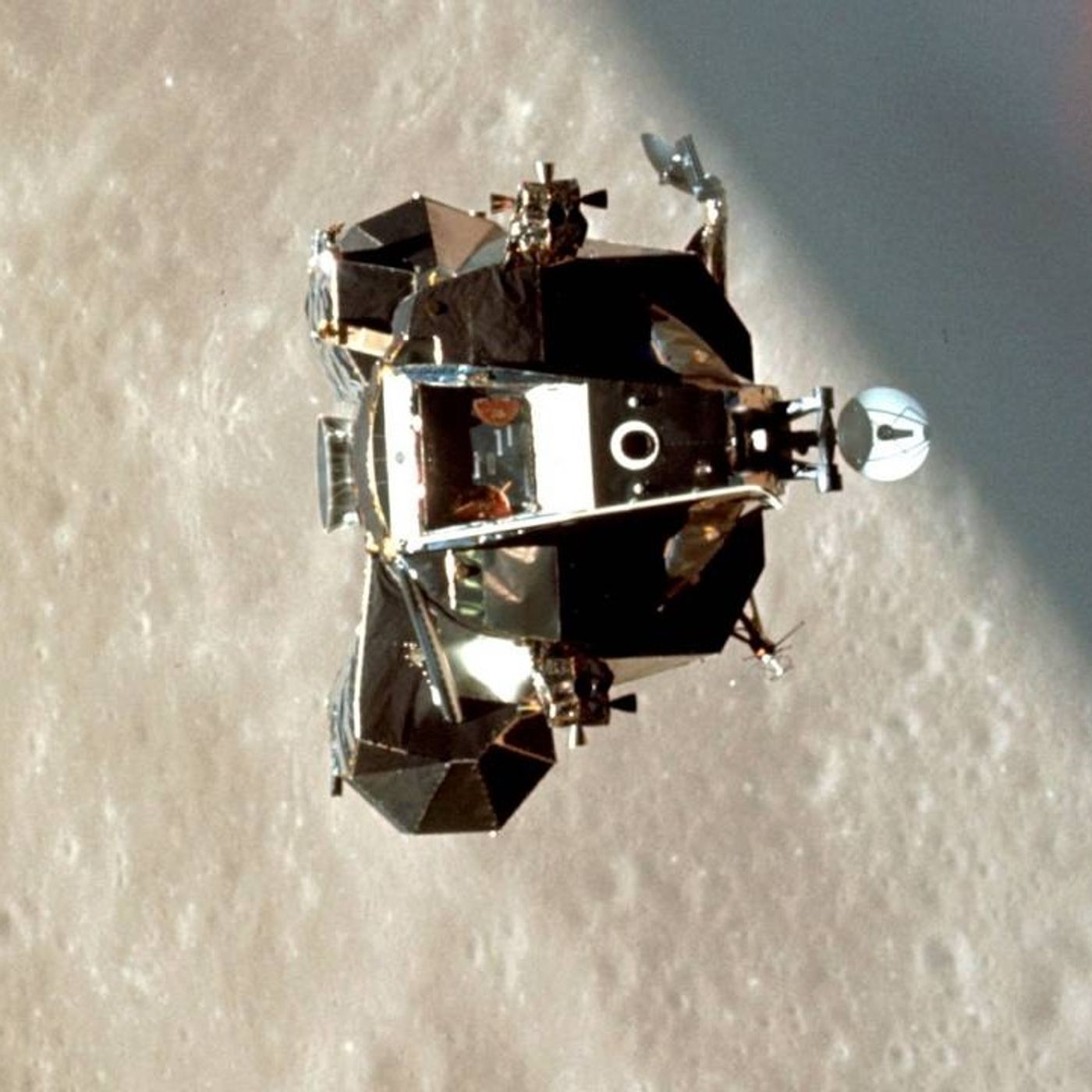
A partnership with yeast and algae will enable spacefaring humans to use their waste products to produce food and plastics during long duration space flights.

Each episode of Travelers In The Night feels like a quiet, personal conversation under a dark sky. Hosted by astronomer Dr. Albert D. Grauer, this podcast brings the distant cosmos into sharp, intimate focus. Dr. Grauer isn't just an observer; he's an active participant in the hunt, working with the Catalina Sky Survey team that has consistently discovered near-Earth asteroids for years. In these brief and engaging segments, you'll hear firsthand accounts of what it's like to track these ancient celestial travelers-the asteroids and comets that silently pass by our world. The discussions move beyond simple facts to explore the real-world implications of these discoveries, from planetary defense to the sheer wonder of our dynamic solar system. Accompanied by the contemplative music of John Lyell's "Eternity," each installment offers a moment of calm reflection on humanity's place in the universe. It’s a perfect blend of grounded science and cosmic curiosity, making complex astronomical concepts accessible and deeply fascinating. For anyone who has ever looked up and wondered what's out there moving in the dark, this podcast provides a direct line to the front lines of discovery.
Author: Language: English Episodes: 1000

Travelers In The Night
Podcast Episodes
644-Tracking Meteoriods [not-audio_url] [/not-audio_url]

Duration: 2:01
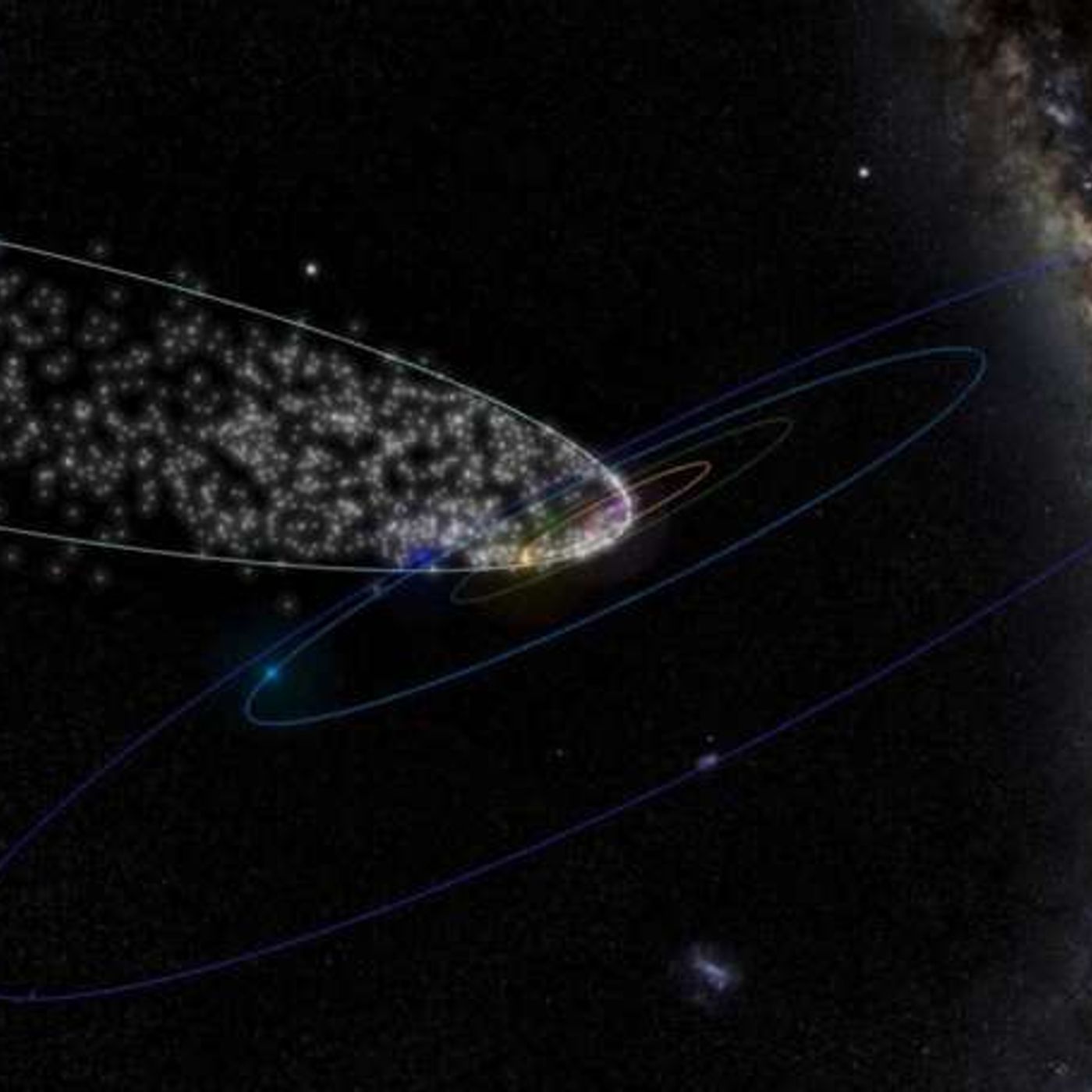
A team of astronomers find that as many as 14 comets which came to less than 4 times the Moon's distance from us as long as 4,000 years ago are detectable as meteor showers in the present era. These results make us aware…
132E-144-One Of A Million [not-audio_url] [/not-audio_url]

Duration: 2:01
Recently I was observing with the NASA funded Catalina Sky Survey 60 inch telescope on Mt. Lemmon when the computer identified a faint fast moving object in the night sky. Not being sure it was real I scheduled followup…
643-Space Vehicles [not-audio_url] [/not-audio_url]

Duration: 2:01
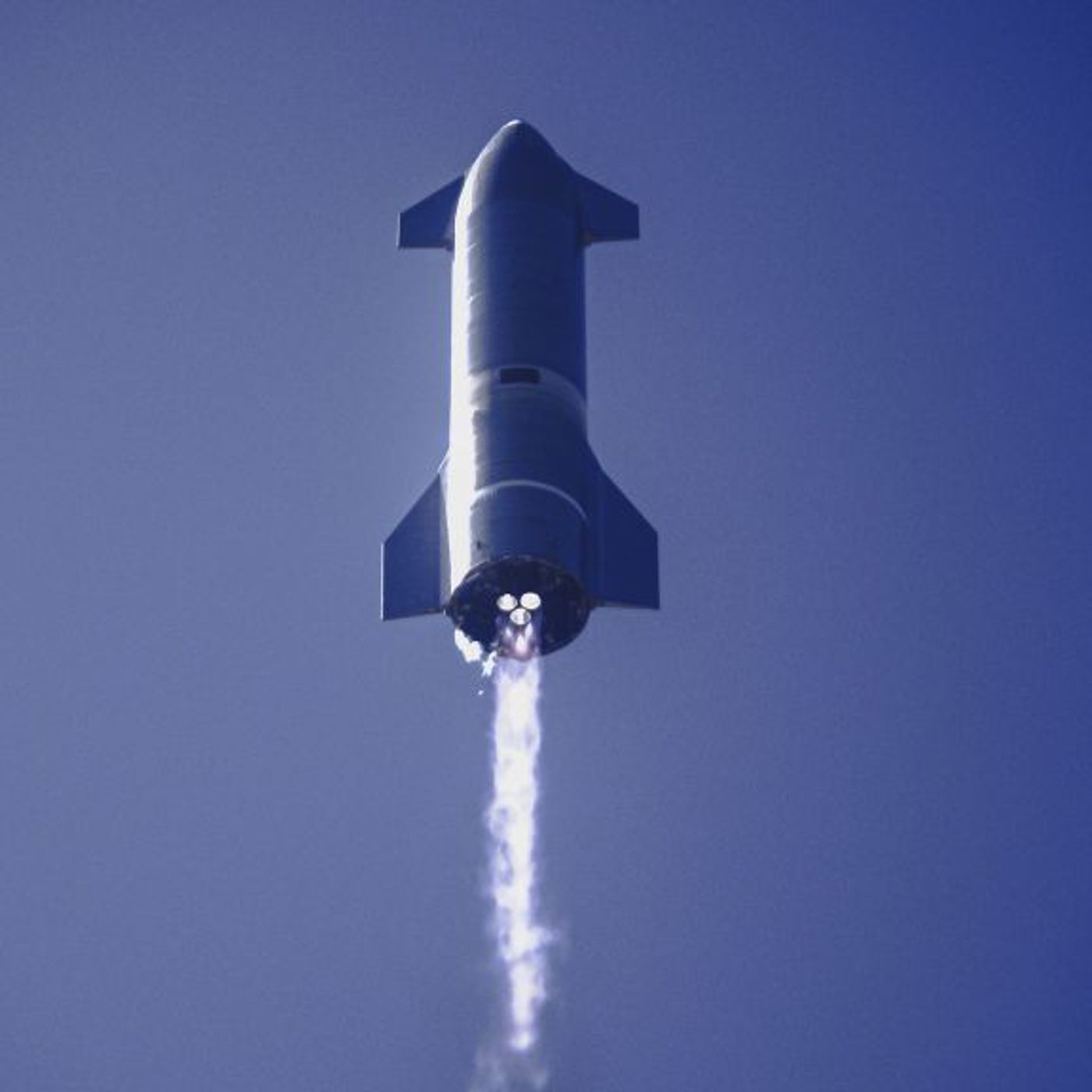
New Rocket engines will revolutionize space travel to the Moon and Mars.
131E-143-Busy Little One [not-audio_url] [/not-audio_url]

Duration: 2:01
Recently my Catalina Sky Survey teammate Rik Hill discovered an asteroid about the size of a luxury sedan which cruises about the inner solar system.
642-Vesta Fragment [not-audio_url] [/not-audio_url]

Duration: 2:01
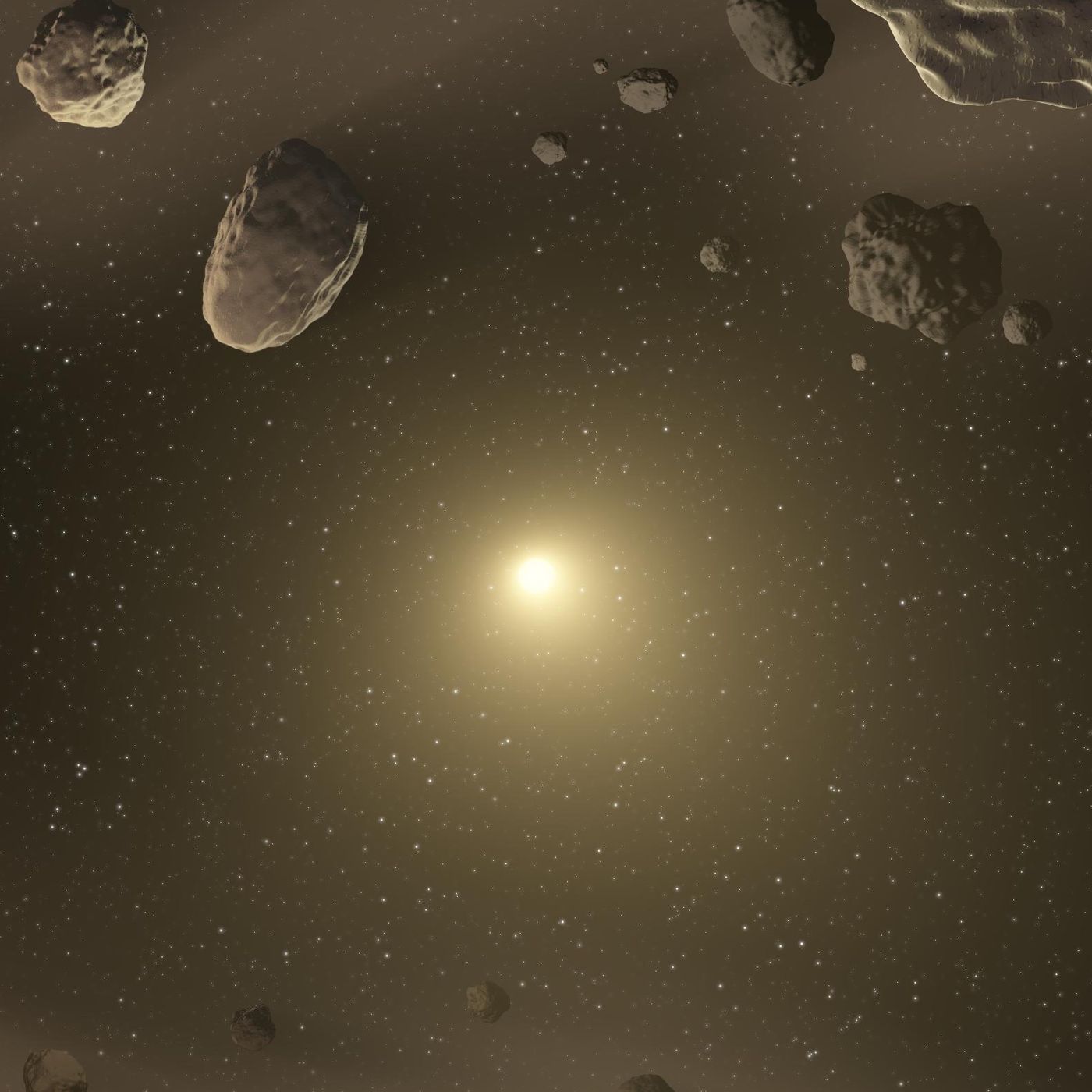
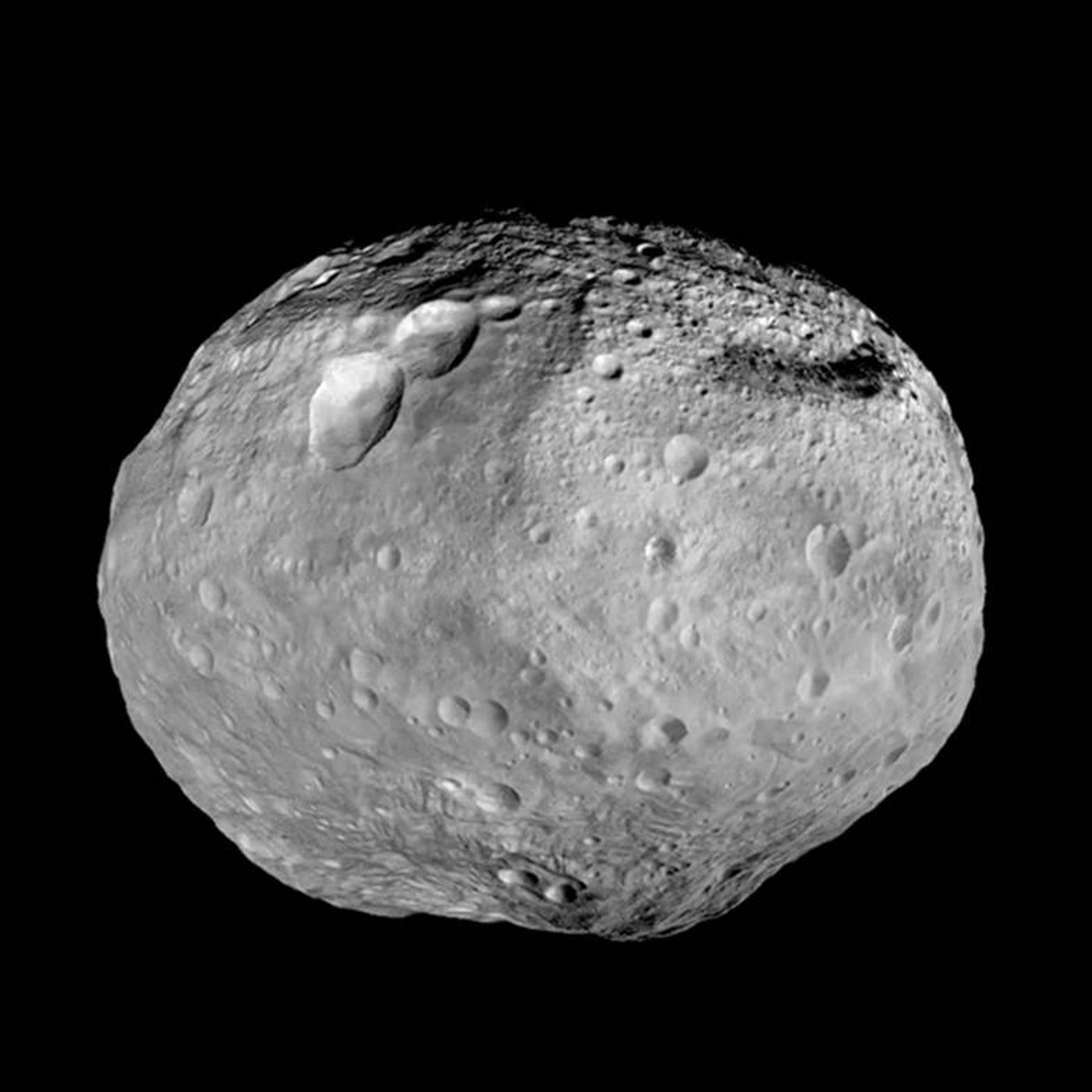
An impacting object hit the asteroid Vesta making a 10 mile diameter crater and in the process blasted loose fragments which have been orbiting the Sun for 22 million years or so. In June of 2018 my Catalina Sky Survey t…
130E-142-Planetary Defense [not-audio_url] [/not-audio_url]

Duration: 2:01
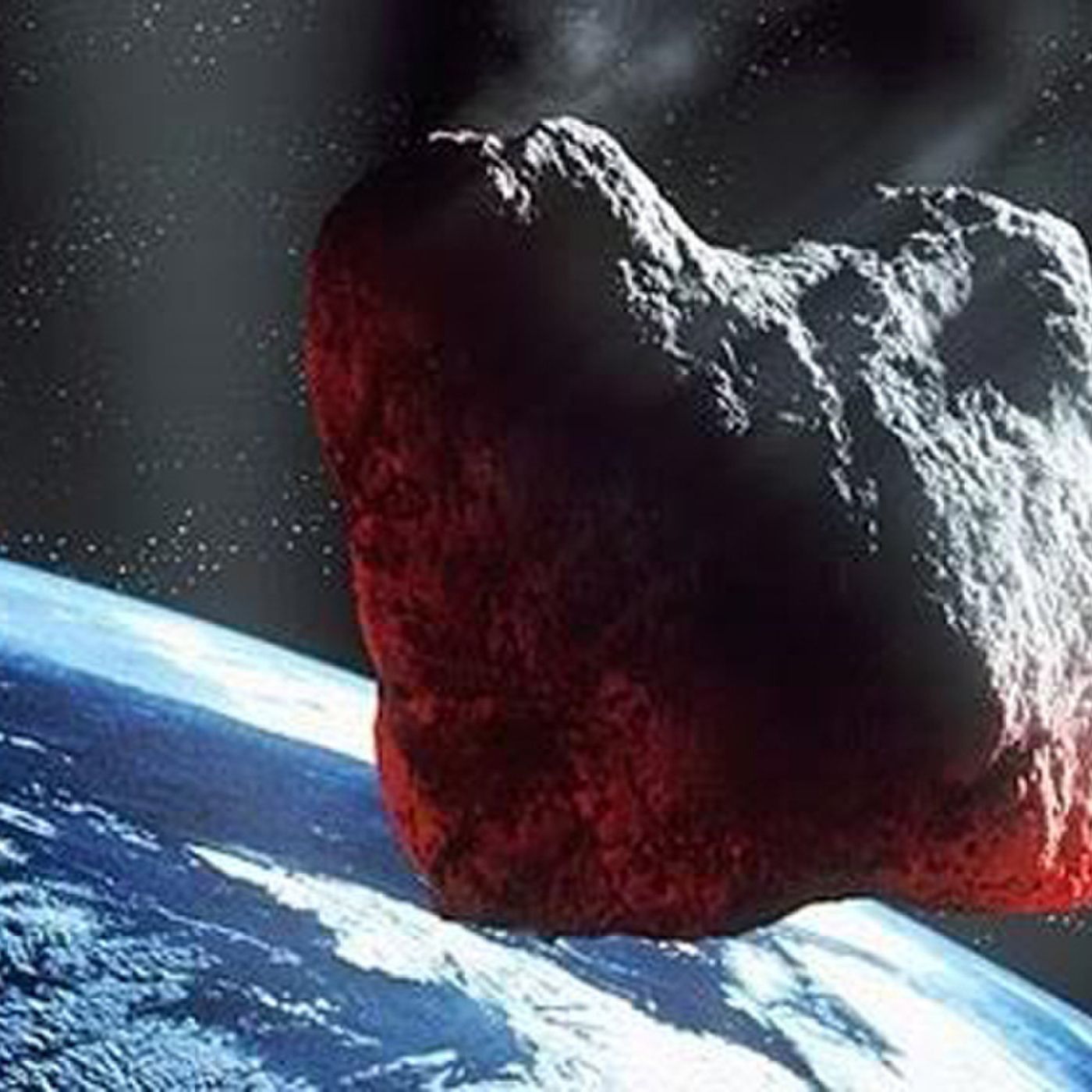
Recently people from all over the world met in Italy to discuss ways that humans can prepare for the unlikely, but not impossible, situation that an object is on an impact trajectory with planet Earth. They were were pre…
641-Backyard Astronomy [not-audio_url] [/not-audio_url]

Duration: 2:01
In March and April every year amateur astronomers, around the world, in Messier Marathons, attempt to view all of 110 objects in the Messier catalogue in a single night. In a more leisurely approach you can visit a dark…
129E-141-Sailing The Cosmos [not-audio_url] [/not-audio_url]

Duration: 2:01
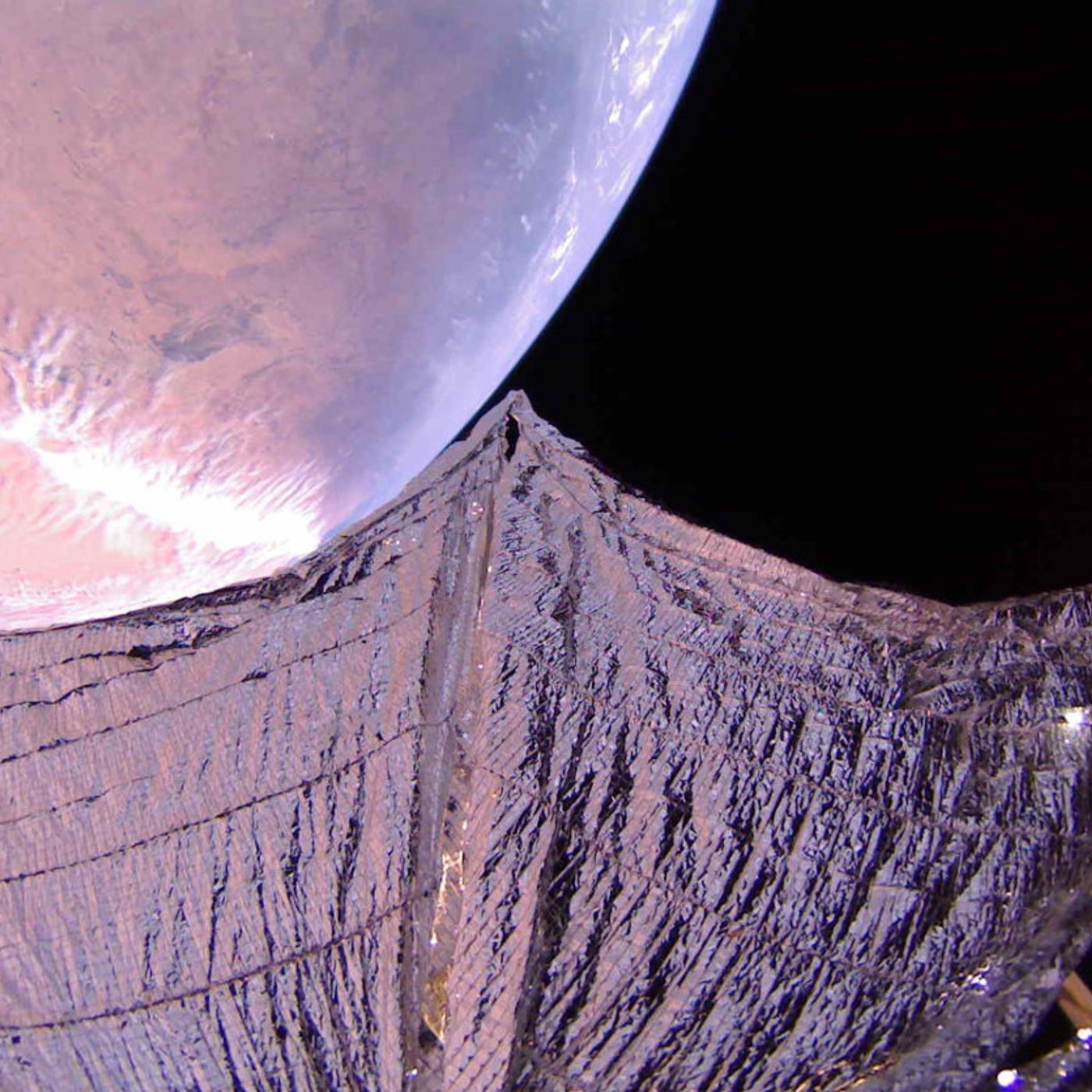
The first human use of the wind to power boats most likely occurred in about 3,000 BC. This was a major improvement in travel over walking and animal drawn carts. Three or four hundred years from now humans may send a ro…
640-Rocks or Rockets [not-audio_url] [/not-audio_url]

Duration: 2:01
Asteroid hunters have discovered a curious object. It appears likely to be either a rock ejected from the Moon or a piece of space junk from a human designed mission to the Moon. Observations which reveal how this tiny o…
128E-140-A Weird Orbit [not-audio_url] [/not-audio_url]

Duration: 2:01
The vast majority of asteroids orbiting the Sun do so on a path that is pretty much in the same plane as the planets. There is a lot of empty space in the solar system, however, we see asteroids with craters on them so w…