778-Two Comets

778-Two Comets

Author: Albert D. Grauer January 5, 2024 Duration: 2:01
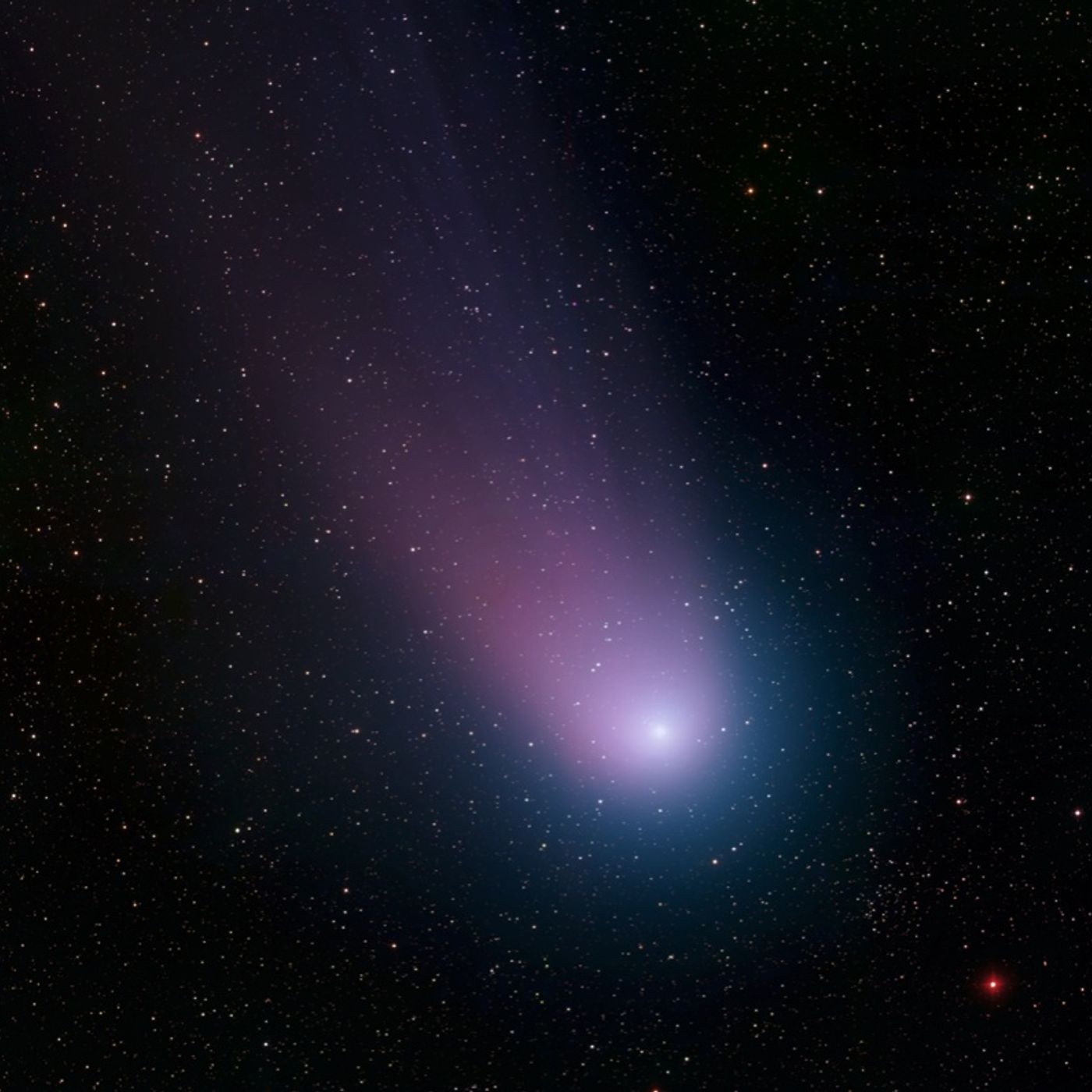
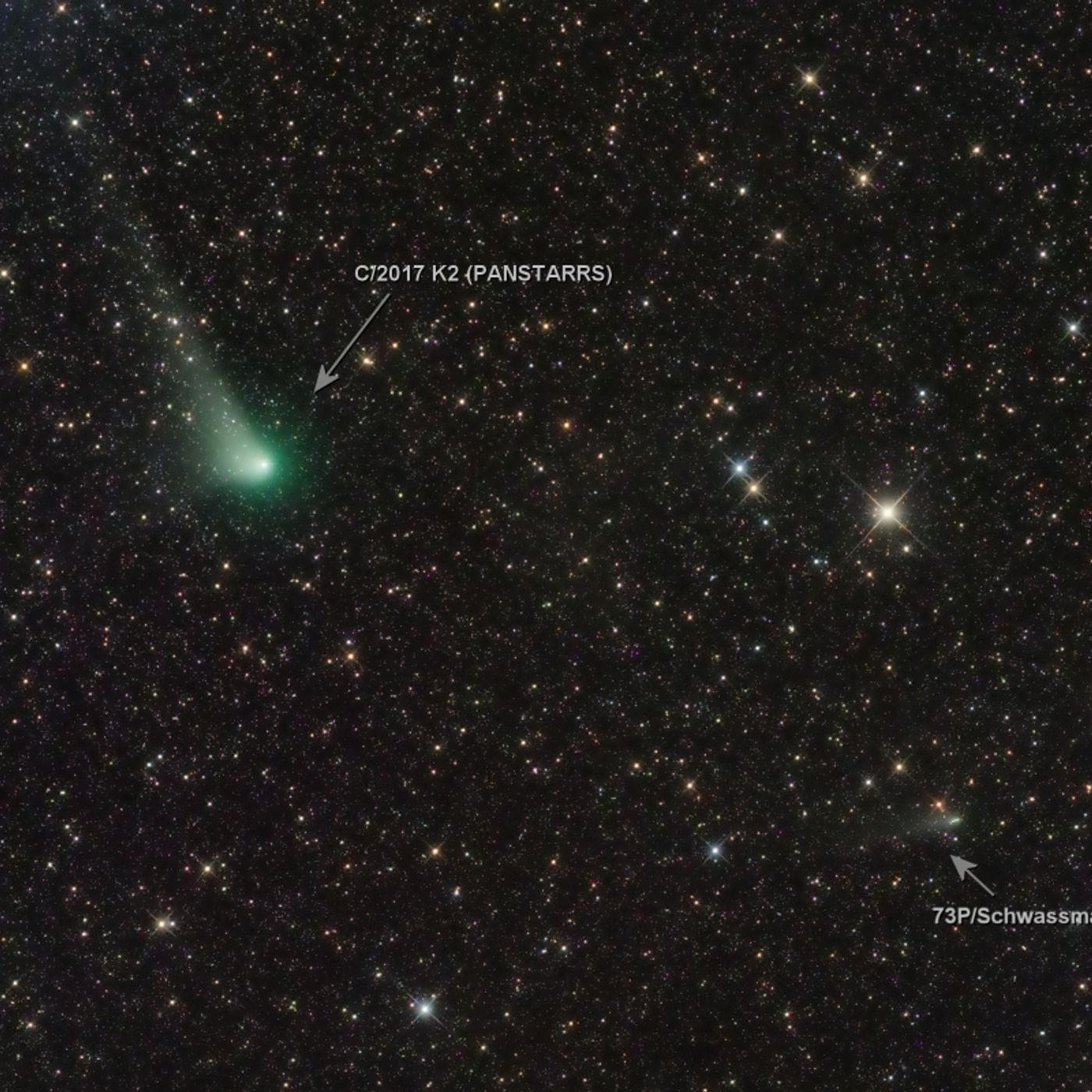
Matching his wife’s discovery of two comets on the same observing run seven years previously my Catalina Sky Survey team caption Carson Fuls discovered two comets on consecutive nights. They have very different origins and ultimater fates.

Each episode of Travelers In The Night feels like a quiet, personal conversation under a dark sky. Hosted by astronomer Dr. Albert D. Grauer, this podcast brings the distant cosmos into sharp, intimate focus. Dr. Grauer isn't just an observer; he's an active participant in the hunt, working with the Catalina Sky Survey team that has consistently discovered near-Earth asteroids for years. In these brief and engaging segments, you'll hear firsthand accounts of what it's like to track these ancient celestial travelers-the asteroids and comets that silently pass by our world. The discussions move beyond simple facts to explore the real-world implications of these discoveries, from planetary defense to the sheer wonder of our dynamic solar system. Accompanied by the contemplative music of John Lyell's "Eternity," each installment offers a moment of calm reflection on humanity's place in the universe. It’s a perfect blend of grounded science and cosmic curiosity, making complex astronomical concepts accessible and deeply fascinating. For anyone who has ever looked up and wondered what's out there moving in the dark, this podcast provides a direct line to the front lines of discovery.
Author: Language: English Episodes: 1000

Travelers In The Night
Podcast Episodes
152E-164-Big Threat or Not [not-audio_url] [/not-audio_url]

Duration: 2:01
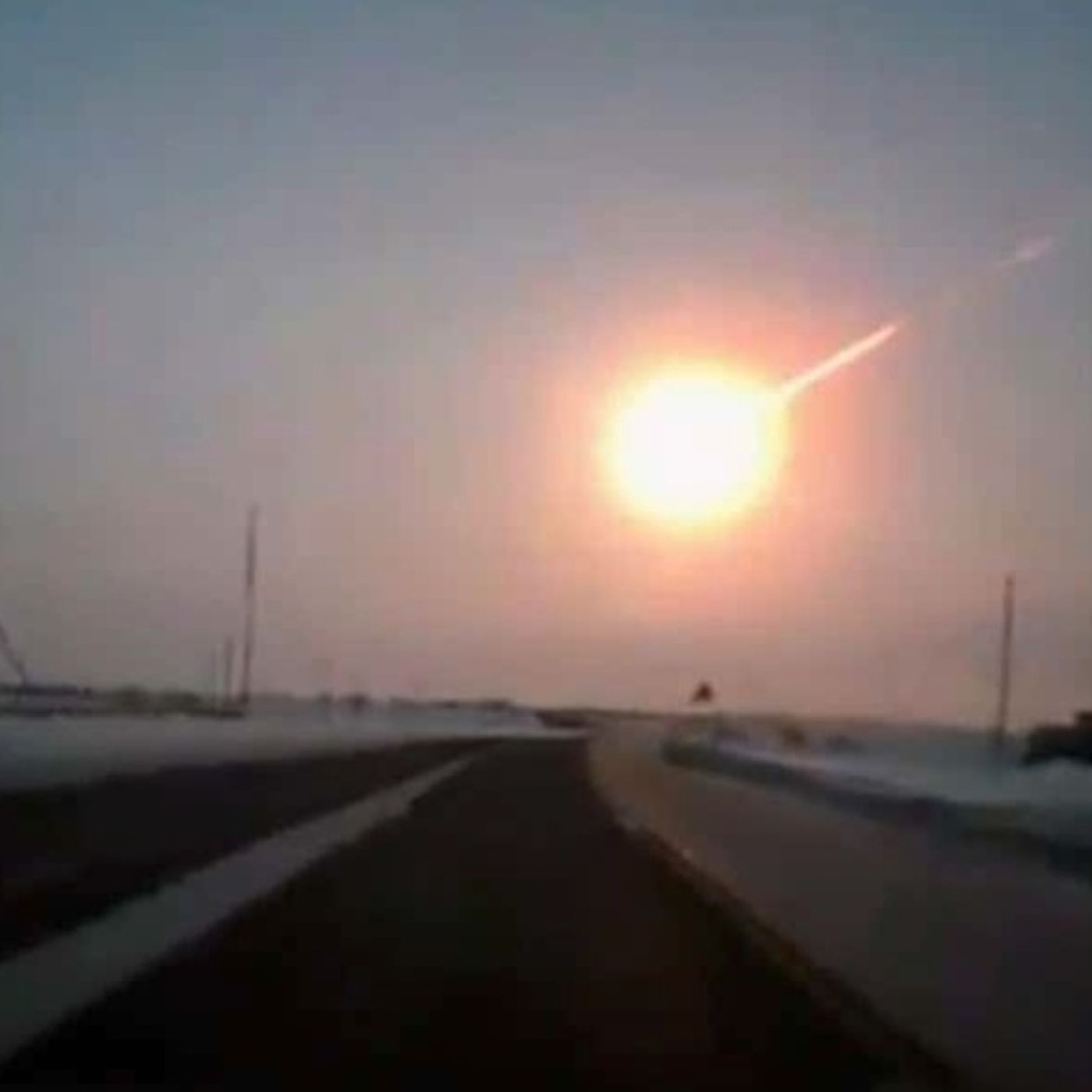
In February 2013 a space rock about 59 feet in diameter entered the Earth's atmosphere over Chelyabinsk, Russia making a fire ball 30 times brighter than our Sun. It came without warning and nearly 1,500 people were inju…
663-Alien Rock?(409) [not-audio_url] [/not-audio_url]

Duration: 2:01
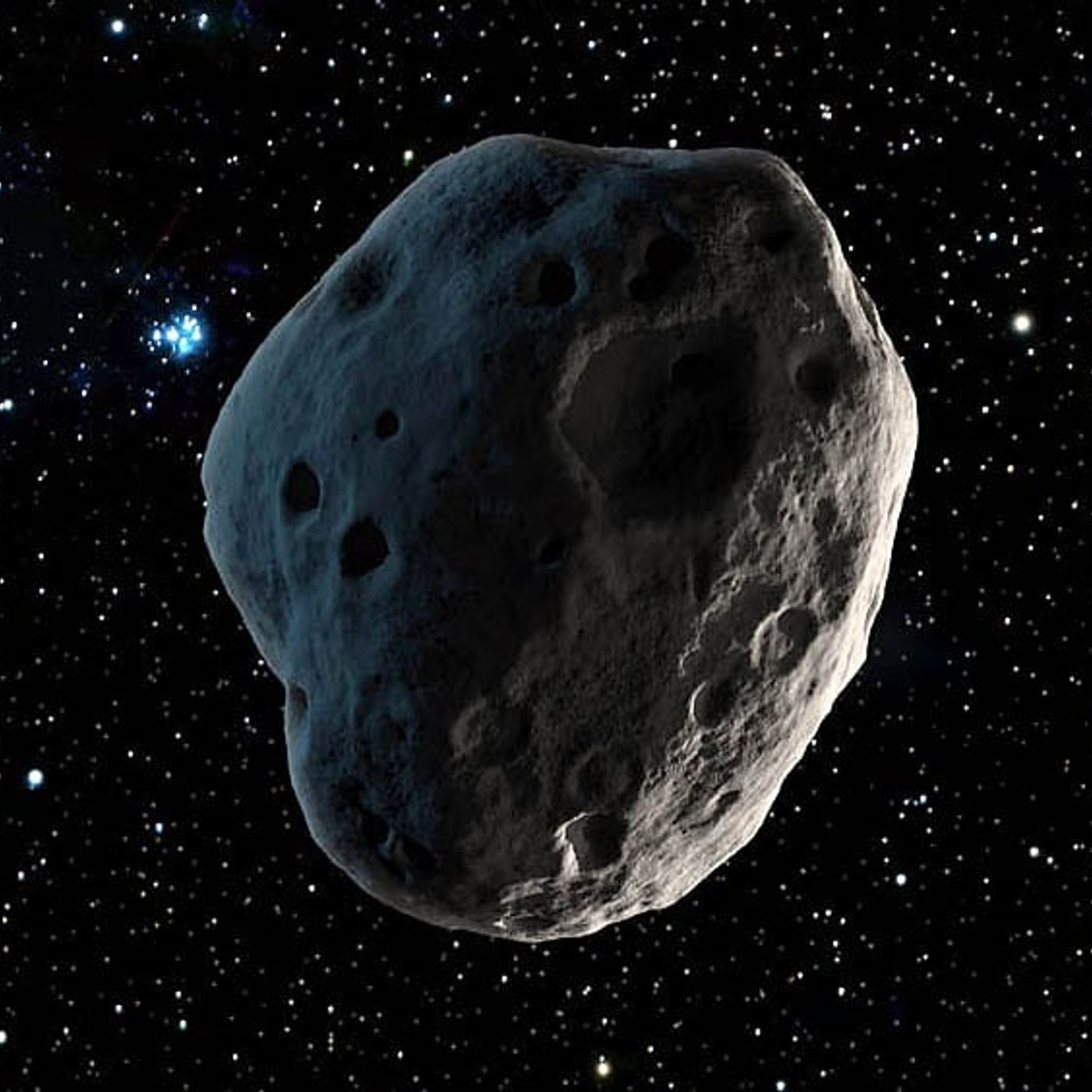
A rock from another solar system is likely to have streaked by Earth before heading back into interstellar space.
151E-163-Space Junk [not-audio_url] [/not-audio_url]

Duration: 2:01
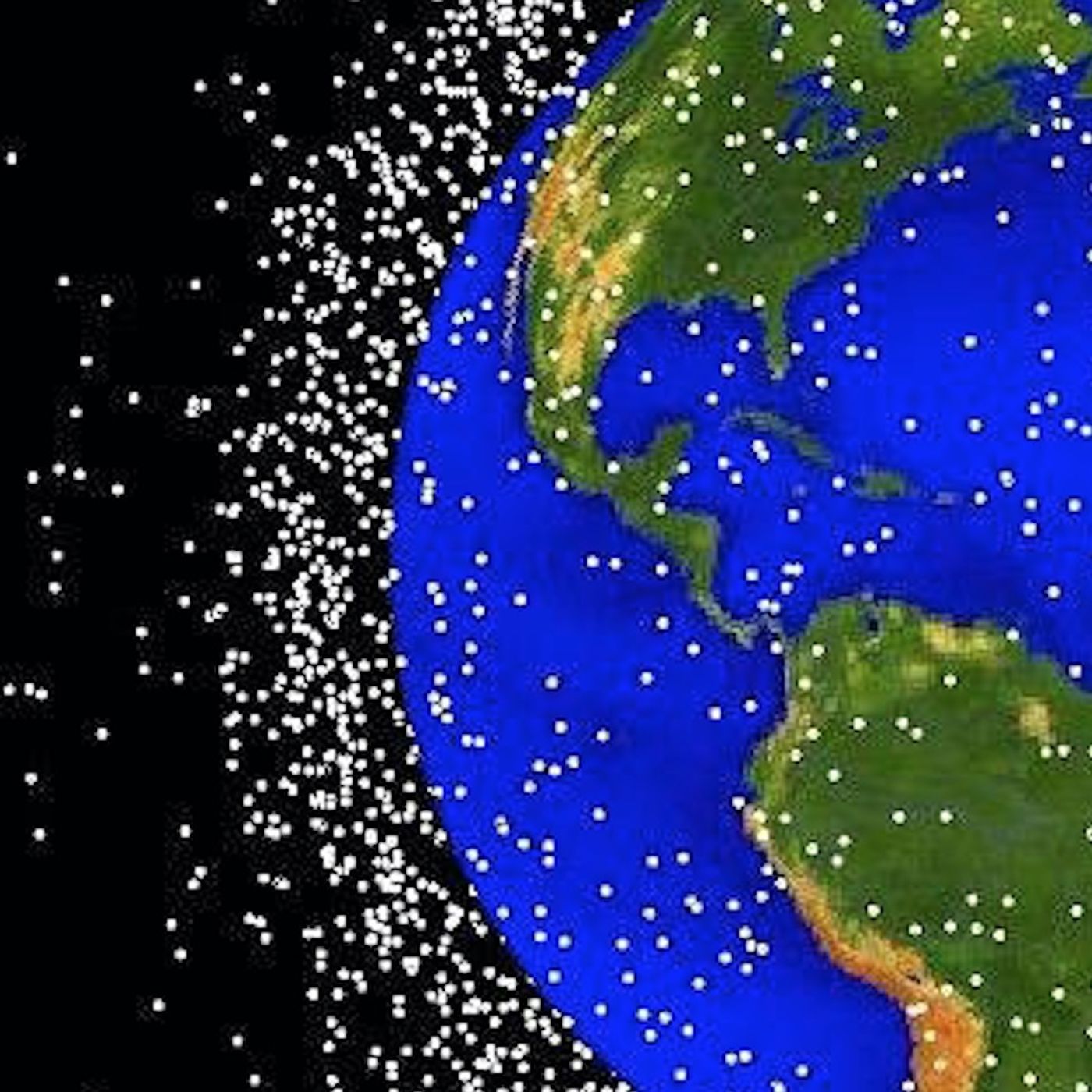
There are more than 20,000 pieces of space junk larger than 4 inches in diameter and millions of tiny ones in orbit around the Earth. At orbital speed a flake of paint carries as much energy as a 550 pound object traveli…
662-Earth's Pet Rock(408) [not-audio_url] [/not-audio_url]

Duration: 2:01
On it's gravitational leash, Earth's pet space rock, 2016 HO3, accompanies us at a distance of between 38 and 100 times the Moon's distance from Earth as we both travel about the Sun.
150E-162-Icarus Pays A Visit [not-audio_url] [/not-audio_url]

Duration: 2:01
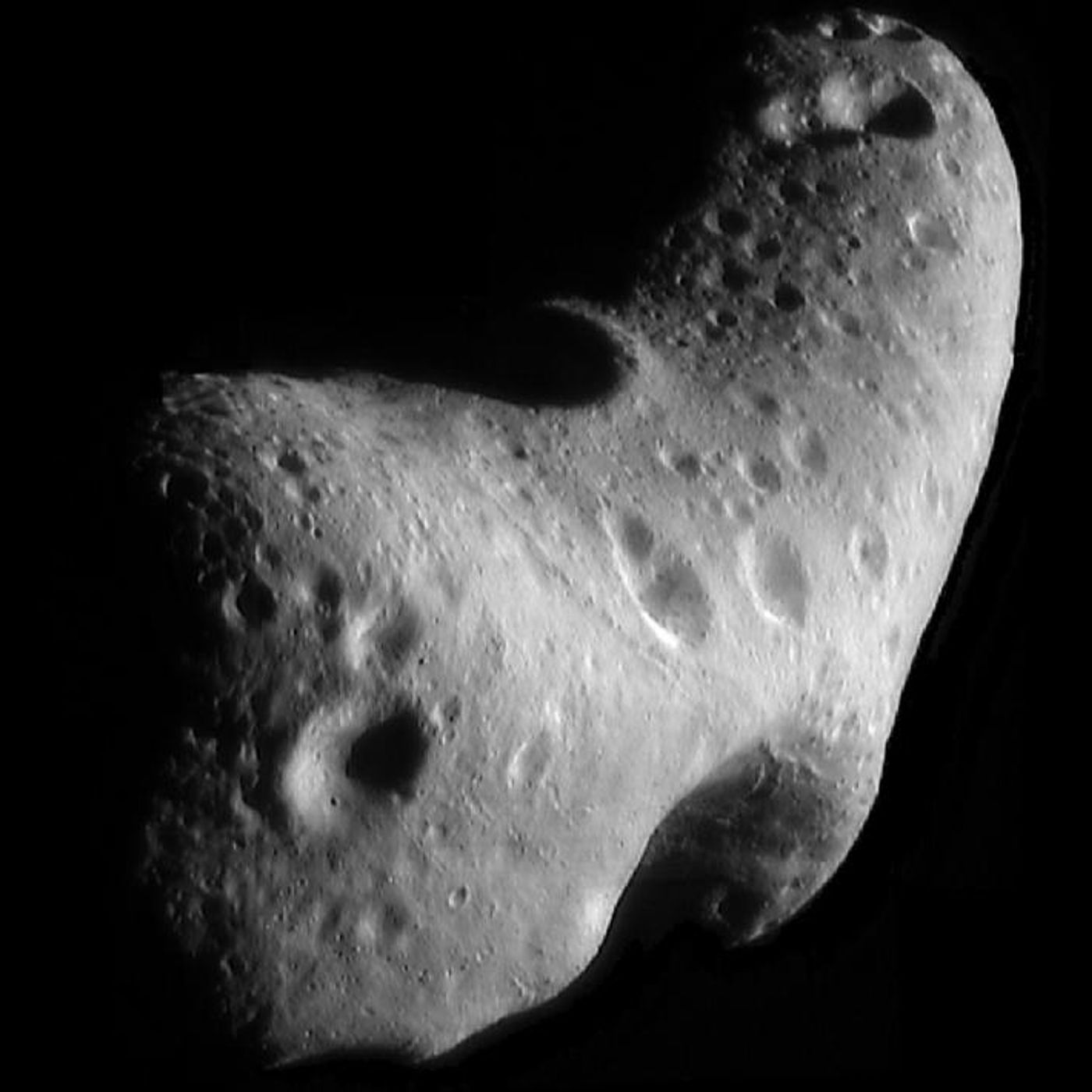
For 43 years after its discovery in 1949, the Earth approaching asteroid Icarus, was known as the object which passes closest to our Sun. It is named for a boy in Greek mythology whose wings of feathers and wax melted wh…
661-Roving Venus(400) [not-audio_url] [/not-audio_url]

Duration: 2:01
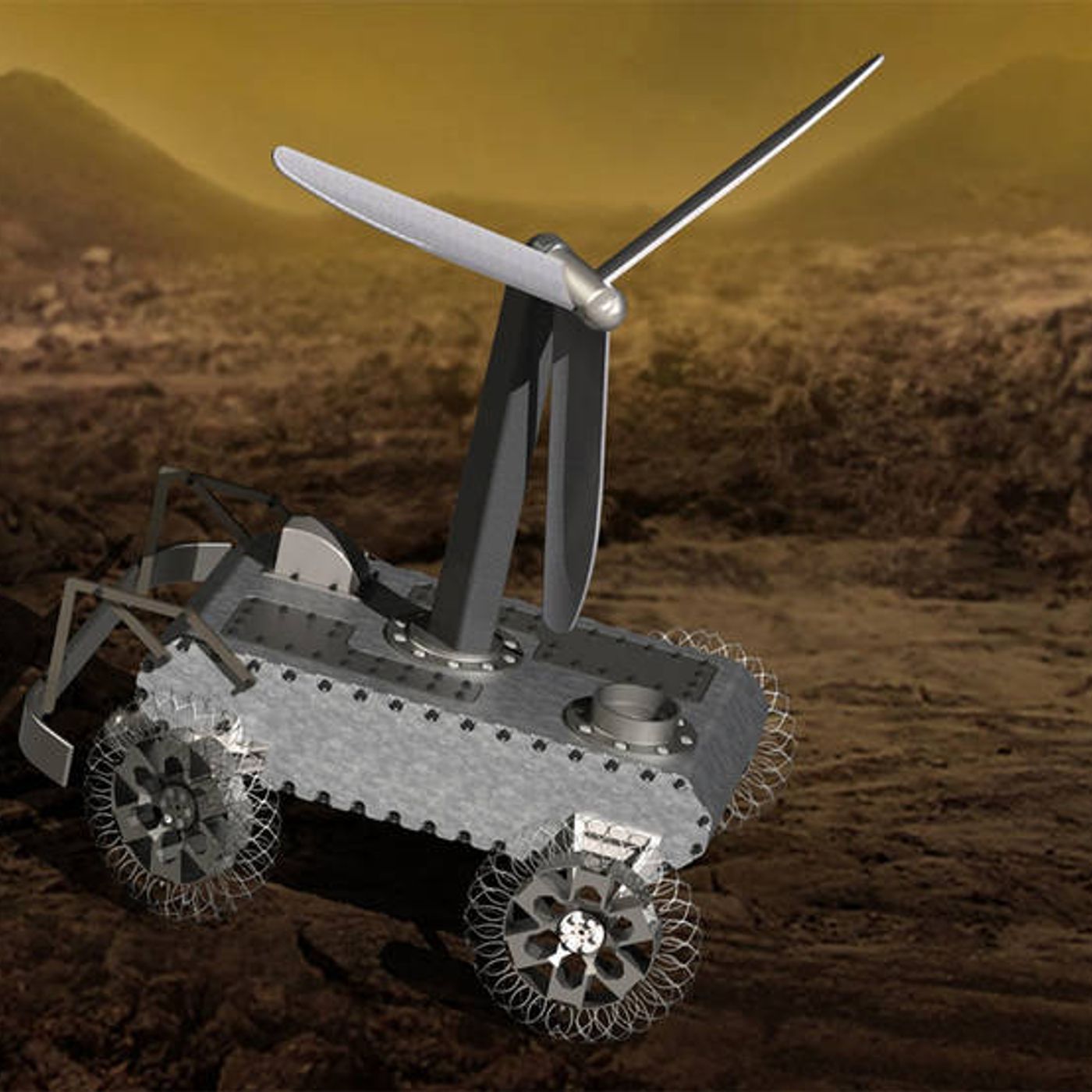
To survive on Venus where the temperature is 864F and the surface air pressure is 90 times that of Earth, NASA and JPL engineers are exploring the concept of avoiding the use of modern temperature sensitive electronics b…
149E-161-Half A World Away [not-audio_url] [/not-audio_url]

Duration: 2:01
Using the long arm of the internet, astronomers in Russia are observing with a telescope located near Mayhill, New Mexico to discover solar system objects. The New Mexico Skies Observatory, near the village of Mayhill, i…
660-Double Comet(403) [not-audio_url] [/not-audio_url]

Duration: 2:01
What at first appeared to be an asteroid turned out to be a double comet.
148E-160-Alma Spots Juno [not-audio_url] [/not-audio_url]

Duration: 2:01
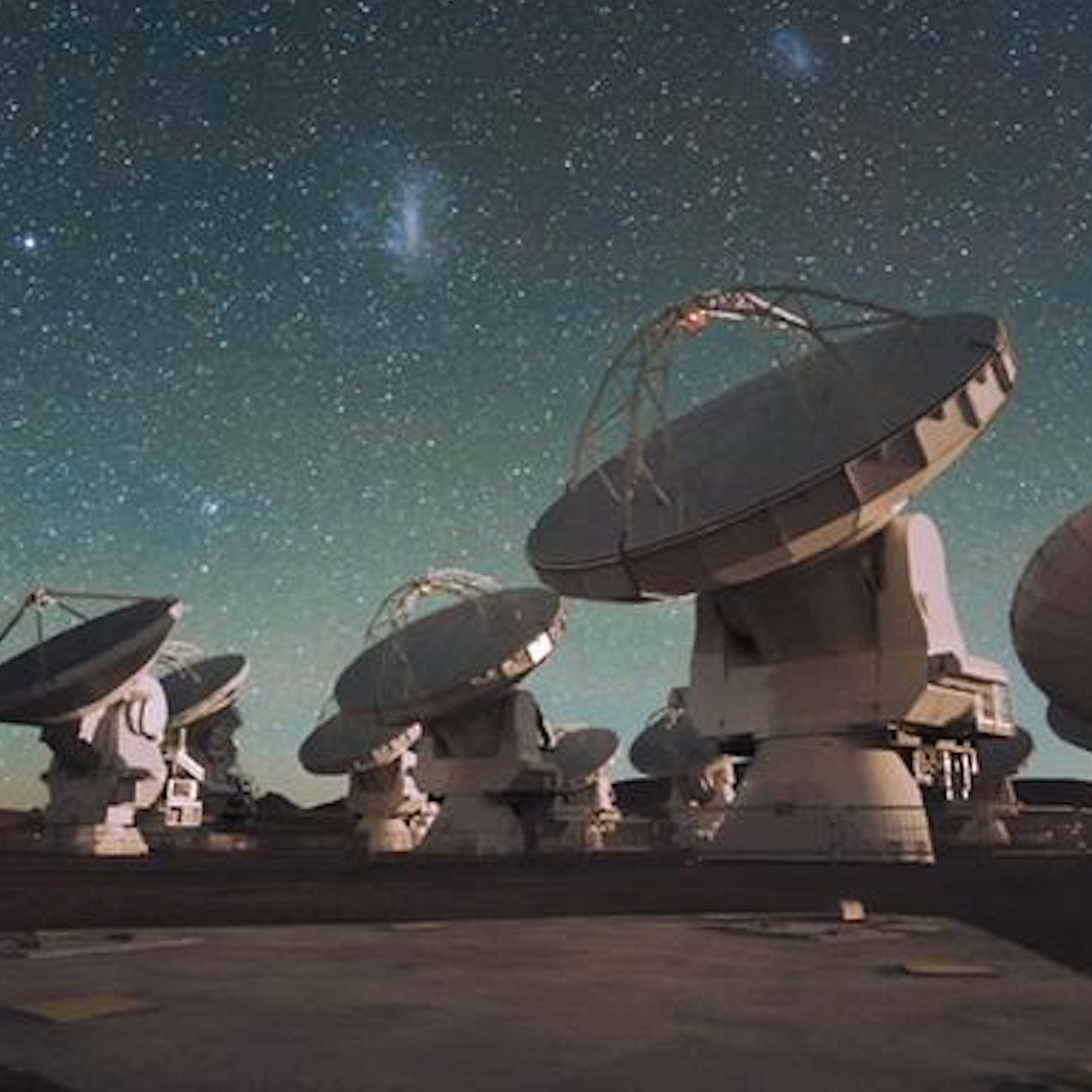
Juno was found by German astronomer Karl L. Harding in 1804 who noticed that to the human eye it appeared to be a star like moving point of light in the night sky. The light that Juno reflects suggests that it could be t…
659-Martian Debris(382) [not-audio_url] [/not-audio_url]

Duration: 2:01
Martian Trojan asteroids have stable orbits around the Sun, leading and trailing the red planet by 60 degrees, where the Sun's and Mars's gravity are balanced. The impact more than 4 billion years or so ago which blasted…