863-Space Elevator

863-Space Elevator

Author: Albert D. Grauer August 22, 2025 Duration: 2:01
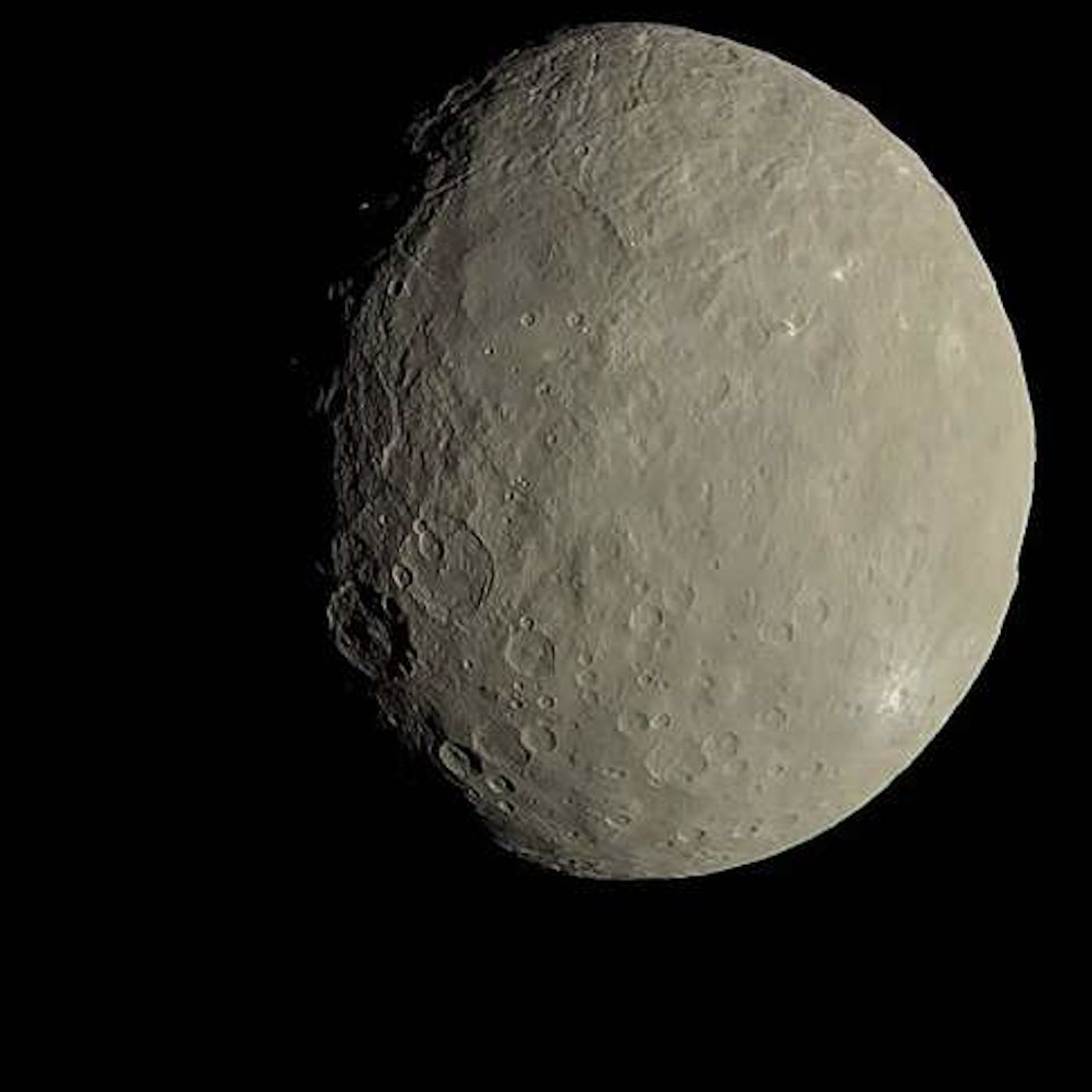
In a recent study Dr. Lynnane George and her co-authors investigate Space Elevator technology to remove materials from Ceres and deliver them to orbital depots around the solar system.  The tiny gravity of Ceres, nano-fiber technology, and different water propulsion systems are utilized by Dr. George and her team to construct theoretically possible systems which would extract raw materials from Ceres and deliver them to low Earth orbit and other locations within the solar system.  These researchers estimate such a transport system could reduce fuel costs by up to 60% compared to transport from the Earth’s surface. 

Each episode of Travelers In The Night feels like a quiet, personal conversation under a dark sky. Hosted by astronomer Dr. Albert D. Grauer, this podcast brings the distant cosmos into sharp, intimate focus. Dr. Grauer isn't just an observer; he's an active participant in the hunt, working with the Catalina Sky Survey team that has consistently discovered near-Earth asteroids for years. In these brief and engaging segments, you'll hear firsthand accounts of what it's like to track these ancient celestial travelers-the asteroids and comets that silently pass by our world. The discussions move beyond simple facts to explore the real-world implications of these discoveries, from planetary defense to the sheer wonder of our dynamic solar system. Accompanied by the contemplative music of John Lyell's "Eternity," each installment offers a moment of calm reflection on humanity's place in the universe. It’s a perfect blend of grounded science and cosmic curiosity, making complex astronomical concepts accessible and deeply fascinating. For anyone who has ever looked up and wondered what's out there moving in the dark, this podcast provides a direct line to the front lines of discovery.
Author: Language: English Episodes: 1000

Travelers In The Night
Podcast Episodes
27E-39-Dash Cams And The Anatomy of An Airburst [not-audio_url] [/not-audio_url]

Duration: 2:01
Aleksei Dozorov, a motorist in Russia stated “You can get into your car without your pants on, but never get into a car without a dash cam,” . This attitude is caused by poor highway law enforcement. It is why many motor…
538-Asteroid Slam [not-audio_url] [/not-audio_url]

Duration: 2:01
Humans are slamming projectiles into space rocks. These experiments will give us the know how to deal with a dangerous space rock which has our number on it.
26E-38-The Big Ones [not-audio_url] [/not-audio_url]

Duration: 2:01
One million human lifetimes ago an asteroid impact was at least partially responsible for eliminating the dinosaurs. This event has allowed our race to evolve to its present stateThose of us in the asteroid hunting commu…
537-Earth Glow [not-audio_url] [/not-audio_url]

Duration: 2:01
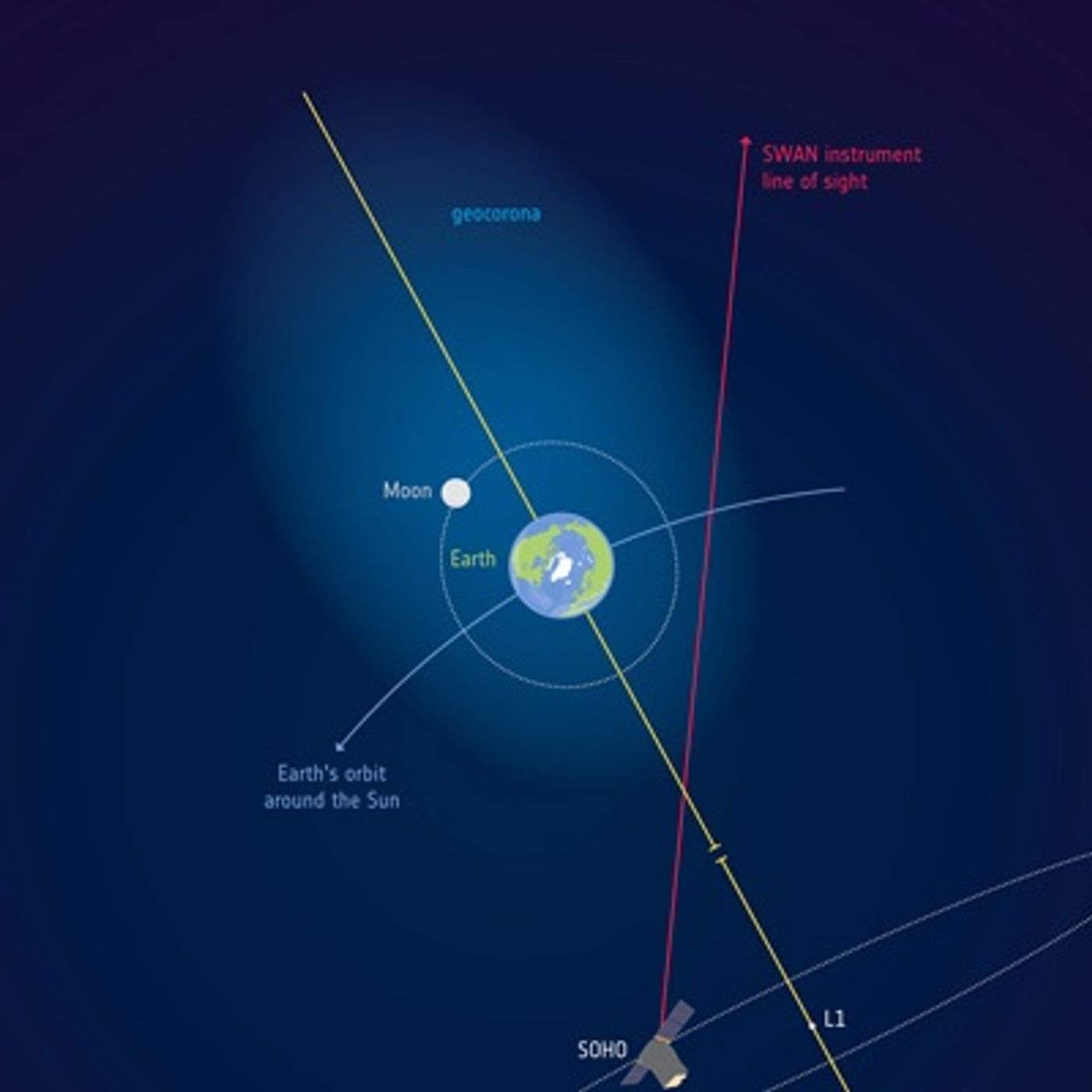
In 1972 Apollo 16 astronauts took an ultraviolet image of the Earth from the Moon which shows that like the Sun ,the Earth too, has a faint corona of gas surrounding it. Scientists are just beginning to explore how Earth…
25E-37-Slow Movers At The Edge Of Our Solar System [not-audio_url] [/not-audio_url]

Duration: 2:01
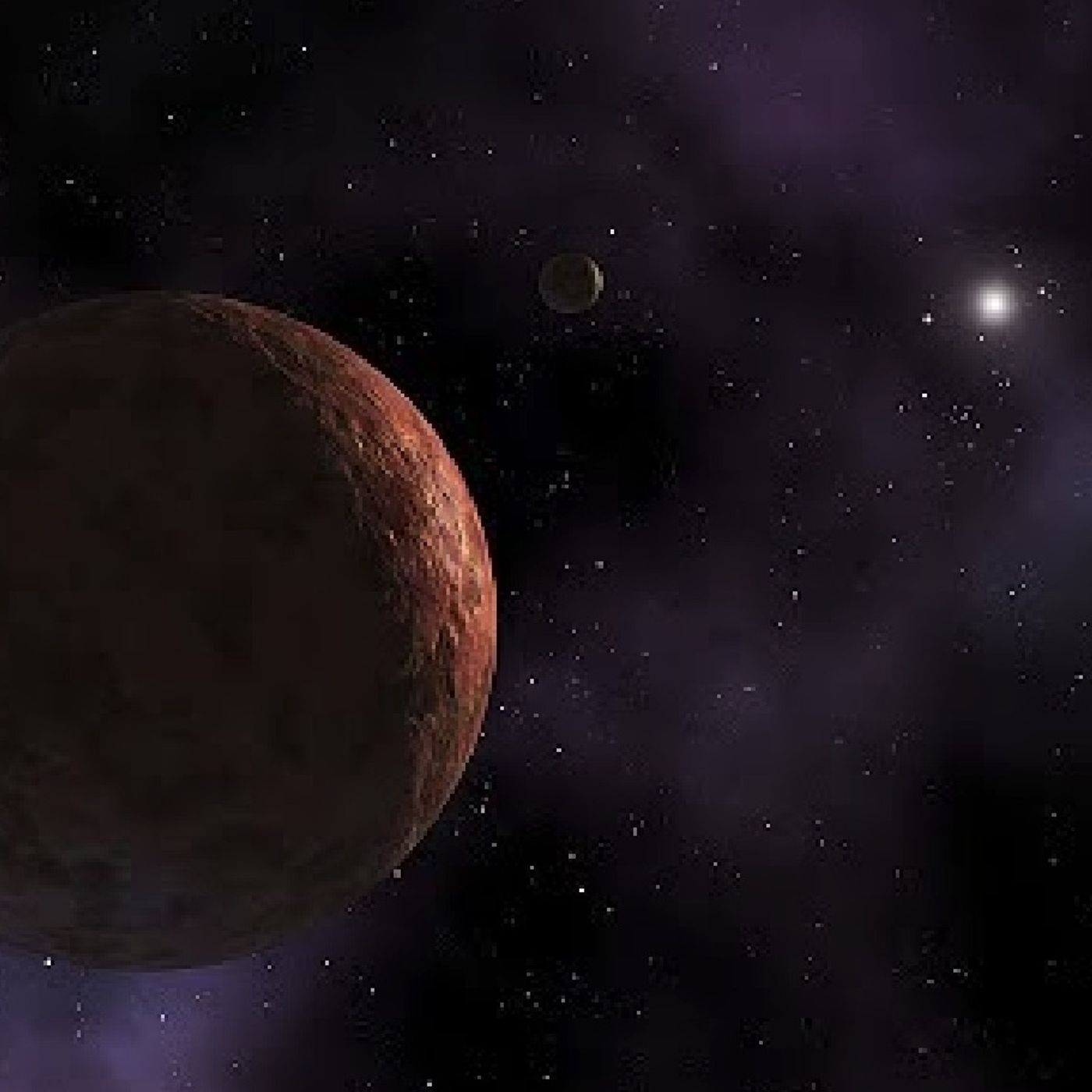
Imagine a world that is so far from our Sun that it receives less than 1/5000 of the heat and light that makes our life possible. If your were standing on it, you could cover the Sun with the tip of a ball point pen held…
536-Ultima Thule [not-audio_url] [/not-audio_url]

Duration: 2:01
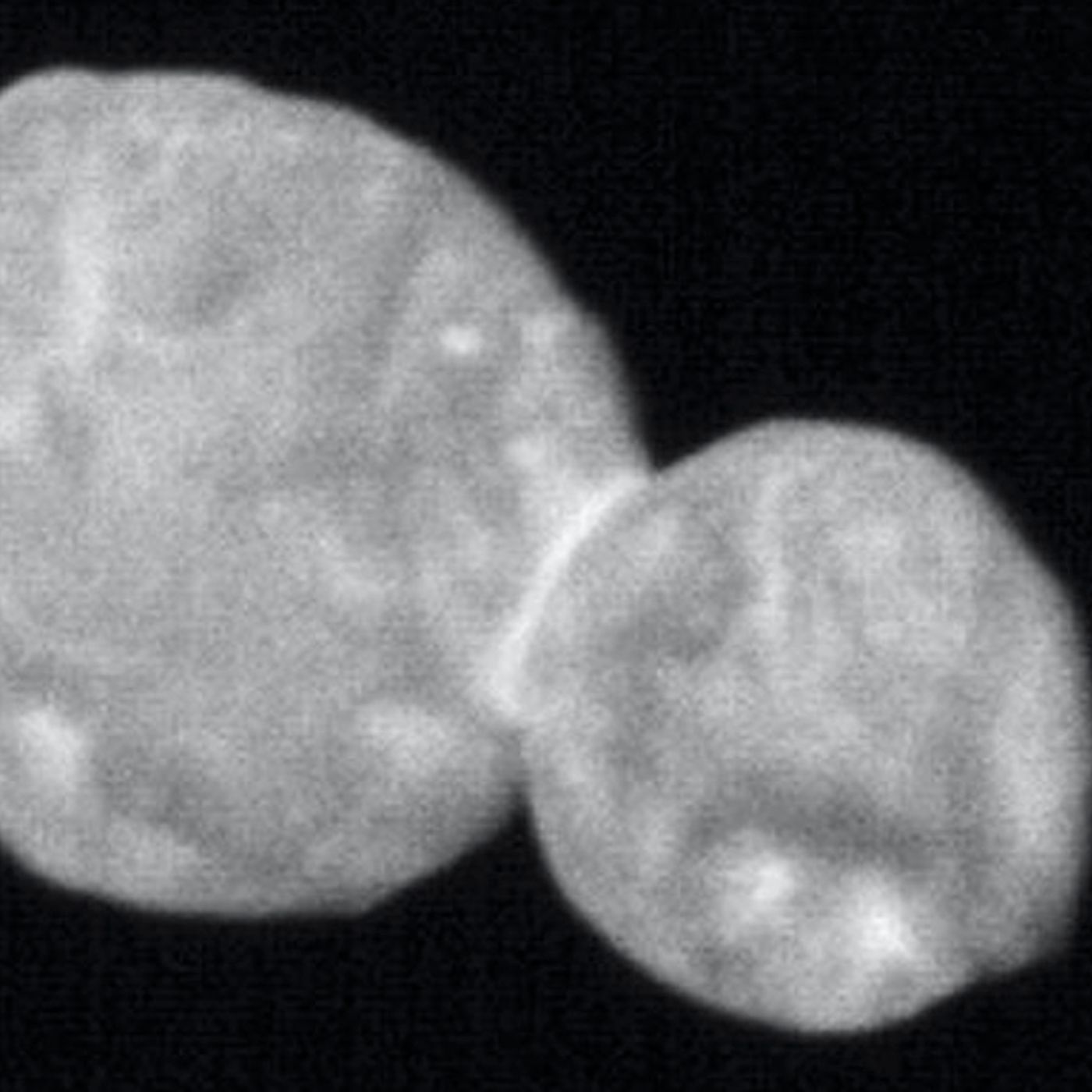
Traveling an additional billion miles beyond Pluto, the New Horizons spacecraft is now sending back data on 2014 MU69, a strange snow man shaped object which orbits the Sun once every 298 years. The New Horizons is space…
24E-36-Earth and Moon as Evening Stars [not-audio_url] [/not-audio_url]

Duration: 2:01
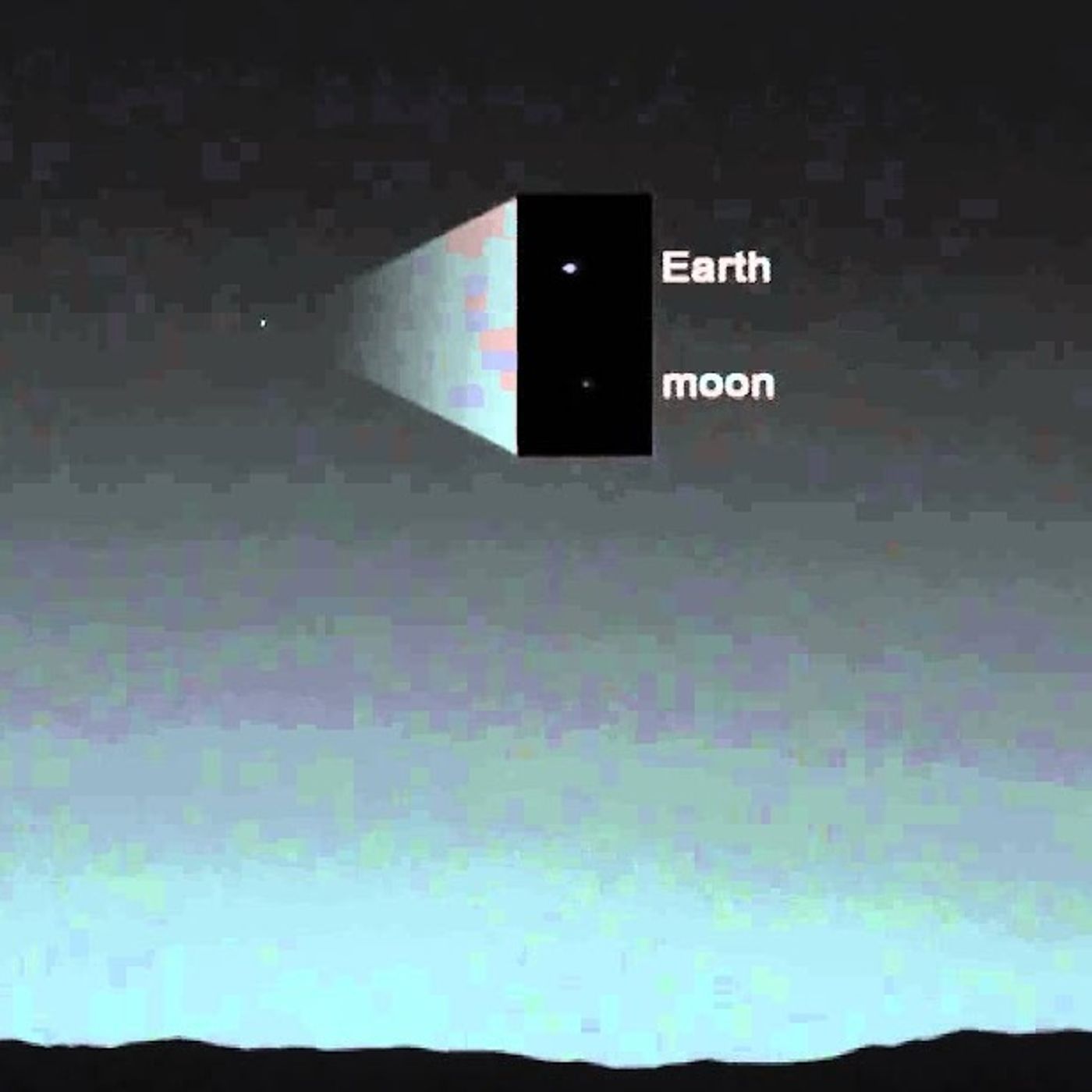
A human with normal vision standing on Mars would see the Earth and our Moon as a double evening star. An observer on Mars would also see the distance between the Earth and Moon change as they revolve around a common cen…
535-Alone Or Not [not-audio_url] [/not-audio_url]

Duration: 2:01
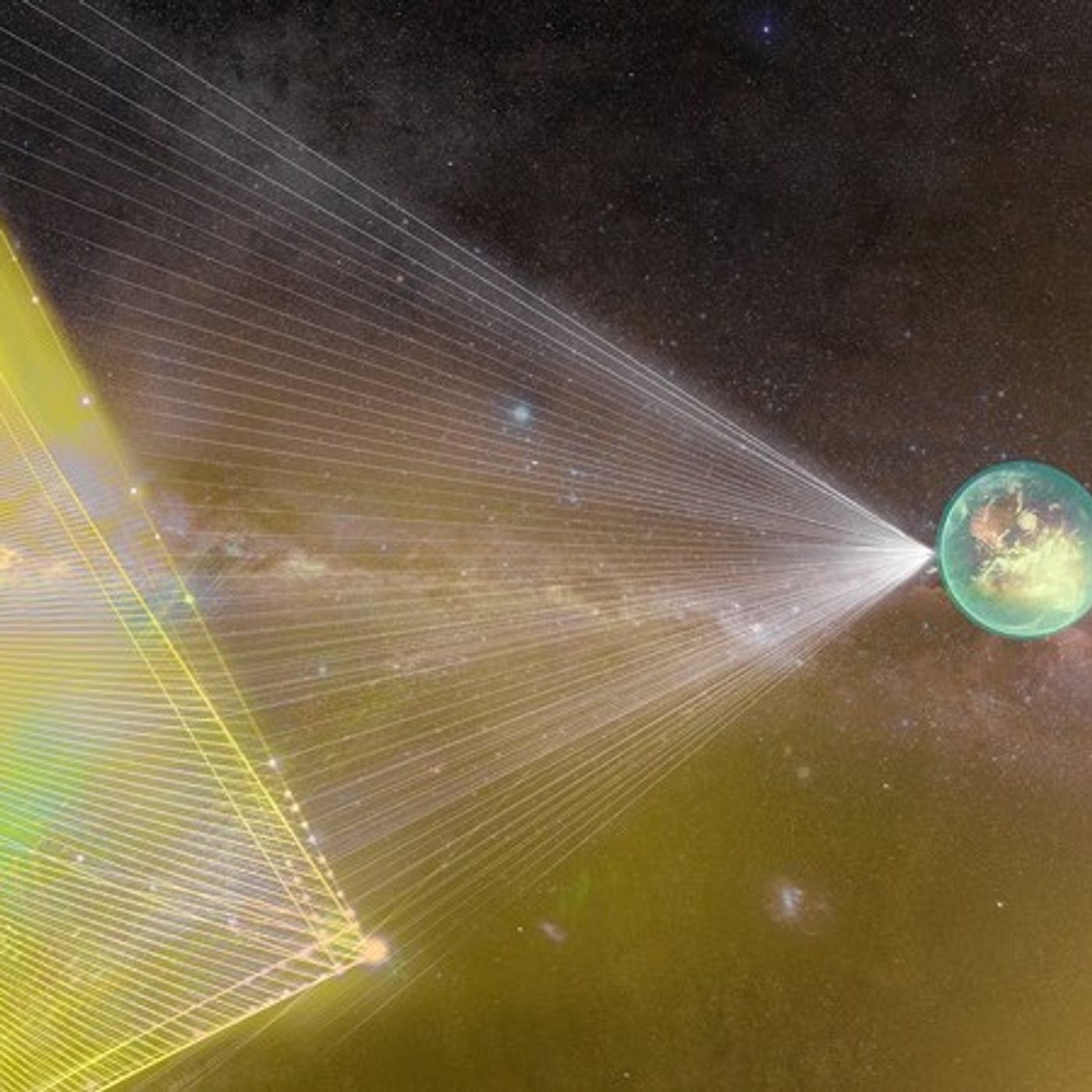
In our Milky Way Galaxy alone there are probably 25 billion planets located within the habitable zone of its star where there could be air to breathe and liquid water on its surface. The search is on for advanced civiliz…
23E-35-An Asteroid With A Ring [not-audio_url] [/not-audio_url]

Duration: 2:01
Programs 31-60Travelers in The NightProgramsContents 1 31-A Gentle Breakup Of An Asteroid 2 32-A Peanut Shaped Asteroid with a Moon 3 33-A Busy Month in the Earth's Neighborhood 4 34- Number 5000 5 35-An Asteroid With A…
534-Followups [not-audio_url] [/not-audio_url]

Duration: 2:01
Without followup data, many if not most of the Earth approaching objects would be lost as they move away from us leaving us with no idea when they might return to near Earth space or perhaps even strike our home planet.