882-David’s Goliath PHA

882-David’s Goliath PHA

Author: Albert D. Grauer January 16, 2026 Duration: 2:01
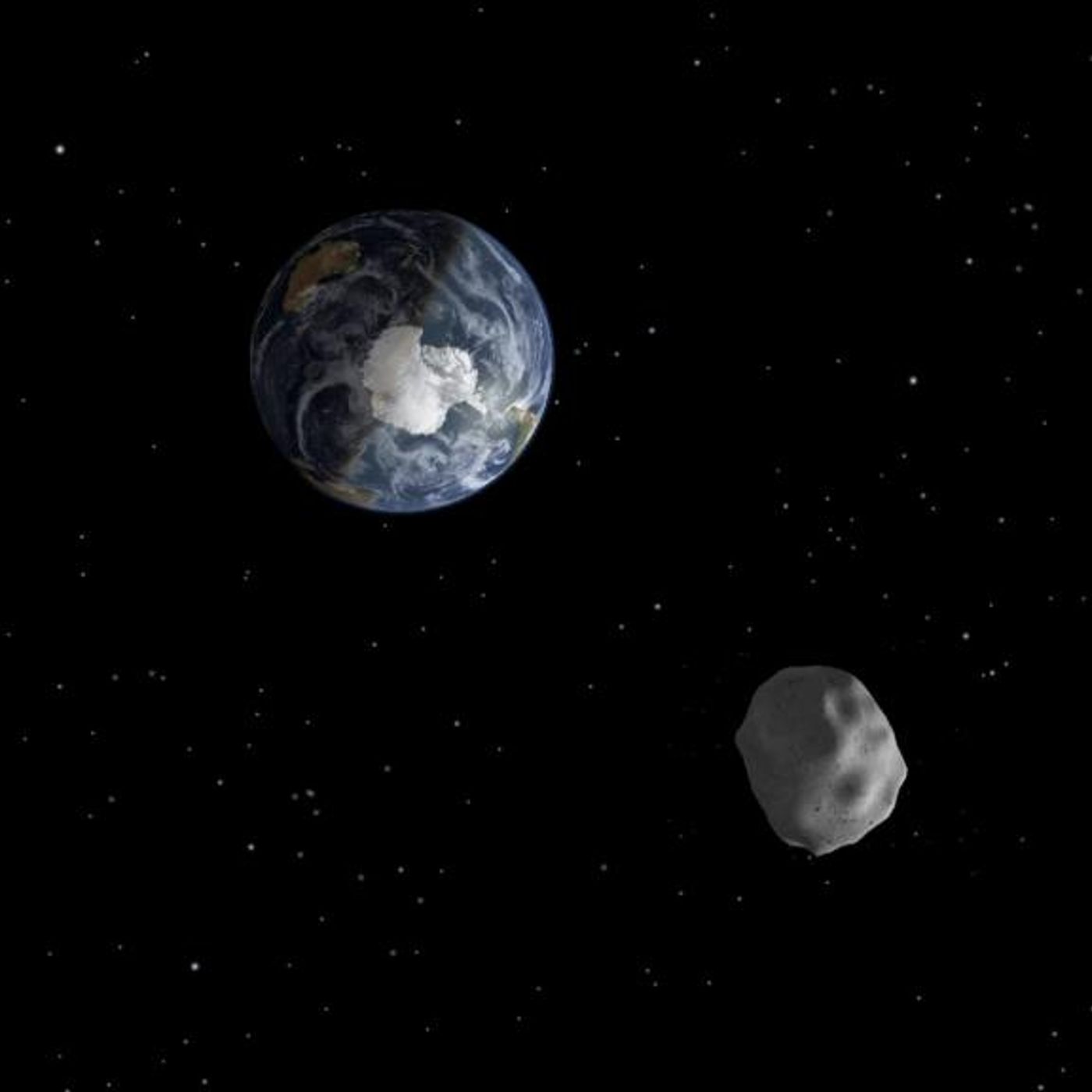
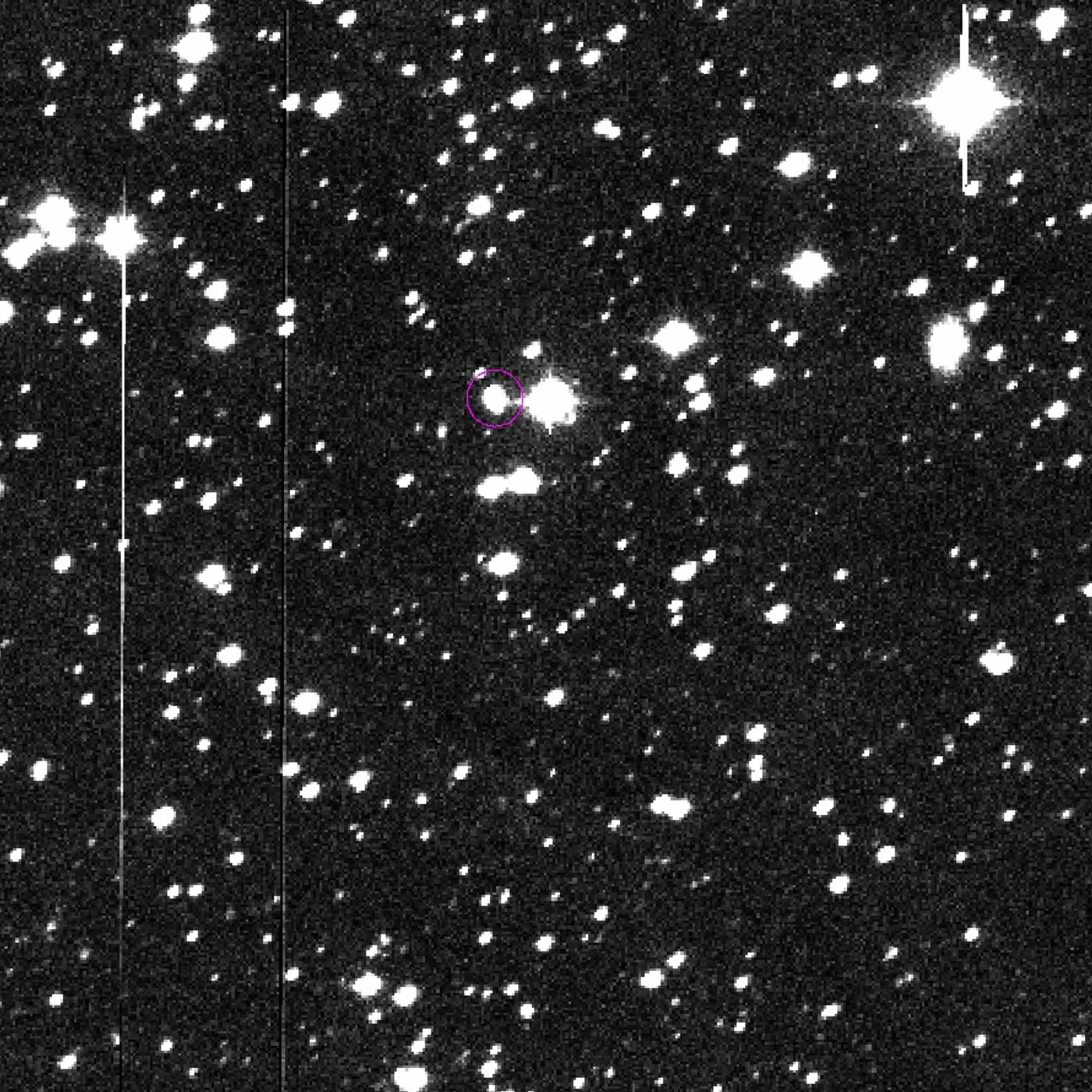
My Catalina Sky Survey teammate David Rankin was asteroid hunting in the evening twilight with our 60 inch telescope on Mt. Lemmon Arizona when he spotted an unknown object in the constellation of Lyra. The largest telescopes on Earth will likely track David's discovery until it becomes too faint to observe in 2027 and catch it again when it again becomes bright enough to track in 2050. Fortunately it is extremely unlikely that it will strike Earth when it again comes close to our home planet in 2052.

Each episode of Travelers In The Night feels like a quiet, personal conversation under a dark sky. Hosted by astronomer Dr. Albert D. Grauer, this podcast brings the distant cosmos into sharp, intimate focus. Dr. Grauer isn't just an observer; he's an active participant in the hunt, working with the Catalina Sky Survey team that has consistently discovered near-Earth asteroids for years. In these brief and engaging segments, you'll hear firsthand accounts of what it's like to track these ancient celestial travelers-the asteroids and comets that silently pass by our world. The discussions move beyond simple facts to explore the real-world implications of these discoveries, from planetary defense to the sheer wonder of our dynamic solar system. Accompanied by the contemplative music of John Lyell's "Eternity," each installment offers a moment of calm reflection on humanity's place in the universe. It’s a perfect blend of grounded science and cosmic curiosity, making complex astronomical concepts accessible and deeply fascinating. For anyone who has ever looked up and wondered what's out there moving in the dark, this podcast provides a direct line to the front lines of discovery.
Author: Language: English Episodes: 1000

Travelers In The Night
Podcast Episodes
374-Brute [not-audio_url] [/not-audio_url]

Duration: 2:01
Fortunately This Asteroid Will Not Spoil Your Day.
373-Kepler's Planets [not-audio_url] [/not-audio_url]

Duration: 2:01
The Kepler Space Telescope has discovered more than 50 habitable Earth sized planets orbiting distant stars.
372-Trappist-1 Planets [not-audio_url] [/not-audio_url]

Duration: 2:01
The Trappist-1 solar system consists of a dim red star and 7 Earth sized planets. Humans are beginning to explore this fascinating new potentially habitable destination.
371-2 Headed Space Worm [not-audio_url] [/not-audio_url]

Duration: 2:01
Will Earth evolved Biology allow humans to create sustainable colonies in space, on the Moon, or on Mars?
370-Life's Parts [not-audio_url] [/not-audio_url]

Duration: 2:01
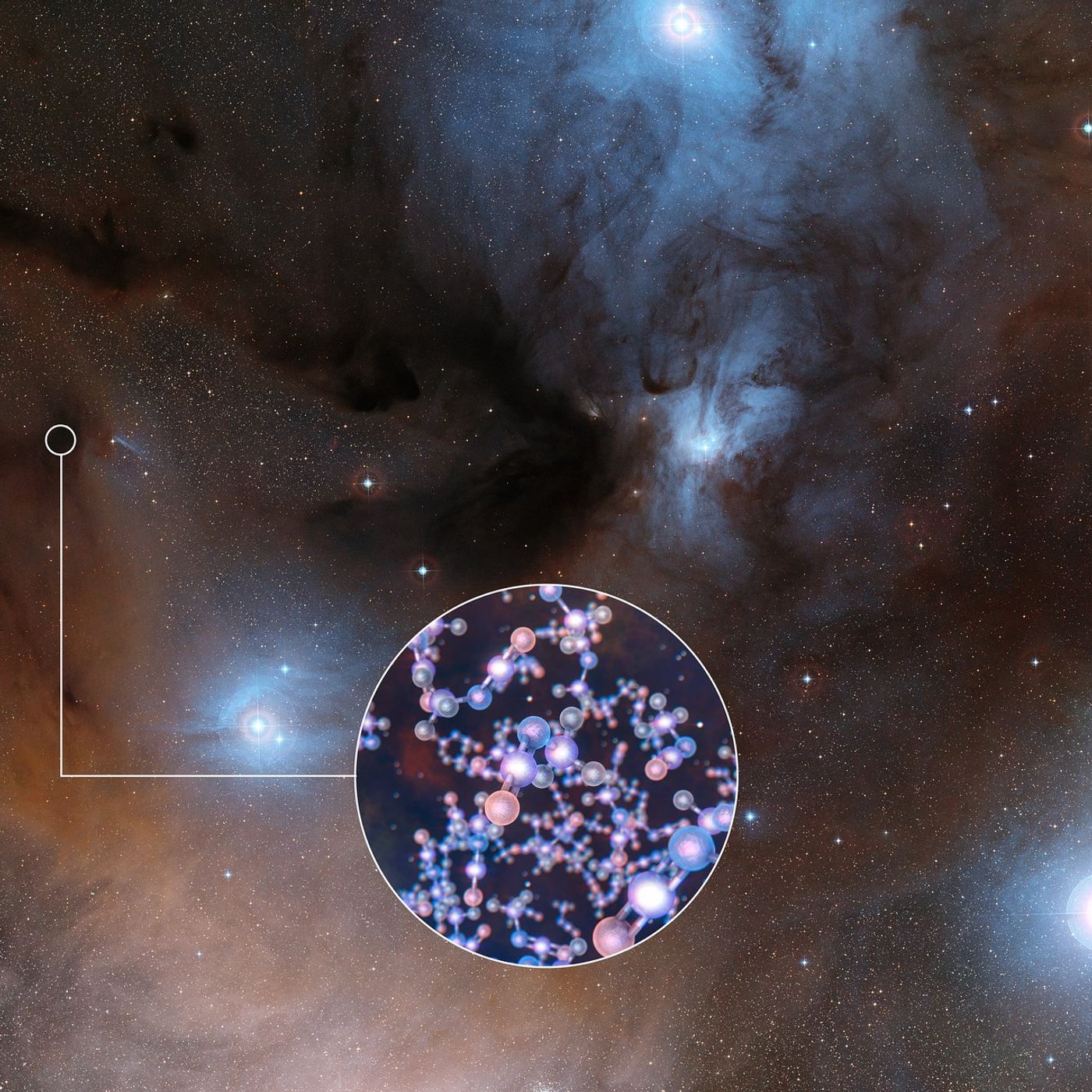
Astronomers have found the basic ingredients of life in an infant solar system.
369-Finding Treasure [not-audio_url] [/not-audio_url]

Duration: 2:01
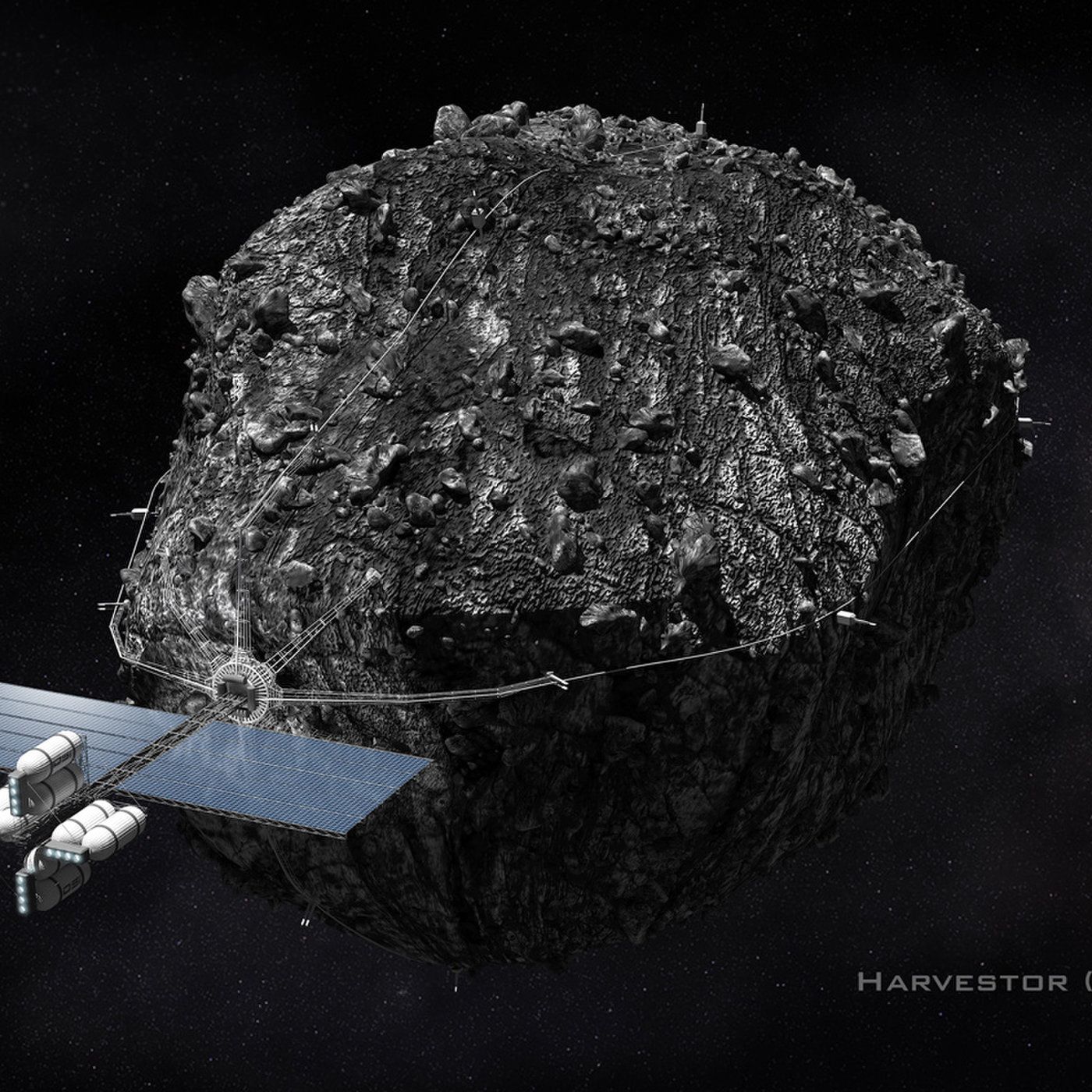
Space miners can up their odds by prospecting with ground based telescopes.
368-Asteroid Alert [not-audio_url] [/not-audio_url]

Duration: 2:01
NASA's Scout and Sentry software systems allow asteroid hunters to study and keep track of potentially dangerous asteroids.
367-Future Impactor [not-audio_url] [/not-audio_url]

Duration: 2:01
A 33 foot diameter asteroid has about a 1% chance of impacting the Earth in the distant future.
366-3 Explorers [not-audio_url] [/not-audio_url]

Duration: 2:01
A tiny space rock which can pass closer to us than the communications satellites may have been ejected from our Moon.
365-Tabby's Star [not-audio_url] [/not-audio_url]

Duration: 2:01
Tabby's star varies in brightness suggesting that it swallowed one or more of it's planets in the very recent past. Cannibal Star or Alien Megastructure?