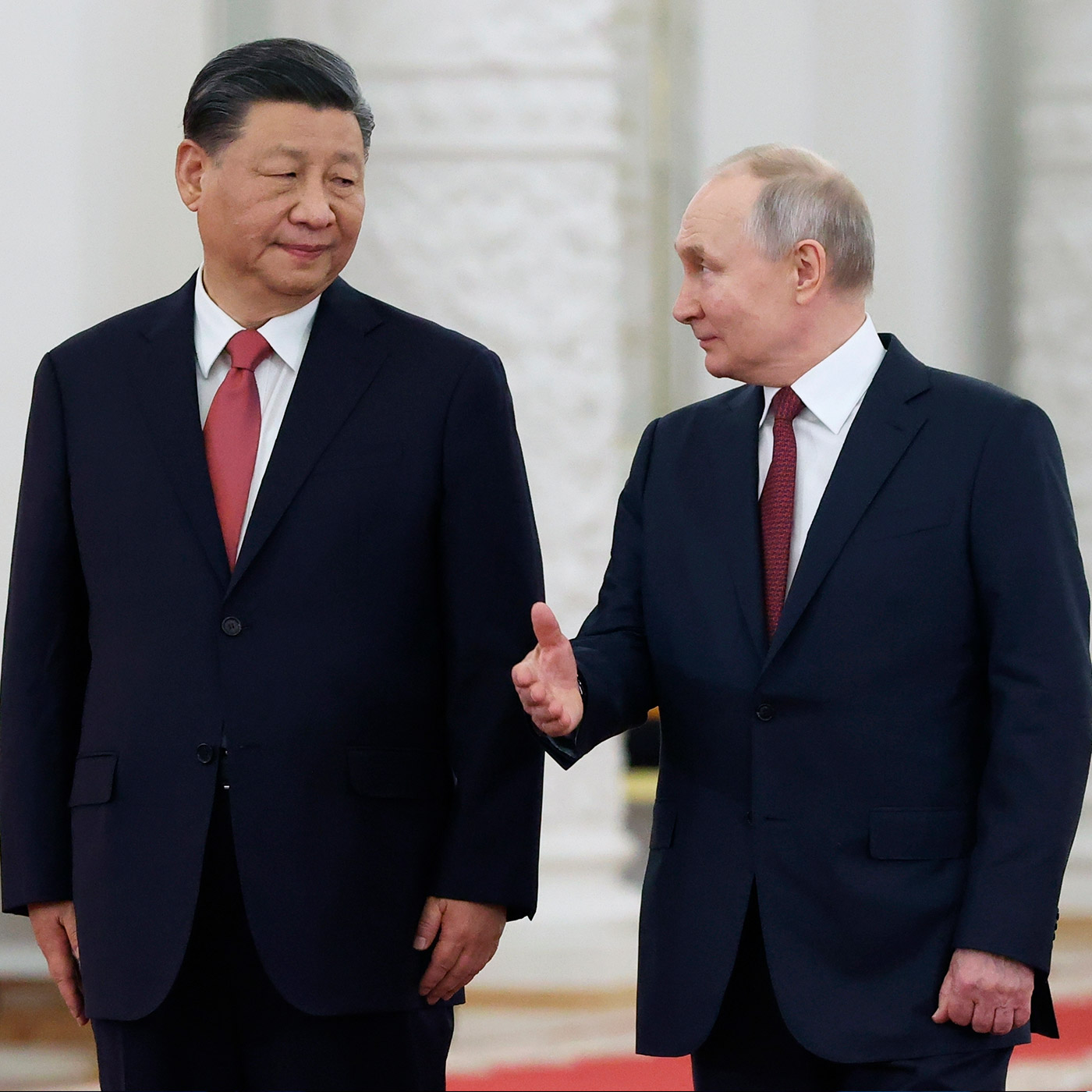
How to De-Escalate the War in Ukraine

How to De-Escalate the War in Ukraine

Author: The Watson School December 21, 2022 Duration: 30:36

2022 is coming to a close, but one of the most consequential events of the last year continues unabated: the War in Ukraine. As we approach the one-year mark of Russia’s invasion of Ukraine, experts and casual observers (not to mention countless Ukrainians and Russians) are all left wondering: how might this war end? 

Should the US and NATO support Ukraine at all costs? Or should they push Ukraine and Russia towards a negotiated settlement? What would such a settlement even look like? 

Meanwhile, new conflicts around the world continue to emerge, each with their own seemingly impossible questions. 

This is why we’re launching ‘Escalation,’ a new limited series from Trending Globally. Over the next few months, you’ll hear from experts about the history, philosophy, and even psychology of conflict escalation, and what can be done to reduce global conflicts going forward. 

Our first episode in the series features Lyle Goldstein, a visiting Professor at the Watson Institute and Director of Asia Engagement at the think-tank Defense Priorities. He’s an expert on the effects of great power conflict, and the theories that explain them. 

Professor Goldstein has been following the war in Ukraine closely through both Western and Russian media. He recently published a paper with Watson’s Costs of War Project looking at how, while there are no obvious paths out of this war, there are at least paths we should know to avoid. Host Dan Richards and Professor Goldstein explore the poor assumptions and misunderstandings that drive many ideas in this conflict, as well as what a better path forward might look like. 

Learn more about Professor Goldstein’s recent paper with the Costs of War Project. 

Learn more about the Watson Institute’s other podcasts.


From the Watson School at Brown University, Trending Globally: Politics and Policy brings the insights of leading scholars and practitioners directly into your ears. This award-winning podcast digs into the complex forces shaping our world, moving beyond headlines to understand the deeper political and policy decisions behind them. Each conversation is designed to unpack a pressing issue-whether it's international trade tensions, public health crises, or social movements-with clarity and depth. You'll hear experts from the Watson Institute and beyond explain not just what's happening, but why it matters and how different policies might change the course of events. The discussions are grounded in rigorous research yet remain accessible, turning daunting global topics into understandable and engaging dialogue. For anyone curious about the mechanics of power, governance, and societal change, this series offers a vital resource. It’s a direct line to some of the sharpest minds in international and public affairs, all within a format that fits into your daily routine. Find Trending Globally: Politics and Policy and add it to your listening rotation for a consistently informative perspective on the stories that define our time.
Author: Language: English Episodes: 100

Trending Globally: Politics and Policy
Podcast Episodes
How participatory budgeting can strengthen our democracy [not-audio_url] [/not-audio_url]

Duration: 23:02
Imagine if, when you were in middle school, an Ivy League professor came to your school and told you that you were going to be part of an experiment. You were going to get to decide how the money in your school was spent…
Why the West is thinking about the coup in Niger all wrong [not-audio_url] [/not-audio_url]

Duration: 28:41
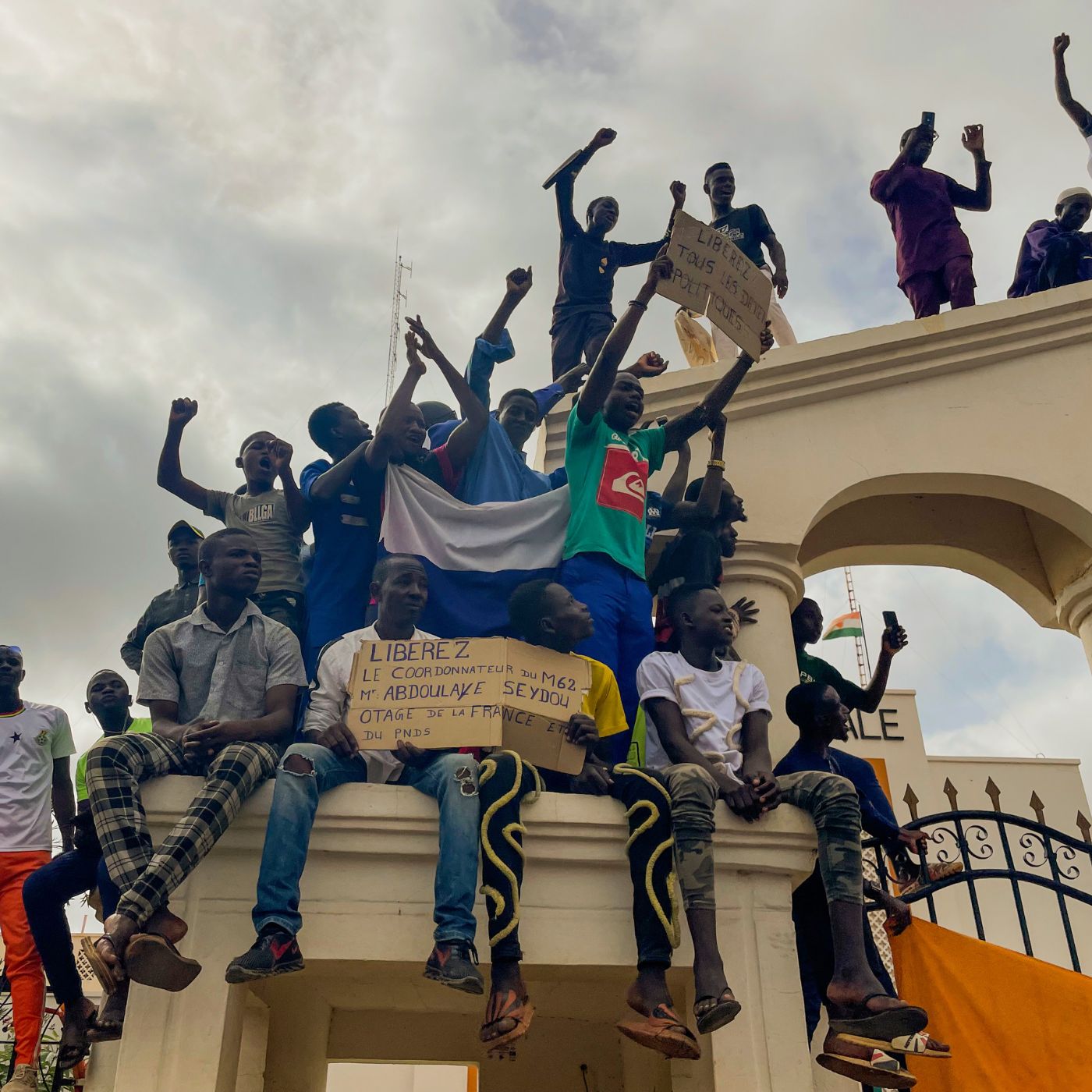
This summer, military forces in the West African country of Niger pushed the country’s president, Mohamed Bazoum, out of power.This was not the first coup in Niger’s history, or in the recent history of the Sahel region…
The perils and promise of AI [not-audio_url] [/not-audio_url]

Duration: 35:33
In the last year, programs like ChatGPT, Dall-E and Bard have shown the world just how powerful artificial intelligence can be. AI programs can write hit pop songs, pass the bar exam and even appear to develop meaningful…
The politics behind Turkey’s pivotal election [not-audio_url] [/not-audio_url]

Duration: 33:58
On May 14, 2023, Turkey’s President Recep Tayyip Erdoğan faced the most challenging test of his political career from a multi-party coalition led by social democrat and reformer Kemal Kılıçdaroğlu. The diverse coalition…
How Taiwan became “the most dangerous flashpoint in the world” [not-audio_url] [/not-audio_url]

Duration: 29:46
This Spring, visiting professor at the Watson Institute for International and Public Affairs’ China Initiative Lyle Goldstein made his first trip to China in five years. He met with military strategists, government offic…
Cybersecurity is much more than a tech problem [not-audio_url] [/not-audio_url]

Duration: 29:33
You’ve seen it in the headlines, and maybe you’ve felt it in your own life: over the last few years, cyber attacks have become more frequent and more damaging. They can also vary widely in nature, ranging from minor nuis…
What do we mean when we talk about the ‘free market’? [not-audio_url] [/not-audio_url]

Duration: 26:54
There are some ideas that inform so much of our thinking about the world that we tend to take them for granted. One example: the idea of the “free market.” Whether we’re talking about income inequality, climate change, o…
How domestic violence legislation has failed to keep women safe [not-audio_url] [/not-audio_url]

Duration: 27:55
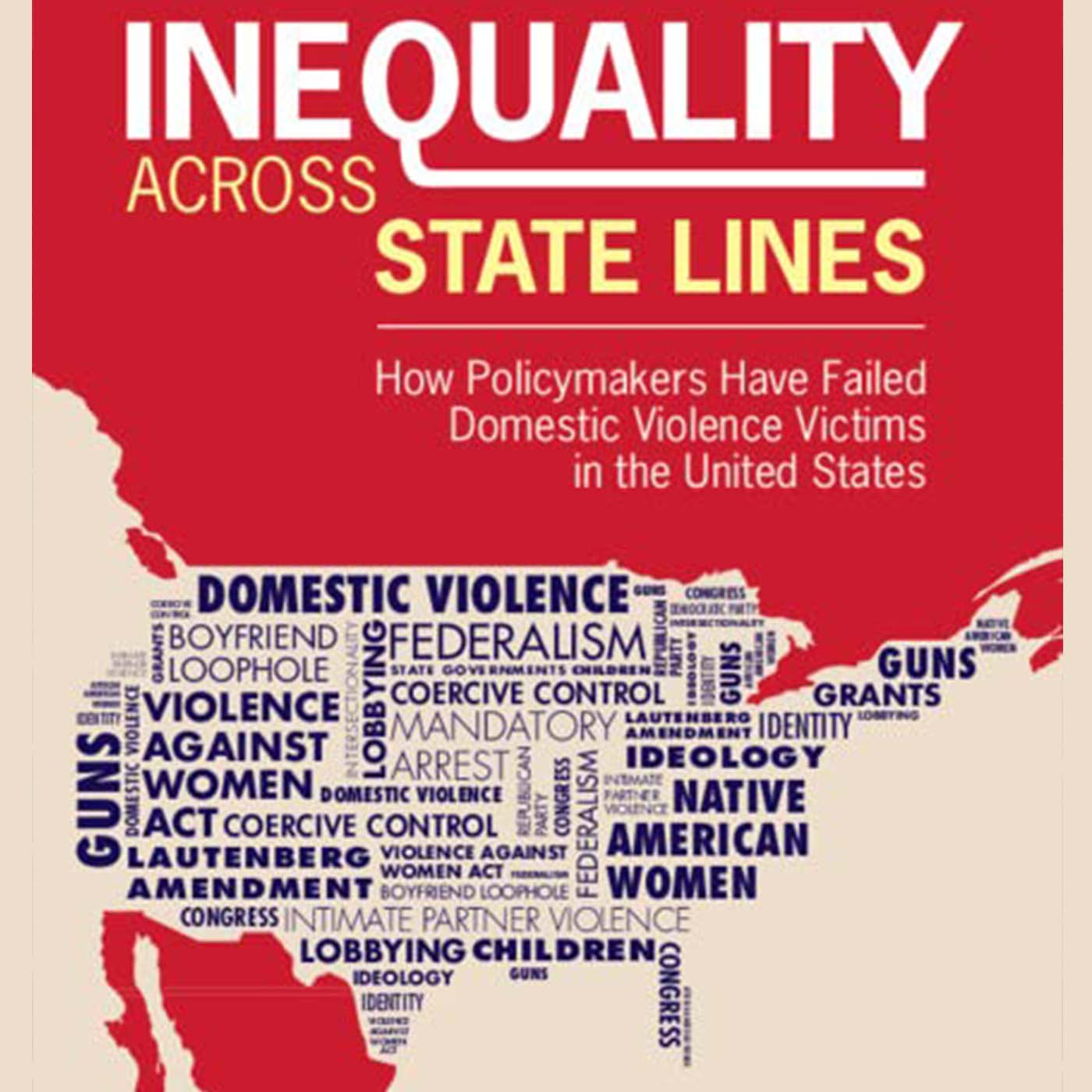
Every minute, roughly 20 people in America (mostly women and children) become victims of domestic violence. The effects of these crimes ripple out to families and communities in every corner of the United States. Yet, de…