What should the Supreme Court’s role in our politics be?

What should the Supreme Court’s role in our politics be?

Author: The Watson School May 24, 2024 Duration: 35:57

At the Watson Institute, the beginning of summer means commencement festivities, moving trucks, and bittersweet goodbyes. In American politics, the beginning of summer means something very different: the approach of the Supreme Court's summer recess and, with it, the handing down of the Court’s final decisions from this term. This year’s cases will have profound effects on the 2024 election, gun rights, reproductive rights, and more. 

While it’s nothing new for the Supreme Court to weigh in on contentious issues in society, as our guest on this episode sees it, something profound has shifted within the Court over the last few years. The decisions they hand down are not only increasingly transformative, they’re also lining up more and more clearly with our partisan politics. And no matter your politics, that should be a problem. 

Kate Shaw is a constitutional law scholar and professor at the University of Pennsylvania Carey Law School and a 2001 graduate of Brown University. She is also the co-host of the podcast “Strict Scrutiny,” which explores the Supreme Court — the cases, the people and the culture surrounding it. 

On this episode, Dan Richards spoke with her about how the Supreme Court fits in our politics today, how that role has changed over time, and what Kate thinks its role in our society today should be.

Subscribe to Trending Globally wherever you listen to podcasts. 

Subscribe to Strict Scrutiny wherever you listen to podcasts.


From the Watson School at Brown University, Trending Globally: Politics and Policy brings the insights of leading scholars and practitioners directly into your ears. This award-winning podcast digs into the complex forces shaping our world, moving beyond headlines to understand the deeper political and policy decisions behind them. Each conversation is designed to unpack a pressing issue-whether it's international trade tensions, public health crises, or social movements-with clarity and depth. You'll hear experts from the Watson Institute and beyond explain not just what's happening, but why it matters and how different policies might change the course of events. The discussions are grounded in rigorous research yet remain accessible, turning daunting global topics into understandable and engaging dialogue. For anyone curious about the mechanics of power, governance, and societal change, this series offers a vital resource. It’s a direct line to some of the sharpest minds in international and public affairs, all within a format that fits into your daily routine. Find Trending Globally: Politics and Policy and add it to your listening rotation for a consistently informative perspective on the stories that define our time.
Author: Language: English Episodes: 100

Trending Globally: Politics and Policy
Podcast Episodes
The Protests in Iran Are About More than Hijabs [not-audio_url] [/not-audio_url]

Duration: 21:26
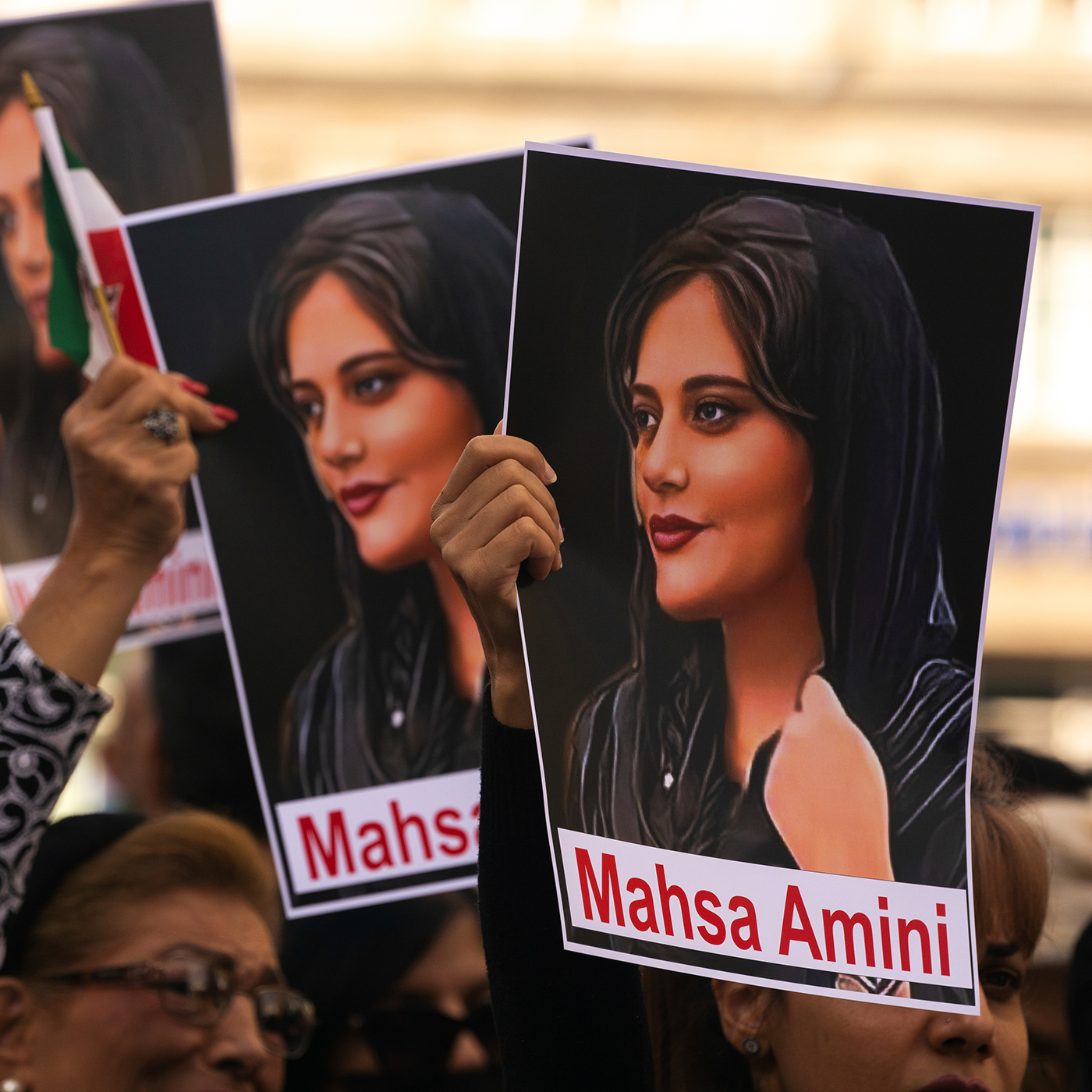
From the Watson Institute at Brown University, this is Trending Globally. I’m Dan Richards. On September 13, 2022, a young Iranian woman named Mahsa Amini was detained by the country’s ‘morality police’ for improperly we…
Does Anger Win Elections? [not-audio_url] [/not-audio_url]

Duration: 24:11
On Sunday, September 25, the far-right Brothers of Italy party won a commanding victory in Italy’s general election. They’ll be the leading party in the country’s right-wing governing coalition, and their leader, Giorgia…
Learning from Afghan Refugee Resettlement in Rhode Island [not-audio_url] [/not-audio_url]

Duration: 25:05
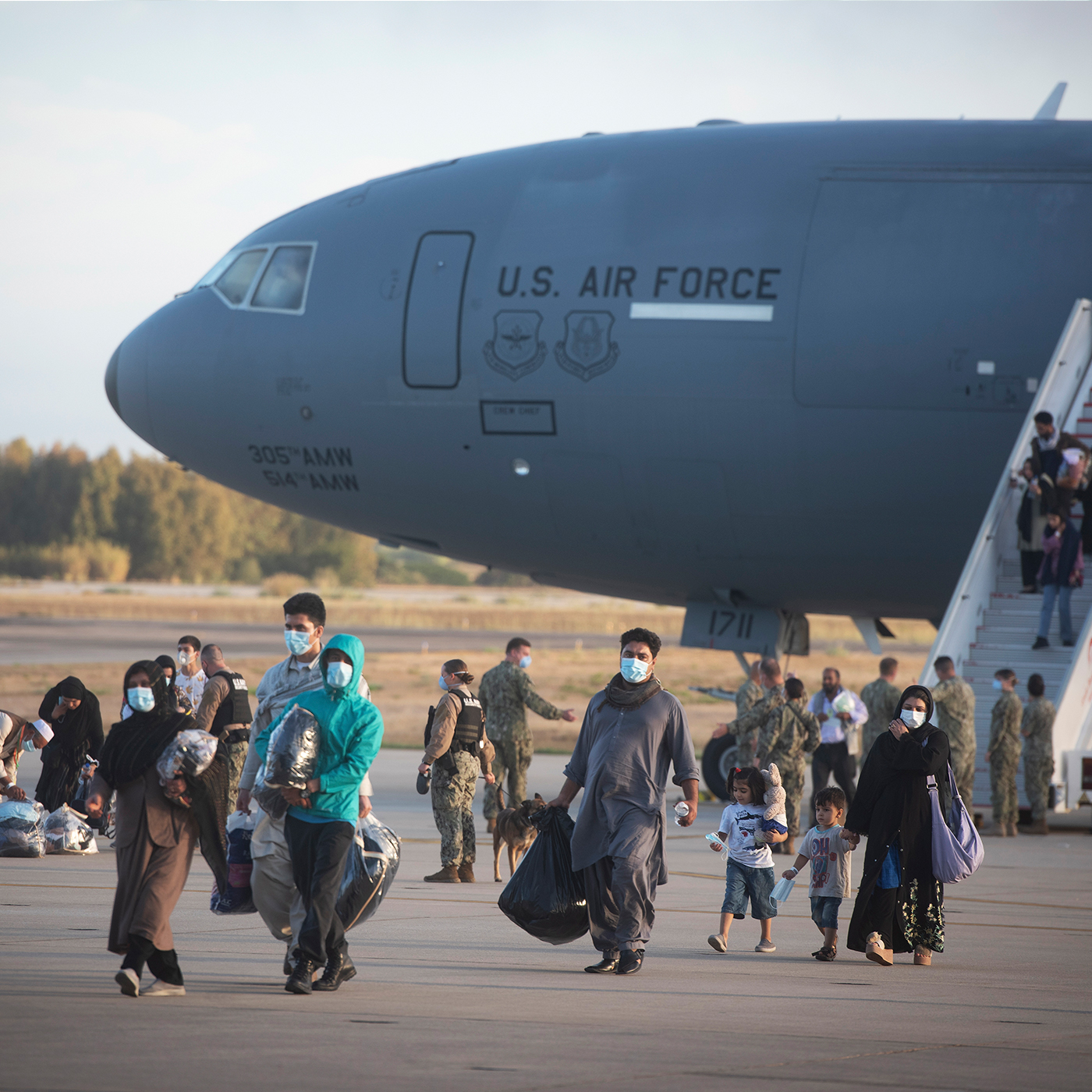
In the fall of 2021, tens of thousands of Afghan citizens were evacuated out of Afghanistan as the Taliban re-took the country. Many of these people resettled in the United States, and many more will resettle here in the…
The Past, Present, and Future of Organized Labor in America [not-audio_url] [/not-audio_url]

Duration: 35:13
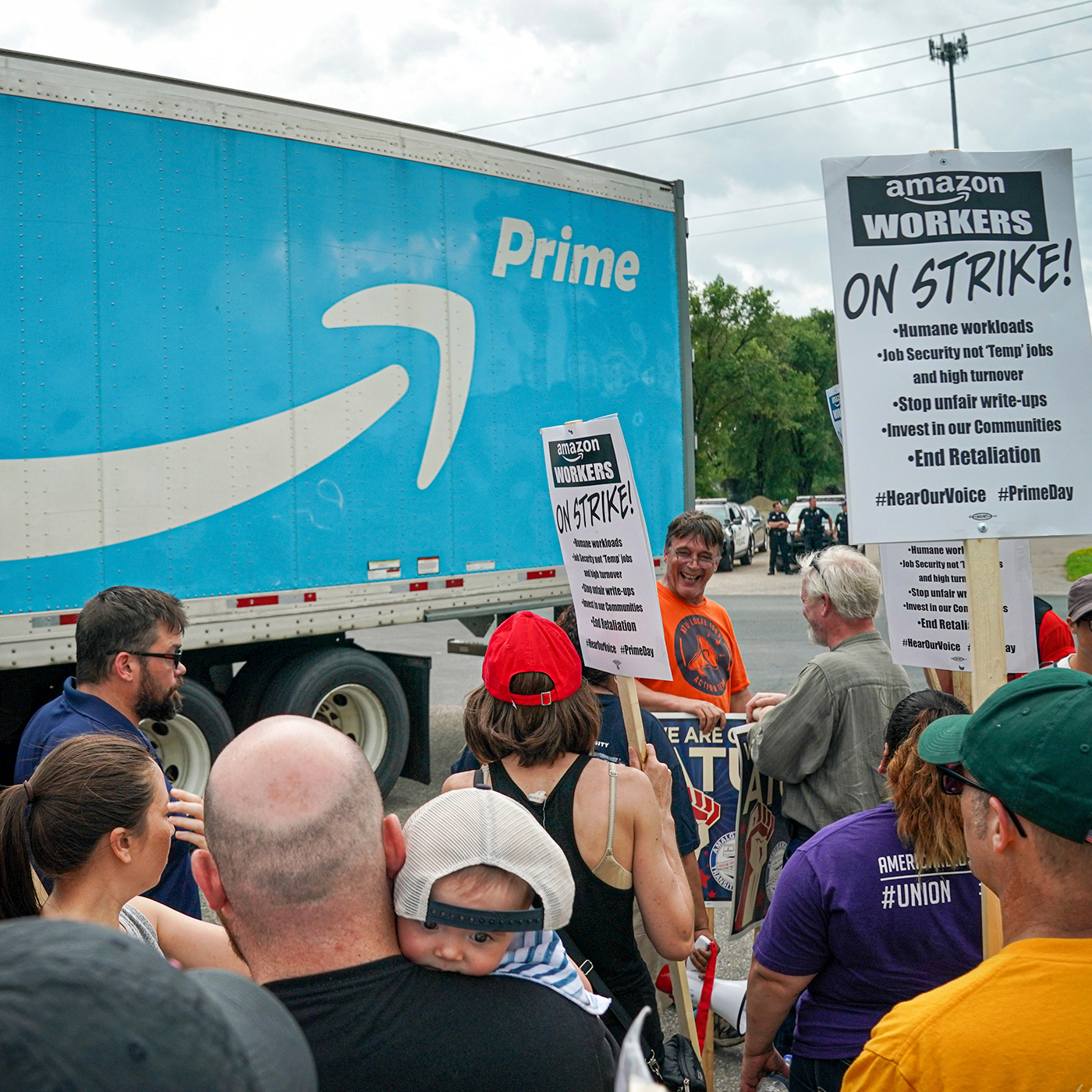
High-profile unionization drives at companies like Amazon, Apple, and Starbucks have focused attention on organized labor in the US in a way unseen in half a century. The attention isn’t without merit: there were more su…
The Secret History of the Pope and World War II [not-audio_url] [/not-audio_url]

Duration: 26:39
In March 2020, the Vatican’s Apostolic Archives of Pope Pius XII – also known as the Vatican’s ‘secret archives’ – were opened to scholars from around the world. Historian and Watson Professor David Kertzer was one of th…
Is the Supreme Court Ready for the 21st Century? [not-audio_url] [/not-audio_url]

Duration: 24:44
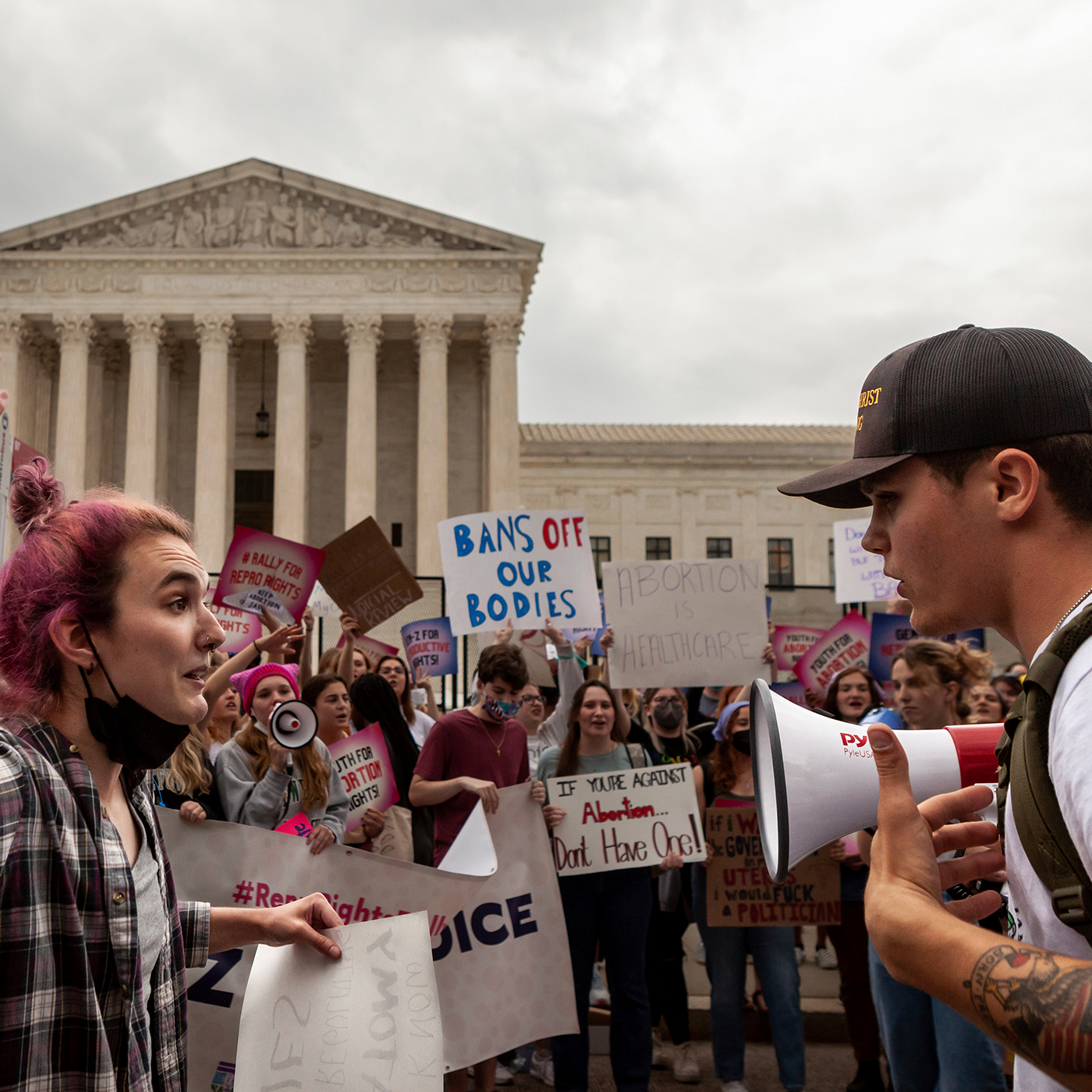
In 1973, the Supreme Court made abortion a constitutional right in its Roe v. Wade decision. This June, in a 6-to-3 decision in Dobbs v. Jackson Women’s Health Organization, the Supreme Court undid that right. The decisi…
The Domestic Costs of America’s Post-9/11 Wars [not-audio_url] [/not-audio_url]

Duration: 33:55
This past year, Trending Globally has been teaming up with the Costs of War Project to explore the effects of 20 years of America’s post-9/11 wars. Past episodes have explored America’s growing military presence around t…
Can We Make Social Media Safe for Democracy? [not-audio_url] [/not-audio_url]

Duration: 23:50
For many politicians, policymakers, and voters, the 2016 election of Donald Trump was a shocking lesson in the massive role tech companies, like Facebook and Twitter, play in our politics. Since then, their role has only…
One Economist Makes the Case for Expanding Immigration [not-audio_url] [/not-audio_url]

Duration: 25:04
Today, there are over 25 million people living as refugees around the world. Humanitarian crises in Ukraine, Afghanistan, Syria, and countless other countries have led to this staggering figure. No matter the circumstanc…
Will America Ever Learn from the Mistakes of its ‘Forever Wars’? [not-audio_url] [/not-audio_url]

Duration: 23:20
Last August, the United States pulled out of Afghanistan, ending its longest-ever military engagement. For a moment, it seemed like the US might be entering a period defined more by its domestic agenda than its internati…