The Gold Standard and the Great Depression

The Gold Standard and the Great Depression

Author: Chris Staron May 3, 2022 Duration: 14:19
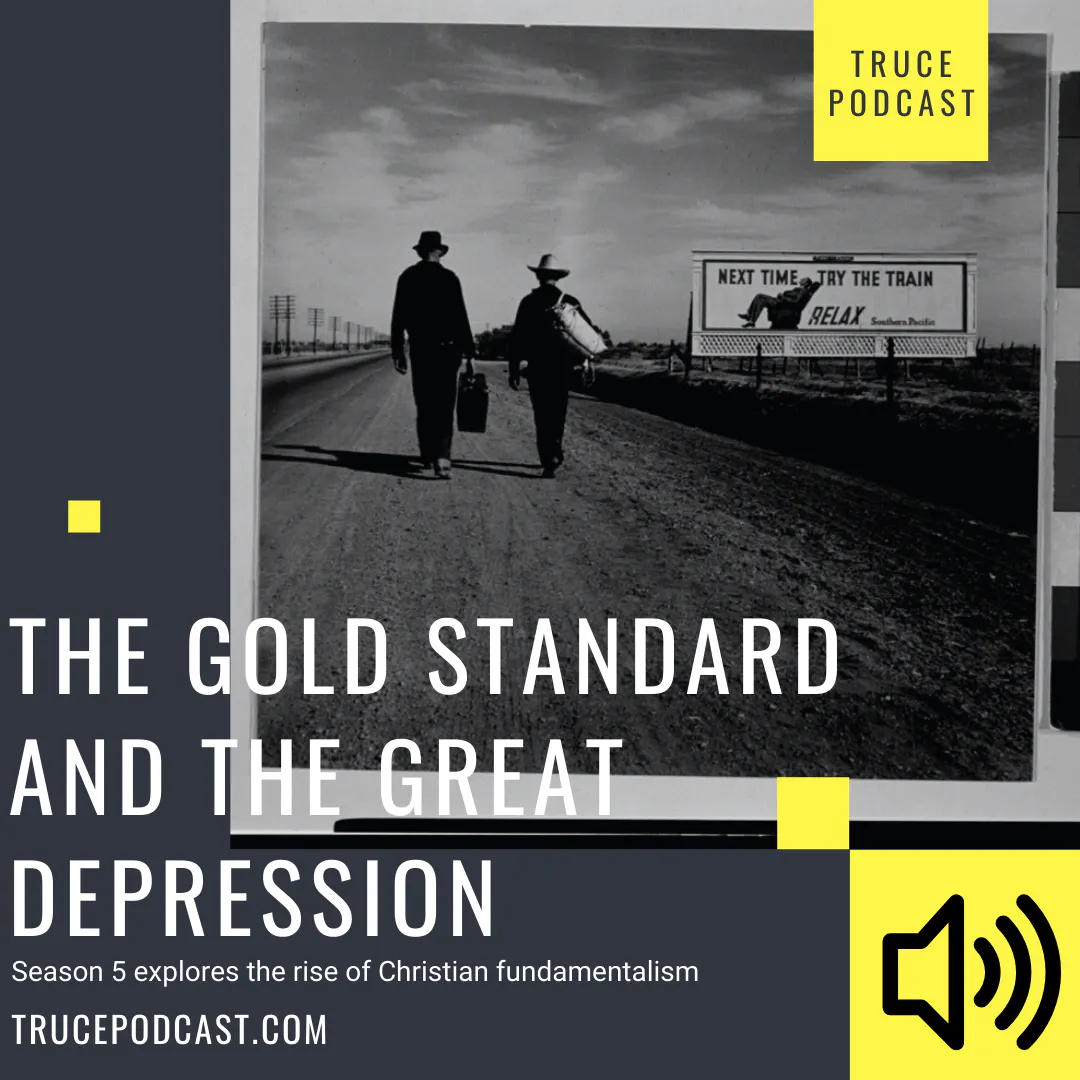
The Great Depression. Some say that it was caused by a failure of the stock market. Well... that's not all. Jacob Goldstein, host of NPR's Planet Money podcast and author of "Money: the Truce Story of a Made-Up Thing" joins us to discuss the role the gold standard played in making the depression what it was. Here is why the gold standard made the Great Depression much worse. Simply put, the panic of 1929 caused people to run to the bank and demand their money back in the form of gold. We were on the gold standard back then and you could literally go to a bank and ask for them to get your money in gold. But banks were running out! There was only so much gold on hand because banks don't generally keep 100% of their money in the vault. And banks (for the ease of our understanding things) "create" money when they do loans. So it was possible for a bank only to have a certain percentage of their loans backed by actual gold. This created real trouble. If the banks ran out of gold, they'd go broke and have to close. So the Federal Reserve decided to raise interest rates. Raising interest rates gives people an incentive to leave their money in banks because then they get more interest. BUT it also made it harder for people to borrow money or refinance their existing loans. Which put a huge crimp on the American financial system. In order to keep gold in the banks, the Fed had to hobble the loan industry. That meant that businesses couldn't get loans to help with payroll, and people looking to start a business couldn't get the money they needed. And the economy froze. That is why the gold standard was bad for the economy. Preserving it meant sacrificing the loan industry. Helpful Sources: "Money: The True Story of a Made-Up Thing" Learn more about your ad choices. Visit podcastchoices.com/adchoices

Hosted by Chris Staron, Truce-History of the Christian Church is a deep, journalistic look into the forces that have shaped American evangelicalism. This isn't a simple timeline of events; it's an investigation into the surprising intersections of faith, culture, and power. Staron digs into movements from fundamentalism's roots to modern political campaigns, and even examines connections to phenomena like pyramid schemes, revealing a complex history many listeners may never have encountered. Each episode is built on thorough research and thoughtful interviews, aiming to understand not just how the church arrived at its current moment, but how that story might inform a better path forward. The current season focuses specifically on the rise of the Religious Right, meticulously tracing the evolving alliance between evangelicals and the Republican Party. To tell this story, the podcast features conversations with notable guests like historians Rick Perlstein and Frances Fitzgerald, or journalist Jesse Eisinger, who bring their expertise to this nuanced narrative. Listening to this podcast feels like joining a rigorous yet accessible conversation, one that respects the subject's gravity while pursuing clarity and truth. For anyone curious about the real stories behind today's headlines concerning faith and society, this series offers essential context.
Author: Language: English Episodes: 100

Truce - History of the Christian Church
Podcast Episodes
Mike Cosper: The Church in Dark Times [not-audio_url] [/not-audio_url]

Duration: 40:27
Give $10/ month to help Chris make Truce What are the warning signs that a church leader will become a tyrant? How do we prevent church hurt from becoming our identity? What are ideologies and how do they become the over…
The Cask of Amontillado by Edgar Allan Poe [not-audio_url] [/not-audio_url]

Duration: 17:50
Give to help Chris continue to make Truce In the Kanawha County Textbook War episode, Chris shared that the people of that county fought against some textbooks and stories being read in classrooms and as homework. Edgar…