A new approach to peacebuilding with Severine Autesserre

A new approach to peacebuilding with Severine Autesserre

Author: Department of War Studies July 15, 2021 Duration: 43:52
Billions of dollars are spent every year on pacifying conflict zones by international organisations and NGOs. However, the past five years have seen the worst refugee crisis in the world since World War II, and conflicts continue to erupt despite unabated these massive peacekeeping missions. So why is the aid industry failing to deliver lasting peace and what can we instead? In a special episode of the podcast we talk to Professor Séverine Autesserre, professor of political science at Barnard College, Columbia University. An award-winning researcher and author, writing on conflict, peacebuilding and international aid, her research has helped shape the intervention strategies of several United Nations departments, foreign affairs ministries, and non-governmental organisations. Interviewed by guest host, MA student Gizem Yurtseven, Séverine discussed her latest book The Frontlines of Peace: An Insider’s Guide to Changing the World, which across 12 different conflict zones, shares her discovery that pockets of peace can be found everywhere, from Congo to Colombia to Afghanistan. Her inspiring accounts turn on its head traditional notions of peacebuilding, revealing success stories of grassroots initiatives led by local people which have led to long-lasting peace in some of the worst conflict zones around the world.

Drawn from the work of the School of Security Studies at King's College London, War Studies offers a direct line to one of the world's largest and most dedicated academic communities focused on security, defence, and international relations. This isn't about surface-level headlines; each episode digs into the intricate realities of conflict, diplomacy, and global power. You'll hear scholars and researchers unpack the underlying forces that shape world affairs, moving beyond theory to examine the tangible challenges faced by those navigating these complex spaces. The Department of War Studies produces this podcast to share its world-leading research, treating each conversation as an opportunity to question assumptions and deepen understanding. Tuning in means engaging with rigorous analysis that connects academic insight to the pressing security issues of our time. The consistent thread is a belief that examining the nature of war is essential for comprehending the broader landscape of human conflict and cooperation. Expect thoughtful, evidence-driven discussions that refuse to simplify the difficult questions.
Author: Language: English Episodes: 100

War Studies
Podcast Episodes
Trauma and the reintegration of ex-combatants [not-audio_url] [/not-audio_url]

Duration: 33:25
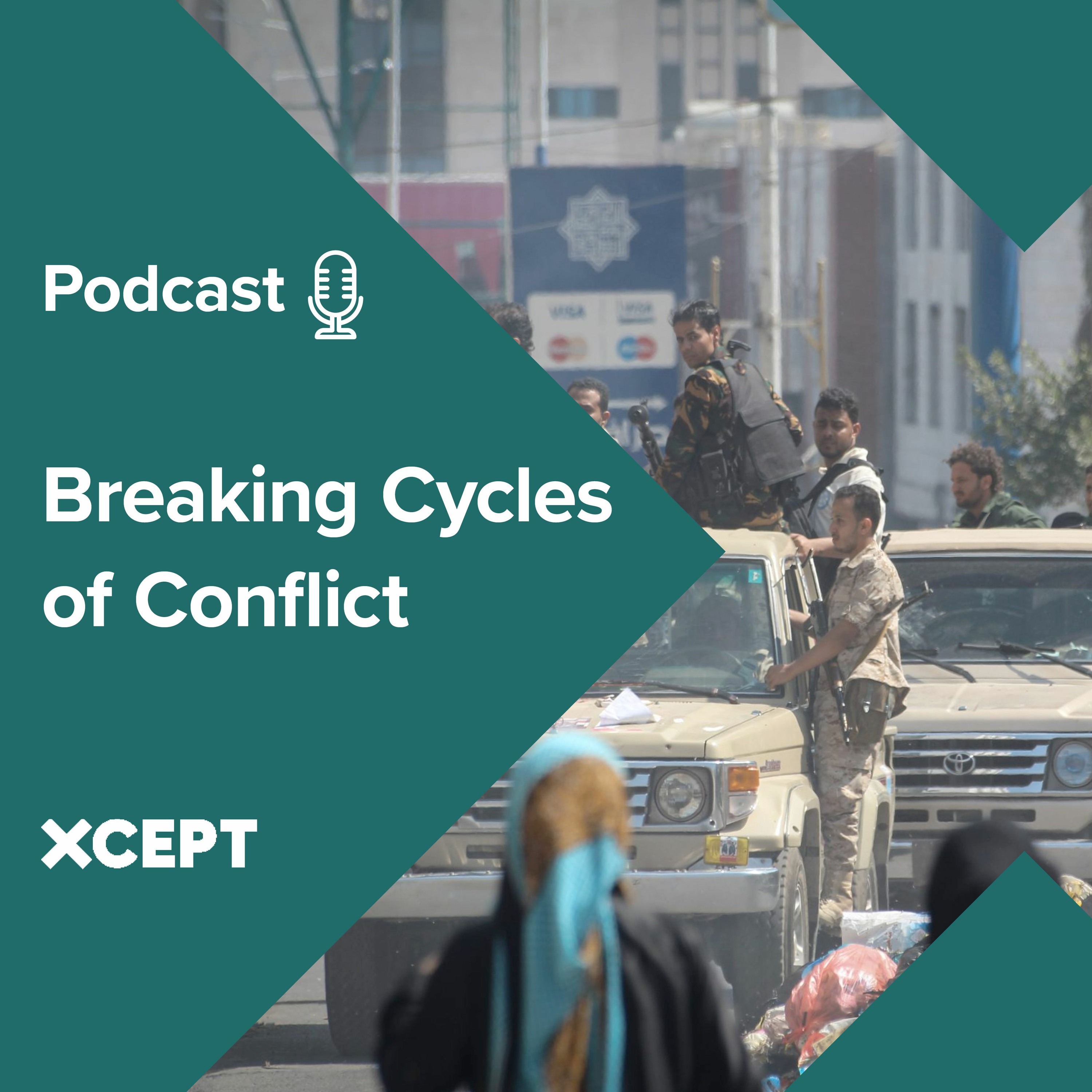
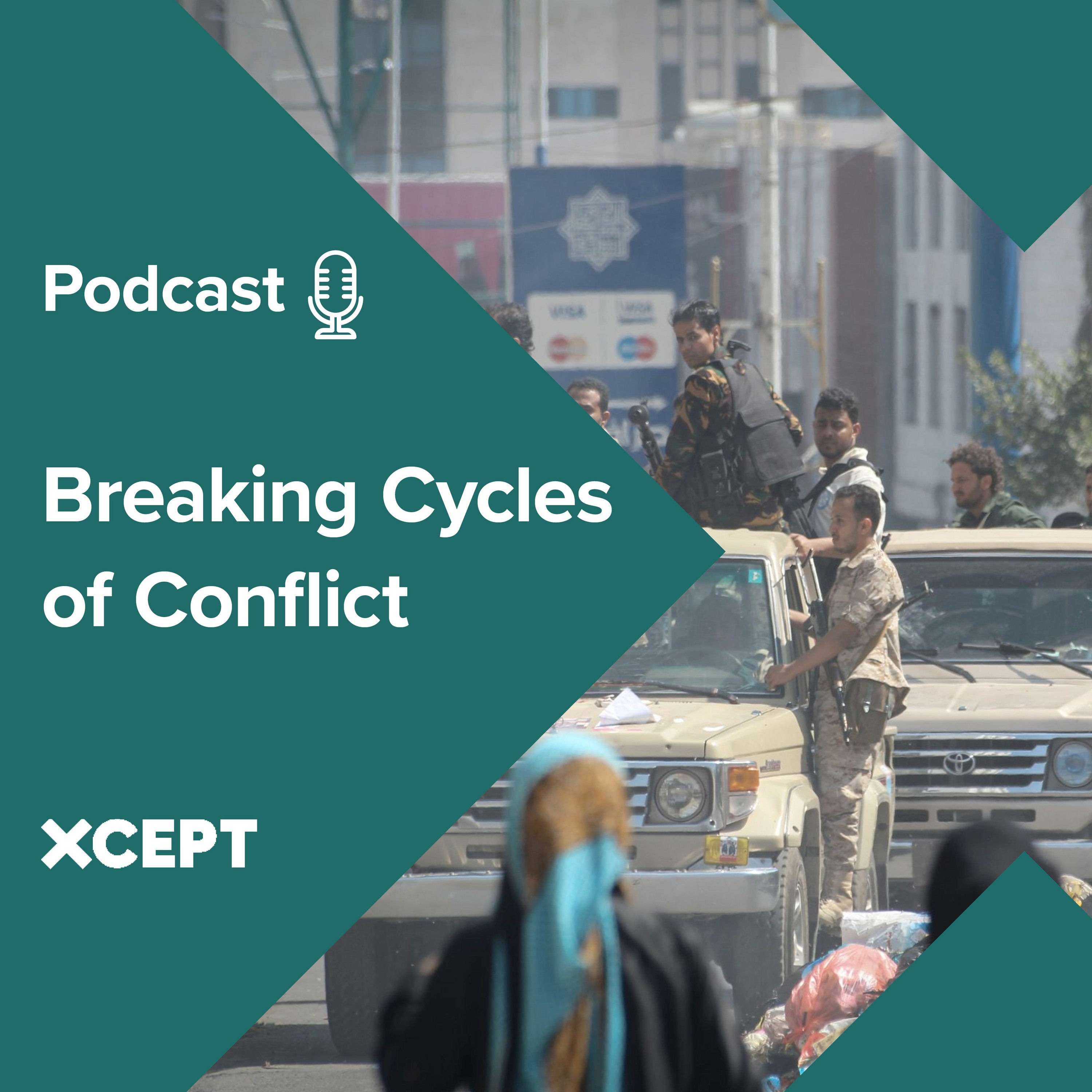
In the latest episode of the Breaking Cycles of Conflict mini-series, Dr Heidi Riley is joined by Dr Gina Vale to discuss how trauma can affect efforts to reintegrate ex-combatants. Dr Riley explores the different ways i…
Neuroimaging of Radicalisation [not-audio_url] [/not-audio_url]

Duration: 45:27
In the latest episode of the Breaking Cycles of Conflict mini-series, we are joined by Dr Nafees Hamid, Senior Research Fellow at the International Centre for the Study of Radicalisation (ICSR) and Research and Policy Di…
Council of the Syrian Charter [not-audio_url] [/not-audio_url]

Duration: 40:10
As the conflict in Syria passes its 12th anniversary, one civil society body is trying to pave the way to peace. The Council of the Syrian Charter calls for social cohesion built around a common social heritage that tran…
What makes a violent lone actor? Exploring the role of mental health [not-audio_url] [/not-audio_url]

Duration: 48:31
In this episode of the Breaking Cycles of Conflict mini-series, Paul Gill, Professor of Security and Crime Science at University College London, discusses his research into lone actor terrorists and the complex link betw…
Russia's War: Unravelling the Kremlin's narrative [not-audio_url] [/not-audio_url]

Duration: 44:33
Why is there support for Putin's invasion of Ukraine? How has the Kremlin framed the war? What will be the long-term impact of the war on Russia? In this episode, we spoke to Dr Jade McGlynn, a Senior Researcher in the D…
Making Sense of Trauma [not-audio_url] [/not-audio_url]

Duration: 44:53
How can testimony and storytelling help us understand the suffering and trauma of victims of conflict? Why is the act of bearing witness to trauma politically important in terms of raising awareness, healing, and reconci…
Where are the women? Exploring the experiences of women in conflict [not-audio_url] [/not-audio_url]

Duration: 34:46
Why is it important to give women a voice in the study of war and security? Are women considered in military strategies and post-conflict reconstruction? In this special edition for International Women's Day, we talk to…
365 days of war in Ukraine: What have we learned? [not-audio_url] [/not-audio_url]

Duration: 45:59
King's College London postdoctoral researcher, Marina Miron, talks to the War Studies Podcast as we reflect on the first 365 days of Russia's 'Special Military Operation' in Ukraine. Using her knowledge of Russian milita…
The women of IS [not-audio_url] [/not-audio_url]

Duration: 34:44
As Shamima Begum appeals the removal of her British citizenship, the question of whether or not she is a ‘victim’ has flooded the press. Was Begum trafficked? Was she groomed? Or did she in fact know exactly what she was…
Do trauma interventions work? [not-audio_url] [/not-audio_url]

Duration: 24:42
Trauma interventions in fragile areas can help to break cycles of conflict, because we know that exposure to violence causes trauma, but that trauma can also cause violence. But these interventions are often delivered fo…