Guilty women, foreign policy, and appeasement with Professor Julie Gottlieb

Guilty women, foreign policy, and appeasement with Professor Julie Gottlieb

Author: Department of War Studies November 16, 2021 Duration: 43:10
Did British men and women react in the same way to the imminence of the Second World War? How did women feel about the Munich agreement - the notorious false dawn of ‘peace in our time’? Since they had been given the vote in 1928, women’s political power and influence was a matter of concern, coinciding in the 1930s with the deepening anxieties about the potential and increasing probability of another world war. In this episode we talk to Professor Julie Gottlieb, historian of modern British political history, including women's history and gender studies, from the University of Sheffield, about her book Guilty Women’, Foreign Policy, and Appeasement in Inter-War Britain. Casting new light on the gendered representation of appeasement, it looks at the so-called ‘woman’s peace’ – the perception that women were behind the push for appeasement and that their emancipation through the vote had “sown the seeds of national decline”. We discuss whether there’s any truth behind these claims as well as how the rhetoric of women’s pacifist movements in the late 1930s started to blur uncomfortably with that of anti-war Nazi-sympathising women on the far right. We also take a look at the turn to international affairs in feminist politics between the wars, and the extent to which it reveals how British women were deeply invested in foreign policy and diplomacy at the time.

Drawn from the work of the School of Security Studies at King's College London, War Studies offers a direct line to one of the world's largest and most dedicated academic communities focused on security, defence, and international relations. This isn't about surface-level headlines; each episode digs into the intricate realities of conflict, diplomacy, and global power. You'll hear scholars and researchers unpack the underlying forces that shape world affairs, moving beyond theory to examine the tangible challenges faced by those navigating these complex spaces. The Department of War Studies produces this podcast to share its world-leading research, treating each conversation as an opportunity to question assumptions and deepen understanding. Tuning in means engaging with rigorous analysis that connects academic insight to the pressing security issues of our time. The consistent thread is a belief that examining the nature of war is essential for comprehending the broader landscape of human conflict and cooperation. Expect thoughtful, evidence-driven discussions that refuse to simplify the difficult questions.
Author: Language: English Episodes: 100

War Studies
Podcast Episodes
Prisons: the path to extremism? [not-audio_url] [/not-audio_url]

Duration: 45:13
Are prisons really hotbeds of terrorism? Will the ‘ordinary’ young man entering prison be so influenced by his cell mate that he leaves a terrorist? Or can a spell in these ‘incubators of extremism’ actually have the opp…
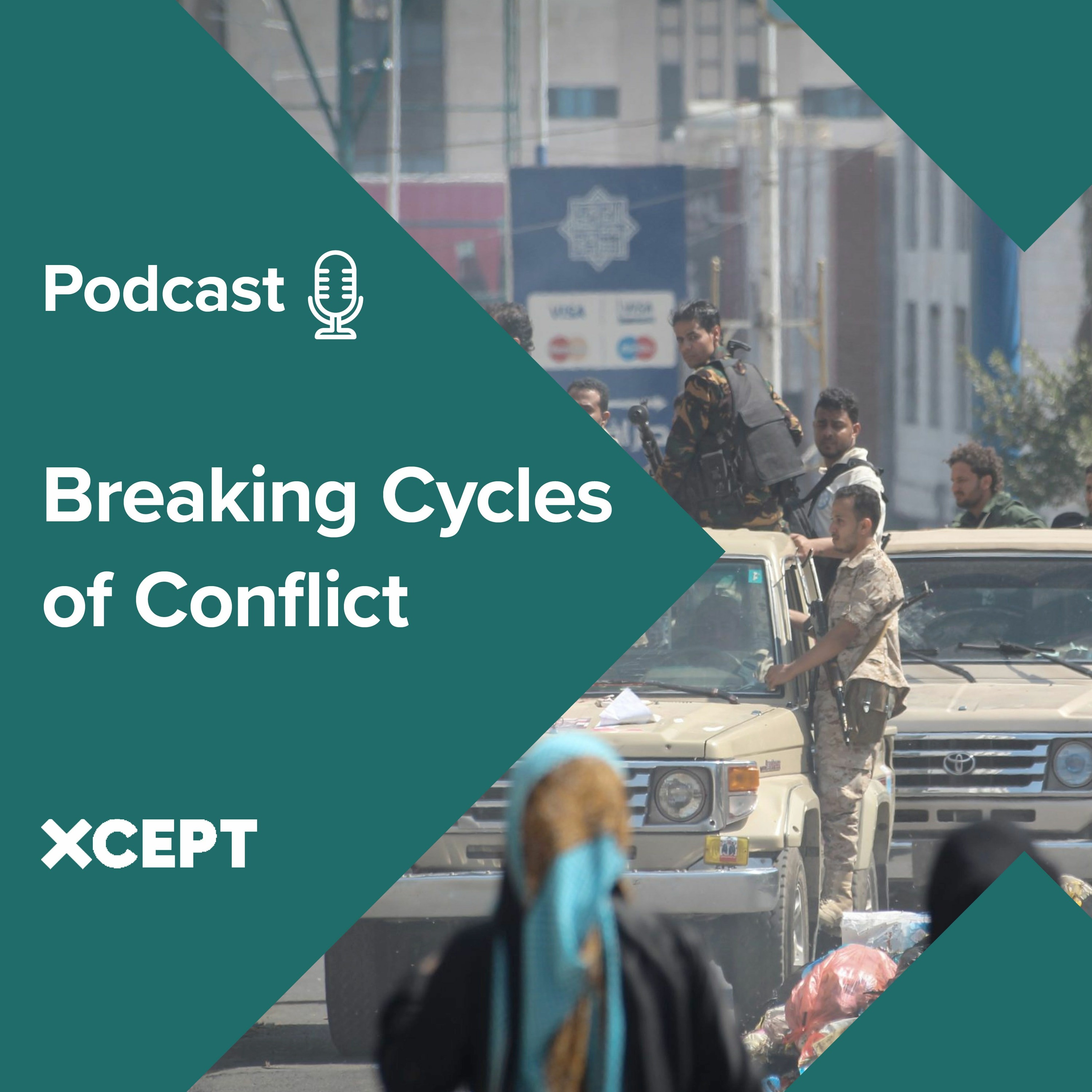
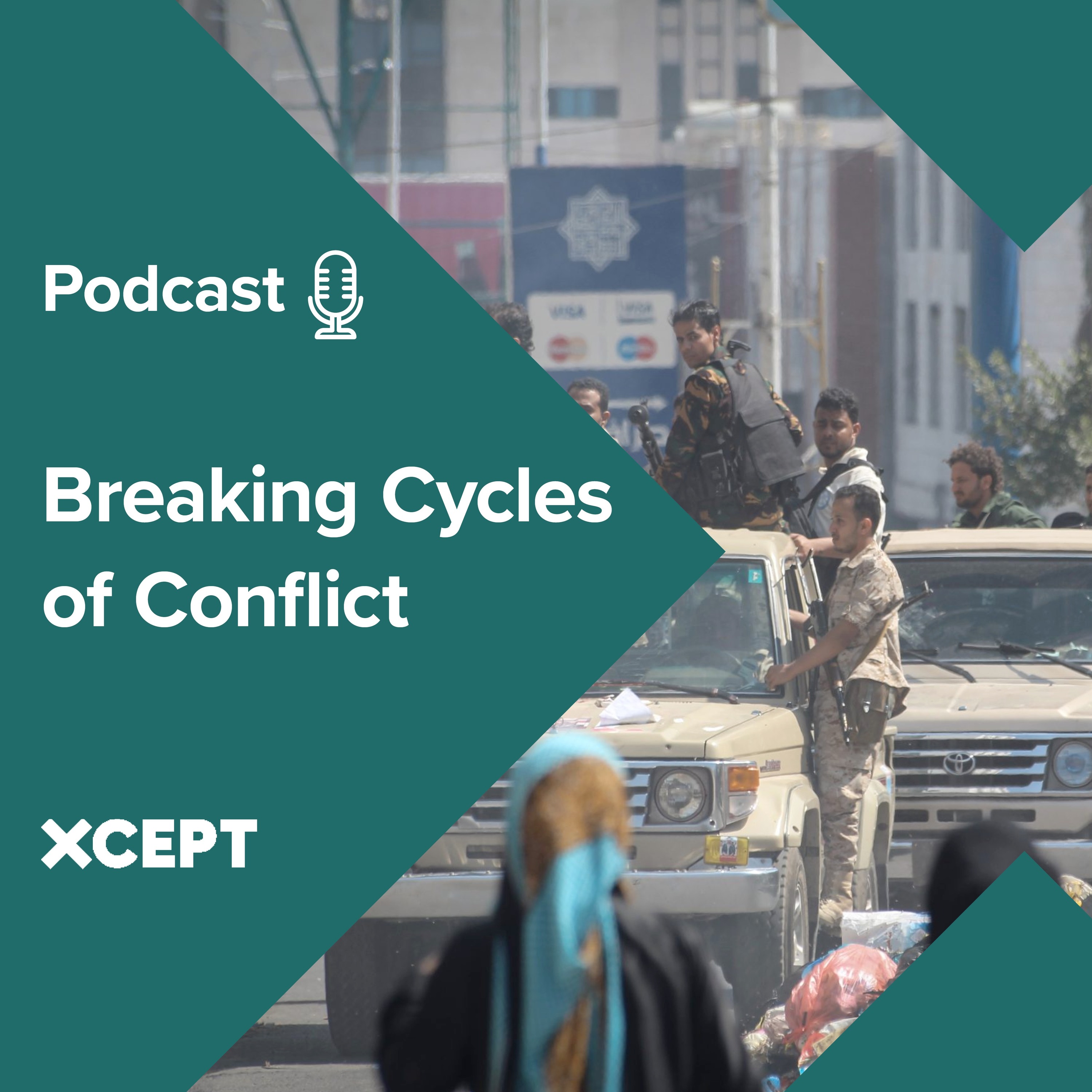
Breaking cycles of conflict [not-audio_url] [/not-audio_url]

Duration: 27:13
What drives one person to violence and another to peace? How does experience of trauma lead to radicalisation? Are there interventions that can help deflect people from trajectories of extremism? These are some of the qu…
The Western Front: The Generals in the First World War [not-audio_url] [/not-audio_url]

Duration: 39:40
The Western Front, that cauldron of war, a bubbling, fermenting experiment in killing that changed the world. The Western Front would become synonymous with stalemate and mass slaughter, with indecisive, attritional stru…
Women leaders in health and conflict [not-audio_url] [/not-audio_url]

Duration: 39:08
Globally, there are very few women in leadership positions in healthcare and peacebuilding in areas of armed conflict – but why is this the case? Why are women a key part of healthcare & peacebuilding? What barriers do w…
The Road to Vietnam with Dr Pablo de Orellana [not-audio_url] [/not-audio_url]

Duration: 51:52
Why did the United States become involved in Vietnam? To combat communism, evidently. But just how did a Southeast Asian French colony already devastated by two wars become an existential threat? The Vietnam war is one o…
The war in Ukraine explained: More from our experts [not-audio_url] [/not-audio_url]

Duration: 56:06
What’s happening on the ground in Ukraine? Why has Russia’s hopes of a swift, decisive victory turned into a long, drawn-out, brutal war of attrition? How has Russia revised it’s strategy and tactics, as Putin loses inte…