Daily Life in Ancient Mesopotamia

Daily Life in Ancient Mesopotamia

Author: World History Encyclopedia August 7, 2020 Duration: 25:05

Daily Life in Ancient Mesopotamia written by Joshua J Mark and narrated by DW Draffin: https://www.worldhistory.org/article/680/daily-life-in-ancient-mesopotamia/

Find it on YouTube: www.youtube.com/c/TheStudyofAntiq…ddleAges/featured


If you like our audio articles, please support us by becoming a member or donating to our non-profit company:

- www.ancient.eu/membership/

- www.ancient.eu/donate/

- www.patreon.com/ahe


The music used in this recording is the intellectual copyright of Michael Levy, a prolific composer for the recreated lyres of antiquity, and used with the creator's permission. Michael Levy's music is available to stream at all the major digital music platforms. Find out more on:

www.ancientlyre.com

open.spotify.com/artist/7Dx2vFEg8…IH9CRieFNGXRUyJ9

www.youtube.com/channel/UCJ1X6F7lGMEadnNETSzTv8A

Interested in the ANTIQVVS magazine? Find out more here → www.antiqvvs-magazine.com/

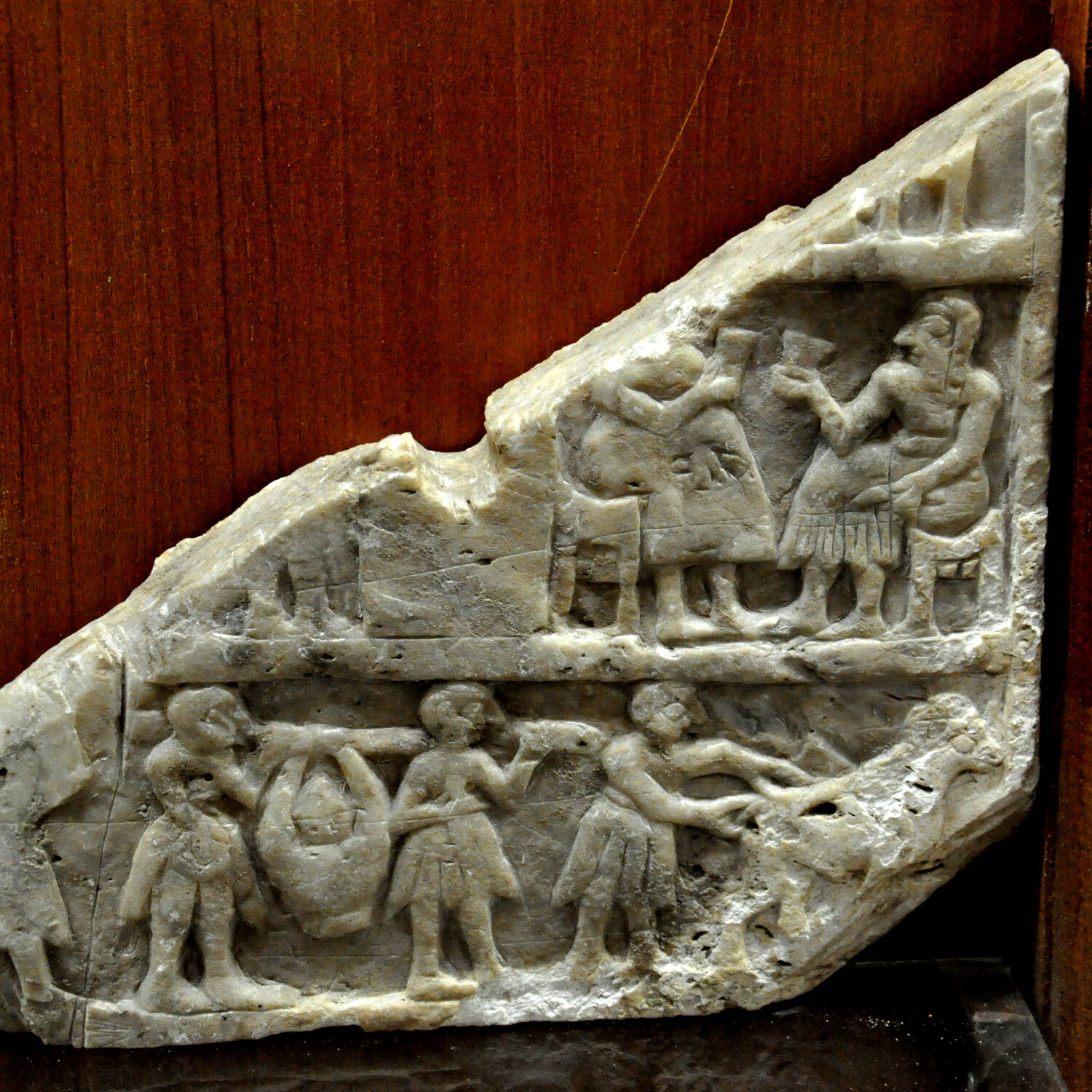
Daily life in ancient Mesopotamia cannot be described in the same way one would describe life in ancient Rome or Greece. Mesopotamia was never a single, unified civilization, not even under the Akkadian Empire of Sargon the Great. Generally speaking, though, from the rise of the cities in c. 4500 BCE to the downfall of Sumer in 1750 BCE, the people of the regions of Mesopotamia did live their lives in similar ways. The civilizations of Mesopotamia placed a great value on the written word. Once writing was invented, c. 3500-3000 BCE, the scribes seem almost obsessed with recording every facet of their cities lives and, because of this, archaeologists and scholars in the present day have a fairly clear understanding of how the people lived and worked. The American author Thornton Wilder once wrote, “Babylon once had two million people in it, and all we know about `em is the names of the kings and some copies of wheat contracts and the sales of slaves” (Our Town). Wilder was writing fiction, of course, not history, and there was much about Mesopotamian history still unknown at the time he wrote his play; still he was wrong about what the modern world, even the world of his day, knew about the people of Mesopotamia. We actually know a good deal more than just the names of kings and the sales of slaves.

Podcast Episodes
The Causes of the Second World War [not-audio_url] [/not-audio_url]

Duration: 20:30
In this episode, we explore the complex causes behind the outbreak of World War II. Listeners will learn how the harsh terms of the Treaty of Versailles, economic turmoil during the Great Depression, and the rise of fasc…
Agriculture in the Fertile Crescent & Mesopotamia [not-audio_url] [/not-audio_url]

Duration: 15:22
Explore the pivotal role of agriculture in shaping human history in our latest episode. Journey back to the ancient Near East, where the Fertile Crescent is celebrated as the birthplace of agriculture. Discover how the d…
Twelve Great Women of Ancient Persia [not-audio_url] [/not-audio_url]

Duration: 21:02
In this episode, we explore the fascinating history of women in ancient Persia, revealing their significant roles and freedoms within society. Listeners will learn about notable Persian women like Cassandane Shahbanu, At…
Women in Ancient Persia [not-audio_url] [/not-audio_url]

Duration: 26:52
In this episode, we explore the fascinating role of women in ancient Persia, highlighting their high status and autonomy across various empires. Listeners will learn about the rights and responsibilities of women during…
Egyptian Gods - The Complete List [not-audio_url] [/not-audio_url]

Duration: 2:11:11
In this episode, we delve into the fascinating world of Ancient Egyptian mythology, exploring the pantheon of over 2,000 deities that shaped the daily lives and spiritual beliefs of the Egyptian people for more than 3,00…
Clothes in the Elizabethan Era [not-audio_url] [/not-audio_url]

Duration: 18:08
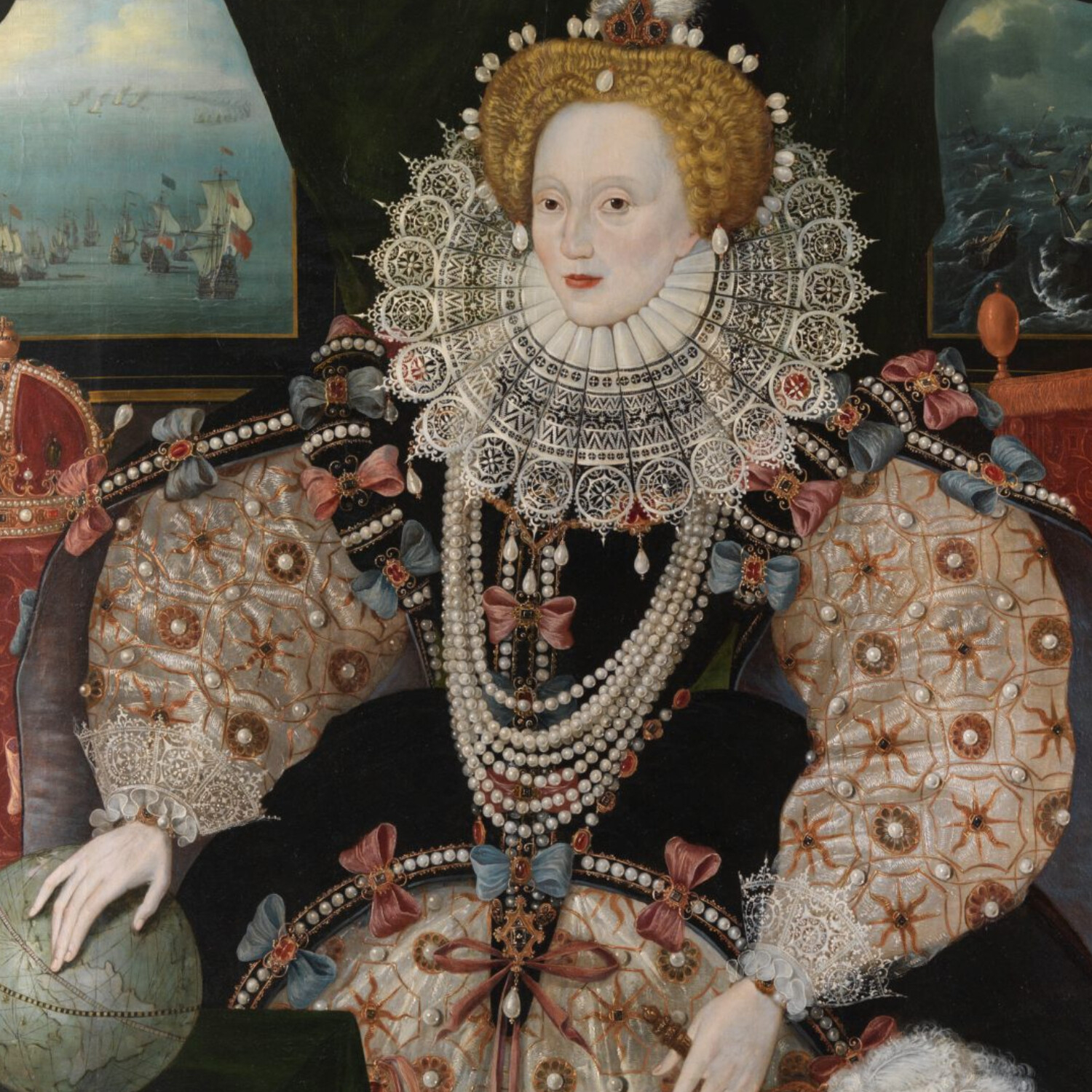
Clothes in the Elizabethan era (1558-1603 CE) became much more colourful, elaborate, and flamboyant than in previous periods. With Elizabeth I of England (r. 1558-1603 CE) herself being a dedicated follower of fashion, s…
Medieval Cures for the Black Death [not-audio_url] [/not-audio_url]

Duration: 22:33
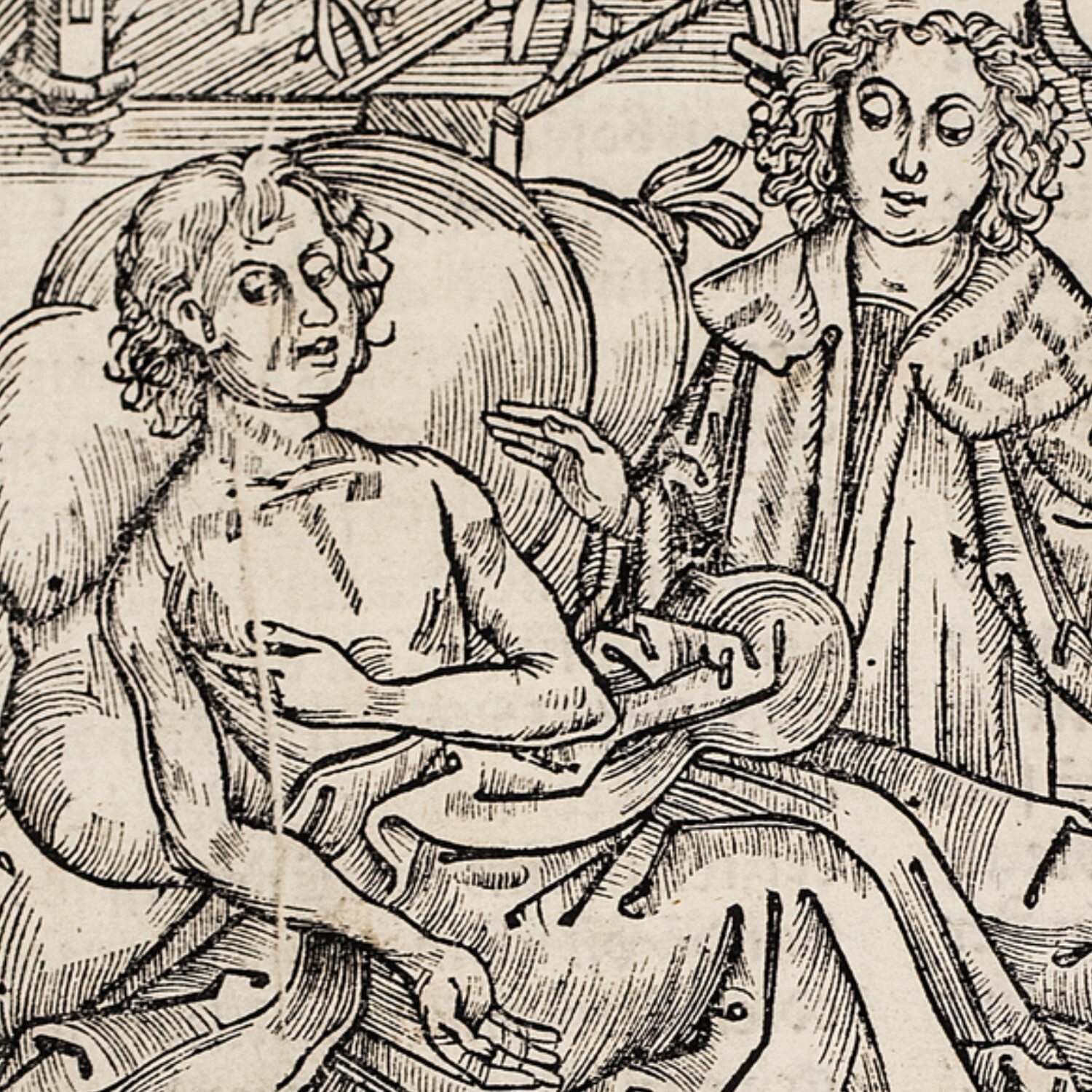
The Black Death is the 19th-century CE term for the plague epidemic that ravaged Europe between 1347-1352 CE, killing an estimated 30 million people there and many more worldwide as it reached pandemic proportions. The n…
Black Death [not-audio_url] [/not-audio_url]

Duration: 15:27
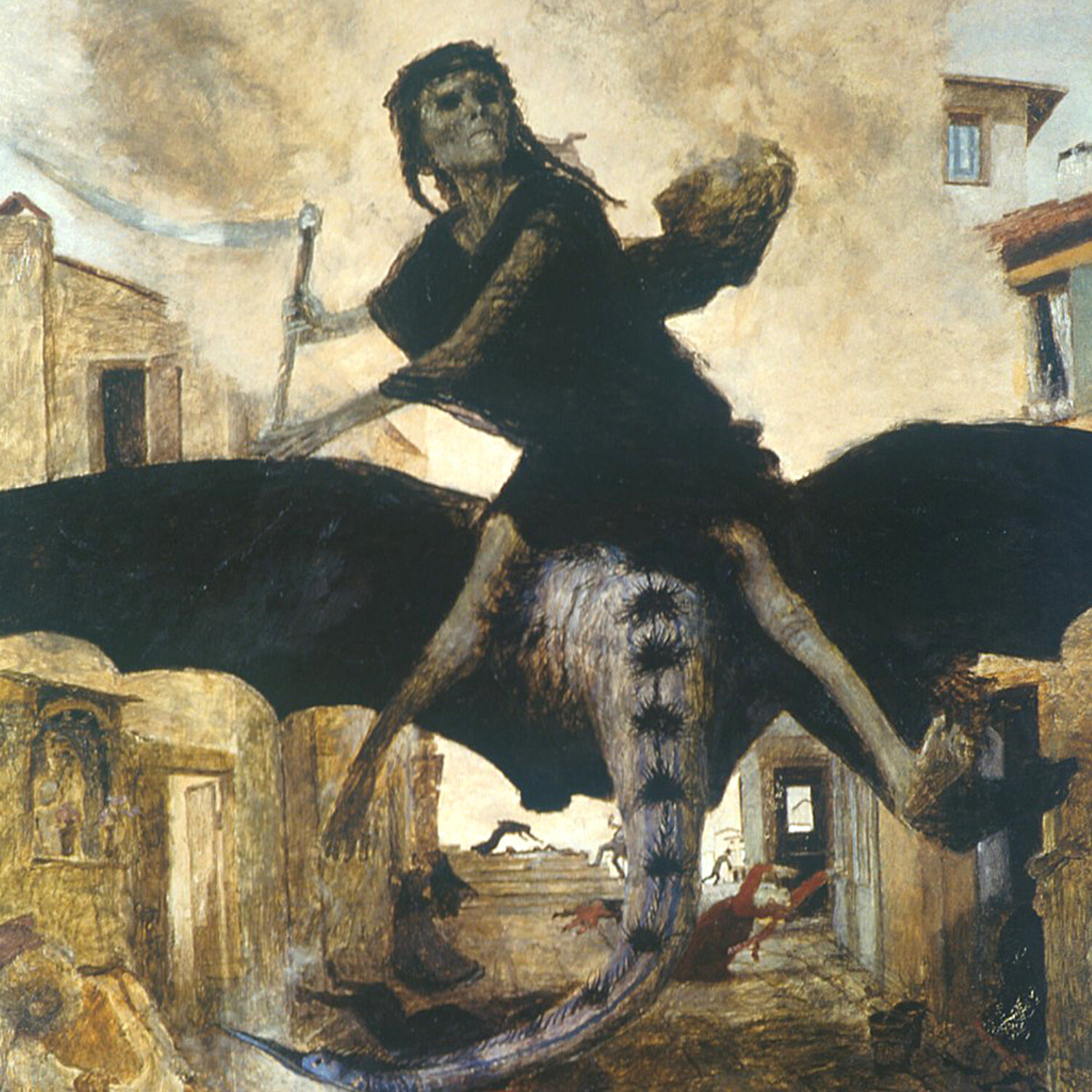
The Black Death was a plague pandemic which devastated medieval Europe from 1347 to 1352 CE, killing an estimated 25-30 million people. The disease originated in central Asia and was taken to the Crimea by Mongol warrior…
Elizabethan Theatre [not-audio_url] [/not-audio_url]

Duration: 22:22
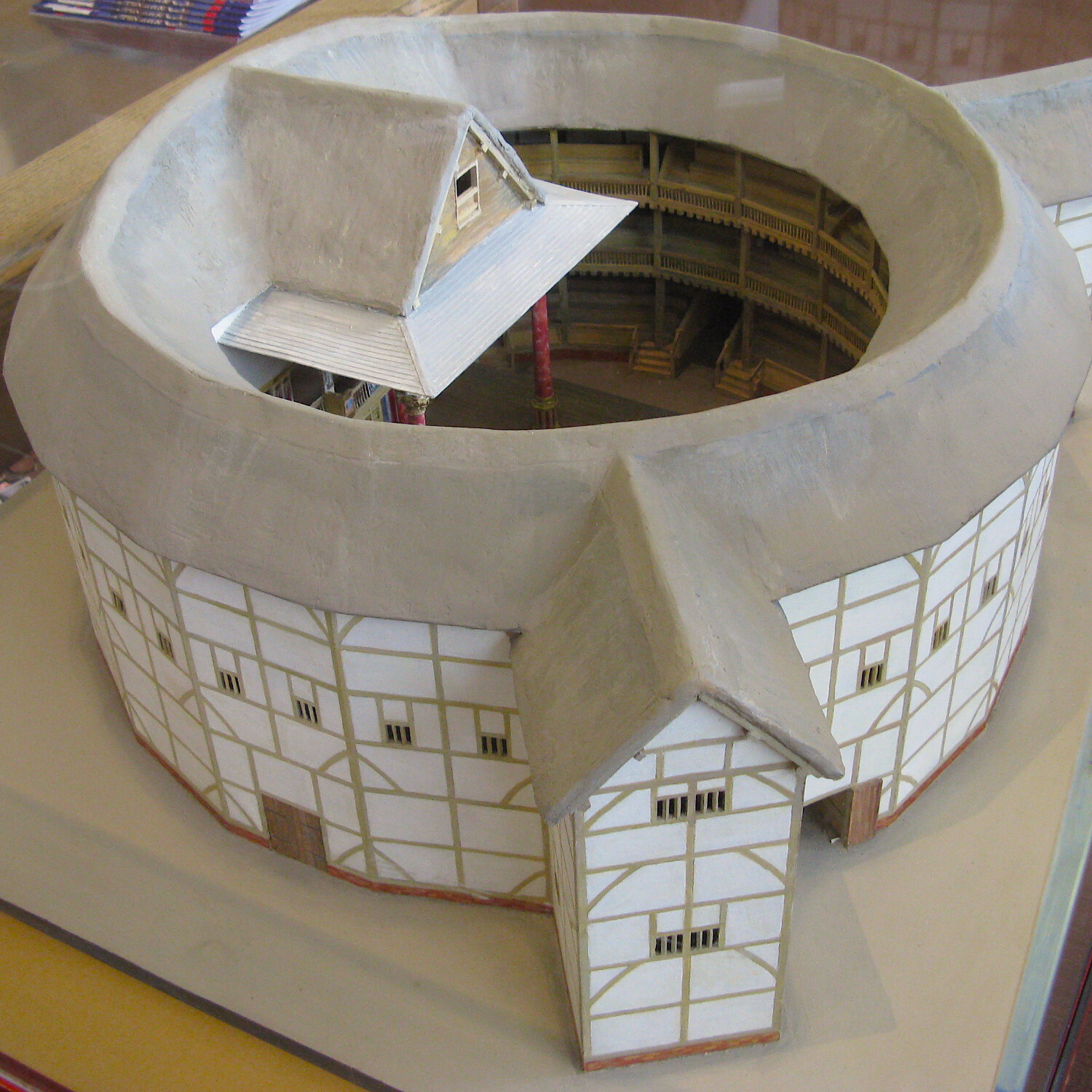
Elizabethan theatre, sometimes called English Renaissance theatre, refers to that style of performance plays which blossomed during the reign of Elizabeth I of England (r. 1558-1603 CE) and which continued under her Stua…
Egyptian Book of the Dead [not-audio_url] [/not-audio_url]

Duration: 19:16
The Egyptian Book of the Dead is a collection of spells which enable the soul of the deceased to navigate the afterlife. The famous title was given the work by western scholars; the actual title would translate as The Bo…