222. Creating a Logic Model: Help Fundraise, Gain Clarity, & Build Team Unity with Kayce Strader of Save Nine Consulting

222. Creating a Logic Model: Help Fundraise, Gain Clarity, & Build Team Unity with Kayce Strader of Save Nine Consulting

Author: Zach Garza & You Can Mentor: Faith-Based Mentoring for Churches, Non-Profits, Youth Ministers, and Teachers February 29, 2024 Duration: 50:37

Logic Model


A logic model is a tool used by nonprofits to illustrate their impact. It is a one-page explanation of the connections between what you plan to put into a program and what you expect to deliver. It can serve as a powerful tool for focusing and articulating vision. It also serves as a built-in monitoring system to check in on programs, compare to goals, and make adjustments when needed. Finally, it can also increase donors and funders’ trust in the organization that is willing and able to strategically plan programs, measure their effectiveness, and prove the value of each investment.


-- 

The logic model does three main things:

-    It connects the dots for donors and funders between what you say you need and what you promise to produce.

-    It builds credibility for your organization because you clearly show the logic behind your decisions – why you decided to do what you do and how you can prove it worked.

-    It unites the focus of staff around the key deliverables in a program.

--

They are usually constructed around just one program, with many nonprofits building a logic model for each major program they have. You can make a logic model for an existing or planned program.


The Five Categories:


Inputs:


Nickname: The Recipe

Question: What Do We Need?


This category captures all you plan to put into the particular program. It includes materials, supplies, staff time, building usage, curriculum, in-kind donations, etc… anything it takes to make the program run. Think of it as “the recipe”.


Activity:


Nickname: The Action

Question: What Will We Do With our Program?


This is what you plan to do with all of the inputs to accomplishing your desired result. It is a straightforward listing of the activities you plan to do. This could include things like classroom instruction, live events, seminars, free lunches, etc. This is the action that you will do.


Outputs:


Nickname: The Results


Question: What happened?


This is what you expect to happen as a natural result of your activity. This is NOT a measure of effectiveness, but a measure of what happened. If the activity was to hand out fliers, your output would be number of fliers handed out. Many nonprofits focus on measuring and communicating outputs. If the activity was giving seminars around the world, an output could be number of miles flown by instructors. Outputs will almost always begin with “number of x.


Outcomes:


Nickname: The Change


Question: What Good Did it Do?


This is perhaps the most important element of the logic model. Outputs are the measurements that capture what changed from how things were before you did your activity. Strong outcomes will show positive changes in areas that logically connect to your program’s intended impact. These measurements require prior planning, because you will need baselines to illustrate where the population was before your intervention and where they are now as a direct result of your action. Outcomes will almost always start with “percentage change in x.”


Impact:


Nickname: The Hope


Question: What Are We Going to Change?


The impact portion of a logic model is a simple, straightforward statement explaining what you hope to see for this population 8-10 years from now. 

--
Find an example on our website under the tab "downloadables".
--
Contact Kayce at http://savenineconsulting.com/ and find out more at www.youcanmentor.com
--
Please follow @youcanmentor on social media and give us a 5 star rating! If you are a part of a mentoring organization, we'd love to get to know you! Please reach out to us and we can spotlight your org on the pod or on our website. 

Hosted by Zach Garza, You Can Mentor: A Christian Youth Mentoring Podcast is a conversation for anyone guiding young people within a faith context. This isn't about abstract theory; it's a practical resource built for the real challenges faced by youth ministers, church volunteers, teachers, and parents. Each episode focuses on the tangible aspects of building relationships that matter, offering grounded advice on how to listen, encourage, and walk alongside the next generation. The core of this podcast is a shared belief that effective mentoring flows from a foundation of loving God and loving others, aiming to make disciples right where you live. We delve into the questions you actually have, because your input directly shapes the discussions. Many episodes are crafted from real questions submitted by listeners, making the content immediately relevant to your own mentoring relationships. Whether you're navigating a difficult conversation, seeking creative ways to connect, or looking to sustain your own spiritual health while pouring into others, this space is designed to equip and encourage you. The goal is to see Christian mentors not just manage, but truly thrive in their vital roles. Tune in for honest stories, actionable strategies, and a sense of community, all aimed at helping you cultivate a more meaningful and impactful mentoring practice.
Author: Language: English Episodes: 100

You Can Mentor: A Christian Youth Mentoring Podcast
Podcast Episodes
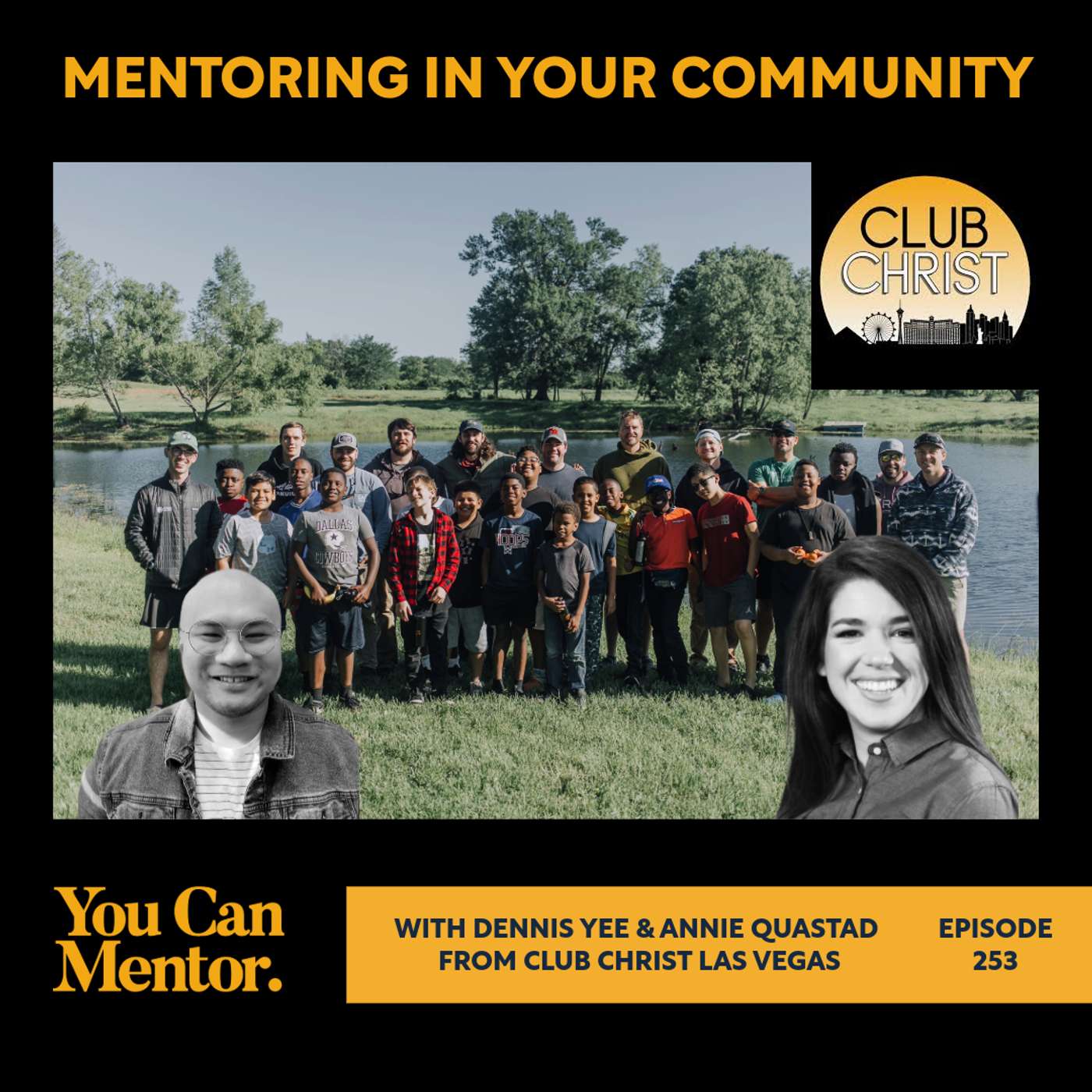
253. Mentoring in Your Community with Christ Club Las Vegas [not-audio_url] [/not-audio_url]

Duration: 43:13
In this episode of You Can Mentor, host Zach sits down with Annie and Dennis from Club Christ Ministries in Las Vegas, an organization dedicated to mentoring kids and transforming communities. Annie, the Program Director…
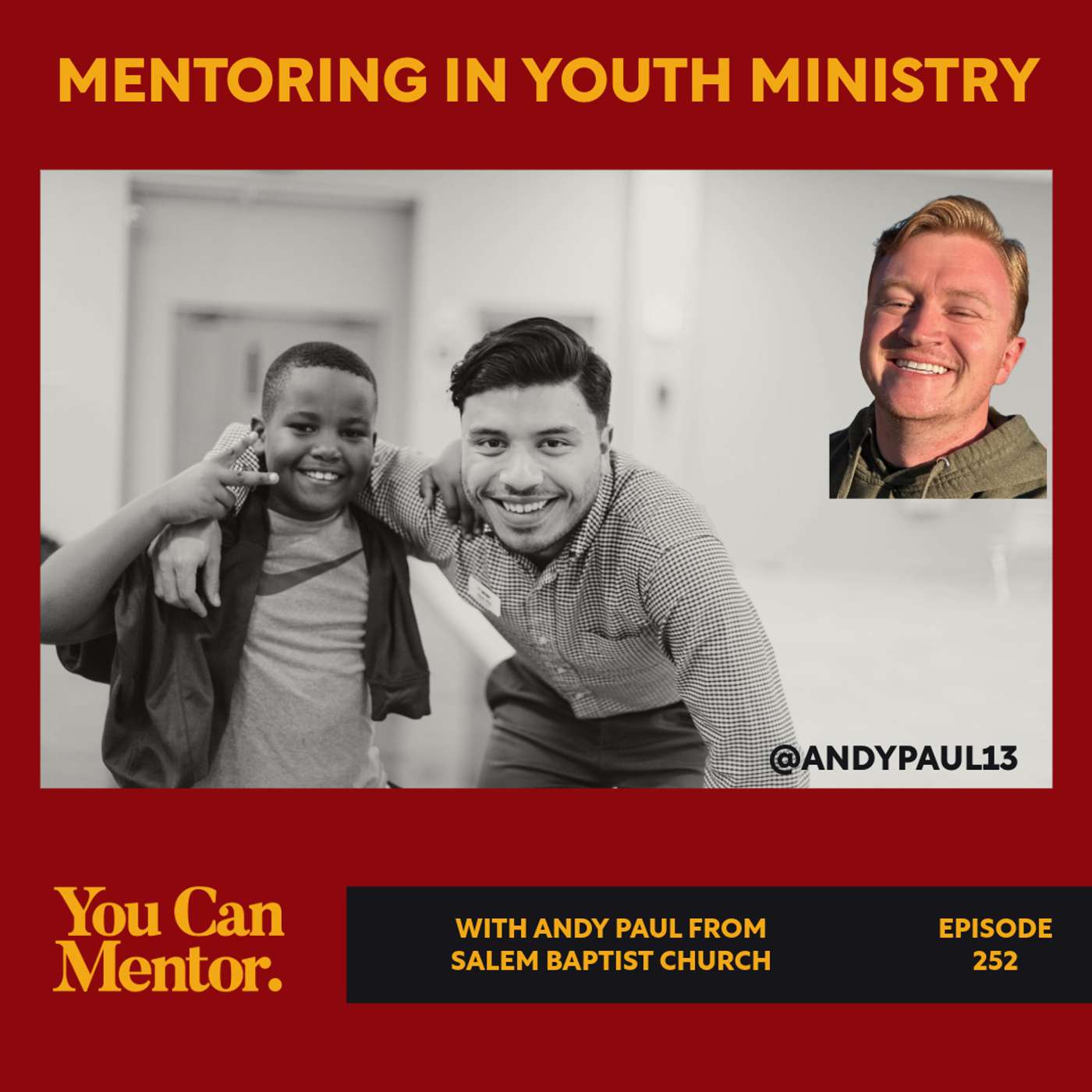
252. Mentoring in Youth Ministry with Andy Paul (YCM #1 Fan) [not-audio_url] [/not-audio_url]

Duration: 38:01
In this episode of the You Can Mentor podcast, host Zachary Garza welcomes Andy Paul, a youth pastor from Salem Baptist Church in Georgia. They discuss the importance of mentoring in youth ministry, sharing personal stor…
248. End of Year Fundraising Tips with Courtney Krus of NextAfter [not-audio_url] [/not-audio_url]

Duration: 35:29
All mentoring organizations always need more of two things:Mentors and Money.November 15th officially starts the End of Year Giving season, so tune into our podcast to learn how to maximize your fundraising during the fi…
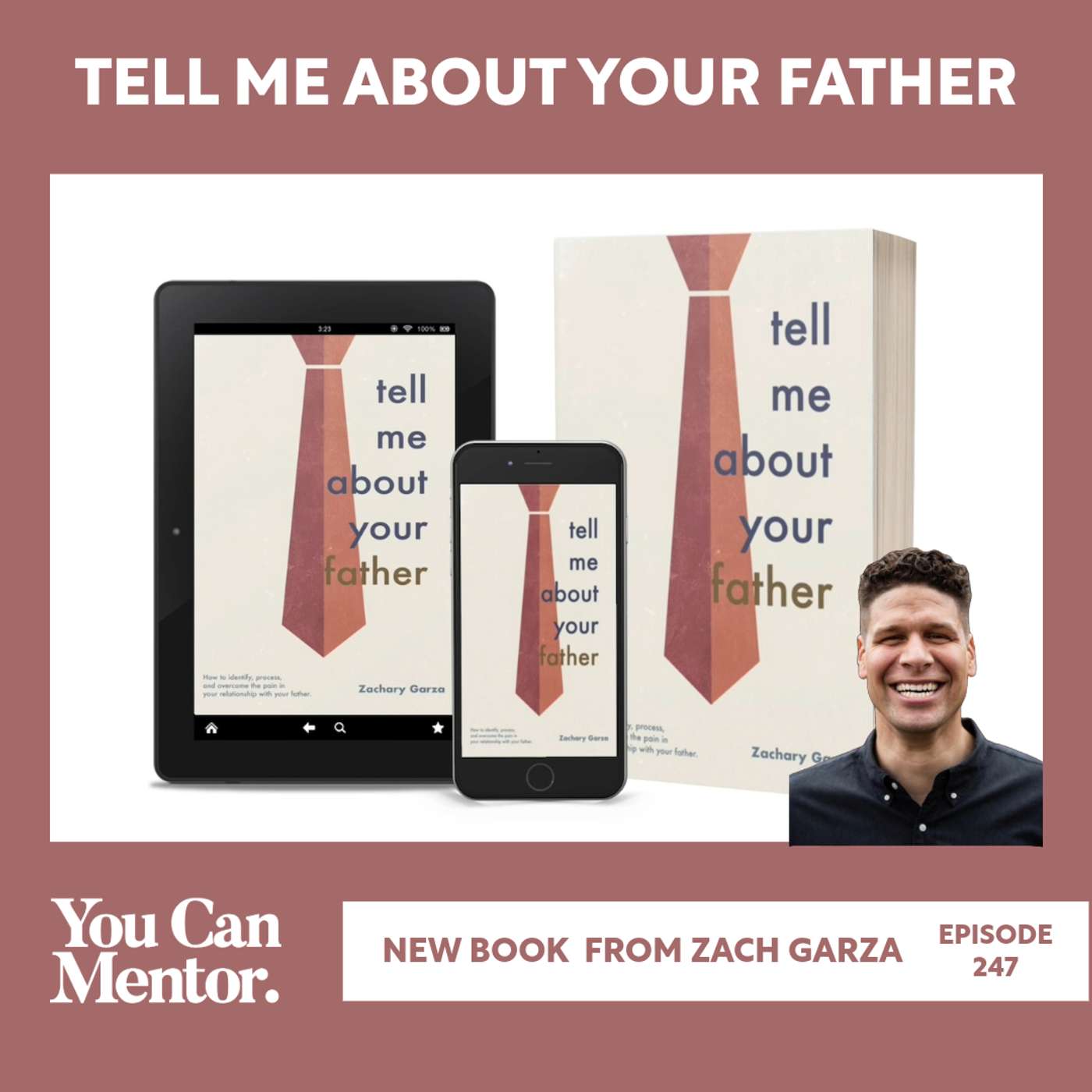
247. Tell Me About Your Father // New Book From Zach Garza [not-audio_url] [/not-audio_url]

Duration: 35:20
If you or someone you know grew up without a father, I’d like for you to check out my new book, Tell Me About Your Father. It is an auto-biographical journey that describes how I dealt with my fatherlessness. I pray it i…
246. Mentoring is a Calling with Al Nodarse from Faithful Friends PDX [not-audio_url] [/not-audio_url]

Duration: 25:52
Hey mentoring friends, would you please give us that 5 star rating to help us reach more people? It'll take 19 seconds and it really means a lot to us. Thank you!--If you are a mentoring leader, check out the You Can Men…
245. Matching Energy with John B [not-audio_url] [/not-audio_url]

Duration: 30:16
Ok. We got 5 asks. Our heart in all of this is to see you thrive. So here we go...Would you please:- Follow us on social media @youcanmentor to spread the word about Christian mentoring.- Check our books on Amazon.- Shar…
244. Invitation to Invite [not-audio_url] [/not-audio_url]

Duration: 30:34
Ok. We got 5 asks. Our heart in all of this is to see you thrive. So here we go... Would you please:- Follow us on social media @youcanmentor to spread the word about Christian mentoring.- Check our books on Amazon.- Sha…